Green Tea L-Theanine
Green Tea L-Theanine is the natural-source grade of L-theanine, extracted from the leaves of Camellia sinensis rather than produced by chemical or enzymatic synthesis.
The molecule itself is the same N-ethyl-L-glutamine with formula C₇H₁₄N₂O₃ and CAS 3081-61-6. The distinguishing attributes are the botanical origin, the presence (or controlled absence) of co-extracted tea polyphenols, and the supporting documentation that allows finished products to claim a green tea source on label.
We source bulk Green Tea L-Theanine from top China manufacturers for our partners. The manufacturer is in Zhejiang. For this ingredient the minimum order is 200 kg and a 20-foot container takes 10 MT, and a smaller requirement can ship in a combined container with other ingredients.
Please send the grade you need, the volume and your destination port, and we will come back with a solution and a price.
or call +86-21-6858 0751
- Minimum order
- 200 kg
- Qty in 20' FCL
- 10 MT
- Packaging
- 25 kg kraft paper bag with PE inner liner
- ISO 9001
- HACCP
- Halal
- Kosher
Specifications
Grades / Types Available: food grade, pharmaceutical grade
| Item | Specification |
|---|---|
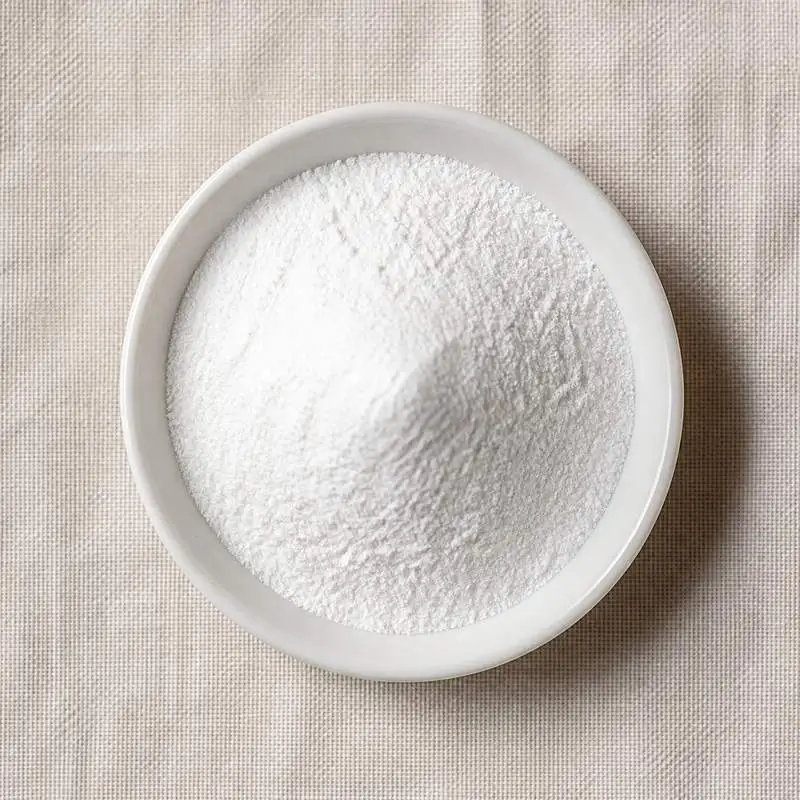
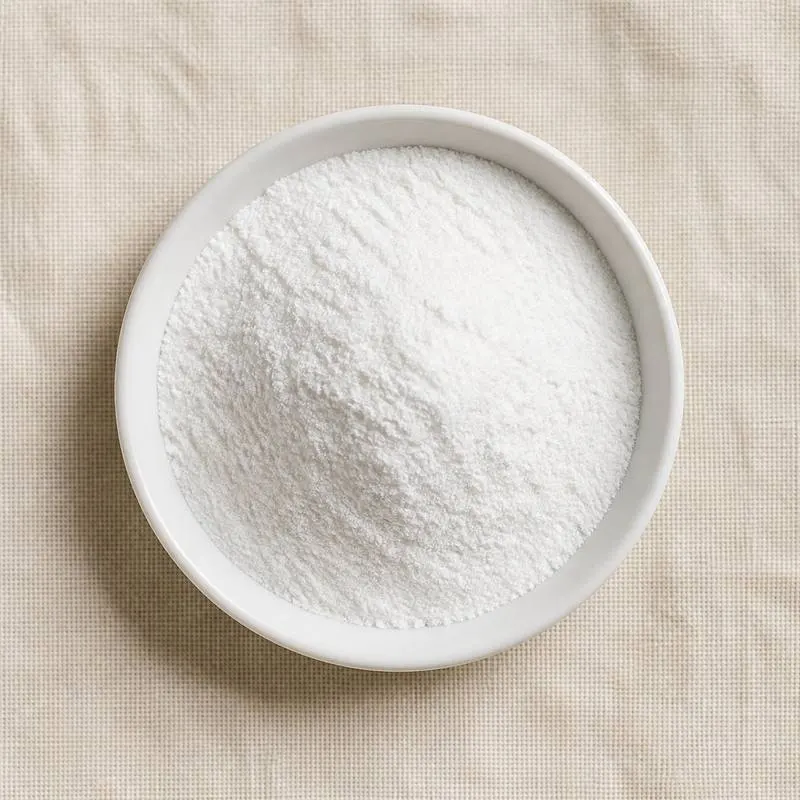
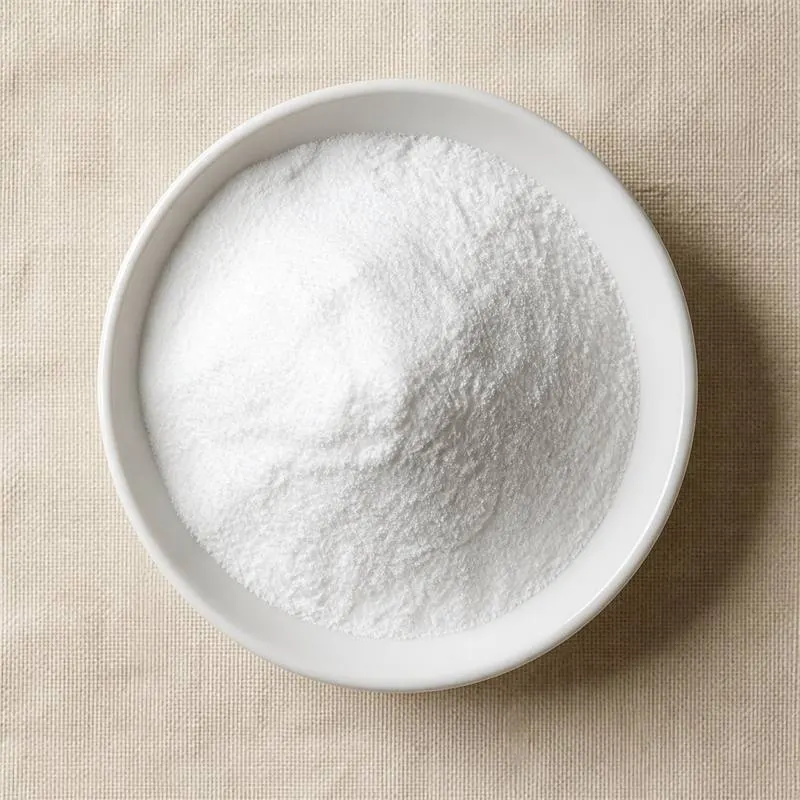
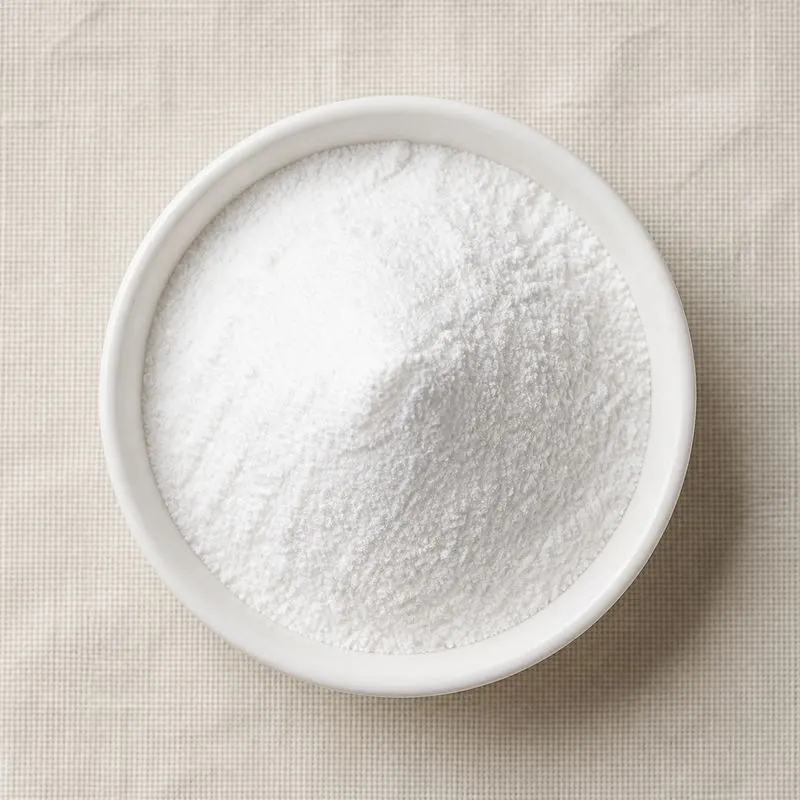
| Appearance | White crystalline powder |
| Assay (HPLC) | ≥98% |
| L-Isomer | ≥99% |
| Moisture | ≤1.0% |
| Ash (sulphated) | ≤0.2% |
| Specific Rotation | +7° to +9° |
| Melting Point | 214–215 °C |
| Heavy Metals (as Pb) | ≤10 mg/kg |
| Residue on Ignition | ≤0.2% |
| Total Plate Count | ≤1,000 cfu/g |
| Salmonella | Absent in 10g |
| Purity | 95% (Food Grade) |
| Moisture/Loss on Drying | <5% (Food Grade) |
| Lead | <1 ppm (Food Grade) |
| Arsenic | <0.1 ppm (Food Grade) |
Common Markets Grades
Green tea L-theanine is graded across a range of purities, each suited to a different label position.
20 percent and 40 percent extracts retain a portion of native tea polyphenols, including catechins and traces of caffeine, and are positioned as broad-spectrum green tea actives for relaxation blends.
60 percent and 70 percent grades are partially purified, with reduced caffeine and catechin background, and are used where a higher theanine dose per serving is required without delivering a meaningful catechin load.
High-purity 90 percent and 98 percent grades approach the analytical purity of synthetic L-theanine while preserving the green tea source claim. These are the premium clean-label format and command a significant price premium over synthetic equivalents.
Decaffeinated grades, typically below 0.1 percent caffeine, are produced for sleep-positioned and pediatric applications. Origin verification is supported by isotopic, marker-compound, or DNA-based authentication on request.
Applications
- Premium relaxation supplements positioned with a green tea source claim
- Clean-label functional beverages featuring tea-origin amino acid actives
- Sleep formulas where decaffeinated tea-derived theanine supports a natural narrative
- Nootropic capsules and shots combining green tea L-theanine with natural caffeine sources
- Pediatric and family-friendly stress supplements using botanical-source ingredients
- Functional teas, matcha lattes, and bottled cold brews with theanine enrichment
- Organic-certified supplements where extract chain-of-custody is documented
- Cosmetic skincare with tea-actives positioning for sensitive and reactive skin
- Functional confectionery, chocolate, and gummies in the calm-mood category
- Whole-leaf-style blends that retain a controlled polyphenol fraction
- Pet anxiety chews and calming supplements with natural-source labelling
Brands Using Green Tea L-Theanine
Widely-distributed consumer products that list Green Tea L-Theanine on the ingredient label.
- Doctor's BestL-Theanine with Suntheanine 150 mg ↗Supplies 150 mg L-theanine per capsule as Suntheanine, a form of the green tea amino acid.Label verified 2026-05-24
- NOW FoodsL-Theanine 200 mg (Suntheanine) ↗NOW labels L-Theanine as 'a unique amino acid found naturally in the tea plant (Camellia sinensis)' and sources it as Suntheanine.Label verified 2026-05-24
- Jarrow FormulasTheanine 200 ↗Supplies 200 mg theanine per capsule, the amino acid also found in green tea.Label verified 2026-05-24
- Sports ResearchSuntheanine L-Theanine 200 mg Softgels ↗Sports Research uses patented Suntheanine L-theanine (an enzymatic process that mimics natural production of L-theanine in green tea leaves) at 200 mg per softgel.Label verified 2026-05-24
- Natural FactorsStress-Relax Suntheanine L-Theanine ↗Stress-Relax line uses Suntheanine, a pure form of L-theanine identical to the L-theanine naturally found in green tea, for stress and relaxation support.Label verified 2026-05-24
Brand names, product names and logos are the property of their owners. They appear here as published evidence that the ingredient is used, taken from the brand's own label or website. Their appearance is not an endorsement, and it does not mean the brand buys from us or from any manufacturer listed on this site.
China Manufacturers of Green Tea L-Theanine
Top Green Tea L-Theanine manufacturers in China.

Company names and logos are the property of the manufacturers themselves. They are listed here because our own directory records them as producing this ingredient. A listing is not an endorsement by them, and we do not represent them or speak on their behalf.
How We Help Source Green Tea L-Theanine
Direct Factory Sourcing
We run the whole process: selecting the manufacturer from the top Chinese food ingredient producers, negotiating the price, verifying quality, and coordinating the logistics. You deal with us instead of with several factories at once.
Original Packaging and Documents from the Manufacturer
The manufacturer sends your Green Tea L-Theanine out of its own factory in the original packing, through to your destination port. The COA, COO, MSDS, TDS and any certifications reach you from the manufacturer as well.
Free Samples and Lead Time
We send 100 to 500 g free for your own laboratory to test and you cover only the courier, usually within 2 to 3 working days. ETD is usually within 7 to 15 days once the order is confirmed, and we check that date against the factory's own manufacturing schedule before we give it to you.
Combined Shipment
We can load Green Tea L-Theanine together with other ingredients such as Glycine, L-Arginine and L-Leucine into one 20' FCL. If your quantity is small, we can also ship LCL.
Regulatory Status
Regulatory acceptance follows the same framework as synthetic L-theanine, with additional benefits in markets that distinguish natural-source ingredients.
In the United States, multiple natural and synthetic L-theanine grades have received GRAS notification for conventional food use. Green tea extracts themselves have a long history of safe food use.
In Japan, tea-derived L-theanine is the historical standard and supports a large portfolio of FFC registrations for stress and sleep claims. The natural-source narrative is well-aligned with consumer expectations in this market.
The European Union permits L-theanine in food supplements through national notification in several member states. Green tea extracts as such are widely traded under existing food ingredient frameworks, with attention to catechin content for finished-product safety assessment.
Organic certification under USDA NOP, EU Organic, and JAS frameworks is achievable when the source leaf and extraction solvents meet the relevant standard. Halal and Kosher certifications are routinely available.
Manufacturing Process
The starting material is dried green tea leaves, ideally from shaded cultivars such as those grown for matcha and gyokuro, which naturally accumulate higher theanine concentrations.
Leaves are extracted with hot water or a hydroalcoholic solvent system. The crude extract is filtered, concentrated under vacuum, and passed over cation exchange resin to capture the basic amino acid fraction.
Subsequent purification uses reverse-phase or polymeric adsorbent chromatography to separate L-theanine from catechins, caffeine, and other co-extracted compounds. The depth of this step determines whether the final product is a broad-spectrum extract or a high-purity isolate.
Purified eluate is concentrated, decolorised through activated carbon, crystallised from aqueous ethanol, and dried. For higher-purity grades, repeated recrystallisation removes residual polyphenol staining and tightens the impurity profile.
Suppliers maintain documented chain of custody from tea garden through extraction plant, supporting natural-source, non-GMO, and organic certifications where applicable.