Guarana Extract
Guarana Extract is a concentrated preparation from the seeds of Paullinia cupana Kunth, a climbing vine native to the Amazon basin and cultivated commercially in the Brazilian states of Amazonas, Bahia, and Para.
The seeds carry one of the highest natural caffeine concentrations of any plant, typically 3 to 6 percent in the dried seed itself and standardised to 10 to 22 percent caffeine in commercial extracts.
Alongside caffeine the extract delivers theobromine, theophylline, catechins, and condensed tannins, which together produce a slower-onset and longer-lasting stimulant profile than purified caffeine.
or call +86-21-6858 0751
- Packaging
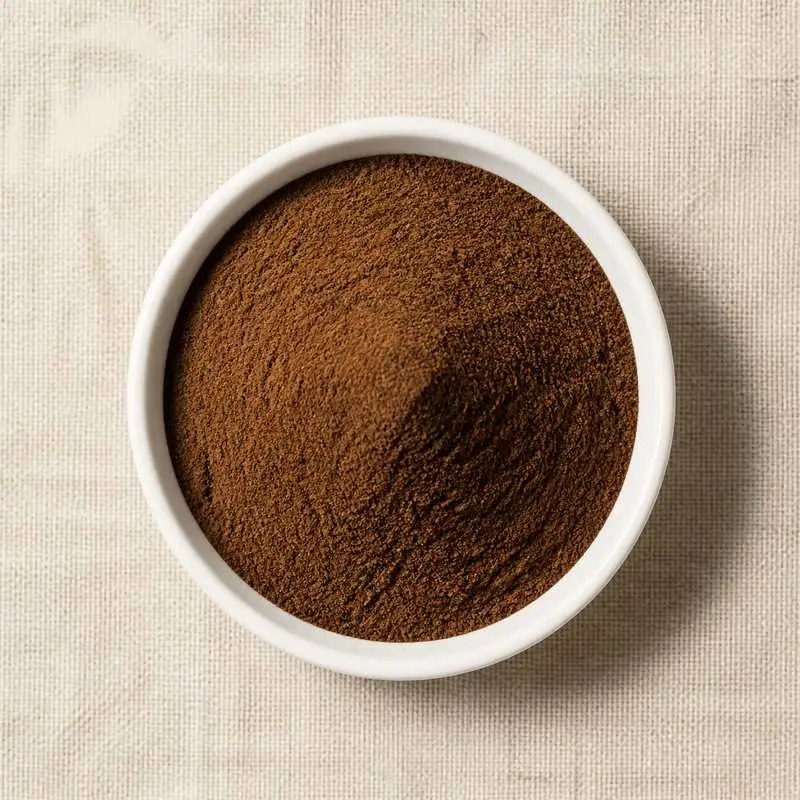
- 25 kg fibre drum with double PE liner
- ISO 9001
- HACCP
- Halal
- Kosher
Specifications
Grades / Types Available: Food Grade
| Item | Specification |
|---|---|
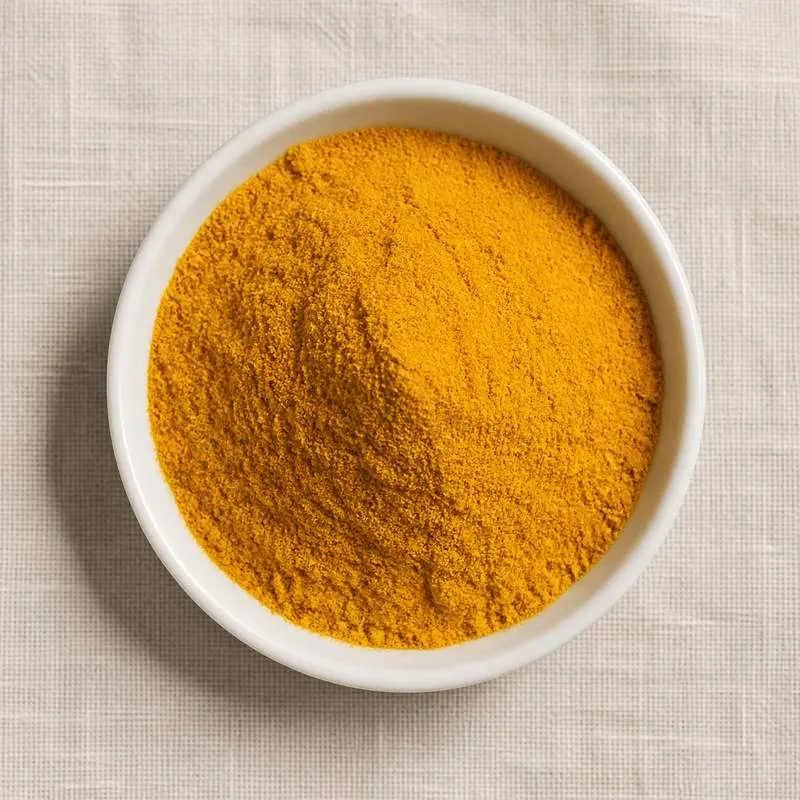
| Appearance | Light brown fine powder |
| Caffeine (HPLC) | 10-22% |
| Moisture | ≤ 5.0% |
| Ash | ≤ 5.0% |
| Particle Size (80 mesh) | ≥ 95% |
| Extraction Solvent | Water / ethanol |
| Heavy Metals (as Pb) | ≤ 2 mg/kg |
| Total Plate Count | ≤ 10,000 cfu/g |
| Purity/Assay | ≥ 10% Caffeine |
| Moisture/Loss on Drying | ≤ 5% |
| pH | 4.5 - 6.0 |
| Particle Size/Mesh | 80 mesh |
| Lead | ≤ 1 ppm |
| Arsenic | ≤ 0.5 ppm |
| Yeast & Mold | ≤ 100 cfu/g |
Common Markets Grades
Guarana Extract is graded primarily by caffeine assay.
The standard supplement grade is a 4:1 dry extract delivering 8 to 12 percent caffeine on powder weight. This grade is the volume baseline for capsules, tablets, and energy-shot bases.
Higher-strength grades reach 18 percent, 20 percent, and 22 percent caffeine by HPLC. The 22 percent grade approaches the practical extraction ceiling on a clean botanical and is preferred by energy-drink formulators who want a single-source caffeine input.
A traditional Brazilian guarana powder (pasta de guarana, ground roasted seed) carries 3 to 5 percent caffeine and serves as a clean-label whole-seed input for beverage brands.
Spray-dried liquid extract on maltodextrin or gum arabic carrier is produced where dispersibility in cold water is required. Plain water-extracted and hydroethanolic grades are differentiated by tannin load and sensory profile.
Organic-certified extract is produced from contracted Amazonas and Bahia growers.
Applications
- Energy drinks and shots as a natural caffeine source with slower onset
- Pre-workout sports nutrition powders and capsule formats
- Thermogenic and weight-management supplement blends
- Cognitive and focus supplement formulas combined with L-theanine or B vitamins
- Functional coffee and tea blends seeking extended alertness profile
- Chewing gum and lozenge formats for portable alertness
- Chocolate, confectionery, and energy bars at low inclusion
- Carbonated soft drinks and flavoured waters in the energy positioning segment
- Ready-to-drink iced coffee and protein shake lines
- Cosmetic firming creams, anti-cellulite gels, and eye creams leveraging caffeine
- Hair-care tonics and shampoos targeting scalp circulation
- Traditional Amazonian beverages and Brazilian guarana sodas
Brands Using Guarana Extract
Widely-distributed consumer products that list Guarana Extract on the ingredient label.
- Rockstar EnergyRockstar Original Energy Drink ↗Rockstar Original lists guarana seed extract (Paullinia cupana) on its ingredient panel alongside taurine, caffeine, panax ginseng and milk thistle.Label verified 2026-05-24
- Monster EnergyMonster Original Energy Drink ↗Monster Energy lists guarana seed extract on its ingredient panel as one of the botanical contributors to its energy blend (with taurine, panax ginseng, and added caffeine).Label verified 2026-05-24
- NOW FoodsEnergy Veg Capsules (with Guarana Extract) ↗NOW Foods' Energy veg capsule supplement lists Guarana Extract (Paullinia cupana, seed) as a labeled botanical caffeine source alongside green tea, panax ginseng, and rhodiola.Label verified 2026-05-24
- Source NaturalsGuarana Energizer Tablets ↗A single-herb guarana seed extract tablet supplying caffeine.Label verified 2026-05-24
Brand names, product names and logos are the property of their owners. They appear here as published evidence that the ingredient is used, taken from the brand's own label or website. Their appearance is not an endorsement, and it does not mean the brand buys from us or from any manufacturer listed on this site.
How We Help Source Guarana Extract
Direct Factory Sourcing
We run the whole process: selecting the manufacturer from the top Chinese food ingredient producers, negotiating the price, verifying quality, and coordinating the logistics. You deal with us instead of with several factories at once.
Original Packaging and Documents from the Manufacturer
The manufacturer sends your Guarana Extract out of its own factory in the original packing, through to your destination port. The COA, COO, MSDS, TDS and any certifications reach you from the manufacturer as well.
Free Samples and Lead Time
We send 100 to 500 g free for your own laboratory to test and you cover only the courier, usually within 2 to 3 working days. ETD is usually within 7 to 15 days once the order is confirmed, and we check that date against the factory's own manufacturing schedule before we give it to you.
Combined Shipment
We can load Guarana Extract together with other ingredients such as Astaxanthin, Dehydrated Garlic and Lutein into one 20' FCL. If your quantity is small, we can also ship LCL.
Regulatory Status
Guarana has a long history of food and beverage use in South America and is recognised as a food ingredient and dietary supplement input in major jurisdictions.
In the European Union guarana seed extract is recognised as a traditional food ingredient and is widely used in food supplements. EFSA has reviewed caffeine intake from all sources, including guarana, and finished products carrying significant caffeine bear the mandatory warning under Regulation (EU) No 1169/2011 when caffeine exceeds 150 mg/L.
In the United States 21 CFR 182.20 lists guarana as a natural flavouring substance generally recognized as safe. Dietary-supplement use proceeds under DSHEA, with separate caffeine intake guidance from FDA.
The Brazilian pharmacopoeia (Farmacopeia Brasileira) carries an official monograph for guarana seed and its extract, with caffeine assay as the principal control parameter.
Halal, Kosher, and organic certifications exist. Single-origin Maues (Amazonas state) material carries a Brazilian geographic indication.
Manufacturing Process
Guarana fruits are hand-harvested when the red capsule splits to reveal the black seed surrounded by white aril. The contrast gives the fruit its characteristic eye-like appearance.
Seeds are separated from pulp, washed, and dried. Traditional Amazonian processing roasts the seeds in clay ovens at moderate temperature for several hours, then grinds them into a paste called pasta de guarana that is rolled into bastao guarana sticks. Industrial production uses controlled-temperature dryers to limit caffeine loss and tannin degradation.
For extract manufacture the dried or roasted seeds are milled to a defined particle size and extracted with water, ethanol-water, or methanol-water in stirred or percolation systems. Temperature is held in the 60 to 85 degree Celsius range.
The miscella is filtered, decolorised through activated carbon where required, and concentrated under vacuum. Resin chromatography is used in higher-purity grades to selectively enrich the caffeine fraction and reduce tannin carry-over.
The concentrate is blended with carrier and spray-dried to a flowable powder. Final caffeine assay is by HPLC against pharmaceutical-grade caffeine standard. Tannin content is monitored where downstream protein interactions are a concern.