Gynostemma Extract
Gynostemma extract is prepared from the aerial parts of Gynostemma pentaphyllum, a cucurbit vine of southern China and Southeast Asia known as jiaogulan. Its defining constituents are the gypenosides, a large family of dammarane-type triterpene saponins numbering well over a hundred identified structures. Several of them are chemically identical to ginsenosides found in Panax ginseng, including Rb1, Rb3, Rd and F2, which is the reason the plant is often described in trade as a ginseng relative even though the two are botanically unrelated.
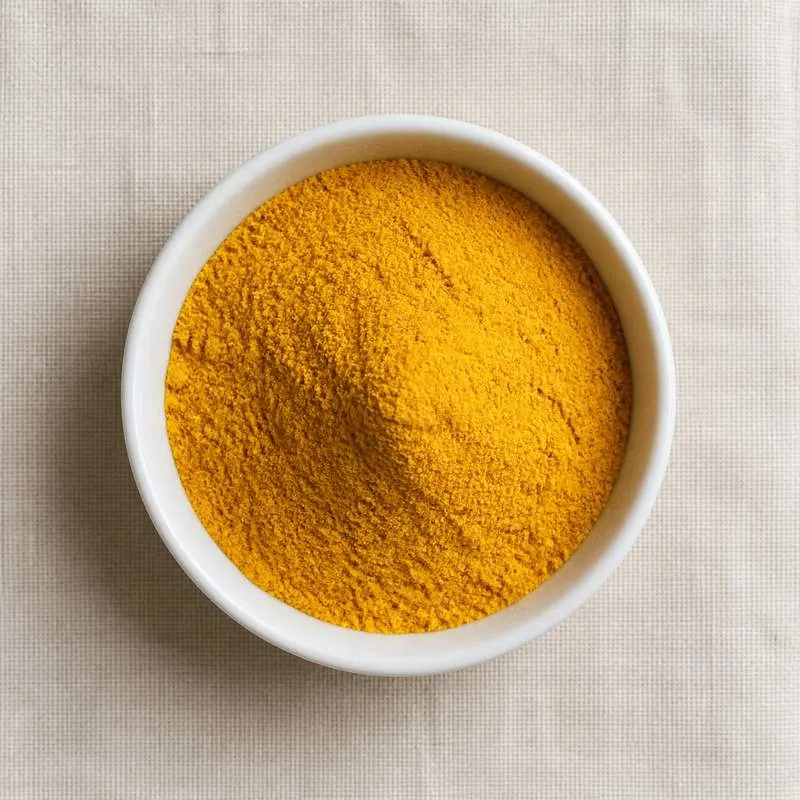
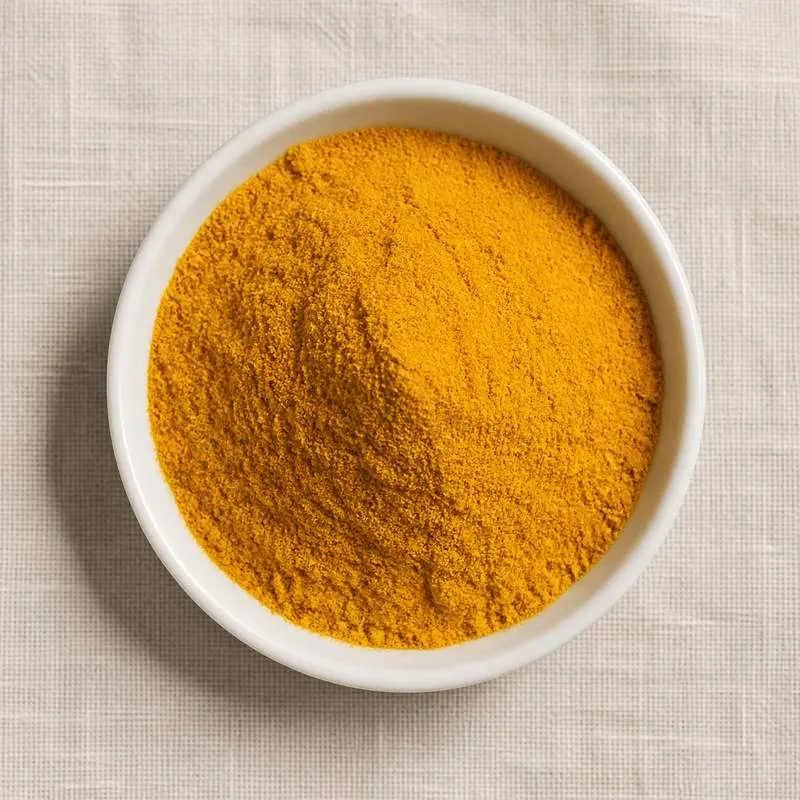
The extract is a fine powder ranging from light yellow-brown to dark brown, the colour deepening with saponin content and with the amount of chlorophyll and polyphenol carried through. Taste is sweet at first from the saponins and residual sugars, then distinctly bitter, and a leafy green odour persists in the lower grades.
Gypenosides are surface active, so aqueous solutions foam readily and the powder disperses to a hazy rather than clear solution. Solubility improves in dilute ethanol and in warm water. The saponins are stable in dry storage and through normal beverage pasteurisation, but prolonged heating at low pH slowly hydrolyses the sugar chains and shifts the profile toward the less polar secondary saponins.
We source bulk Gynostemma Extract from top China manufacturers for our partners. The manufacturer is in Guangdong. A smaller requirement can ship in a combined container with other ingredients.
Please send the grade you need, the volume and your destination port, and we will come back with a solution and a price.
or call +86-21-6858 0751
- Function
- Plant extract
Specifications
| Item | Specification |
|---|---|
| Appearance | Fine yellow-brown to brown powder |
| Odour and Taste | Slight leafy odour, sweet then bitter |
| Identification | Conforms by TLC against gypenoside reference |
| Total Gypenosides | Not less than 80.0% by UV colourimetry |
| Loss on Drying | Not more than 5.0% |
| Total Ash | Not more than 5.0% |
| pH of 1% Solution | 5.0-7.0 |
| Particle Size | 100% through 80 mesh |
| Bulk Density | 0.35-0.60 g/ml |
| Residual Ethanol | Not more than 0.5% |
| Heavy Metals | Not more than 10 mg/kg |
| Lead | Not more than 2.0 mg/kg |
| Arsenic | Not more than 1.0 mg/kg |
| Total Plate Count | Not more than 10,000 cfu/g |
| Yeast and Mould | Not more than 100 cfu/g |
| E. coli | Absent in 1 g |
| Salmonella | Absent in 25 g |
Common Markets Grades
Grades are stated as gypenoside content and run from 20 percent up through 50, 80 and 98 percent. The figure is usually determined by a UV colourimetric total saponin method calibrated against a ginsenoside or gypenoside standard rather than by HPLC, which is why 98 percent grades exist at all; a genuinely 98 percent pure single saponin would be a very different and far more expensive material. Buyers comparing two lots should confirm the method before treating the numbers as equivalent, and a specification quoting HPLC for named gypenosides will give a much lower figure for the same powder.
Below the standardised grades sit ratio extracts at 4:1 and 10:1, and plain milled leaf powder used for tea bags and capsules. Physical options include 80 mesh standard powder, fine grades for tablets, granulated instant grades for sachets, and water soluble versions carried on maltodextrin. Cut and sifted dried herb is traded separately for the tea market. Organic certified lots from cultivated vine are common, since the plant is grown as a crop rather than wild collected in most producing areas.
Applications
- Adaptogen and vitality supplements in capsule and tablet form, dosed against a declared gypenoside content
- Metabolic and cholesterol support formulas, combined with berberine, red yeast rice or plant sterols
- Jiaogulan herbal teas and tea bags, the traditional format in which the herb is consumed in southern China
- Instant beverage granules and sachets, using water soluble grades that clear in hot water
- Herbal tonic drinks and wellness shots, formulated at low inclusion so the bitterness stays in the background
- Sports and endurance blends, combined with rhodiola, cordyceps and ginseng extracts
- Traditional Chinese compound formulas, used as a lower cost partner or substitute for ginseng in tonic preparations
- Weight management products, where the saponin fraction supports the label positioning
- Cosmetic and scalp care formulations, where gypenoside fractions are used in anti-ageing and soothing claims
- Pet supplements marketed for metabolic and vitality support in companion animals
Brands Using Gynostemma Extract
Widely-distributed consumer products that list Gynostemma Extract on the ingredient label.
- NutricostJiaogulan Extract Capsules ↗Capsules providing 500 mg of a 20 to 1 jiaogulan extract, the common name for Gynostemma pentaphyllum.Label verified 2026-08-31
- Paradise HerbsJiaogulan ↗A concentrated jiaogulan extract capsule, jiaogulan being the common name for Gynostemma pentaphyllum.Label verified 2026-08-31
- CodeageCentenarian 100 ↗The longevity formula includes standardised gynostemma alongside fisetin, resveratrol, olive leaf and pomegranate.Label verified 2026-08-31
Brand names, product names and logos are the property of their owners. They appear here as published evidence that the ingredient is used, taken from the brand's own label or website. Their appearance is not an endorsement, and it does not mean the brand buys from us or from any manufacturer listed on this site.
China Manufacturers of Gynostemma Extract
Top Gynostemma Extract manufacturers in China.

Company names and logos are the property of the manufacturers themselves. They are listed here because our own directory records them as producing this ingredient. A listing is not an endorsement by them, and we do not represent them or speak on their behalf.
Regulatory Status
In the United States Gynostemma pentaphyllum is used as a dietary ingredient under DSHEA, with a marketing history predating 1994 that covers conventional leaf preparations and hydroalcoholic extracts. Highly enriched saponin fractions sit less comfortably within that history and a manufacturer should consider whether a new dietary ingredient notification is needed. Use in a conventional food or beverage rather than a supplement rests on a GRAS conclusion for the specific preparation and use level. Claims are limited to structure and function statements with the standard disclaimer.
In the European Union gynostemma is a food ingredient rather than a food additive and has no E number. Its status turns on history of consumption before May 1997, and the herb has been sold as a tea in parts of the EU, but concentrated gypenoside preparations are more likely to be treated as novel foods requiring authorisation under the Novel Food Regulation. Supplement use is further governed by national botanical rules, which differ between member states. No health claim for gynostemma appears on the EU authorised list. Residual extraction solvent must meet the limits set for solvents used in food production. Codex has no commodity standard for this material, so trade specifications are contractual.
Manufacturing Process
The aerial parts, principally leaf and tender stem, are harvested from cultivated vine, wilted and dried in hot air to a low moisture level, then cleaned of woody stem and foreign matter and milled to a coarse powder. The mill feed is extracted with aqueous ethanol, typically 50 to 70 percent, over several passes at 60 to 80 degrees Celsius. That solvent strength is chosen deliberately: water alone leaves much of the saponin fraction behind with the chlorophyll and wax, while high strength ethanol pulls excessive pigment. The miscella is separated from the marc on a filter press and clarified.
Ethanol is recovered in a vacuum evaporator and the aqueous residue is loaded onto a macroporous adsorption resin, which retains the saponins while water washing carries away sugars, salts, amino acids and much of the polyphenol load. A graded ethanol elution then releases the gypenoside fraction, and the strength of that elution together with the resin type is what sets the final assay. The eluate is concentrated under vacuum at a low boiling temperature, blended with carrier where the declared grade requires it, and spray dried or vacuum belt dried. The powder is milled, sieved, assayed, checked for residual solvent and packed under a foil laminate liner.