Hmb Ca
HMB calcium is the calcium salt of beta-hydroxy-beta-methylbutyric acid, normally sold as the monohydrate, and is the standard commercial form of the leucine metabolite known in the trade as HMB. The free acid is a short chain hydroxy acid formed in the body when a small fraction of dietary leucine is transaminated and then oxidised, and the calcium salt exists because the acid itself is a syrupy, hygroscopic liquid that cannot be handled as a powder.
Interest in the substance rests on its reported effect on protein turnover, specifically on slowing muscle protein breakdown rather than on driving synthesis, which is why it is formulated for older adults, for clinical populations losing lean mass and for athletes in caloric deficit rather than as a general protein supplement.
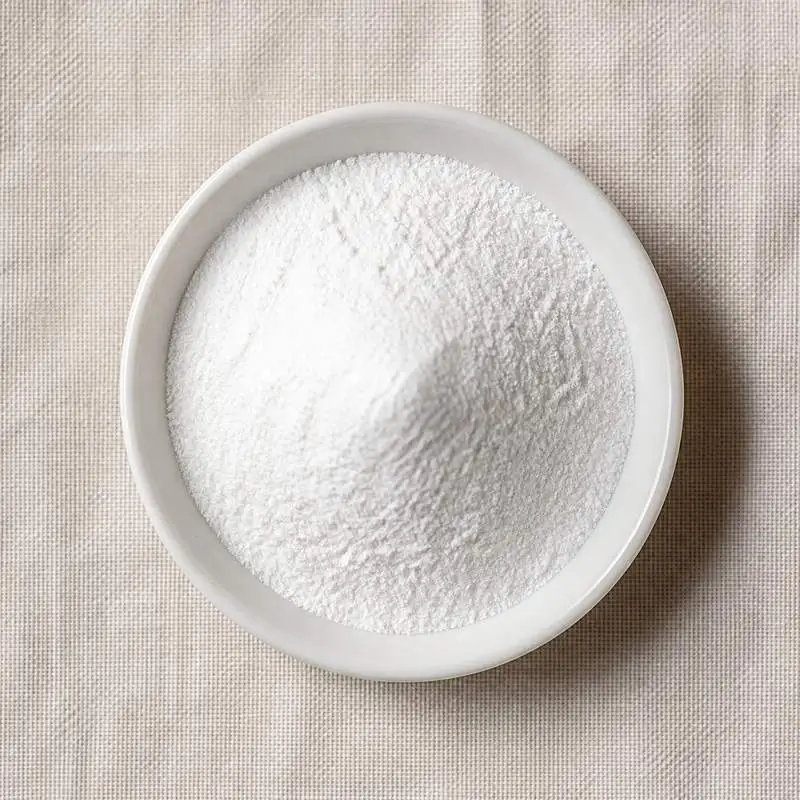
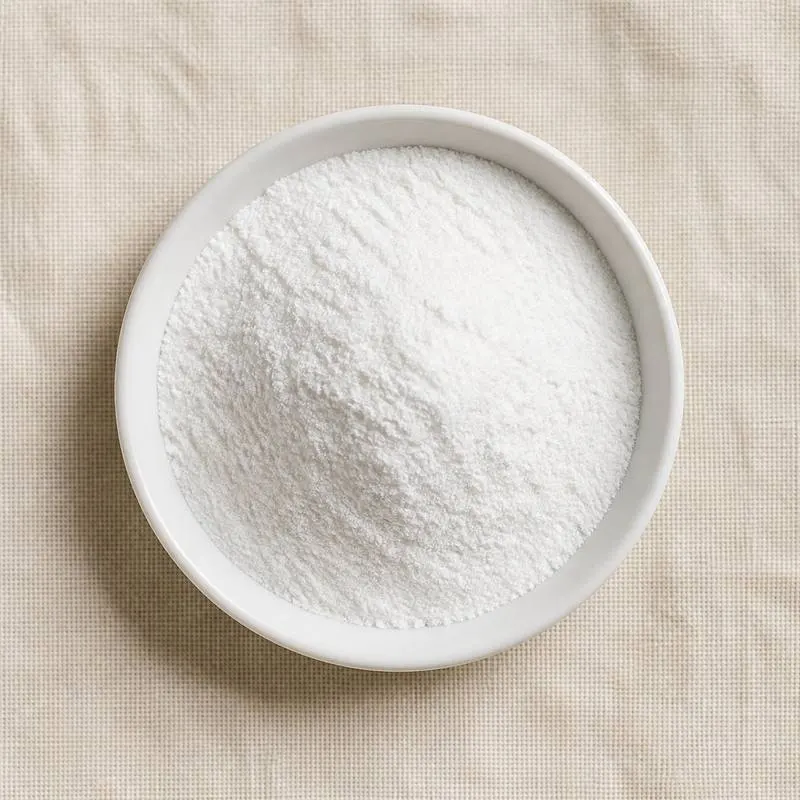
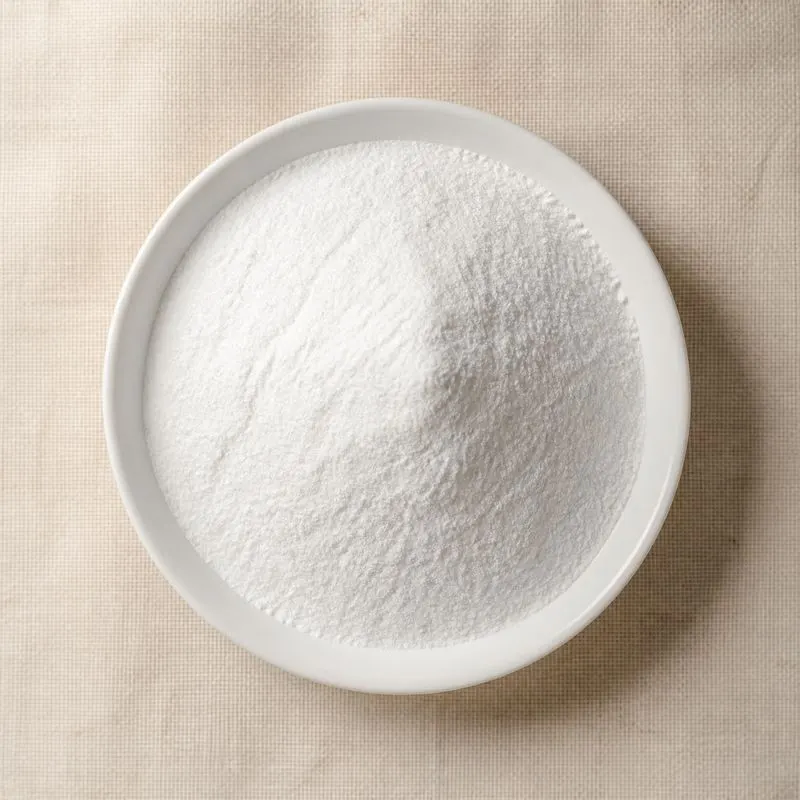
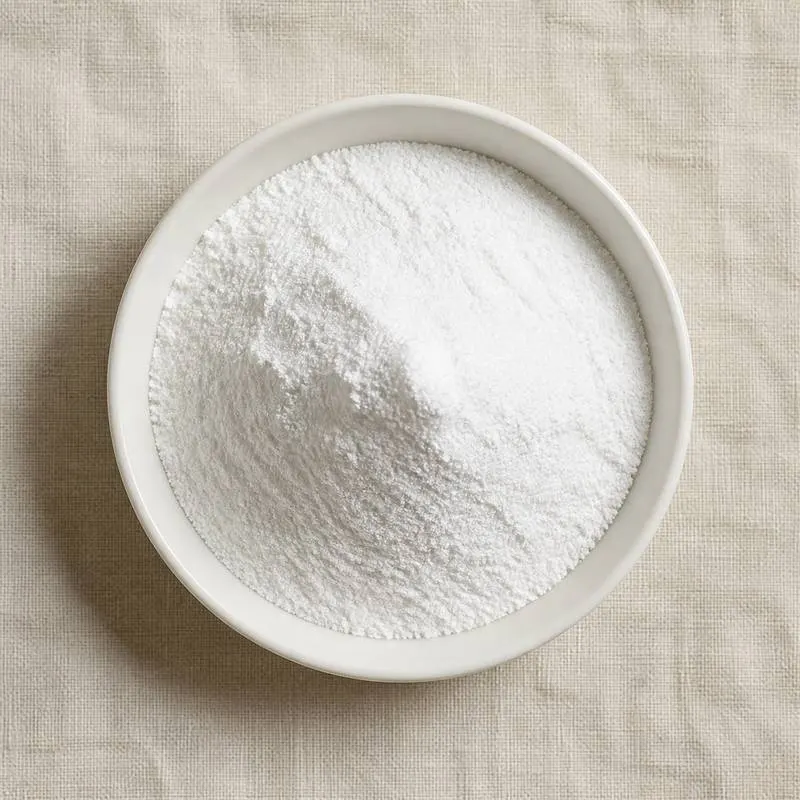
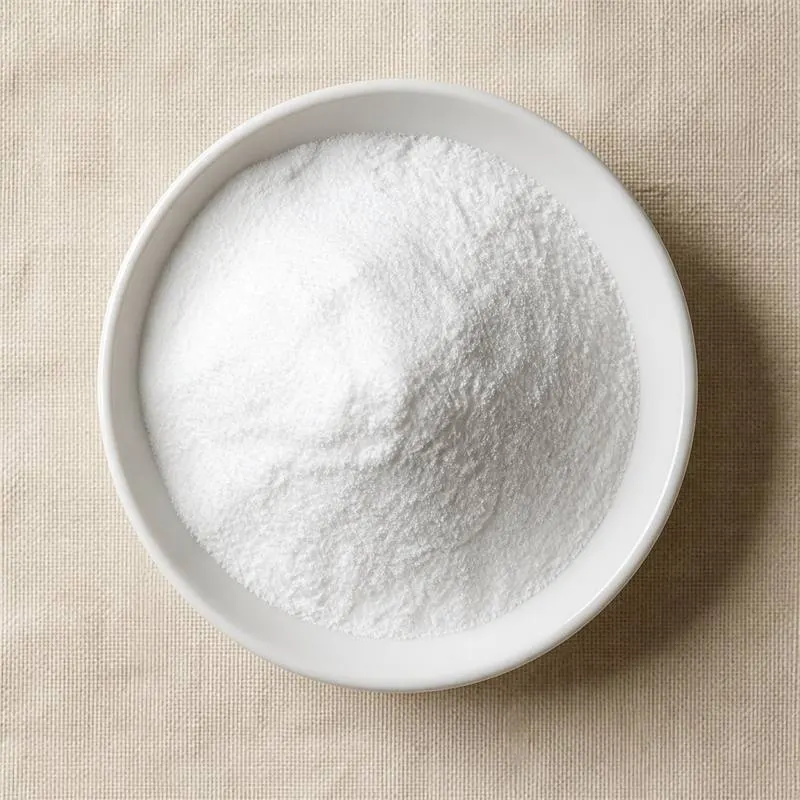
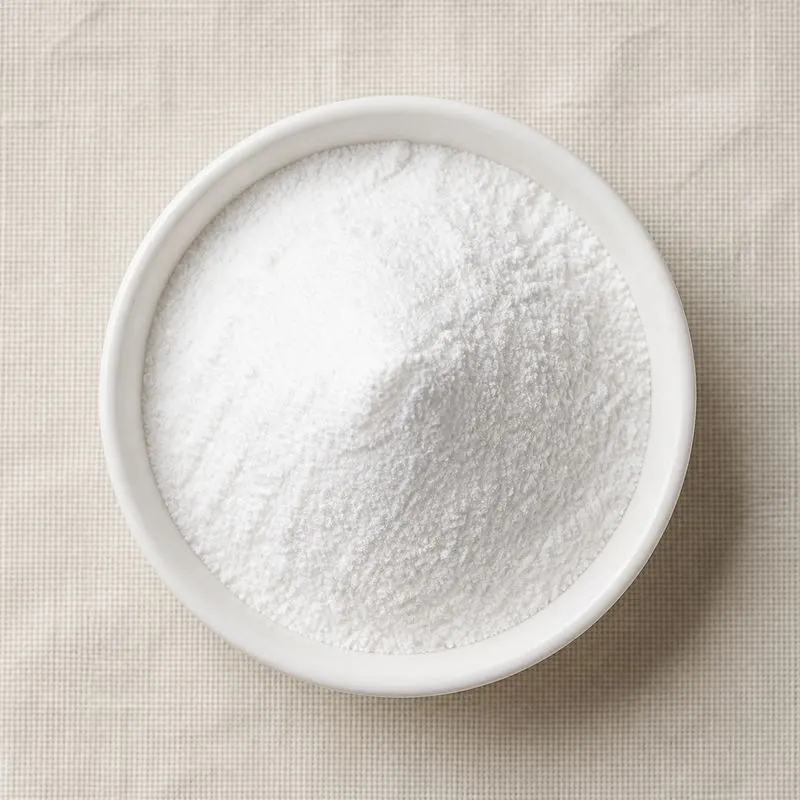
The commercial material is a white to off white crystalline powder, odourless or with a faint characteristic odour, and mildly bitter. It is freely soluble in water, giving a neutral to slightly alkaline solution, and poorly soluble in ethanol. The monohydrate is stable in dry storage but is hygroscopic enough that it cakes if exposed, so it is packed with a moisture barrier. Free acid and gel capsule presentations are also traded, but they are separate articles with different handling behaviour and a different dose basis.
We source bulk Hmb Ca from top China manufacturers for our partners. The manufacturer is in Jiangsu. A smaller requirement can ship in a combined container with other ingredients.
Please send the grade you need, the volume and your destination port, and we will come back with a solution and a price.
or call +86-21-6858 0751
- Function
- Amino acid
Specifications
| Item | Specification |
|---|---|
| Appearance | White to off white crystalline powder |
| Identification | Infrared spectrum conforms to reference; positive for calcium |
| Assay as calcium HMB monohydrate, dried basis | 96.0 to 102.0% |
| HMB content contributed | Not less than 78.0% |
| Calcium content | 13.0 to 14.5% |
| Water of crystallisation | 5.5 to 7.5% |
| pH, 5% aqueous solution | 6.5 to 8.5 |
| Residue on ignition | Not more than 0.5% above theoretical |
| Related substances, total | Not more than 1.0% |
| Manganese, as Mn | Not more than 10 mg/kg |
| Lead, as Pb | Not more than 1 mg/kg |
| Arsenic, as As | Not more than 1 mg/kg |
| Total plate count | Not more than 1,000 cfu/g |
| Salmonella | Absent in 25 g |
Common Markets Grades
The calcium monohydrate is the dominant article and is specified at an assay of around 96 to 102 percent on the dried basis, with the calcium content and the water of crystallisation both declared. Because the finished label declares HMB rather than the salt, the certificate is read for the HMB content contributed, which is roughly four fifths of the salt weight, and dosing is calculated on that basis rather than on the weight of powder.
Physical grades are fine powder for capsule filling and sachets, and granulated or agglomerated grades for tabletting and for reduced dust on a filling line, since the fine powder is light and picks up static. The free acid form, available as a viscous liquid or in softgel capsules, is traded as a distinct product on the argument that it is absorbed faster, and it cannot be substituted for the calcium salt on a weight for weight basis. Potassium and sodium salts are made in smaller volumes where calcium load or taste is a constraint. Pharmaceutical and clinical nutrition grades carry tighter microbiological and heavy metal limits than general supplement grade.
Applications
- Clinical and medical nutrition for sarcopenia and disease related muscle wasting, usually combined with vitamin D and a protein source
- Oral nutritional supplements for older adults, where preservation of lean mass is the formulation objective
- Surgical recovery and rehabilitation nutrition, where periods of bed rest accelerate muscle loss
- Sports supplements taken during caloric restriction or high training volume, where the aim is to limit protein breakdown
- Resistance training products for untrained and returning athletes, where the response to the ingredient is largest
- Capsule and tablet supplements, using granulated grades with adequate flow and compressibility
- Meal replacement and ready to mix powders, where the neutral solubility allows addition without affecting the base
- Combination products with creatine, leucine or branched chain amino acids
- Equine and canine performance and geriatric supplements
Brands Using Hmb Ca
Widely-distributed consumer products that list Hmb Ca on the ingredient label.
- NutricostHMB Capsules 500 mg ↗Single-ingredient capsules supplying 500 mg of HMB each, 1000 mg per two-capsule serving.Label verified 2026-08-31
- Double Wood SupplementsHMB Supplement ↗Double Wood sells HMB, beta-hydroxy beta-methylbutyric acid, as a standalone capsule described as a leucine metabolite.Label verified 2026-08-31
- Transparent LabsCreatine HMB ↗A creatine monohydrate powder that pairs each serving with HMB for muscle support during training.Label verified 2026-08-31
- CodeageCreatine HMB ↗Sports powder combining 5000 mg creatine monohydrate with taurine, myHMB brand HMB and vitamin D3.Label verified 2026-08-31
Brand names, product names and logos are the property of their owners. They appear here as published evidence that the ingredient is used, taken from the brand's own label or website. Their appearance is not an endorsement, and it does not mean the brand buys from us or from any manufacturer listed on this site.
China Manufacturers of Hmb Ca
Top Hmb Ca manufacturers in China.

Company names and logos are the property of the manufacturers themselves. They are listed here because our own directory records them as producing this ingredient. A listing is not an endorsement by them, and we do not represent them or speak on their behalf.
Regulatory Status
In the United States HMB calcium is a dietary ingredient marketed in food supplements under the Dietary Supplement Health and Education Act, and its use in conventional foods and in medical nutrition products rests on generally recognised as safe determinations for the calcium salt, notices for which have been submitted to the Food and Drug Administration and reviewed without objection for defined categories and use levels. It has no food additive citation of its own. Labels declare the HMB contributed by the salt, and claims are limited to structure and function statements.
In the European Union the substance is not an authorised food additive and carries no E number. It is used in food supplements in a number of member states, and its treatment depends on national rules for substances with a nutritional or physiological effect together with the novel food question under Regulation (EU) 2015/2283, where the position depends on demonstrated consumption within the Union before the novel food cut off date. Where the material is used in food for special medical purposes, Regulation (EU) No 609/2013 and the delegated acts made under it apply, and health claims for the substance would require authorisation under Regulation (EC) No 1924/2006. Neither Codex nor JECFA has established specifications for the substance.
Manufacturing Process
Manufacture is a chemical synthesis rather than a fermentation. The usual starting material is diacetone alcohol, which is itself made by the base catalysed aldol condensation of acetone. Diacetone alcohol is oxidised, classically with an alkaline permanganate or hypochlorite oxidant, which cleaves the molecule and converts the terminal methyl ketone to a carboxyl group, giving beta-hydroxy-beta-methylbutyric acid while leaving the tertiary hydroxyl intact. The oxidation is run under close temperature and pH control, since over-oxidation degrades the product and under-oxidation leaves unreacted starting material that has to be removed later.
The reaction mass is filtered to remove the manganese dioxide or other spent oxidant residue, and the filtrate is acidified to release the free acid, which is extracted into an organic solvent and stripped. The recovered acid is then neutralised with calcium hydroxide or calcium carbonate in purified water at a controlled pH to form the calcium salt, which is polish filtered, decolourised over activated carbon where colour bodies remain, and concentrated under vacuum. Crystallisation is carried out by cooling under conditions that give the monohydrate rather than the anhydrous salt, the crystals are separated in a centrifuge, washed and dried in a fluid bed at a temperature low enough to retain the water of crystallisation. The dried salt is milled or granulated to the target cut, sieved, passed through a metal detector and packed under low humidity.