Creatine
Creatine is a nitrogenous organic acid (C₄H₉N₃O₂, CAS 57-00-1) that functions as a phosphagen, buffering cellular ATP supply in skeletal muscle, brain tissue, and other high-turnover cell types.
In commerce the free base is rarely sold by itself. It is almost always sold as a hydrated or salt form, with creatine monohydrate as the overwhelming default. The anhydrous free-base material is reserved for niche applications where water of crystallisation is undesirable.
We source bulk Creatine from top China manufacturers for our partners, working with several of them. The manufacturers are in Anhui, Hubei and Shandong. For this ingredient the minimum order is 500 kg and a 20-foot container takes 15.75 MT, and a smaller requirement can ship in a combined container with other ingredients.
Please send the grade you need, the volume and your destination port, and we will come back with a solution and a price.
or call +86-21-6858 0751
- Minimum order
- 500 kg
- Qty in 20' FCL
- 15.75 MT
- Packaging
- 25 kg kraft paper bag with PE inner liner
- ISO 9001
- HACCP
- Halal
- Kosher
Specifications
| Item | Specification |
|---|---|
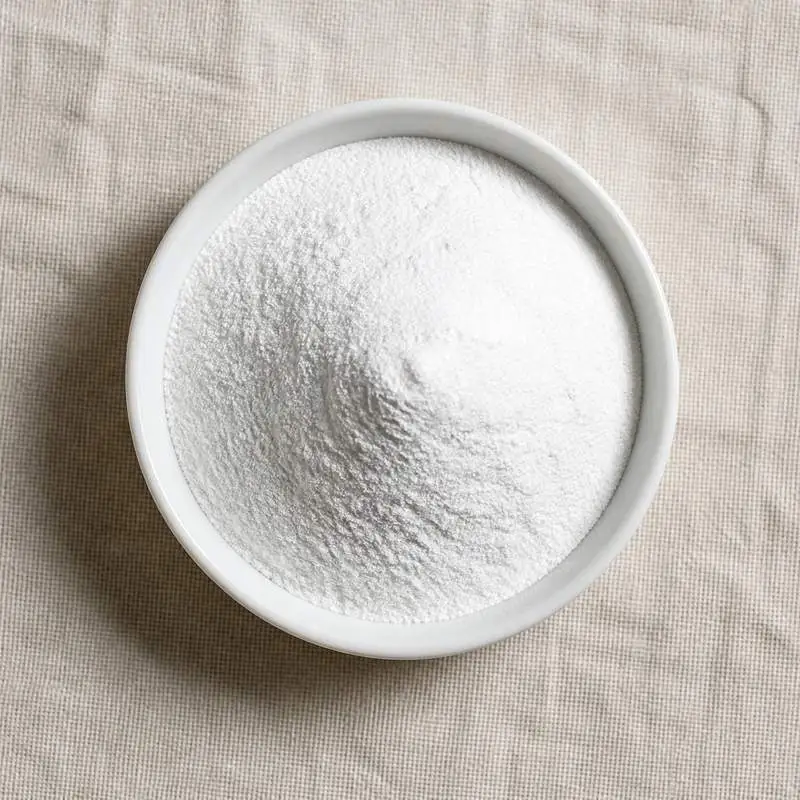
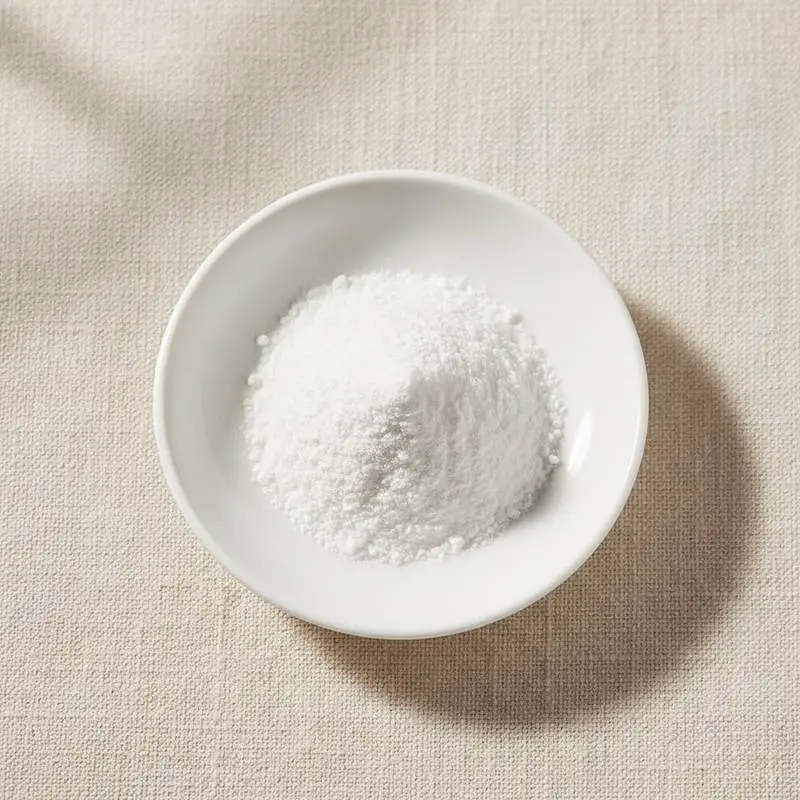
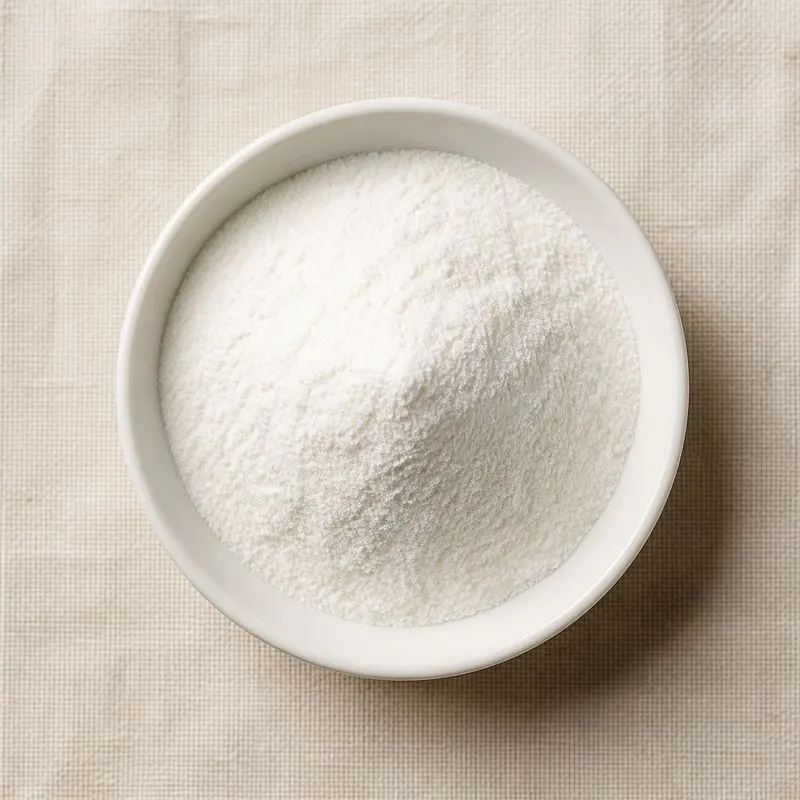
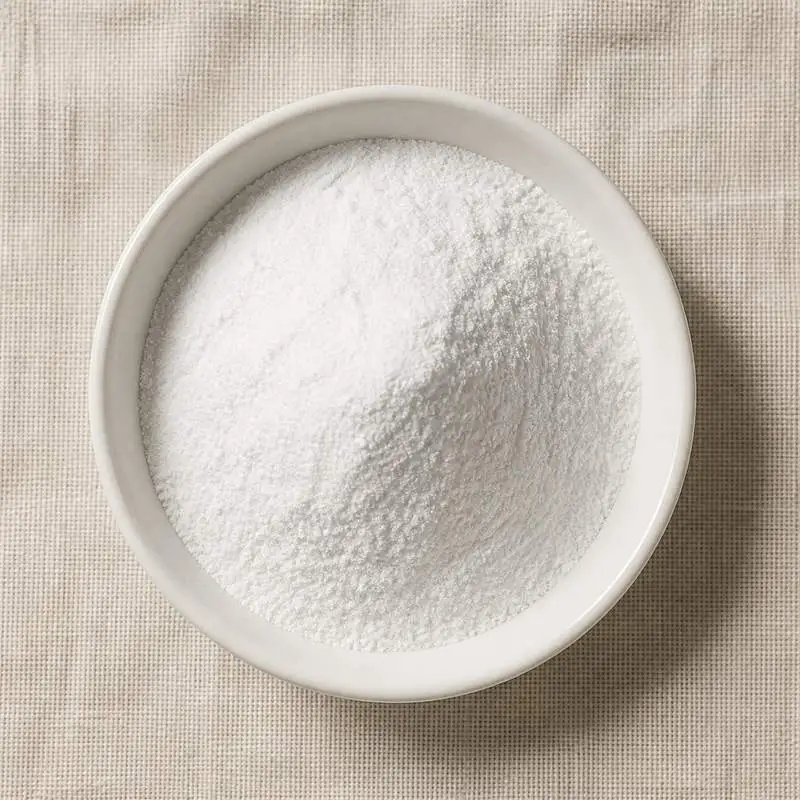
| Appearance | White crystalline powder |
| Odour | Odourless |
| Identification (IR) | Conforms |
| Assay (dried basis) | ≥ 99.5% |
| Creatinine | ≤ 100 ppm |
| Dicyandiamide | ≤ 50 ppm |
| Dihydrotriazine | Not detected |
| Loss on Drying (105°C, 4 h) | ≤ 12.5% |
| pH (1% suspension) | 6.5 - 8.0 |
| Sulphated Ash | ≤ 0.10% |
| Particle Size | ≥ 98% through 60 mesh |
| Heavy Metals (as Pb) | ≤ 10 mg/kg |
| Arsenic (as As) | ≤ 1 mg/kg |
| Total Plate Count | ≤ 1,000 cfu/g |
| Salmonella | Negative/25g |
Common Markets Grades
Creatine grades are defined by counter-ion or hydrate state rather than by purity tier.
Anhydrous creatine free base assays at 99 percent minimum and carries a theoretical creatine content of 100 percent on a dry basis, compared with around 88 percent for the monohydrate. It is the format of choice for stick packs, effervescent tablets, and ready-to-drink concentrates where mass efficiency matters.
Pharmaceutical-grade material conforms to USP or Ph. Eur. monograph limits on creatinine, dicyandiamide, and heavy metals. Micronized variants with mean particle size below 20 microns are produced for improved suspension in cold liquids.
Specialty salts including creatine hydrochloride, creatine citrate, creatine pyruvate, creatine magnesium chelate, and creatine ethyl ester serve formulators looking for higher solubility, buffered pH, or proprietary positioning.
Applications
- Sports nutrition powders, capsules, and ready-to-mix sticks for strength and power output
- Pre-workout and intra-workout formulas blended with beta-alanine, citrulline, and electrolytes
- Recovery beverages targeting muscle glycogen replenishment
- Clinical nutrition for sarcopenia, frailty, and rehabilitation diets
- Cognitive and nootropic stacks aimed at brain energetics and mental fatigue
- Vegetarian and vegan supplements where dietary creatine intake from meat is absent
- Pediatric and rare-disease medical foods for creatine biosynthesis disorders
- Veterinary and equine performance products for racing and working animals
- Functional food bars, gummies, and fortified protein blends
- Topical and cosmetic formulations for skin energy and barrier support
Brands Using Creatine
Widely-distributed consumer products that list Creatine on the ingredient label.
- Optimum NutritionMicronized Creatine Monohydrate Powder ↗5g micronized creatine monohydrate per serving; unflavored powder.Label verified 2026-05-24
- Optimum NutritionMicronized Creatine Capsules ↗Capsule form delivering micronized creatine monohydrate.Label verified 2026-05-24
- CellucorCOR-Performance Creatine Monohydrate Powder ↗5g micronized creatine monohydrate per serving; unflavored, zero caffeine.Label verified 2026-05-24
- MuscleTechPlatinum 100% Creatine ↗5g HPLC-tested micronized creatine monohydrate per serving; 400g unflavored container.Label verified 2026-05-24
- MuscleTechCell-Tech Creatine Monohydrate Powder ↗Creatine monohydrate combined with carbs for post-workout creatine delivery.Label verified 2026-05-24
- ThorneCreatine (90 Servings) ↗Pure micronized creatine monohydrate; NSF Certified for Sport.Label verified 2026-05-24
- ThorneCreatine Pineapple Orange ↗Flavored creatine monohydrate; NSF Certified for Sport.Label verified 2026-05-24
- NOW FoodsNOW Sports Creatine Monohydrate Powder ↗100% pure micronized creatine monohydrate, no additives.Label verified 2026-05-24
- BulkSupplementsCreatine Monohydrate Powder ↗Micronized creatine monohydrate, unflavored bulk powder.Label verified 2026-05-24
Brand names, product names and logos are the property of their owners. They appear here as published evidence that the ingredient is used, taken from the brand's own label or website. Their appearance is not an endorsement, and it does not mean the brand buys from us or from any manufacturer listed on this site.
China Manufacturers of Creatine
Top Creatine manufacturers in China.
 Anhui Omire Biotechnology Co., Ltd.4 ingredients in the directory
 Qianjiang Yongan Pharmaceutical Co., Ltd.3 ingredients in the directory
 Shandong Aobo Bio-Tech Co., Ltd.11 ingredients in the directory
Company names and logos are the property of the manufacturers themselves. They are listed here because our own directory records them as producing this ingredient. A listing is not an endorsement by them, and we do not represent them or speak on their behalf.
How We Help Source Creatine
Direct Factory Sourcing
We run the whole process: selecting the manufacturer from the top Chinese food ingredient producers, negotiating the price, verifying quality, and coordinating the logistics. You deal with us instead of with several factories at once.
Original Packaging and Documents from the Manufacturer
The manufacturer sends your Creatine out of its own factory in the original packing, through to your destination port. The COA, COO, MSDS, TDS and any certifications reach you from the manufacturer as well.
Free Samples and Lead Time
We send 100 to 500 g free for your own laboratory to test and you cover only the courier, usually within 2 to 3 working days. ETD is usually within 7 to 15 days once the order is confirmed, and we check that date against the factory's own manufacturing schedule before we give it to you.
Combined Shipment
We can load Creatine together with other ingredients such as Arachidonic Acid, Coenzyme Q10 and Chondroitin Sulphate Sodium into one 20' FCL. If your quantity is small, we can also ship LCL.
Regulatory Status
Creatine is regulated as a dietary supplement ingredient in the United States and as a food supplement in the European Union.
In the U.S. it is marketed under DSHEA without a specific monograph requirement, though USP has published a creatine monohydrate monograph that many suppliers follow voluntarily. EFSA has issued positive Article 13.1 health claims for creatine in connection with physical performance during short-term high-intensity exercise.
Health Canada lists creatine monohydrate as an approved Natural Health Product ingredient with defined dose ranges. The substance is permitted in sports food in Australia, Japan, and most of Southeast Asia.
Creatine is not on the WADA prohibited list and is freely used by athletes in competition. Kosher and Halal certifications are routinely available because the synthesis uses no animal-derived inputs.
Manufacturing Process
Industrial creatine is made by chemical synthesis from sarcosine and cyanamide.
The two precursors are reacted in aqueous medium at controlled pH and temperature to give crude creatine, which crystallises out as the monohydrate on cooling. The free base is then obtained by drying the monohydrate above 100 °C under vacuum or by recrystallisation from anhydrous solvent.
The dominant feedstock concern is residual dicyandiamide and dihydrotriazine impurities that can form when reaction stoichiometry or pH drifts. Reputable producers control these below 50 ppm and 3 ppm respectively, in line with Ph. Eur. limits.
Mainland China hosts most of the global capacity, with AlzChem in Germany operating the principal Western plant and supplying the Creapure brand.