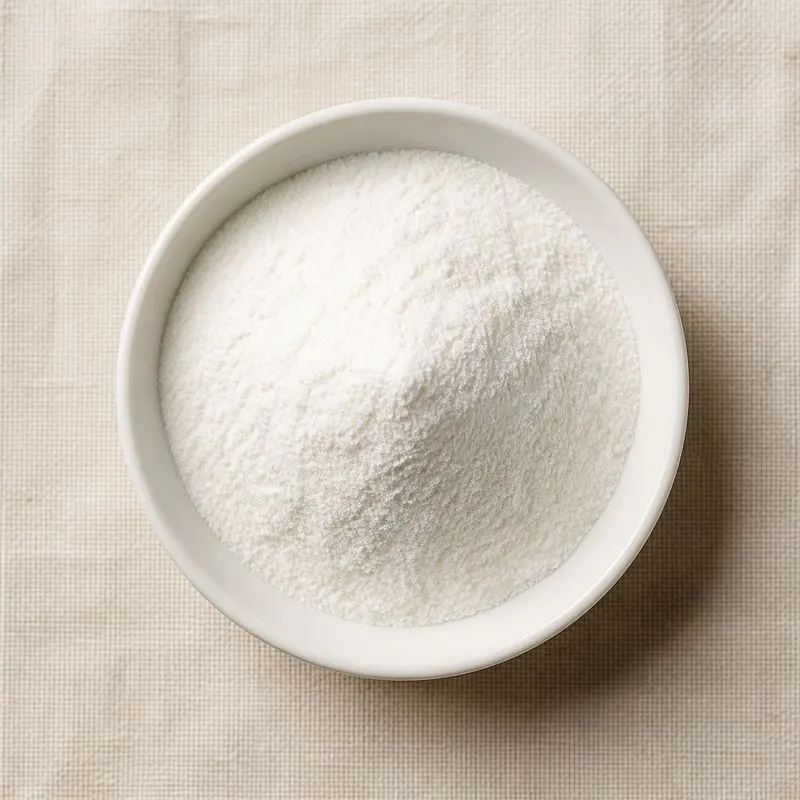
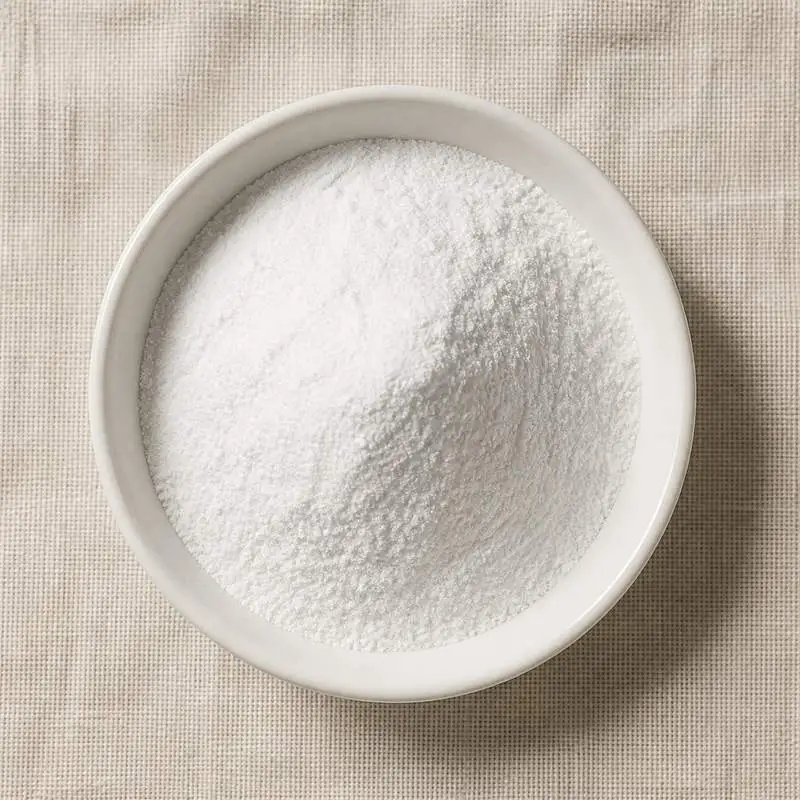
Human Milk Oligosaccharides
Human Milk Oligosaccharides (HMOs) are a family of complex non-digestible carbohydrates found at high concentration in human breast milk, where they shape the developing infant gut microbiota.
The two dominant commercial members are 2'-fucosyllactose (2'-FL, CAS 41263-94-9) and lacto-N-neotetraose (LNnT). Both are produced at industrial scale by microbial fermentation and sold to infant-formula manufacturers as structurally identical analogues of the native human-milk molecules.
We source bulk Human Milk Oligosaccharides from top China manufacturers for our partners, working with several of them. The manufacturers are in Zhejiang, Jiangsu and Shanghai. A smaller requirement can ship in a combined container with other ingredients.
Please send the grade you need, the volume and your destination port, and we will come back with a solution and a price.
or call +86-21-6858 0751
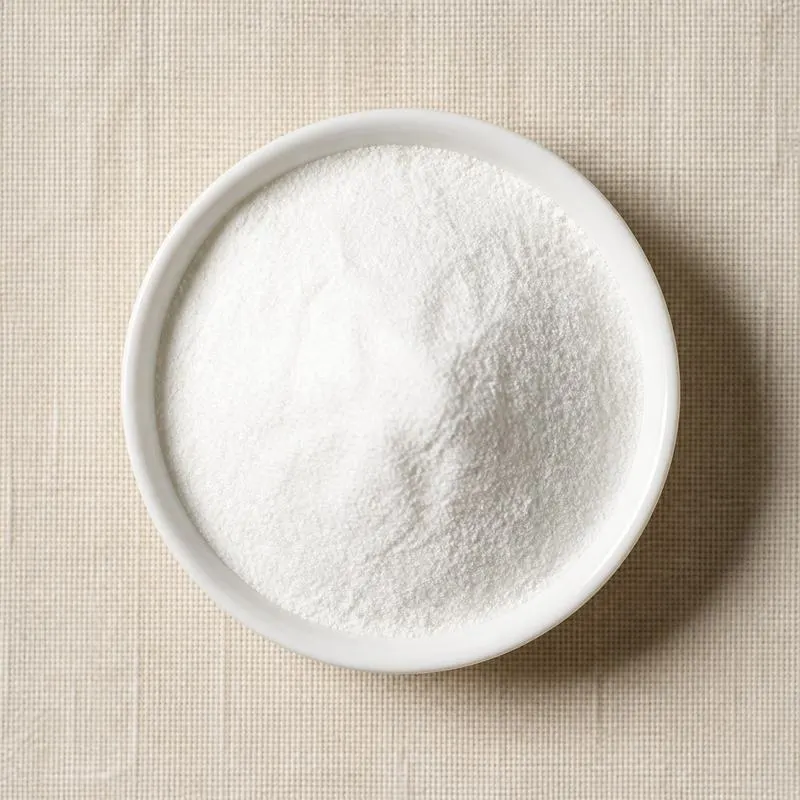
- Packaging
- 25 kg kraft paper bag with PE inner liner
- ISO 9001
- HACCP
- Halal
- Kosher
Specifications
| Item | Specification |
|---|---|
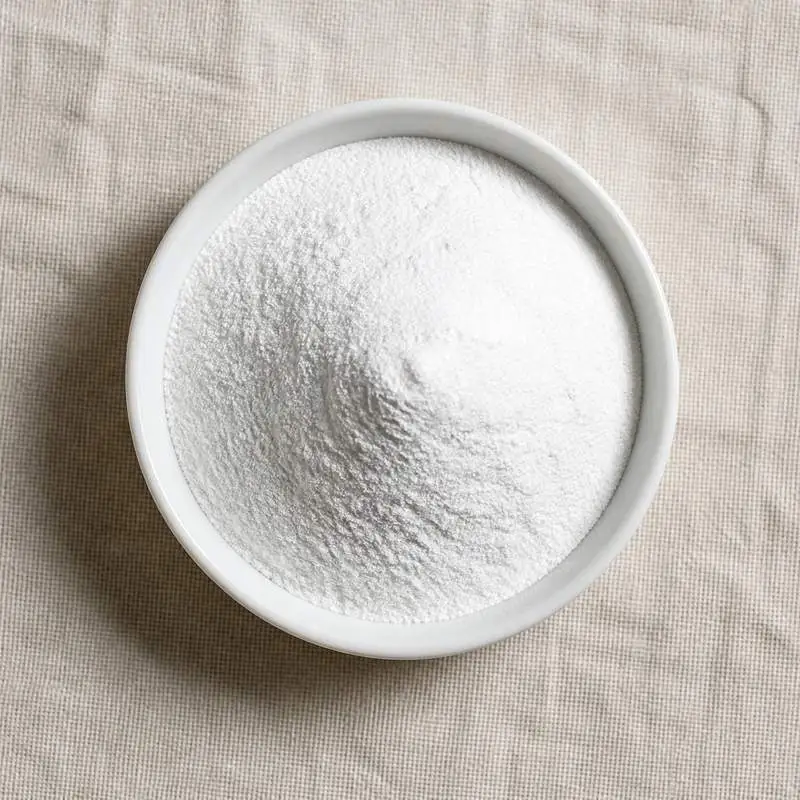
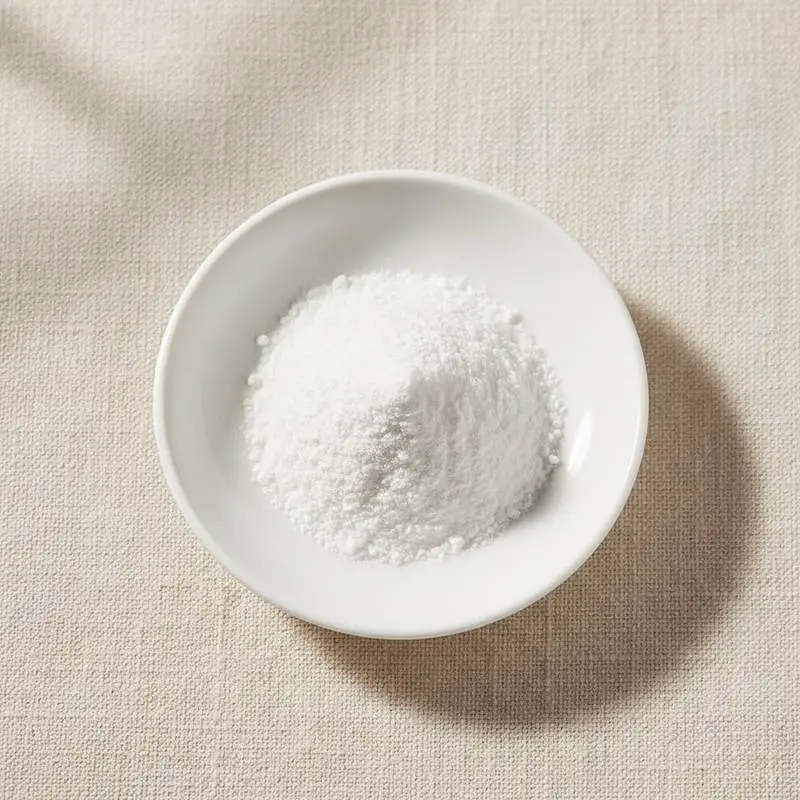
| Appearance | White to off-white powder |
| Purity (HMO) | ≥ 90% |
| Moisture | ≤ 5.0% |
| Lactose | ≤ 5.0% |
| Glucose | ≤ 3.0% |
| Heavy Metals | ≤ 1 ppm |
| Total Plate Count | ≤ 1,000 cfu/g |
| Salmonella | Negative |
Common Markets Grades
HMOs trade as single-structure ingredients and as defined blends.
2'-FL is the highest-volume grade, a free-flowing powder at 90 percent or higher purity on a dry basis. A 94 percent specification is common for premium infant formula.
LNnT carries 80 percent or higher purity, with the remainder typically lactose and minor saccharide impurities from fermentation.
Defined two-, three-, and five-HMO blends combining 2'-FL, LNnT, 3-fucosyllactose, lacto-N-tetraose, and 6'-sialyllactose are produced for formulators seeking a broader structural mix closer to native human milk.
All grades are produced with controlled microbial counts, endotoxin limits, and residual host-cell DNA limits suitable for infant-formula use.
Applications
- Infant and follow-on formula as a microbiota-shaping ingredient closer to human milk composition
- Toddler nutrition powders and growing-up milks
- Maternal nutrition products for pregnancy and lactation
- Gut-health supplements for adults focused on bifidobacteria support
- Functional yogurts and fermented dairy drinks in selected markets
- Medical nutrition products for sensitive digestive conditions
- Premature infant nutrition under clinical supervision
- Synbiotic blends combining HMOs with selected probiotic strains
- Healthy aging products positioned around gut barrier and immune crosstalk
- Research reagents for microbiome and glycobiology studies
Brands Using Human Milk Oligosaccharides
Widely-distributed consumer products that list Human Milk Oligosaccharides on the ingredient label.
- Similac (Abbott)Similac Pro-Advance Infant Formula with 2'-FL HMO ↗Similac Pro-Advance was the first U.S. infant formula to include 2'-FL human milk oligosaccharide (HMO), an immune-supporting prebiotic structurally identical to the most abundant HMO in breast milk.Label verified 2026-05-24
- Similac (Abbott)Similac 360 Total Care Infant Formula (5 HMO Blend) ↗An infant formula listing a blend of five HMOs: 2'-FL, 3-FL, 3'-SL, 6'-SL and LNT.Label verified 2026-05-24
- Enfamil (Mead Johnson)Enfamil NeuroPro Infant Formula with 2'-FL HMO ↗Enfamil NeuroPro lists 2'-Fucosyllactose (2'-FL) HMO on its ingredient panel as part of a triple prebiotic immune blend (with GOS and PDX) modeled after breast milk.Label verified 2026-05-24
- GerberGood Start GentlePro Powder Infant Formula (with 2'-FL HMO) ↗A powder infant formula that was the first in the U.S. to combine 2'-FL HMO with the probiotic B. lactis.Label verified 2026-05-24
Brand names, product names and logos are the property of their owners. They appear here as published evidence that the ingredient is used, taken from the brand's own label or website. Their appearance is not an endorsement, and it does not mean the brand buys from us or from any manufacturer listed on this site.
China Manufacturers of Human Milk Oligosaccharides
Top Human Milk Oligosaccharides manufacturers in China.
 Hangzhou Xinfu Science & Technology Co., Ltd.3 ingredients in the directory
 Suzhou Yixi Biotech Co., Ltd.1 ingredient in the directory
 Synaura Biotechnology (Shanghai) Co., Ltd.1 ingredient in the directory
Company names and logos are the property of the manufacturers themselves. They are listed here because our own directory records them as producing this ingredient. A listing is not an endorsement by them, and we do not represent them or speak on their behalf.
How We Help Source Human Milk Oligosaccharides
Direct Factory Sourcing
We run the whole process: selecting the manufacturer from the top Chinese food ingredient producers, negotiating the price, verifying quality, and coordinating the logistics. You deal with us instead of with several factories at once.
Original Packaging and Documents from the Manufacturer
The manufacturer sends your Human Milk Oligosaccharides out of its own factory in the original packing, through to your destination port. The COA, COO, MSDS, TDS and any certifications reach you from the manufacturer as well.
Free Samples and Lead Time
We send 100 to 500 g free for your own laboratory to test and you cover only the courier, usually within 2 to 3 working days. ETD is usually within 7 to 15 days once the order is confirmed, and we check that date against the factory's own manufacturing schedule before we give it to you.
Combined Shipment
We can load Human Milk Oligosaccharides together with other ingredients such as Arachidonic Acid, Coenzyme Q10 and Chondroitin Sulphate Sodium into one 20' FCL. If your quantity is small, we can also ship LCL.
Regulatory Status
2'-FL was authorised as a novel food in the European Union in 2015 for use in infant formula, follow-on formula, food supplements, and a defined list of other categories. LNnT received parallel authorisation. Subsequent applications added 3-FL, LNT, and 6'-SL.
In the United States, both 2'-FL and LNnT have GRAS status under multiple GRAS Notices for use in infant formula and general food applications.
The Codex Alimentarius standard for infant formula now recognises HMOs as a permitted optional ingredient, and the FAO/WHO Expert Committee has reviewed safety data on the major structures.
Several Asian markets including Singapore, Korea, and Australia have approved 2'-FL and LNnT for infant formula use under their local novel-food or nutrition frameworks.
Halal and Kosher certifications exist when the fermentation media and processing aids qualify.
Manufacturing Process
Commercial HMOs are produced by precision fermentation using engineered microbial strains, most commonly Escherichia coli K-12 derivatives.
The host strain carries plasmid or chromosomal copies of the relevant glycosyltransferase genes plus modifications to the central sugar metabolism that route carbon toward the target oligosaccharide. For 2'-FL, fucosyltransferase activity is paired with an enhanced GDP-fucose supply. For LNnT, a galactosyltransferase plus N-acetylglucosaminyltransferase route is used.
The strain is grown on a defined glucose and lactose feed in stirred-tank fermenters. The target HMO accumulates in the broth, with lactose acting as the acceptor substrate.
Downstream processing removes cells by centrifugation and filtration, then applies activated carbon, ion exchange, and nanofiltration to remove salts, colour, and low-molecular-weight impurities. The purified solution is concentrated, sterile-filtered, and spray-dried to yield the final powder.
Tight controls on residual DNA, residual protein, and absence of viable production organisms apply throughout, reflecting the infant-formula end use.