Hydroxylated Lecithin
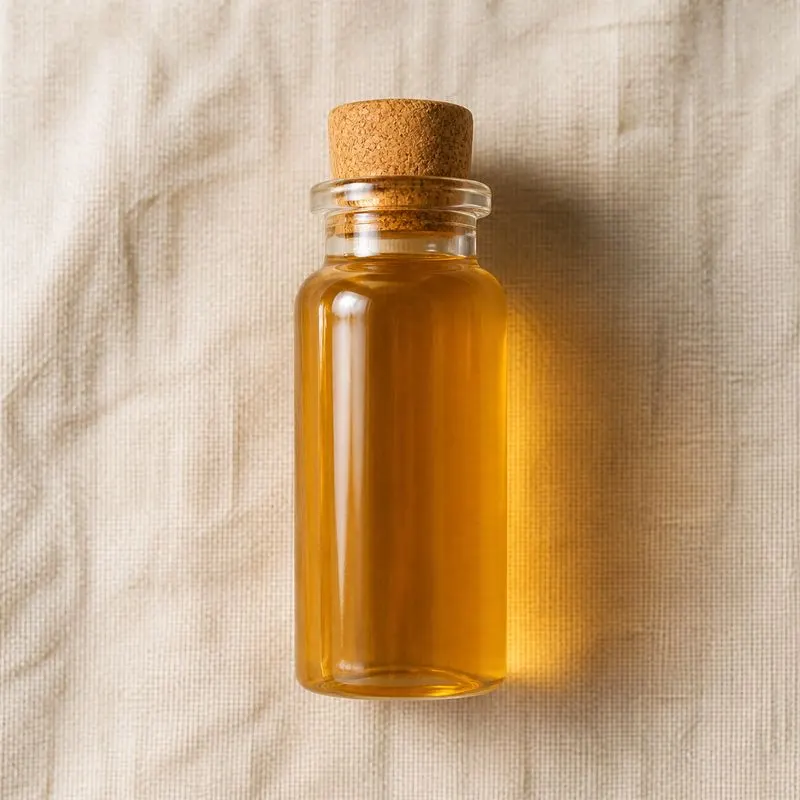
Hydroxylated Lecithin is a modified phospholipid emulsifier in which hydroxyl groups have been added across the unsaturated fatty acid chains of native lecithin. The treatment shifts the molecule toward greater water dispersibility while preserving the underlying glycerol-phosphate backbone.
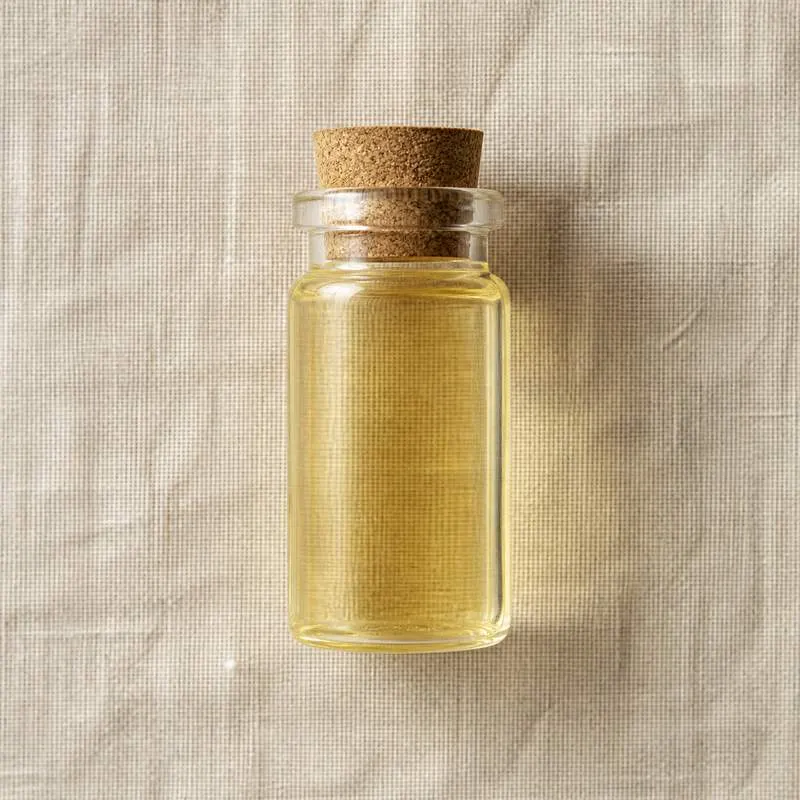
The product carries the European food additive number E322 within the broader lecithin class and is listed separately by the United States Food and Drug Administration. The material is produced most commonly as a fluid amber liquid from a soy starting material.
We source bulk Hydroxylated Lecithin from top China manufacturers for our partners. The manufacturers are in Beijing and Hebei. A smaller requirement can ship in a combined container with other ingredients.
Please send the grade you need, the volume and your destination port, and we will come back with a solution and a price.
or call +86-21-6858 0751
- Packaging
- 250 kg plastic drum or 1,000 kg IBC tote
- ISO 9001
- HACCP
- Halal
- Kosher
Specifications
| Item | Specification |
|---|---|
| Appearance | Pale yellow to amber viscous liquid or plastic |
| Acetone-insoluble content | ≥ 62.0% (standard) or ≥ 65.0% (high-functional) |
| Acid value | ≤ 36.0 mg KOH/g |
| Peroxide value | ≤ 10 meq/kg |
| Hydroxyl value | 10 to 40 mg KOH/g |
| Moisture | ≤ 1.5% |
| Hexane insoluble matter | ≤ 0.3% |
| Heavy metals (as Pb) | ≤ 5 mg/kg |
| Arsenic | ≤ 2 mg/kg |
| Microbiological | Total plate count ≤ 10000 cfu/g, pathogens negative |
Common Markets Grades
Hydroxylated Lecithin is graded by degree of hydroxylation, acid value, and viscosity.
Standard food grades carry hydroxyl numbers between 40 and 80 milligrams of potassium hydroxide per gram and serve general bakery, beverage, and release applications. Higher hydroxyl grades with values above 100 are produced for instant beverage and protein powder use where rapid cold-water dispersibility is required.
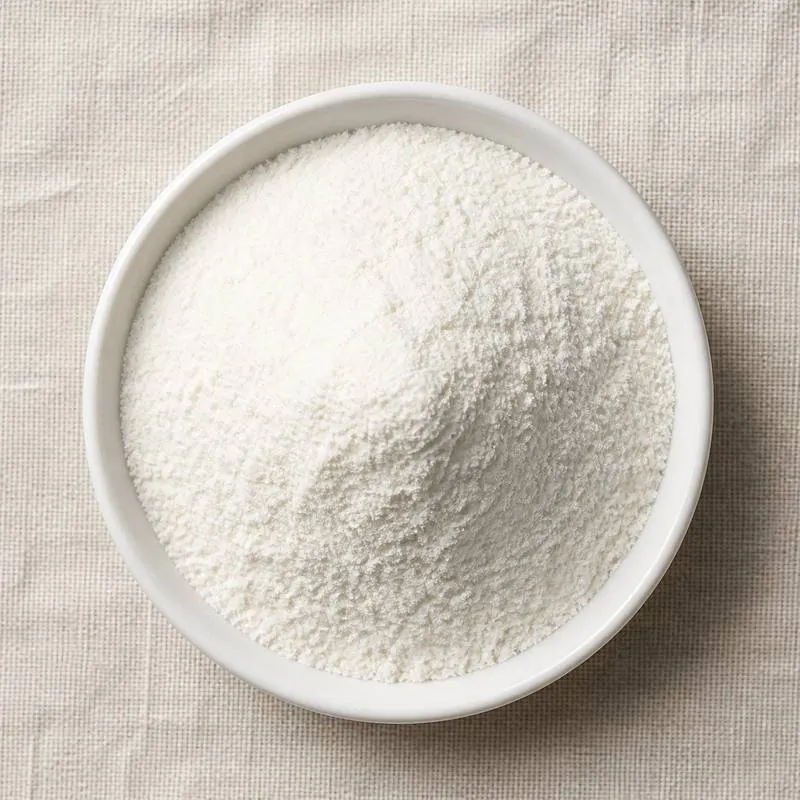
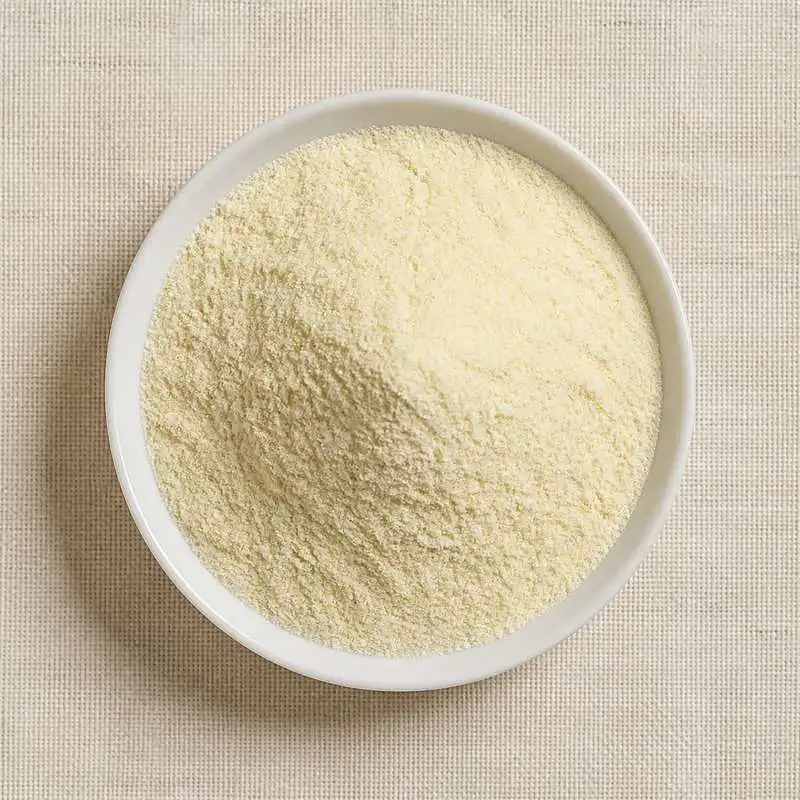
Fluid grades remain the dominant format, with viscosity tuned between 5,000 and 15,000 centipoise at 25 degrees Celsius. Spray-dried powder grades on carbohydrate carriers are produced for dry blend applications.
Sunflower-source hydroxylated lecithin is produced for allergen-free and non-GMO segments alongside the standard soy version.
Applications
- Bakery pan release sprays and oil-and-water emulsion release agents
- Instant cocoa, malt, and protein beverage powders
- Cold-water dispersible flavour emulsions
- Salad dressings, mayonnaise, and acid-system sauces
- Bread, cake, and pastry doughs for crumb softening
- Margarine and spread formulations needing improved water binding
- Vitamin and nutrient delivery emulsions
- Ice cream and frozen dessert systems
- Plant-based dairy alternatives such as oat and soy milk
- Cosmetic skincare emulsions with high water phase
- Pharmaceutical creams and topical emulsions
- Animal feed pellets and aquaculture diets
Brands Using Hydroxylated Lecithin
Widely-distributed consumer products that list Hydroxylated Lecithin on the ingredient label.
- Ranch StyleOriginal Style Beans ↗Ingredients: 'Prepared Pinto Beans (Water, Pinto Beans), Water, Tomato Puree (Water, Tomato Paste), Less Than 2% of: Canola Oil, Salt, Sugar, Spices, Hydroxylated Soy Lecithin, Onion Powder, Distilled Vinegar, Garlic Powder, Oleoresin Paprika, Natural Flavor.'Label verified 2026-05-24
- Ranch StyleReal Western Flavor Beans ↗SmartLabel page lists 'Hydroxylated Soy Lecithin' in the ingredients of Ranch Style Real Western Flavor Beans.Label verified 2026-05-24
Brand names, product names and logos are the property of their owners. They appear here as published evidence that the ingredient is used, taken from the brand's own label or website. Their appearance is not an endorsement, and it does not mean the brand buys from us or from any manufacturer listed on this site.
China Manufacturers of Hydroxylated Lecithin
Top Hydroxylated Lecithin manufacturers in China.
 Beijing Chinaholder Biotech Co., Ltd.7 ingredients in the directory
- Hebei Desong Biotech Co., Ltd.6 ingredients in the directory
Company names and logos are the property of the manufacturers themselves. They are listed here because our own directory records them as producing this ingredient. A listing is not an endorsement by them, and we do not represent them or speak on their behalf.
How We Help Source Hydroxylated Lecithin
Direct Factory Sourcing
We run the whole process: selecting the manufacturer from the top Chinese food ingredient producers, negotiating the price, verifying quality, and coordinating the logistics. You deal with us instead of with several factories at once.
Original Packaging and Documents from the Manufacturer
The manufacturer sends your Hydroxylated Lecithin out of its own factory in the original packing, through to your destination port. The COA, COO, MSDS, TDS and any certifications reach you from the manufacturer as well.
Free Samples and Lead Time
We send 100 to 500 g free for your own laboratory to test and you cover only the courier, usually within 2 to 3 working days. ETD is usually within 7 to 15 days once the order is confirmed, and we check that date against the factory's own manufacturing schedule before we give it to you.
Combined Shipment
We can load Hydroxylated Lecithin together with other ingredients such as Polyglycerol Esters of Fatty Acids, Non-Dairy Creamer and Mono- and Diglycerides of Fatty Acids into one 20' FCL. If your quantity is small, we can also ship LCL.
Regulatory Status
The United States Food and Drug Administration lists Hydroxylated Lecithin as a food additive under 21 CFR 172.814 with defined production limits, including a maximum of 1.5 percent hydrogen peroxide and 0.5 percent lactic acid used relative to the lecithin.
In the European Union it falls within the lecithin definition under E322 for general food use at quantum satis.
JECFA reviewed hydroxylated lecithin alongside the broader lecithin class and concluded that a numerical intake limit was not required.
Soy allergen labelling is mandatory for soy-derived hydroxylated lecithin in most major markets, while sunflower-derived material does not require allergen declaration. Kosher and Halal certifications are widely available.
Manufacturing Process
Hydroxylated Lecithin is produced by treating standard fluid lecithin with dilute hydrogen peroxide and lactic acid.
The reaction is carried out in a stainless steel reactor with controlled stirring at 50 to 70 degrees Celsius. Hydrogen peroxide is added at 1 to 3 percent by weight relative to the lecithin, with lactic acid as the catalyst and pH regulator.
The peroxide adds across the carbon-carbon double bonds of the unsaturated fatty acid chains, generating hydroxyl groups along the alkyl chain. The reaction time runs from 1 to 4 hours depending on the target hydroxyl value.
The reaction mixture is neutralised, washed to remove residual peroxide and reaction byproducts, and dried under vacuum to a moisture level below 1 percent. The finished material is filtered, standardised, and packaged under nitrogen to limit further oxidation.