Ink Fish Meal
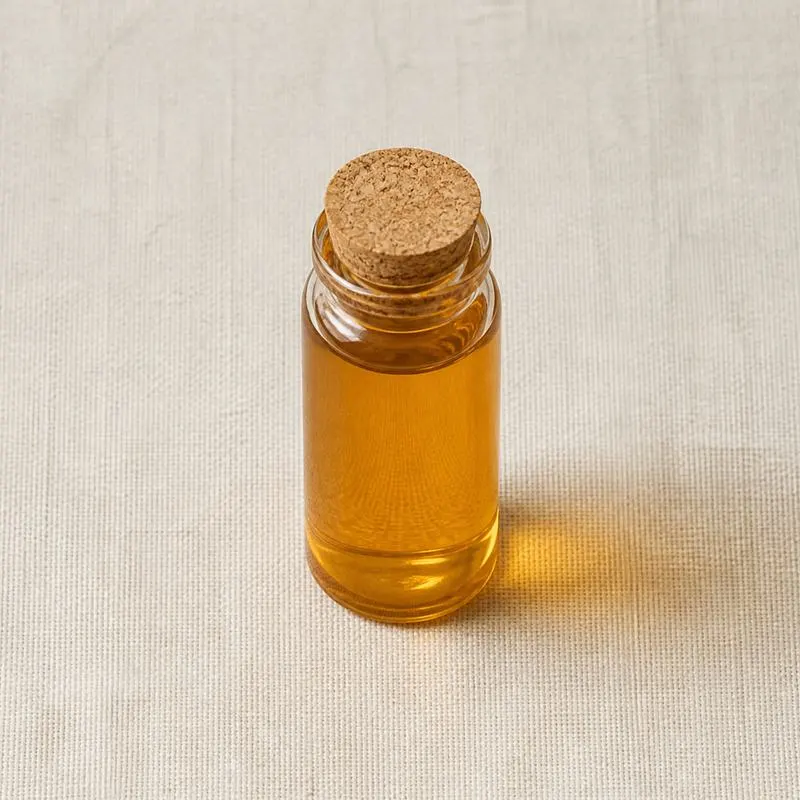
Ink Fish Meal is a dried, milled product made from squid and cuttlefish, most often from the trimmings, heads, viscera and skin left after the mantle has been processed for human consumption, and sometimes from whole small squid. The name follows the Chinese usage in which ink fish covers both squid and cuttlefish. The meal is valued for its free amino acid profile, which is unusually rich in taurine, glycine, proline and betaine, and for the small peptide fraction that gives it a marine savoury character and makes it a strong feeding stimulant.
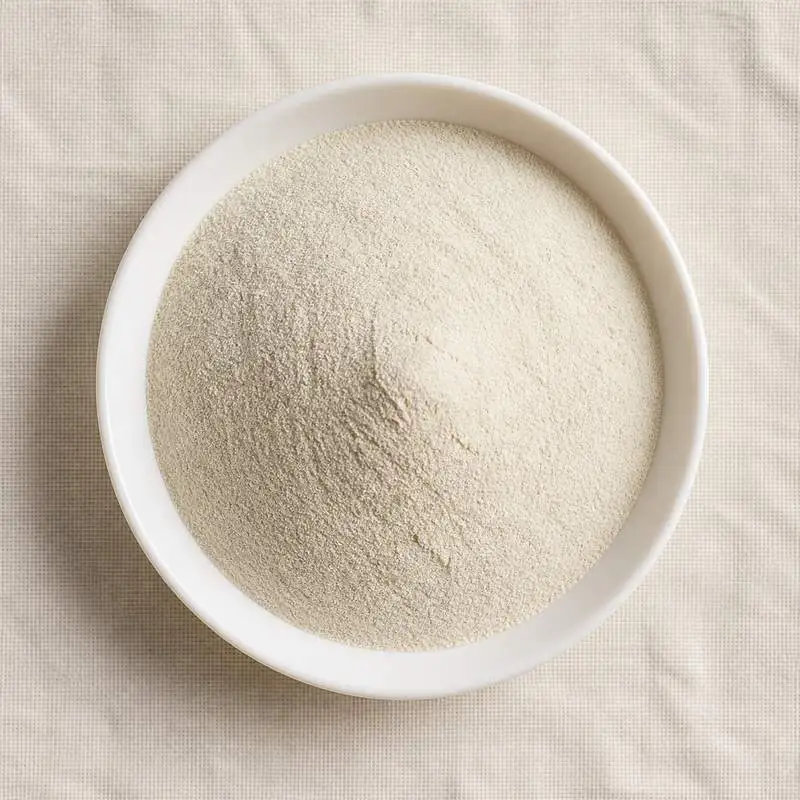
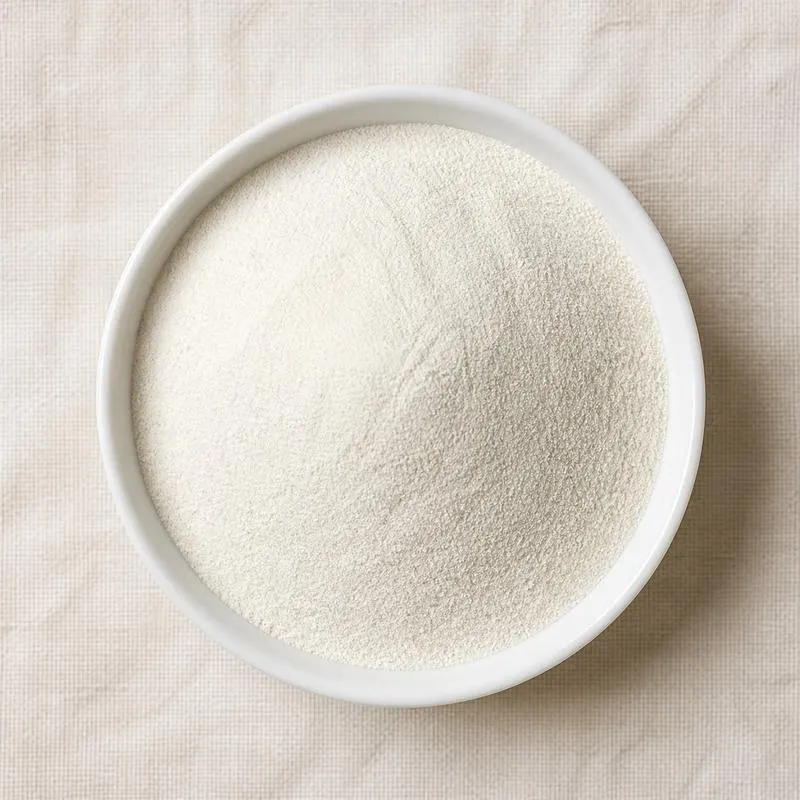
It is a light brown to dark brown free flowing powder or coarse meal with a characteristic marine odour, typically at 60 to 75 percent crude protein on a dry basis and 4 to 12 percent lipid. Protein solubility is high compared with fish meal because much of the nitrogen is present as free amino acids and peptides rather than intact muscle protein. The lipid fraction is high in long chain polyunsaturated fatty acids and oxidises readily, so antioxidant treatment and cool storage are standard, and biogenic amines including histamine accumulate if the raw material is not handled cold before processing.
We source bulk Ink Fish Meal from top China manufacturers for our partners. The manufacturer is in Zhejiang. A smaller requirement can ship in a combined container with other ingredients.
Please send the grade you need, the volume and your destination port, and we will come back with a solution and a price.
or call +86-21-6858 0751
- Function
- Flavours and Aromas
Specifications
| Item | Specification |
|---|---|
| Appearance | Light brown to dark brown free flowing meal, free of foreign matter |
| Odour | Characteristic marine, no putrid or ammoniacal note |
| Moisture | Not more than 10.0 percent |
| Crude Protein | Not less than 60.0 percent |
| Crude Fat | Not more than 12.0 percent |
| Total Ash | Not more than 12.0 percent |
| Total Volatile Basic Nitrogen | Not more than 150 mg per 100 g |
| Histamine | Not more than 500 mg per kg |
| Peroxide Value | Not more than 10.0 meq per kg of extracted fat |
| Sieve Analysis | Not less than 95 percent through 40 mesh |
| Lead | Not more than 2.0 mg per kg |
| Cadmium | Not more than 2.0 mg per kg |
| Total Plate Count | Not more than 100000 cfu per gram |
| Salmonella | Absent in 25 g |
Common Markets Grades
Grades are separated by raw material and by drying method. Whole squid meal carries the highest protein and the cleanest profile; by product or liver meal grades made from viscera are cheaper, higher in lipid and ash, and more variable. Squid liver powder is traded as a distinct article for its attractant strength rather than as a protein source.
Drying method sets the quality within each raw material class. Steam and low temperature dried meals retain more free amino acid and give better attractant performance; flame or high temperature dried meals are cheaper and darker, with more heat damaged protein. Buyers specify crude protein, lipid, ash, salt, moisture, total volatile basic nitrogen as the freshness indicator, histamine, and peroxide value. Solubility or degree of hydrolysis is specified where the meal is bought for its attractant fraction rather than as a protein ingredient, and defatted grades are stocked where lipid stability is the limiting factor.
Applications
- Aquaculture feed for shrimp and prawn, where it is one of the strongest known feeding attractants
- Marine fish feed, including grouper, seabass and flatfish diets
- Broodstock and larval feeds, where the free amino acid and lipid fraction supports maturation
- Pet food palatants, sprayed or dusted onto extruded kibble to drive acceptance
- Savoury seasoning blends, contributing a marine umami layer
- Seafood flavour production, as the protein feedstock for enzymatic hydrolysis and Maillard reaction
- Snack seasoning dusts in squid and seafood flavour variants
- Instant noodle and soup sachets in seafood variants
- Fishing bait and groundbait formulations
- Extracted taurine and peptide production, where the meal is the starting material
China Manufacturers of Ink Fish Meal
Top Ink Fish Meal manufacturers in China.

Company names and logos are the property of the manufacturers themselves. They are listed here because our own directory records them as producing this ingredient. A listing is not an endorsement by them, and we do not represent them or speak on their behalf.
Regulatory Status
In the United States marine protein meals intended for animal feed count as feed ingredients; the Association of American Feed Control Officials publishes the ingredient definitions and the states adopt them, and the current good manufacturing practice requirements for animal food under 21 CFR Part 507 apply. Material intended for human food is handled as a seafood ingredient under the seafood hazard analysis rules at 21 CFR Part 123, which specifically address histamine control in scombroid and other susceptible species.
In the European Union processed animal protein of marine origin is governed by the animal by products regulation, which sets the processing standards and requires production in an approved establishment, and feed material is additionally subject to the feed hygiene and undesirable substances legislation. Material intended for human food falls under the general food hygiene regulations for fishery products. Codex has adopted standards for fish and fishery products addressing histamine and hygiene, and JECFA and the associated expert bodies have evaluated histamine and the heavy metals of concern in marine products. Crustacean and mollusc allergens must be declared in both jurisdictions where the meal enters human food.
Manufacturing Process
Raw squid and cuttlefish trimmings are received chilled or frozen and are held cold, because endogenous enzymes and bacterial decarboxylases begin generating biogenic amines and ammonia within hours at ambient temperature. The material is minced and cooked, typically by indirect steam in a continuous screw cooker, which coagulates the protein and releases bound water and oil. The cooked mass is pressed in a twin screw press to remove the liquid fraction, and the press liquor is centrifuged to separate oil from a protein rich stickwater.
The stickwater is concentrated under vacuum and added back to the press cake, which is the step that retains the free amino acid and peptide fraction responsible for the attractant activity. The combined solids are dried, either in a steam disc or rotary drier at low temperature where quality matters, or in a direct fired drier where cost decides. Dried meal is milled to the specified particle size, dosed with an antioxidant to protect the polyunsaturated lipid, screened, passed through a magnet and packed in lined bags. Some plants divert part of the press liquor to a separate enzymatic hydrolysis and spray drying line to produce a concentrated soluble attractant.