Squid Meal
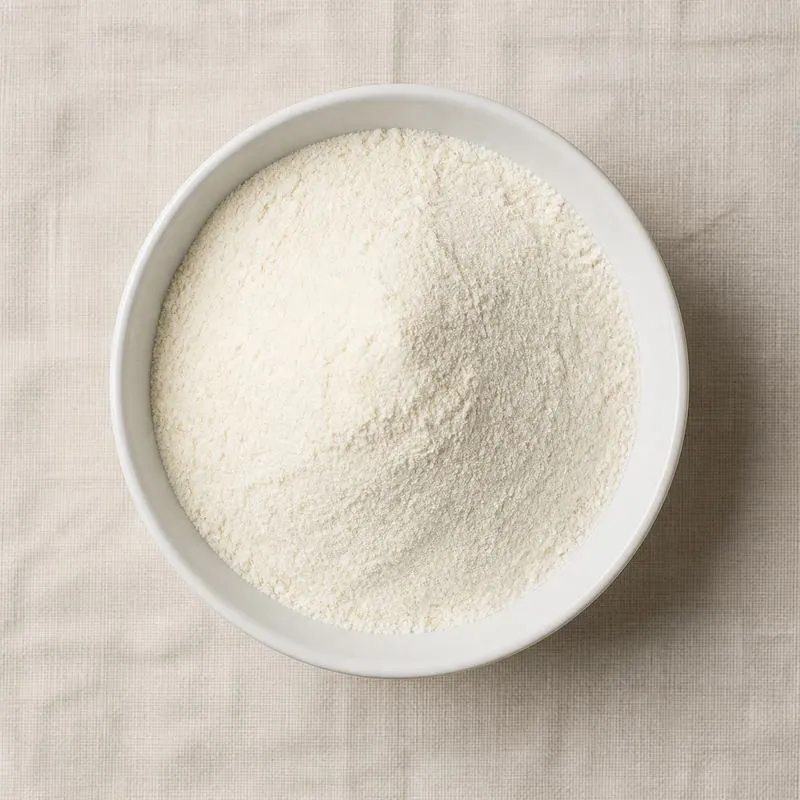
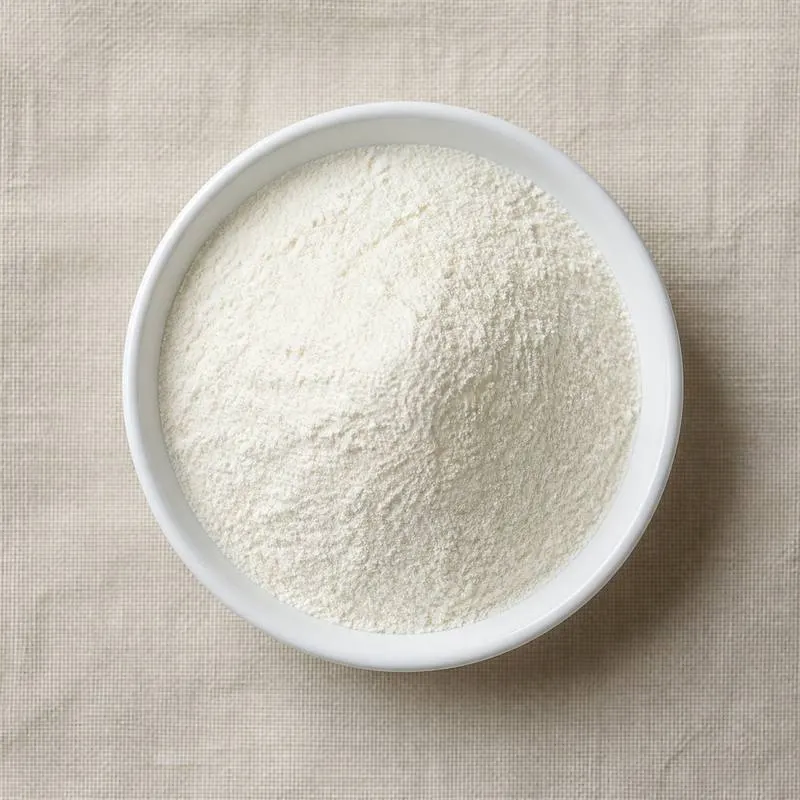
Squid meal is a dried, ground protein meal made from whole squid or from the trimmings, heads, viscera and skin left after squid processing. It is a brown to reddish-brown coarse powder with a strong marine odour, produced in the same way as fish meal and traded alongside it as a high value marine protein.
Crude protein typically runs from 65 to 80 percent on an as-fed basis, higher than most fish meals, with a well balanced amino acid profile rich in arginine, lysine and leucine. The meal also carries free amino acids, small peptides, betaine, taurine and nucleotides from the squid tissue, and it is this soluble low molecular weight fraction rather than the bulk protein that gives squid meal its reputation as a feeding stimulant. Residual oil is low, generally under 10 percent, and is high in the long chain omega-3 fatty acids.
The meal is not water soluble in the sense a hydrolysate is, but it disperses readily and leaches its attractant fraction into water within minutes, which matters in aquaculture. Storage stability depends on residual moisture and on antioxidant treatment, since the unsaturated oil fraction oxidises if the meal is bagged warm or held damp.
We source bulk Squid Meal from top China manufacturers for our partners. The manufacturer is in Zhejiang. A smaller requirement can ship in a combined container with other ingredients.
Please send the grade you need, the volume and your destination port, and we will come back with a solution and a price.
or call +86-21-6858 0751
- Function
- Protein
Specifications
| Item | Specification |
|---|---|
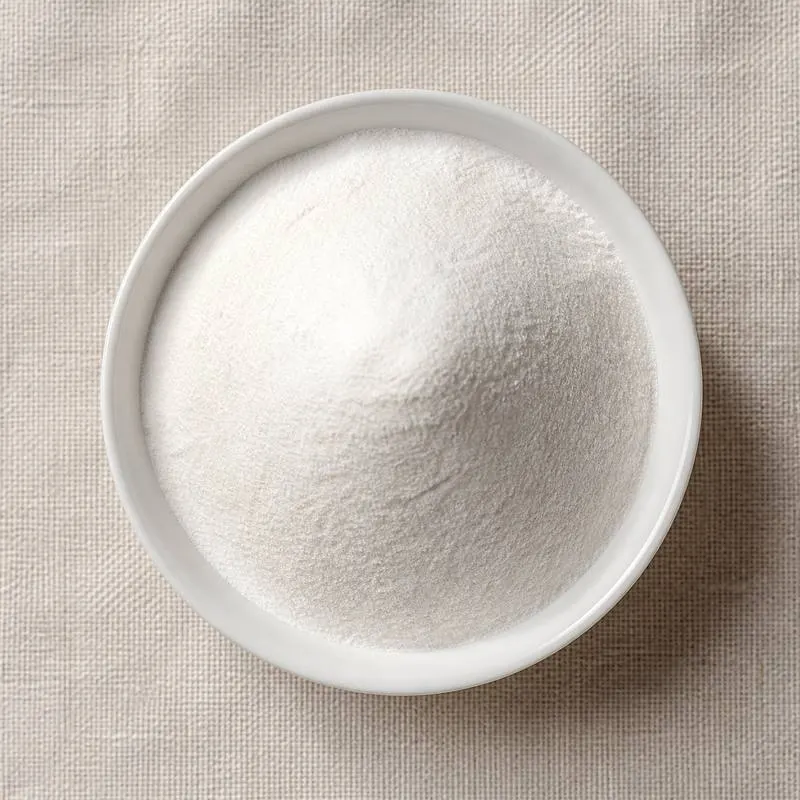
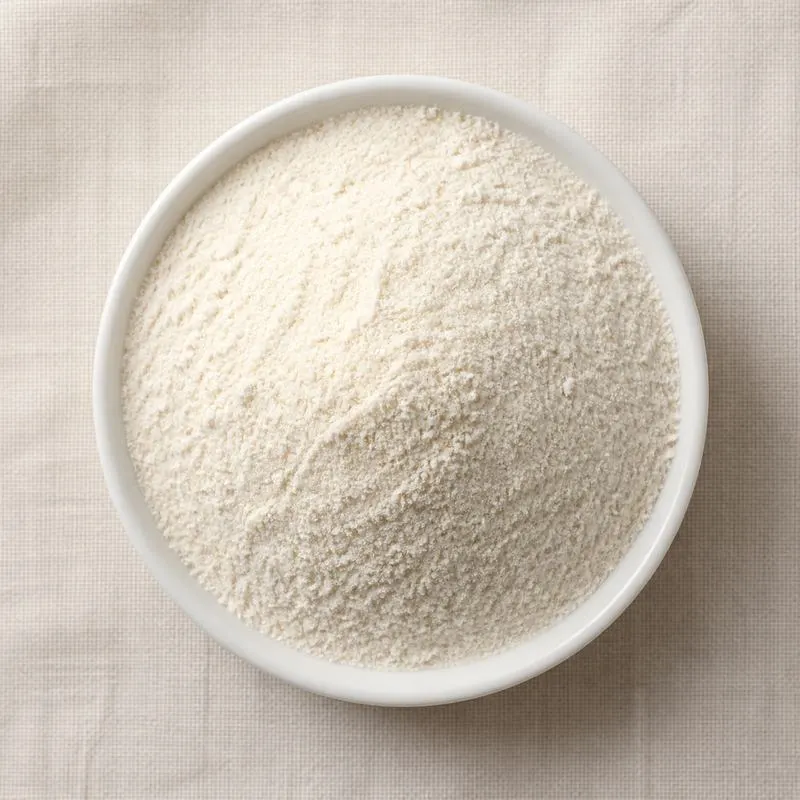
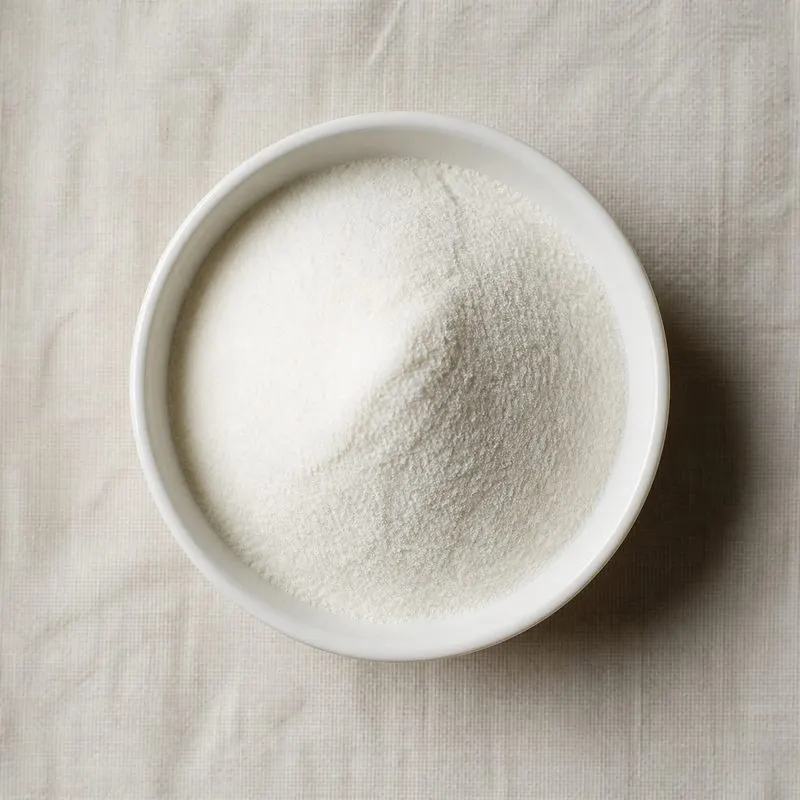
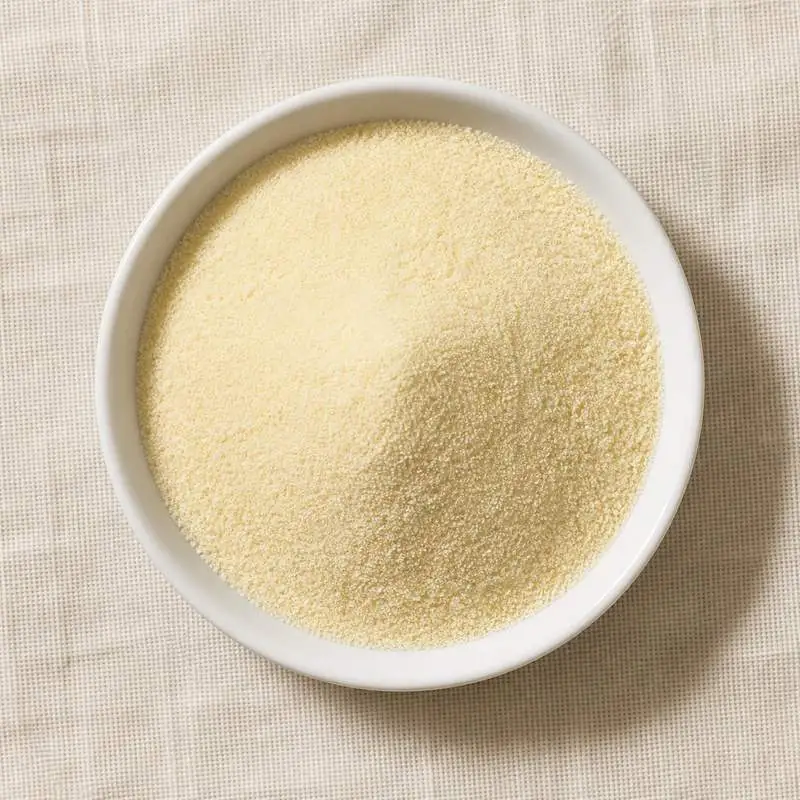
| Appearance | Brown to reddish-brown free-flowing meal |
| Odour | Characteristic marine, free from putrid or burnt notes |
| Crude Protein | ≥ 70.0% |
| Identification | Conforms by species PCR and microscopy |
| Moisture | ≤ 10.0% |
| Crude Fat | ≤ 10.0% |
| Ash | ≤ 12.0% |
| Salt as Sodium Chloride | ≤ 3.0% |
| Sand and Silica | ≤ 1.0% |
| Total Volatile Basic Nitrogen | ≤ 120 mg/100 g |
| Histamine | ≤ 500 mg/kg |
| Particle Size | ≥ 95% through 60 mesh |
| Cadmium | ≤ 2.0 mg/kg |
| Lead | ≤ 5.0 mg/kg |
| Arsenic | ≤ 10.0 mg/kg |
| Total Plate Count | ≤ 100,000 cfu/g |
| Salmonella | Negative in 25 g |
Common Markets Grades
The main commercial split is by raw material. Whole squid meal, made from entire animals, carries the highest protein and the lowest ash and is the premium grade for hatchery and broodstock diets. By-product or viscera meal, made from processing offal, runs lower in protein and higher in ash and oil and goes into grow-out feed. Squid liver meal and squid viscera meal are traded separately again, valued for their soluble and lipid fractions rather than for bulk protein.
Within each type, buyers specify crude protein, total volatile basic nitrogen as a freshness index, oil, ash, salt and moisture, along with particle size, which is commonly ground to pass a 60 to 80 mesh screen for pelleted feed. Steam dried grades are distinguished from flame dried, since the gentler drying preserves more of the soluble attractant fraction. Ethoxyquin free material stabilised with tocopherols or rosemary extract is a separate trade line.
Applications
- Shrimp and prawn grow-out feed, where the soluble amino acid and betaine fraction acts as a feeding attractant that shortens the time pellets sit in the pond
- Marine finfish diets for species that feed poorly on plant based formulations
- Broodstock and maturation diets, where the phospholipid and long chain omega-3 fractions support egg quality
- Hatchery and larval microdiets, milled fine and used as the protein base
- Eel and flatfish feed, where palatability decides intake
- Pet food, particularly cat food, as a palatant and marine protein source
- Ornamental fish and koi feed, blended for intake and for pigment carriers
- Angling baits and boilies, used purely for the leaching attractant profile
- Feed premixes, as a carrier and a source of taurine and nucleotides
China Manufacturers of Squid Meal
Top Squid Meal manufacturers in China.

Company names and logos are the property of the manufacturers themselves. They are listed here because our own directory records them as producing this ingredient. A listing is not an endorsement by them, and we do not represent them or speak on their behalf.
Regulatory Status
In the United States, squid meal is an animal feed ingredient rather than a human food. It is handled under the FDA animal food framework, and marketing relies on the ingredient definitions published by the association of state feed control officials, which cover marine and fish meal products and set the terms under which they may be named on a feed label. Any antioxidant added to stabilise the oil fraction must itself be permitted for feed use and must be declared.
In the European Union, squid meal is processed animal protein derived from aquatic invertebrates and falls under the animal by-products regulation, which sets the category of the raw material and the processing standard, and under the feed hygiene and undesirable substances rules that cap heavy metals, dioxins and marine biotoxins. Establishments producing it must be approved and listed, and imports must come from approved third country plants. The feed materials catalogue provides the descriptions used to name it on a label. Codex has no commodity standard for squid meal, although the Codex code of practice for fish and fishery products covers the handling of the raw material.
Manufacturing Process
Fresh or frozen squid and squid trimmings are chilled on receipt and fed to a cooker, where indirect steam heats the mass to around 90 to 95 degrees Celsius. Cooking coagulates the protein and releases bound water and oil. The cooked mass is pressed in a twin screw press, splitting it into a press cake and a press liquor. The liquor is decanted and centrifuged to recover oil, and the resulting stickwater is evaporated to a concentrated soluble syrup.
The concentrated solubles are added back onto the press cake so that the low molecular weight attractant fraction is retained in the finished meal rather than discarded, and the recombined material is dried. Steam tube or disc dryers operating under indirect heat are preferred over direct flame drying because they limit heat damage to the protein. The dried meal is cooled, hammer milled to the specified mesh, dosed with an antioxidant, screened for foreign material and packed. Total volatile basic nitrogen is checked on incoming raw material and on the finished lot as the primary freshness control.