Inositol Nicotinate
Inositol Nicotinate, also written inositol hexanicotinate, is the hexaester of myo-inositol with nicotinic acid, a single molecule in which all six hydroxyl groups of the cyclitol ring are esterified with vitamin B3.
The design intent is delayed release. Free nicotinic acid taken at doses above nutritional levels produces cutaneous vasodilation, the flushing response, which limits how much can be tolerated. The hexaester is not itself vasoactive and must be hydrolysed by esterases before nicotinic acid appears in circulation, so the release is slow and the flush is blunted. This is why the material is marketed in supplements as a no flush or flush free niacin, although the completeness of that hydrolysis in the body has been the subject of considerable debate and the compound should not be assumed to be equivalent, milligram for milligram, to free nicotinic acid.
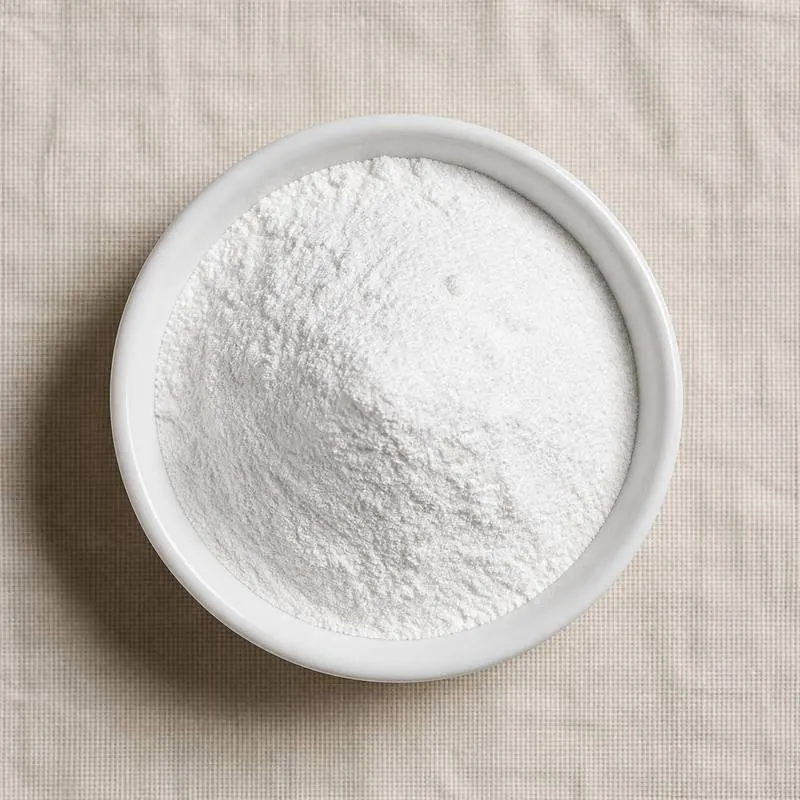
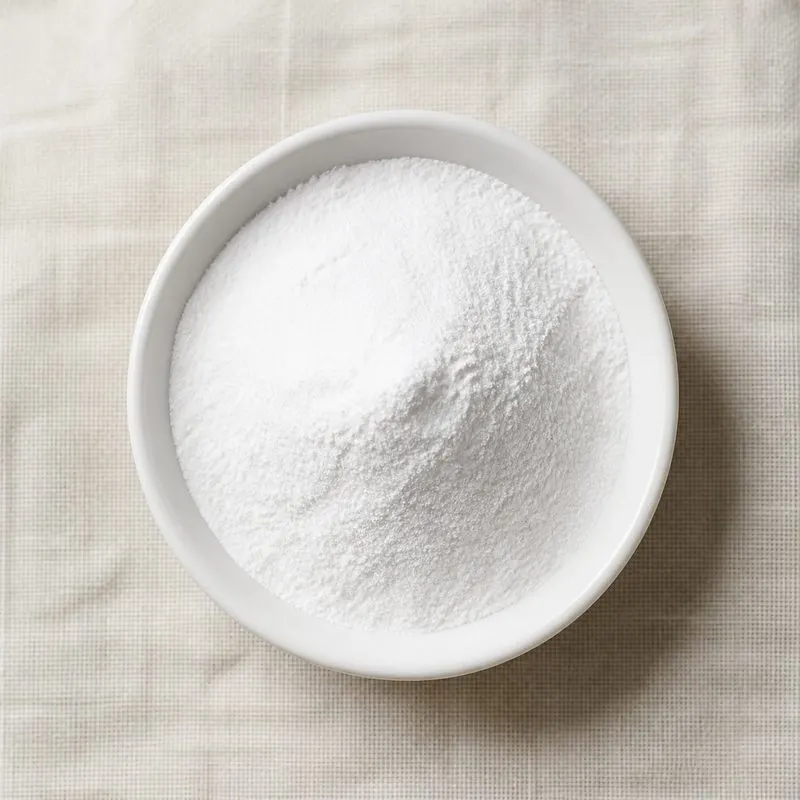
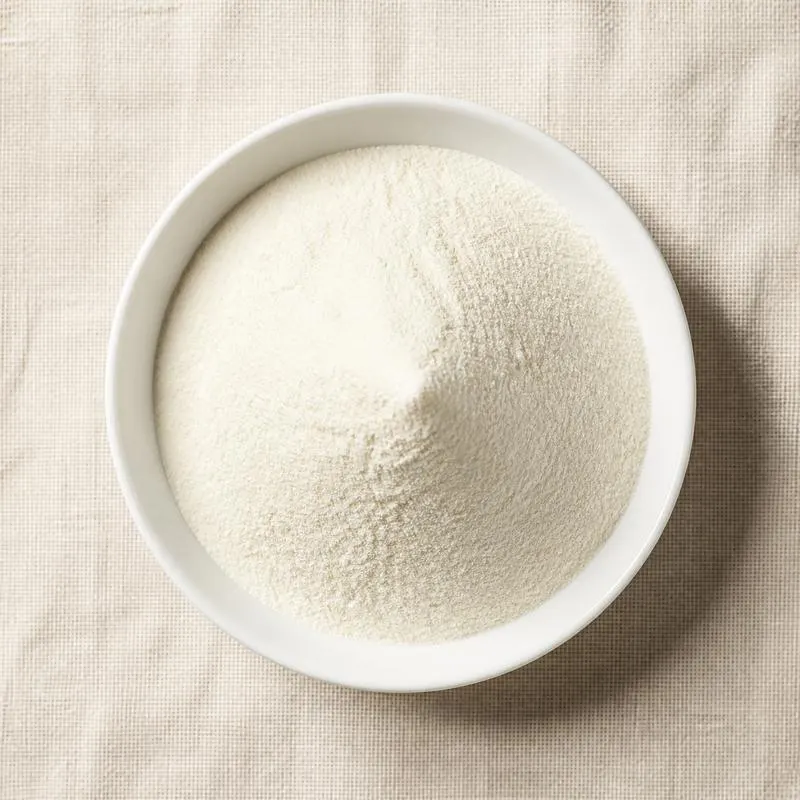
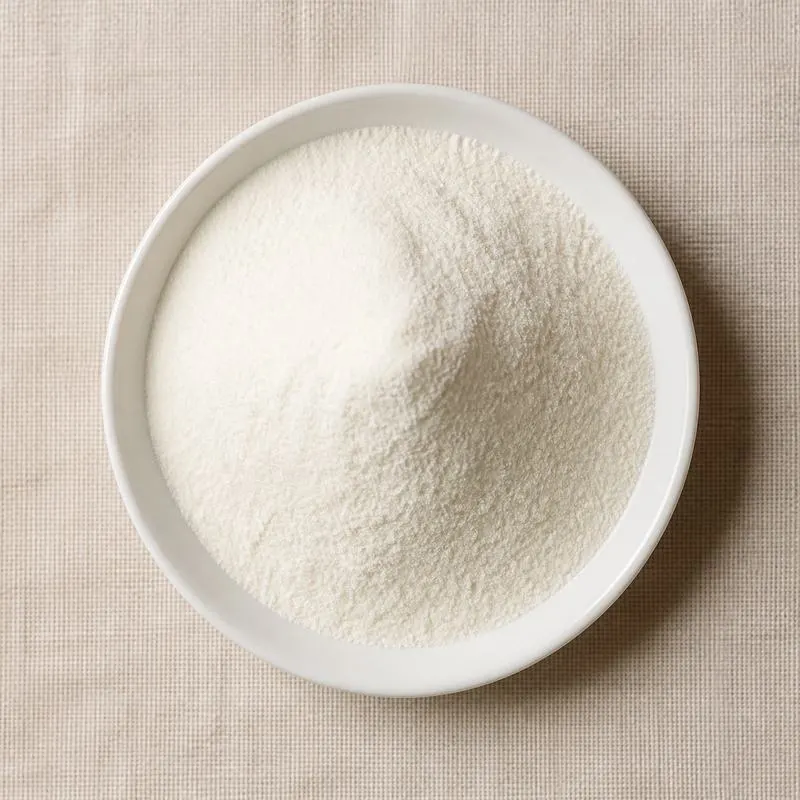
It is a white to off-white crystalline powder, odourless, with a high melting point above 250 degrees Celsius. It is practically insoluble in water and only sparingly soluble in ethanol, dissolving more readily in dimethyl sulphoxide and in dilute alkali, where the ester slowly hydrolyses. The low aqueous solubility rules out liquid formats and makes it a tablet and capsule ingredient. In the dry state it is stable to heat, light and air.
We source bulk Inositol Nicotinate from top China manufacturers for our partners. The manufacturer is in Tianjin. A smaller requirement can ship in a combined container with other ingredients.
Please send the grade you need, the volume and your destination port, and we will come back with a solution and a price.
or call +86-21-6858 0751
- Function
- Vitamin
Specifications
| Item | Specification |
|---|---|
| Appearance | White to off-white crystalline powder |
| Identification | Infrared spectrum conforms to reference standard |
| Assay, dried basis | ≥ 99.0% |
| Melting Range | 251 to 257 °C |
| Free Nicotinic Acid | ≤ 0.5% |
| Free Myo-Inositol | ≤ 0.5% |
| Related Substances | Total partially esterified species ≤ 1.0% |
| Loss on Drying | ≤ 1.0% |
| Residue on Ignition | ≤ 0.1% |
| Residual Solvents | Conforms to pharmacopoeial limits |
| Chloride | ≤ 0.05% |
| Heavy Metals | ≤ 10 mg/kg |
| Lead | ≤ 2.0 mg/kg |
| Arsenic | ≤ 2.0 mg/kg |
Common Markets Grades
The material is traded essentially as one specification: crystalline powder assaying above 99 percent as inositol hexanicotinate, with limits on free nicotinic acid, free inositol and partially esterified species. Free nicotinic acid is the impurity that matters commercially, since it is the substance the product exists to avoid delivering rapidly, and buyers set a tighter limit on it than a general purity specification would.
Physical grades vary by particle size and bulk density for tablet compression and capsule filling, with micronised material used where content uniformity matters most and granulated material where flow does. Pharmaceutical grade produced to a national pharmacopoeial monograph exists in markets where the compound is licensed as a medicine, and supplement grade is the larger volume. There is no meaningful food fortification grade, because the compound is not among the vitamin forms permitted for general food fortification in most jurisdictions.
Applications
- No flush niacin supplements, sold as tablets or capsules to consumers who cannot tolerate nicotinic acid
- Multivitamin and B complex formulations positioned on flush free delivery
- Circulatory and peripheral vascular supplements, the traditional positioning for the compound
- Cardiovascular support formulations sold alongside plant sterols and omega-3 oils
- Cholesterol management supplements, where high dose niacin is the reference active
- Sustained release tablet systems, which depend on the slow hydrolysis of the ester
- Prescription medicines in markets where inositol nicotinate is licensed for peripheral vascular indications
- Sports and pre-workout formulations claiming vasodilatory benefit without the flush
Brands Using Inositol Nicotinate
Widely-distributed consumer products that list Inositol Nicotinate on the ingredient label.
- SwansonFlush Free Niacin 500 mg ↗Each capsule delivers 500 mg of niacin as inositol hexanicotinate, the non-flushing form of vitamin B3.Label verified 2026-08-31
- Integrative TherapeuticsFlush-Free Niacin ↗Supplies niacin as inositol hexaniacinate, the inositol ester of nicotinic acid.Label verified 2026-08-31
Brand names, product names and logos are the property of their owners. They appear here as published evidence that the ingredient is used, taken from the brand's own label or website. Their appearance is not an endorsement, and it does not mean the brand buys from us or from any manufacturer listed on this site.
China Manufacturers of Inositol Nicotinate
Top Inositol Nicotinate manufacturers in China.

Company names and logos are the property of the manufacturers themselves. They are listed here because our own directory records them as producing this ingredient. A listing is not an endorsement by them, and we do not represent them or speak on their behalf.
Regulatory Status
In the United States inositol hexanicotinate is sold as a dietary supplement ingredient under the general framework for supplements, and labelling as a source of niacin has attracted regulatory attention because the compound must be hydrolysed before it delivers vitamin activity, so declaration of niacin content on that basis is open to challenge. It has no food additive regulation for general fortification use.
In the European Union inositol nicotinate is not a food additive and has no E number, and it is not among the forms of niacin listed as permitted for the addition of vitamins to foods under Regulation (EC) No 1925/2006 or for food supplements under Directive 2002/46/EC, where nicotinic acid and nicotinamide are the listed forms. In the United Kingdom and some other markets inositol nicotinate has been licensed as a medicinal product for peripheral vascular conditions, which places it under medicines law rather than food law in those jurisdictions. Because status differs so sharply between markets, the intended market should be confirmed before the ingredient is specified.
Manufacturing Process
Two feedstocks meet in the synthesis. Myo-inositol is produced industrially by hydrolysing phytate, the phytic acid salt recovered from corn steep liquor or rice bran, at elevated temperature and pressure, then purifying the released inositol by ion exchange, decolourisation and crystallisation. Nicotinic acid comes from the standard vitamin B3 route, in which 3-methylpyridine is ammoxidised to 3-cyanopyridine and hydrolysed through to the acid.
The esterification itself requires activating the acid, because a direct condensation of six hydroxyls with a carboxylic acid is impractical. Nicotinic acid is converted to nicotinoyl chloride with thionyl chloride or a similar reagent, and that acyl chloride is reacted with myo-inositol in a dry aprotic solvent such as pyridine or dimethylformamide, with a base present to take up the hydrogen chloride released. Conditions are pushed to drive all six positions to completion, since partially esterified species are the principal impurity. The reaction mass is quenched into water, and the product, being insoluble, precipitates. It is filtered, washed to remove base, salts and residual solvent, recrystallised from an alcohol or an alcohol and water mixture to reduce free nicotinic acid, then vacuum dried, milled and screened.