Instant Green Tea
Instant green tea is a soluble powder made by extracting green tea leaf with water, clarifying and concentrating the liquor, and drying it, so that the product reconstitutes into a tea beverage without any brewing or leaf disposal. It is the highest volume member of the instant tea family and the one whose composition is most closely watched, because green tea is bought for its catechin content.
The soluble solids are dominated by polyphenols, typically 25 to 45 percent of the powder, of which the catechins account for the greater part: epigallocatechin gallate is the largest single component, with epigallocatechin, epicatechin gallate and epicatechin alongside it. Caffeine runs at 4 to 10 percent, theanine and other free amino acids at a few percent, and the balance is soluble carbohydrate, organic acids, minerals and the small volatile fraction that carries what aroma survives processing.
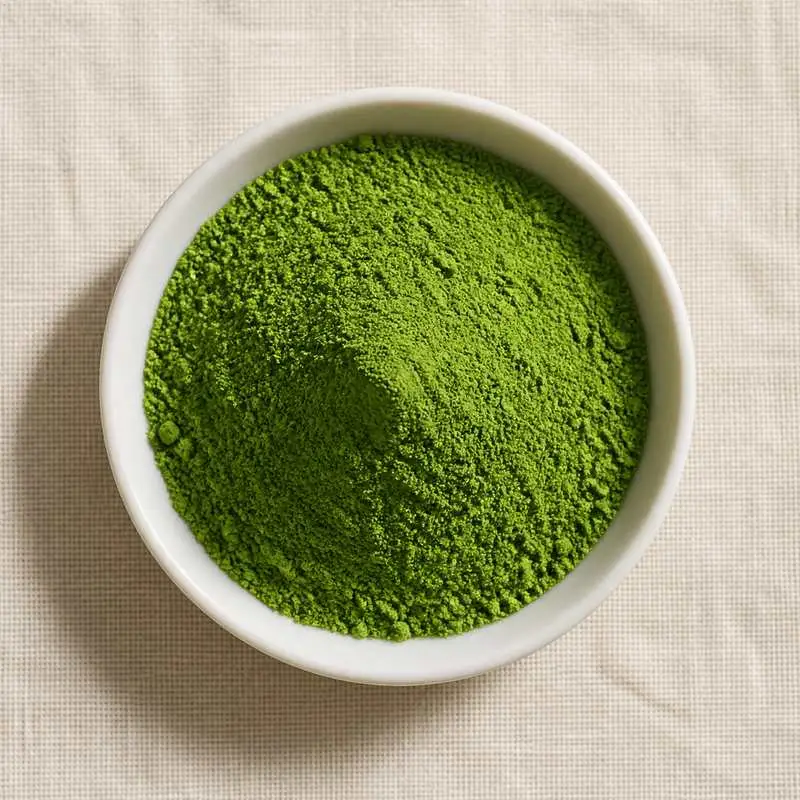
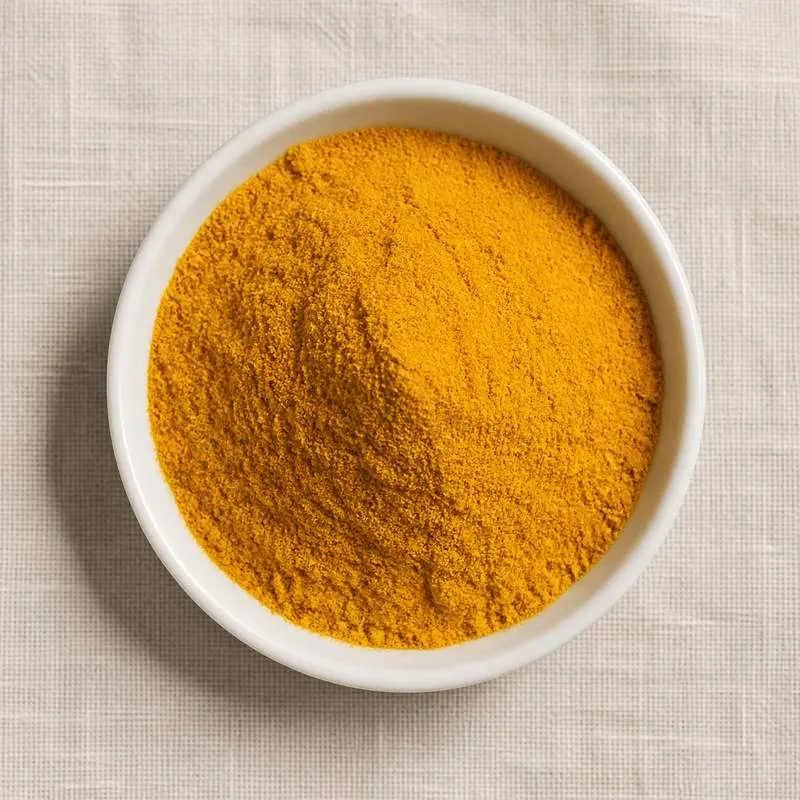
The powder ranges from light yellowish green to pale brown, the greener material commanding a premium because browning indicates catechin oxidation. It dissolves quickly in hot water and, in the cold-soluble grades, in chilled water as well. The two persistent technical problems are colour and haze: catechins oxidise and brown at neutral and alkaline pH and on exposure to air, and the tannin and caffeine complex known as tea cream precipitates when the liquor cools, clouding a ready to drink product. Almost every processing decision in this product is made to manage one of those two.
We source bulk Instant Green Tea from top China manufacturers for our partners. The manufacturer is in Shaanxi. A smaller requirement can ship in a combined container with other ingredients.
Please send the grade you need, the volume and your destination port, and we will come back with a solution and a price.
or call +86-21-6858 0751
- Function
- Plant extract
Specifications
| Item | Specification |
|---|---|
| Source | Green tea leaf, Camellia sinensis |
| Appearance | Light yellowish green to pale brown fine powder |
| Solubility | Complete in water at 25°C within 60 seconds |
| Total Polyphenols | ≥ 30.0% |
| Total Catechins | ≥ 20.0% |
| Epigallocatechin Gallate | ≥ 8.0% |
| Caffeine | 4.0 to 10.0% |
| Moisture | ≤ 6.0% |
| Lead | ≤ 2.0 mg/kg |
| Arsenic | ≤ 1.0 mg/kg |
| Total Plate Count | ≤ 1,000 cfu/g |
| Yeast and Mould | ≤ 50 cfu/g |
| E. coli | Negative in 1 g |
| Salmonella | Negative in 25 g |
Common Markets Grades
Grades are quoted first on total polyphenols and on epigallocatechin gallate content, then on caffeine, colour and solubility. Standard beverage grades run at 25 to 35 percent polyphenols; higher grades at 40 to 50 percent are made by partial purification and are used where a catechin claim is being carried. Decaffeinated grades, produced by supercritical carbon dioxide treatment or by resin adsorption of the extract, are specified on residual caffeine and are a distinct product line.
Cold water soluble grades are specified separately from hot-soluble grades, since resistance to haze on cooling is the property that decides whether a powder can be used in a bottled iced tea. Colour is a real trading specification, quoted as an absorbance value at a defined dilution. Carrier content matters too, since instant tea is often sold blended with maltodextrin, which lowers the tea solids figure and must be declared. Freeze dried grades are traded above spray dried grades on aroma retention, and matcha, which is stone-ground whole leaf rather than an extract, is a different product that is sometimes confused with instant green tea powder.
Applications
- Ready to drink bottled and canned green tea, the largest outlet, where cold solubility and haze stability govern selection
- Instant tea sachets, stick packs and vending powders
- Milk tea and bubble tea bases blended with creamer and sugar
- Iced tea and lemon tea mixes with acidulant and sweetener
- Green tea flavoured confectionery, biscuits, chocolate and ice cream
- Dairy and bakery applications such as green tea cakes, mousses and yoghurts
- Catechin supplements and functional powders formulated on epigallocatechin gallate content
- Sports and weight management products combining catechins with caffeine
- Cosmetic formulations using the polyphenol fraction as an antioxidant
China Manufacturers of Instant Green Tea
Top Instant Green Tea manufacturers in China.

Company names and logos are the property of the manufacturers themselves. They are listed here because our own directory records them as producing this ingredient. A listing is not an endorsement by them, and we do not represent them or speak on their behalf.
Regulatory Status
Instant green tea is a conventional food. In the United States tea and tea extracts have a long history of food use, instant tea is regulated as a food and imported tea is subject to inspection for purity and fitness, with pesticide residues controlled through tolerances set by the Environmental Protection Agency. Green tea extracts sold as supplements are dietary ingredients under the Dietary Supplement Health and Education Act, manufactured under 21 CFR Part 111, and concentrated catechin preparations have attracted particular regulatory attention over reports of liver injury at high doses, which is why supplement grades are often accompanied by additional safety documentation.
In the European Union tea and instant tea are conventional foods and are not novel foods. The European Food Safety Authority, however, has assessed concentrated green tea catechin preparations and identified a safety concern for epigallocatechin gallate above a defined daily intake from supplements, and the Commission has since restricted the use of green tea catechins in food supplements, requiring labelling and limiting the epigallocatechin gallate content per daily portion. That restriction applies to concentrated preparations rather than to ordinary instant tea for beverage use, but it is the reason the epigallocatechin gallate figure on a certificate matters commercially. Pesticide maximum residue levels are set for tea as a dried commodity, and contaminant limits apply under the contaminants Regulation. Codex maintains general contaminant standards and a code of hygienic practice, and the trade uses the ISO methods for water extract and total polyphenol determination in tea.
Manufacturing Process
Green tea leaf, usually a lower grade or broken leaf chosen for extractable solids, is extracted with hot water in countercurrent columns. Temperature is the central compromise: higher temperature raises solids yield but epimerises epigallocatechin gallate to its gallocatechin form and accelerates oxidation, so catechin grades are extracted at 70 to 80 degrees Celsius rather than at boiling. Some plants strip the aroma volatiles off the first extract under vacuum and hold them for return after drying.
The extract is centrifuged and filtered to remove leaf fines, then chilled so that the tea cream precipitates, and the cream is either removed to give a bright cold-stable liquor, treated with tannase to hydrolyse the gallate esters that drive the complexation, or redissolved by warming, depending on the grade. Where a high catechin grade is being made, the clarified liquor is passed over macroporous adsorption resin, which binds the catechins while sugars and salts wash through, and ethanol elution releases the enriched fraction. The liquor is concentrated to 25 to 45 percent solids in a falling film or plate evaporator under vacuum at low temperature, the recovered aroma fraction is blended back, and the concentrate is spray dried at an inlet temperature kept as low as the dryer will allow, or freeze dried for the premium grade. The powder is agglomerated where instant dispersion is required, screened, passed through a metal detector and packed immediately into foil-laminate containers with desiccant.