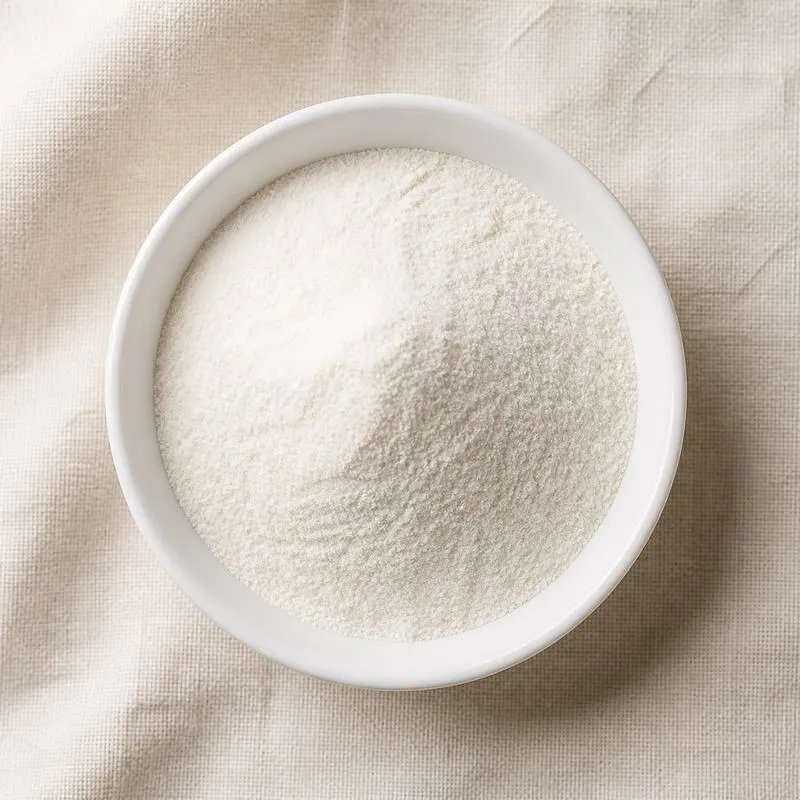
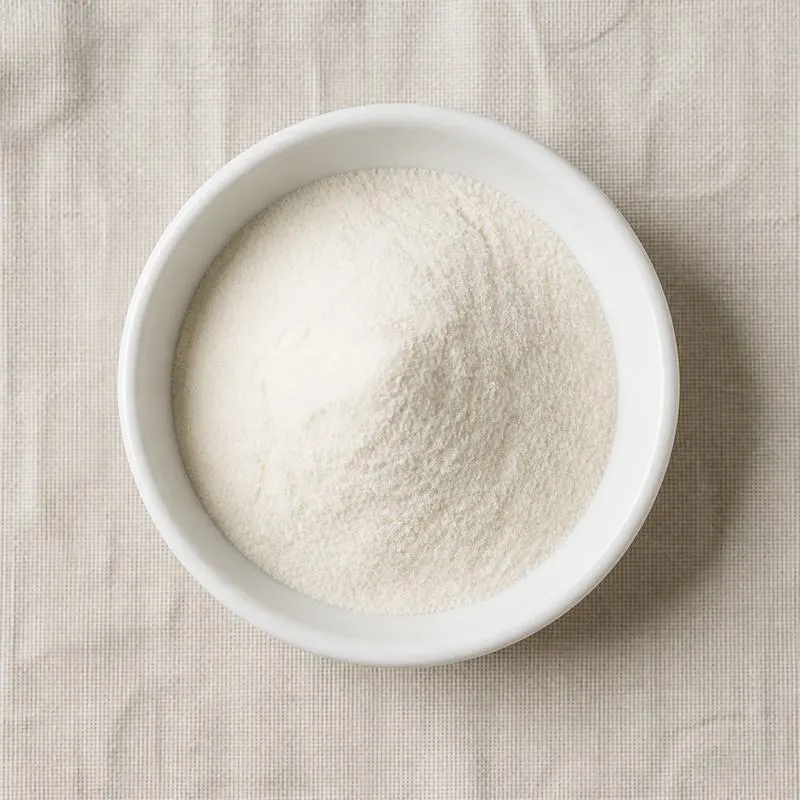
Konjac Fine Flour
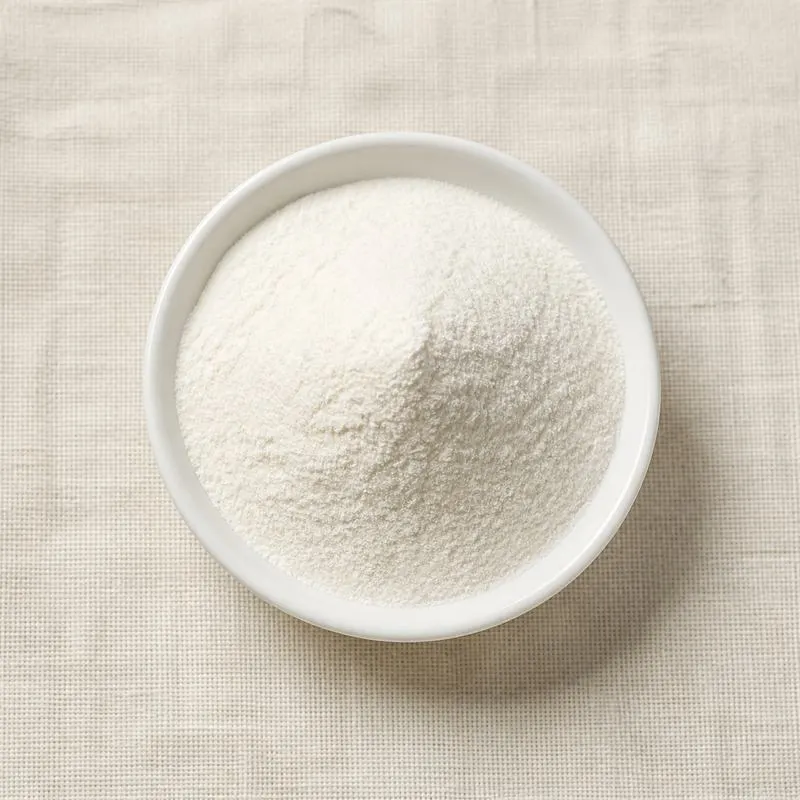
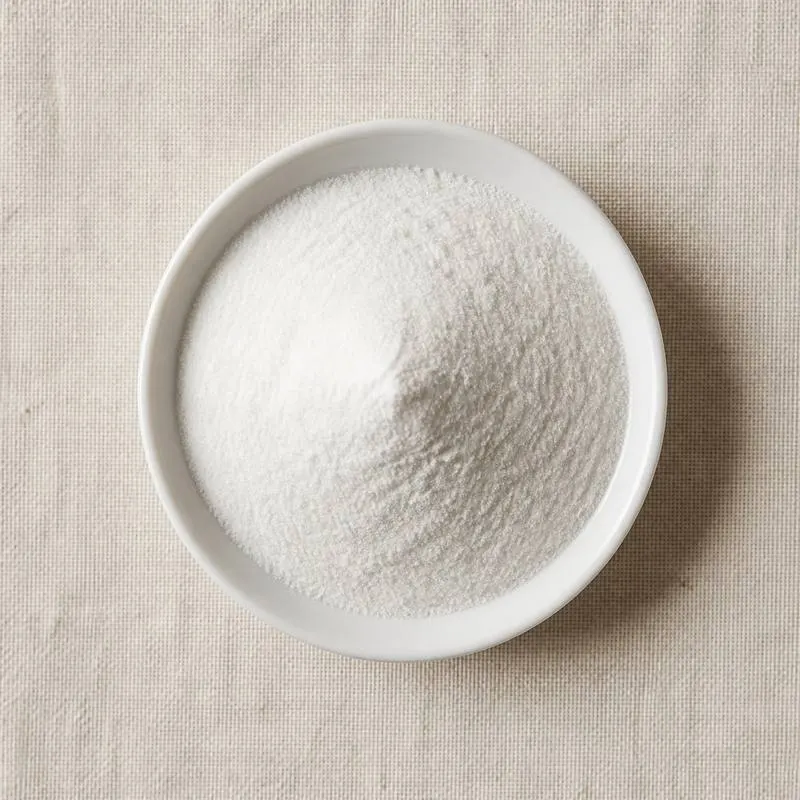
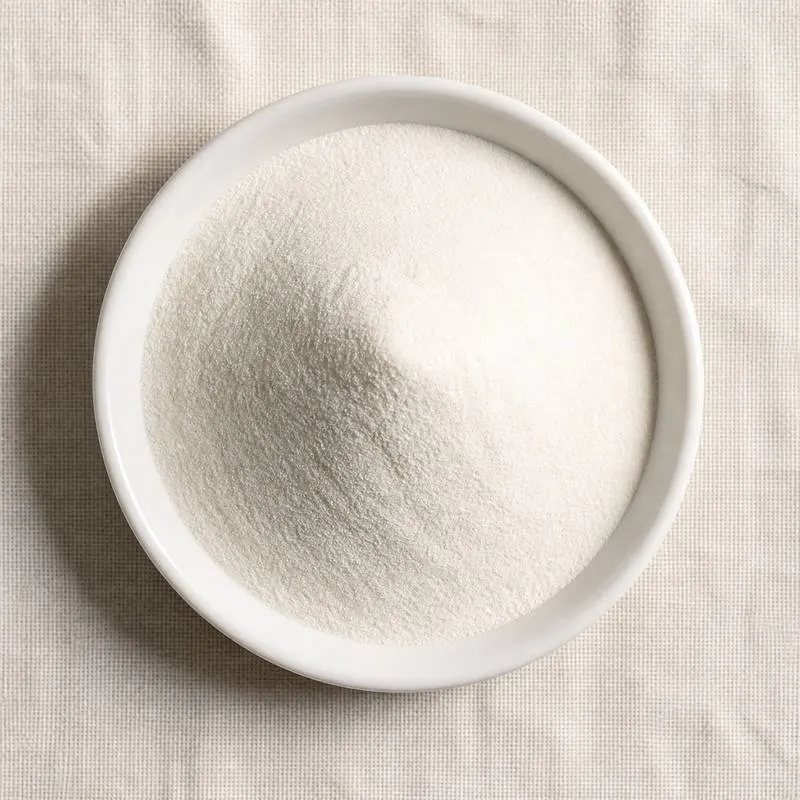
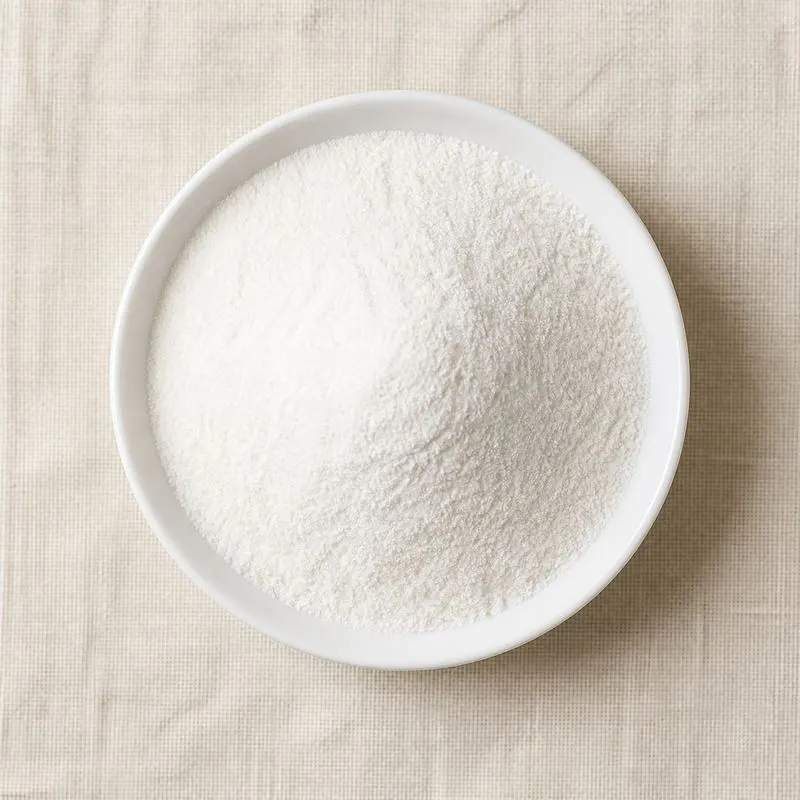
Konjac Fine Flour is konjac corm flour milled and air-classified to a finer particle size than standard konjac flour, typically 100 to 120 mesh. Glucomannan content is usually 80 to 88 percent, sitting between the crude flour and the fully purified gum grades.
The finer particle distribution speeds up hydration, lowers grittiness in finished products, and improves blending uniformity with other dry powders.
We source bulk Konjac Fine Flour from top China manufacturers for our partners. The manufacturer is in Hubei. A smaller requirement can ship in a combined container with other ingredients.
Please send the grade you need, the volume and your destination port, and we will come back with a solution and a price.
or call +86-21-6858 0751
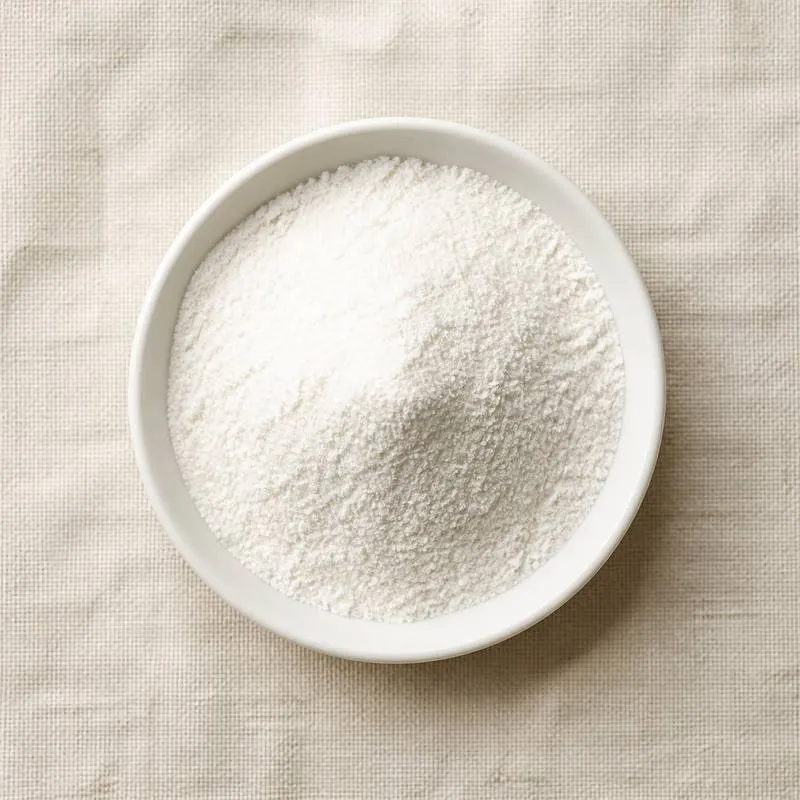
- Packaging
- 25 kg kraft paper bag with PE inner liner
- ISO 9001
- HACCP
- Halal
- Kosher
Specifications
| Item | Specification |
|---|---|
| Appearance | White to light cream fine powder |
| Glucomannan Content | 70–80% |
| Viscosity (1% solution, 30°C) | 20,000–40,000 mPa·s |
| Moisture | ≤ 10.0% |
| Ash Content | ≤ 4.5% |
| pH (1% solution) | 5.0–7.0 |
| Particle Size | ≥ 90% through 100 mesh |
| Sulfur Dioxide | ≤ 400 ppm |
| Arsenic (as As) | ≤ 1 ppm |
| Lead (as Pb) | ≤ 1 ppm |
| Total Plate Count | ≤ 5,000 CFU/g |
| E. coli | Negative/g |
| 内销电话:027-87863037 出口电话:027-87863032 | 工厂地址:湖北省鄂州市华容区华容创业园 办公地址:湖北省武汉市武昌区中北路86号汉街总部国际C座1001 |
Common Markets Grades
Konjac Fine Flour is graded in viscosity classes from 16 thousand cP up to 30 thousand cP at 1 percent solution.
The mid-range grade at 20 to 25 thousand cP is the standard for dairy desserts, processed meat, and bakery applications where faster hydration is needed but premium gum is not justified.
Higher-viscosity fine flour at 28 to 30 thousand cP is used in noodle and jelly production where gel strength matters.
The product is typically Halal and Kosher certified, with non-GMO and gluten-free declarations available on request.
Applications
- Shirataki and konnyaku noodle manufacture where particle uniformity matters
- Konjac jelly cups and dessert bars in Asian markets
- Plant-based meat analogues for binder and texture
- Dairy desserts, puddings, and panna cotta-style products
- Processed meat: sausages, fish balls, and surimi for water binding
- Bakery: gluten-free bread and noodle premixes
- Sauces, dressings, and instant soup mixes
- Dietary fibre supplements as a finer-mouthfeel option
- Pet food binders and gravies
- Industrial film coatings and adhesives
China Manufacturers of Konjac Fine Flour
Top Konjac Fine Flour manufacturers in China.
Company names and logos are the property of the manufacturers themselves. They are listed here because our own directory records them as producing this ingredient. A listing is not an endorsement by them, and we do not represent them or speak on their behalf.
How We Help Source Konjac Fine Flour
Direct Factory Sourcing
We run the whole process: selecting the manufacturer from the top Chinese food ingredient producers, negotiating the price, verifying quality, and coordinating the logistics. You deal with us instead of with several factories at once.
Original Packaging and Documents from the Manufacturer
The manufacturer sends your Konjac Fine Flour out of its own factory in the original packing, through to your destination port. The COA, COO, MSDS, TDS and any certifications reach you from the manufacturer as well.
Free Samples and Lead Time
We send 100 to 500 g free for your own laboratory to test and you cover only the courier, usually within 2 to 3 working days. ETD is usually within 7 to 15 days once the order is confirmed, and we check that date against the factory's own manufacturing schedule before we give it to you.
Combined Shipment
We can load Konjac Fine Flour together with other ingredients such as Carrageenan, Sodium Carboxymethyl Cellulose and Agar Agar into one 20' FCL. If your quantity is small, we can also ship LCL.
Regulatory Status
Konjac Fine Flour is regulated as konjac flour rather than konjac gum in most jurisdictions because glucomannan content is below the gum threshold.
It is permitted as a food ingredient in the European Union, the United States, China, Japan, and most other regulated markets. Mini-cup jelly restrictions apply in jurisdictions that have legislated against the format.
Halal, Kosher, vegan, non-GMO, and gluten-free certifications are routinely available.
Manufacturing Process
Production starts from standard refined konjac flour, which is fed through a high-speed impact mill or jet mill to reduce particle size.
The milled product passes through an air classifier that separates the fine fraction from coarser particles. Coarse rejects return to the mill for further size reduction.
The fine fraction is screened through a 100 to 120 mesh sieve and packaged in moisture-barrier liners. Quality control verifies particle size distribution, viscosity, glucomannan content, and microbial limits.
The finer particle size accelerates hydration but also makes the powder more dust-prone, which is why it is normally packaged in low-static lined sacks or vacuum bags.