L-Arginine Hydrochloride
L-Arginine hydrochloride is the hydrochloride salt of L-arginine, a basic amino acid carrying a guanidino group on its side chain. That group is protonated across the whole physiological pH range, which makes arginine the most strongly basic of the protein amino acids; making it into a salt with hydrochloric acid gives a stable, non hygroscopic crystal that is easier to handle and to formulate than the free base.
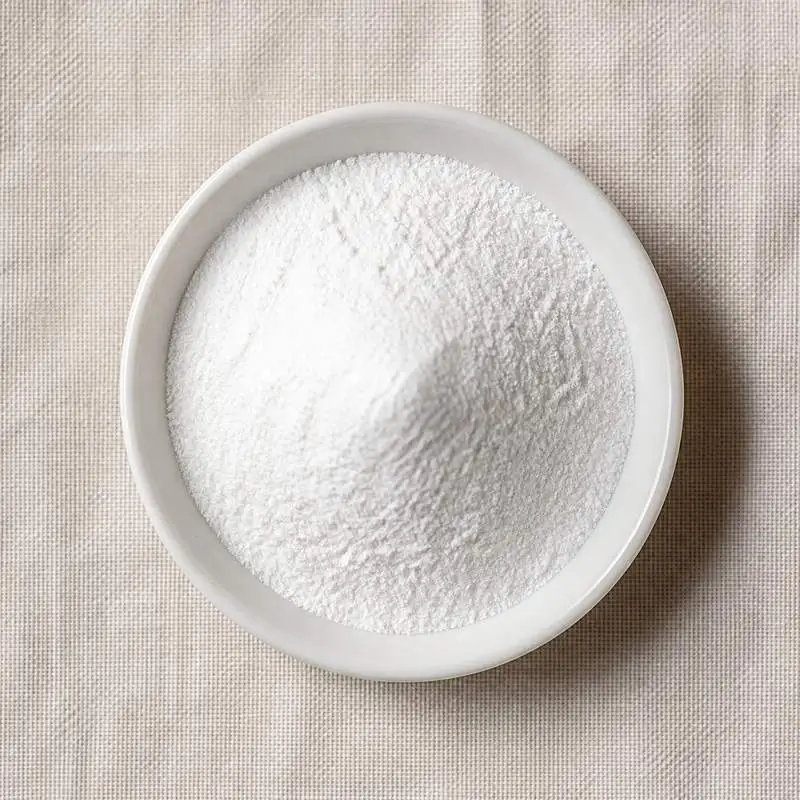
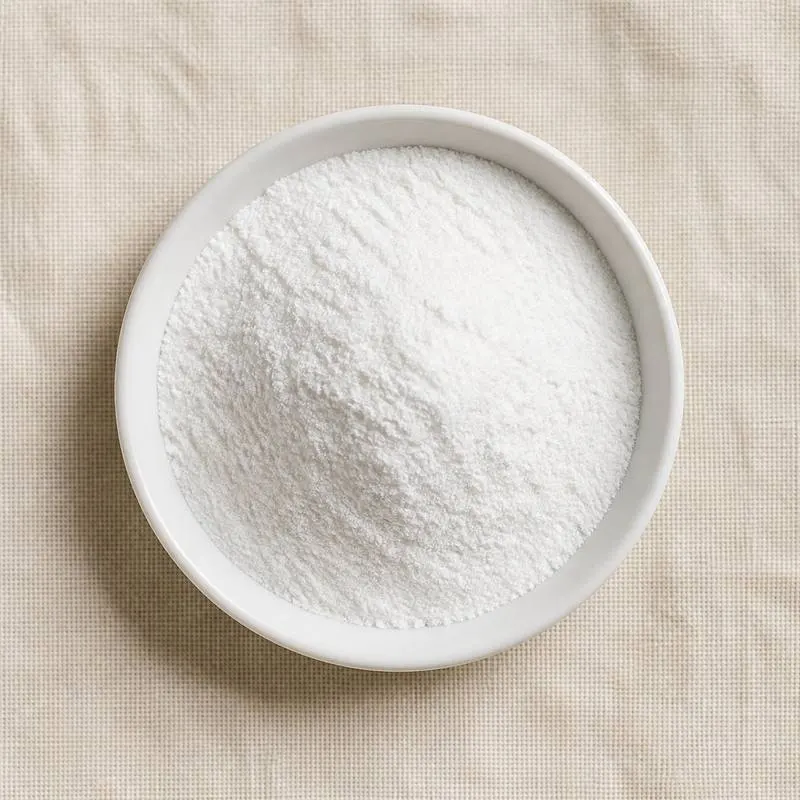
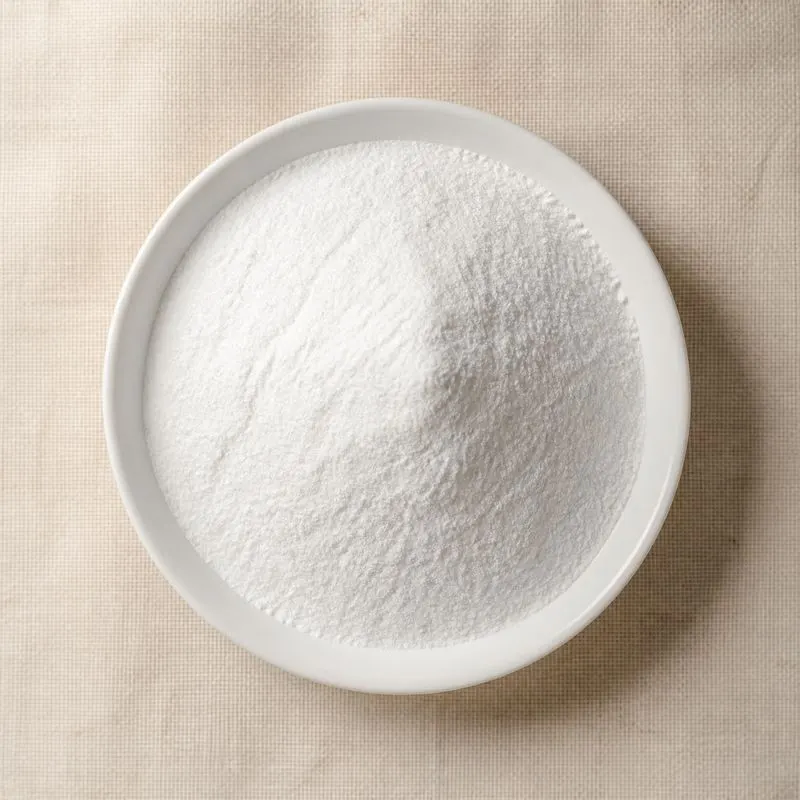
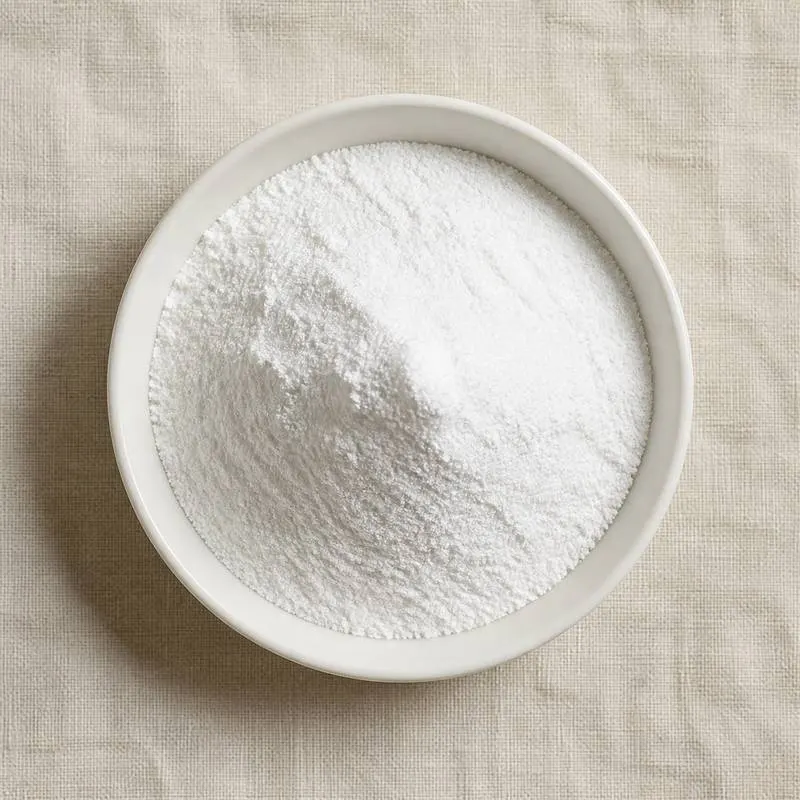
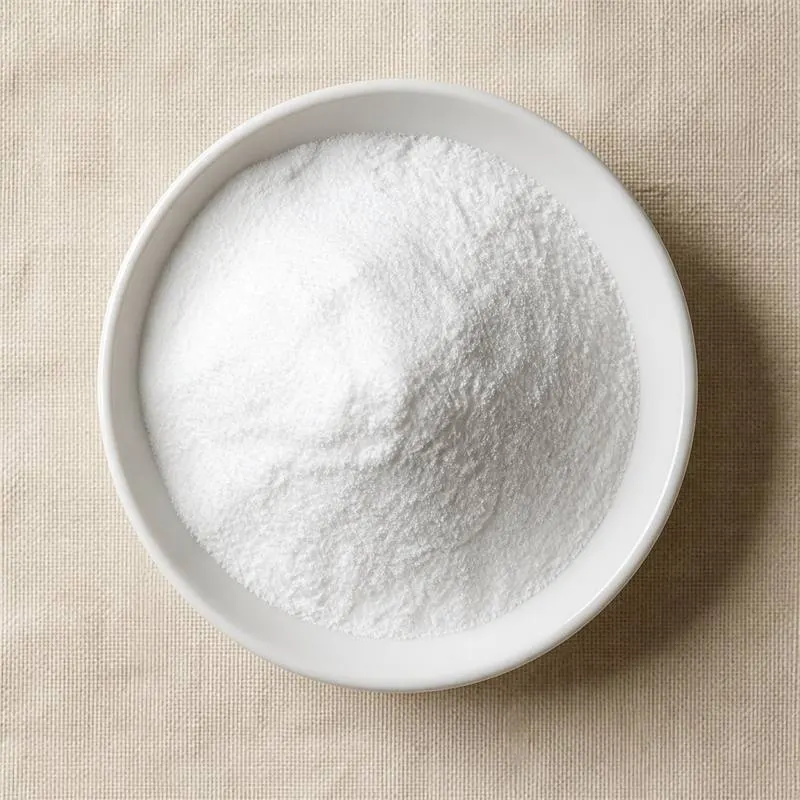
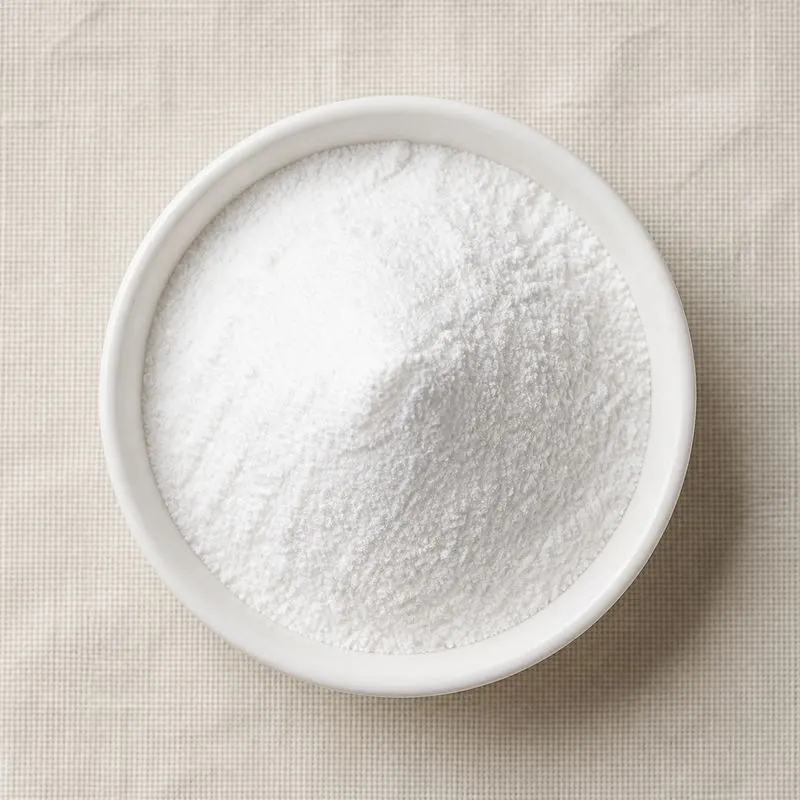
The material is a white crystalline powder, odourless, with a slightly bitter and saline taste. It is freely soluble in water, around 500 g/L, slightly soluble in ethanol and insoluble in ether. A 10 percent solution sits between pH 4.7 and 6.2, in contrast to the strongly alkaline solution the free base gives, and that near neutral pH is the principal formulation reason for choosing the salt. The dry crystal is stable to heat and to long storage.
Arginine is conditionally essential in humans: it is synthesised endogenously through the urea cycle, but requirements rise beyond what the body can make during growth, trauma and sepsis. It is the substrate of nitric oxide synthase, which is the basis of most of its use in sports and cardiovascular formulations, and it is a precursor of creatine, ornithine and polyamines.
We source bulk L-Arginine Hydrochloride from top China manufacturers for our partners, working with several of them. The manufacturers are in Jiangsu and Hebei. A smaller requirement can ship in a combined container with other ingredients.
Please send the grade you need, the volume and your destination port, and we will come back with a solution and a price.
or call +86-21-6858 0751
- Function
- Amino acid
Specifications
| Item | Specification |
|---|---|
| Appearance | White crystalline powder, odourless |
| Assay, dried basis | 98.5 to 101.5 percent |
| Identification | Infrared spectrum conforms, positive for chloride |
| Specific rotation | Plus 21.4 to plus 23.6 degrees |
| Loss on Drying, 105 degrees Celsius | Not more than 0.5 percent |
| Residue on Ignition | Not more than 0.1 percent |
| pH, 10 percent aqueous solution | 4.7 to 6.2 |
| Chloride content | 16.5 to 17.1 percent |
| Ammonium | Not more than 0.02 percent |
| Sulphate as SO4 | Not more than 0.02 percent |
| Other amino acids by chromatography | Not more than 0.5 percent total |
| Lead | Not more than 1 mg/kg |
| Arsenic | Not more than 1 mg/kg |
| Total Plate Count | Not more than 1000 CFU/g |
Common Markets Grades
L-Arginine hydrochloride is traded at 98.5 to 101.5 percent assay on the dried basis in a food and supplement grade against the Food Chemicals Codex, and in a pharmaceutical grade against the USP and Ph. Eur. monographs. The pharmaceutical grade is the one used in infusion and injection manufacture and carries tighter limits on related amino acids, ammonium, residual solvents, endotoxin and microbiological counts. A feed grade at similar assay is sold for aquaculture and poultry premixes.
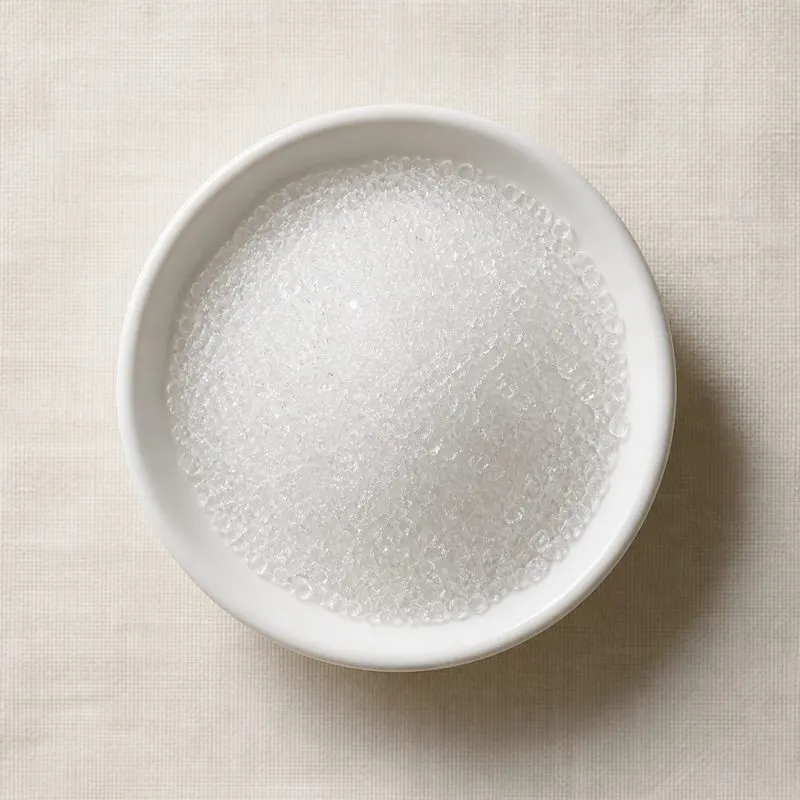
Particle size is the working distinction between offers. A standard crystalline grade of roughly 40 to 80 mesh is the default for capsules and dry blends. A milled fine powder is specified for direct compression tabletting and for rapidly dissolving drink powders. A granulated grade of 20 to 40 mesh is chosen for premixes where dust control and segregation resistance matter. Buyers should note that the salt contains about 16.8 percent chloride, so 1 gram of the hydrochloride delivers roughly 0.83 grams of arginine base, a distinction that matters when a label declares free base equivalent.
Applications
- Pre workout and nitric oxide sports formulations, as the substrate for nitric oxide synthase
- Amino acid capsule and tablet blends, where the salt is preferred to the base because it does not raise the pH of the formulation
- Clinical and immunonutrition formulations for surgical and trauma patients, where arginine requirements exceed endogenous synthesis
- Parenteral nutrition solutions, as a component of the crystalline amino acid pool
- Pharmaceutical infusion products, including preparations used in metabolic testing
- Effervescent and instant drink powders, dissolving quickly without the soapy note of the free base
- Reaction flavour manufacture, where arginine contributes to the nitrogen heterocycle formation that gives roasted and baked notes
- Aquaculture and poultry feed, correcting the arginine shortfall in plant protein based rations, particularly for birds which lack a functioning urea cycle
- Oral care products, where arginine is used in formulations targeting dentine sensitivity and plaque pH
- Cosmetic formulation, as a pH adjusting amino acid in skin and hair products
Brands Using L-Arginine Hydrochloride
Widely-distributed consumer products that list L-Arginine Hydrochloride on the ingredient label.
Brand names, product names and logos are the property of their owners. They appear here as published evidence that the ingredient is used, taken from the brand's own label or website. Their appearance is not an endorsement, and it does not mean the brand buys from us or from any manufacturer listed on this site.
China Manufacturers of L-Arginine Hydrochloride
Top L-Arginine Hydrochloride manufacturers in China.
- Hebei Huayang Biological Technology Co., Ltd.13 ingredients in the directory
 Jiangsu Quanjia Shun Health Technology Co., Ltd.12 ingredients in the directory
 Wuxi Jinghai Amino Acid Co., Ltd.18 ingredients in the directory
Company names and logos are the property of the manufacturers themselves. They are listed here because our own directory records them as producing this ingredient. A listing is not an endorsement by them, and we do not represent them or speak on their behalf.
Regulatory Status
In the United States L-arginine and its hydrochloride are used as added nutrients under 21 CFR 172.320, the food additive regulation governing the addition of amino acids to food for nutritive purposes, and in dietary supplements under the Dietary Supplement Health and Education Act. L-Arginine hydrochloride carries monographs in the United States Pharmacopeia and the Food Chemicals Codex, and arginine hydrochloride injection is an approved drug product. Feed use is covered by the ingredient definitions of the Association of American Feed Control Officials.
In the European Union amino acids added for nutritional purposes fall under Regulation (EC) No 1925/2006 for foods and Directive 2002/46/EC for food supplements, and L-arginine and L-arginine hydrochloride appear among the permitted forms. There is no E number, because arginine is a nutrient rather than a technological additive. It is also a permitted ingredient in foods for special medical purposes. Regulation (EC) No 1831/2003 authorises it as a feed additive in the nutritional additives category. A European Pharmacopoeia monograph applies to the pharmaceutical grade, and the Joint FAO/WHO Expert Committee on Food Additives has considered arginine among the amino acids used in food.
Manufacturing Process
L-Arginine is made by submerged aerobic fermentation using arginine overproducing mutants of Corynebacterium glutamicum or Brevibacterium flavum in which the feedback inhibition of the ornithine and arginine pathway has been released. The substrate is glucose from hydrolysed maize or cassava starch, or sucrose from cane molasses, with ammonium salts or urea supplying nitrogen alongside phosphate, magnesium and trace metals. The fermenter is run fed batch for two to three days at around 32 degrees Celsius under close control of dissolved oxygen, pH and residual sugar.
At harvest the broth is heated and the biomass is separated by centrifugation or ultrafiltration. Because arginine is strongly basic it is captured cleanly on a strong acid cation exchange resin, which holds the arginine cation while sugars, organic acids and most other amino acids pass through. The resin is eluted with ammonia, the eluate is stripped of ammonia and decolourised over activated carbon, and hydrochloric acid is added to a defined endpoint to form the hydrochloride. The liquor is concentrated under vacuum, crystallised by cooling, and the crystal is recovered on a centrifuge, washed, dried in a fluid bed dryer, then milled or granulated, screened and packed.