L-Carnitine Base
L-Carnitine base is L-carnitine in its free form rather than as a salt, a quaternary ammonium compound biosynthesised in the body from lysine and methionine. Its physiological role is transport: it carries long chain fatty acids across the inner mitochondrial membrane so they can be oxidised for energy, and it shuttles the resulting acyl groups back out as acylcarnitines.
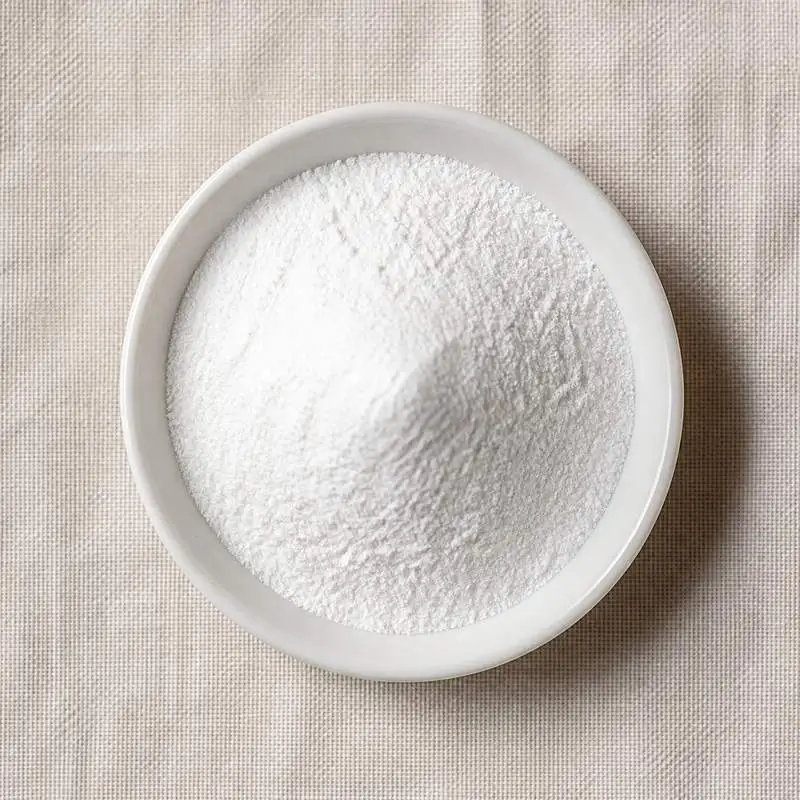
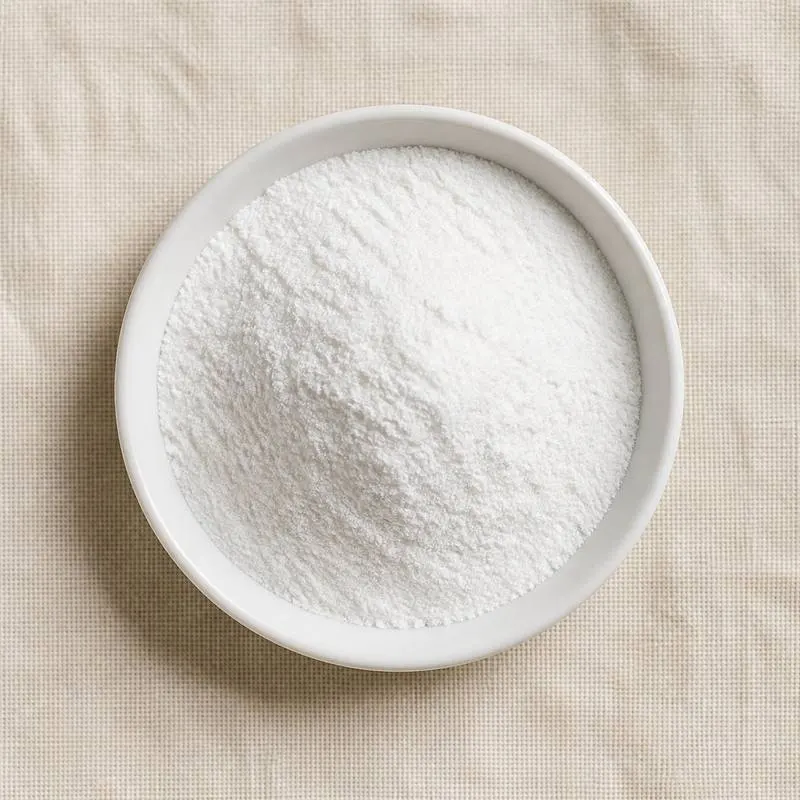
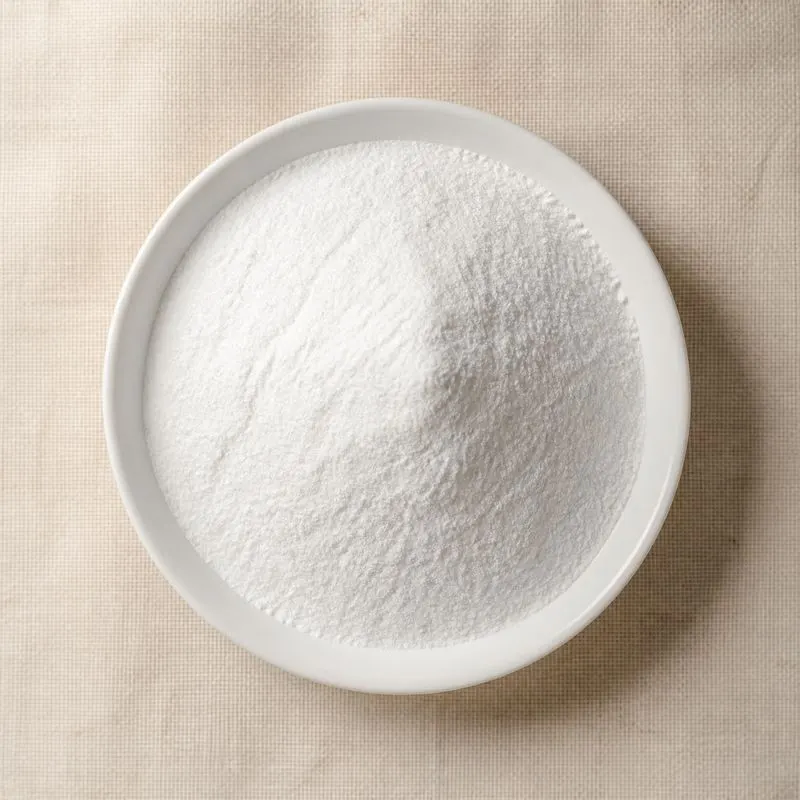
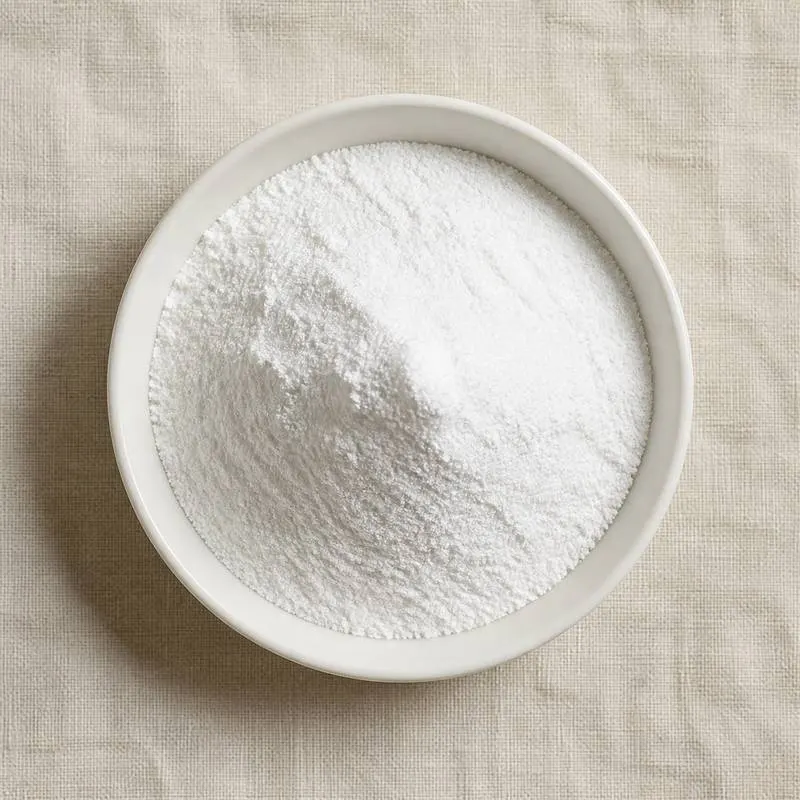
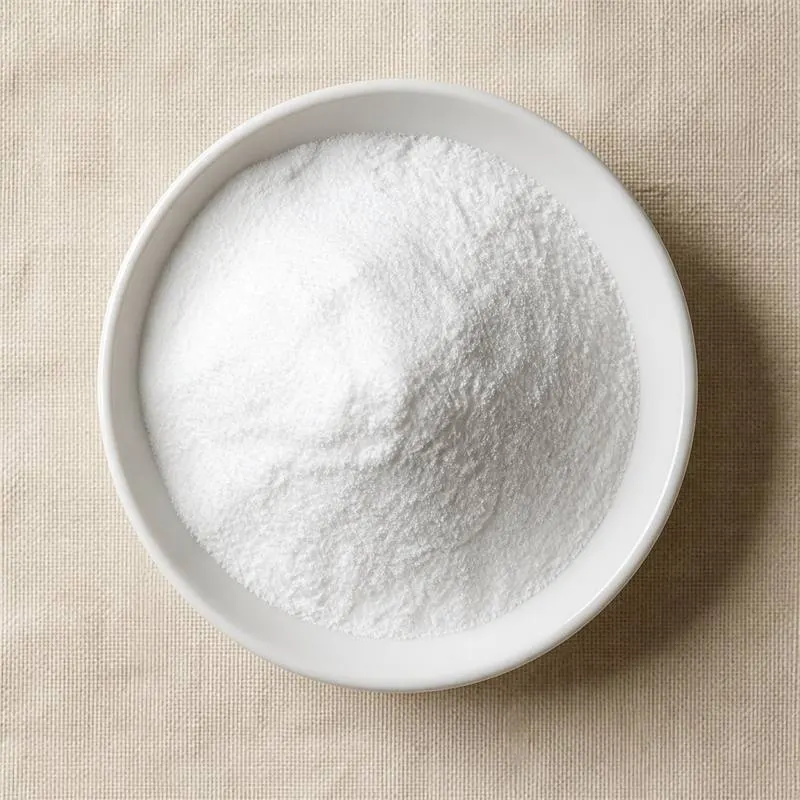
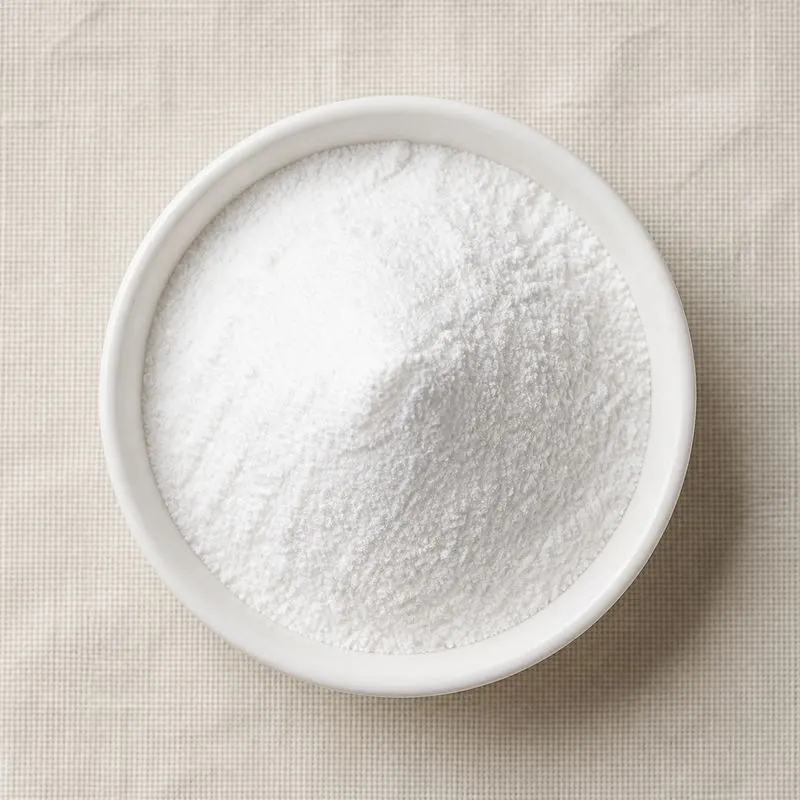
The base is a white crystalline powder, odourless, with a slightly bitter taste. It is extremely hygroscopic, taking up enough water from the air to turn liquid if left exposed, which sets the whole handling regime for the material. It is very freely soluble in water, soluble in ethanol and insoluble in non polar solvents, and a 10 percent solution is close to neutral at pH 6 to 8. Only the L isomer is biologically active; the D isomer is a competitive inhibitor of carnitine transport, so optical purity is a critical specification rather than a fine point.
Because the base is hard to keep dry, formulators frequently choose a salt form such as L-carnitine L-tartrate or a fumarate for solid dose work, and reserve the base for liquid concentrates, for injectable and infusion products, and for applications where the counter ion of a salt is unwanted.
We source bulk L-Carnitine Base from top China manufacturers for our partners, working with several of them. The manufacturers are in Liaoning and Hubei. A smaller requirement can ship in a combined container with other ingredients.
Please send the grade you need, the volume and your destination port, and we will come back with a solution and a price.
or call +86-21-6858 0751
- Function
- Amino acid
Specifications
| Item | Specification |
|---|---|
| Appearance | White crystalline powder, deliquescent |
| Assay, dried basis | 97.0 to 103.0 percent |
| Identification | Infrared spectrum conforms |
| Specific rotation | Minus 29.0 to minus 32.0 degrees |
| Optical purity, D isomer | Not more than 0.5 percent |
| Loss on Drying, vacuum at 60 degrees Celsius | Not more than 1.0 percent |
| Residue on Ignition | Not more than 0.5 percent |
| pH, 10 percent aqueous solution | 6.0 to 8.0 |
| Trimethylamine | Not more than 100 mg/kg |
| Chloride as Cl | Not more than 0.2 percent |
| Lead | Not more than 1 mg/kg |
| Arsenic | Not more than 1 mg/kg |
| Total Plate Count | Not more than 1000 CFU/g |
| Yeast and Mould | Not more than 100 CFU/g |
| E. coli and Salmonella | Absent in 10 g and in 25 g |
Common Markets Grades
L-Carnitine base is traded at 97.0 to 103.0 percent assay on the dried basis in both a food and supplement grade and a pharmaceutical grade meeting the USP and Ph. Eur. monographs. The pharmaceutical grade carries tighter limits on the D isomer, on related substances such as crotonobetaine and trimethylamine, on residual solvents and on microbiological counts, and is the grade used in injectable and dialysis preparations. A feed grade at the same nominal assay is sold for aquaculture and poultry premixes.
Because of the hygroscopicity the practical distinction between offers is physical protection rather than particle size. A standard crystalline powder is packed under nitrogen in aluminium foil laminate with a desiccant, and is intended to be opened and used in one go. A silica or maltodextrin carried grade, typically declared at 50 to 68 percent L-carnitine, is used where free flow in a dry blend matters more than potency. Liquid grades are sold as a 50 to 60 percent aqueous solution, which sidesteps the moisture problem entirely and is the usual choice for shot and syrup manufacture. Encapsulated and granulated grades with a fat or cellulose ether coating are available for tabletting and for feed premixing.
Applications
- Sports nutrition and weight management products, in capsules, shots and ready to drink formats aimed at fatty acid oxidation during exercise
- Liquid supplement concentrates and syrups, where the base is used because no salt counter ion is wanted in the finished liquid
- Infant formula, particularly soy based and specialised formulas, since the carnitine content of cow milk is not replicated by the protein source
- Clinical nutrition, including parenteral solutions and formulations for dialysis patients who lose carnitine during treatment
- Prescription preparations for primary and secondary carnitine deficiency
- Aquaculture feed, supporting lipid utilisation in high energy diets for shrimp and marine fish
- Poultry and swine feed, improving fat deposition patterns and supporting performance in high energy rations
- Functional beverages and energy drinks, using a liquid grade to avoid the caking problems of the dry base
- Veterinary and equine supplements, in performance and recovery formulations
Brands Using L-Carnitine Base
Widely-distributed consumer products that list L-Carnitine Base on the ingredient label.
Brand names, product names and logos are the property of their owners. They appear here as published evidence that the ingredient is used, taken from the brand's own label or website. Their appearance is not an endorsement, and it does not mean the brand buys from us or from any manufacturer listed on this site.
China Manufacturers of L-Carnitine Base
Top L-Carnitine Base manufacturers in China.
 Hubei Grand Life Science & Technology Co., Ltd.6 ingredients in the directory
 Kaiyuan Hengtai Nutrition Co., Ltd.9 ingredients in the directory
 Liaoning Koncepnutra Co., Ltd.11 ingredients in the directory
Company names and logos are the property of the manufacturers themselves. They are listed here because our own directory records them as producing this ingredient. A listing is not an endorsement by them, and we do not represent them or speak on their behalf.
Regulatory Status
In the United States L-carnitine is used in dietary supplements under the Dietary Supplement Health and Education Act, and several L-carnitine preparations have been the subject of successful GRAS notifications to the Food and Drug Administration for use in conventional foods and beverages at defined levels. Levocarnitine is separately approved as a prescription drug for primary and secondary carnitine deficiency, and L-carnitine carries a monograph in the United States Pharmacopeia. Its use in animal feed is covered by the ingredient definitions of the Association of American Feed Control Officials.
In the European Union L-carnitine has no E number, since it is a nutrient rather than a technological additive. Directive 2002/46/EC permits it as a source of the substance in food supplements, the legislation on foods for particular nutritional uses authorises its use, and the delegated regulation covering infant and follow on formula lists it as a permitted optional ingredient. The European Food Safety Authority has issued opinions on its use in infant formula and in supplements. Regulation (EC) No 1831/2003 authorises it as a feed additive in the nutritional additives category. A European Pharmacopoeia monograph applies to the pharmaceutical grade.
Manufacturing Process
Industrial L-carnitine is made by routes that all have to solve the same problem, which is producing a single enantiomer. The dominant commercial process is a biotransformation. Crotonobetaine or gamma butyrobetaine, derived from trimethylamine and an appropriate four carbon feedstock, is fed to a whole cell biocatalyst, typically a Rhodococcus, Escherichia or Agrobacterium strain that expresses carnitine dehydratase or gamma butyrobetaine hydroxylase. The enzyme hydrates or hydroxylates the substrate stereospecifically, giving L-carnitine in high optical purity in a single step. An alternative chemical route builds racemic carnitine from epichlorohydrin and trimethylamine and then resolves it with a chiral acid, recycling the unwanted D isomer through racemisation.
Recovery is common to both. The clarified broth or reaction liquor is freed of cells by centrifugation or membrane filtration, then passed over ion exchange resin, which retains the carnitine cation while salts and organic acids pass through, and the resin is eluted with ammonia or dilute acid. The eluate is decolourised over activated carbon, concentrated under vacuum and crystallised, usually from an alcohol or alcohol water system, since crystallising from water alone is impractical with so hygroscopic a solid. The crystal is centrifuged, washed with chilled solvent, and dried under vacuum in dehumidified air, then milled and packed immediately under nitrogen.