L-Carnitine L-Tartrate
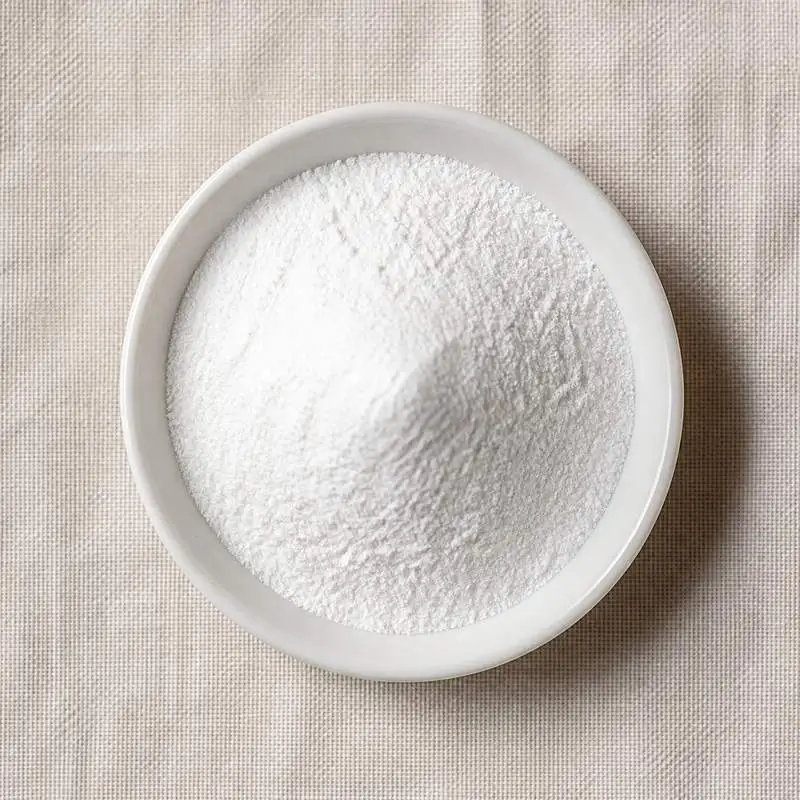
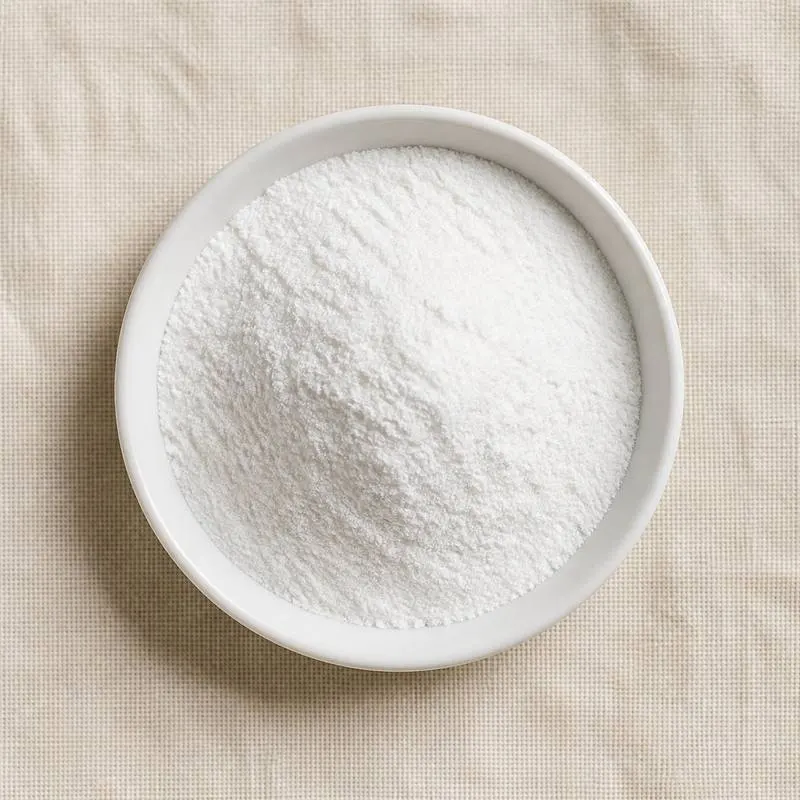
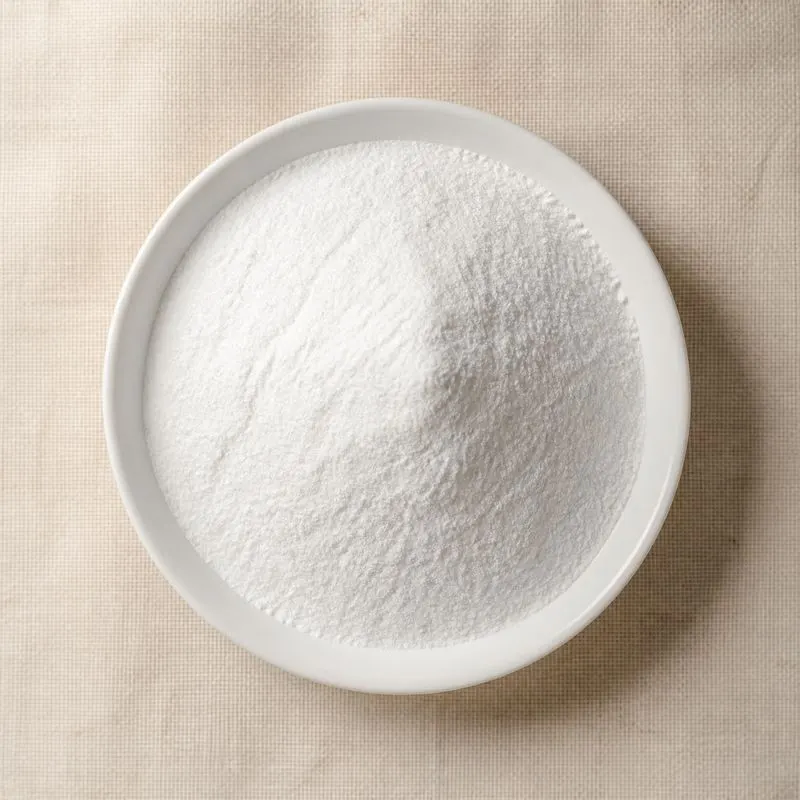
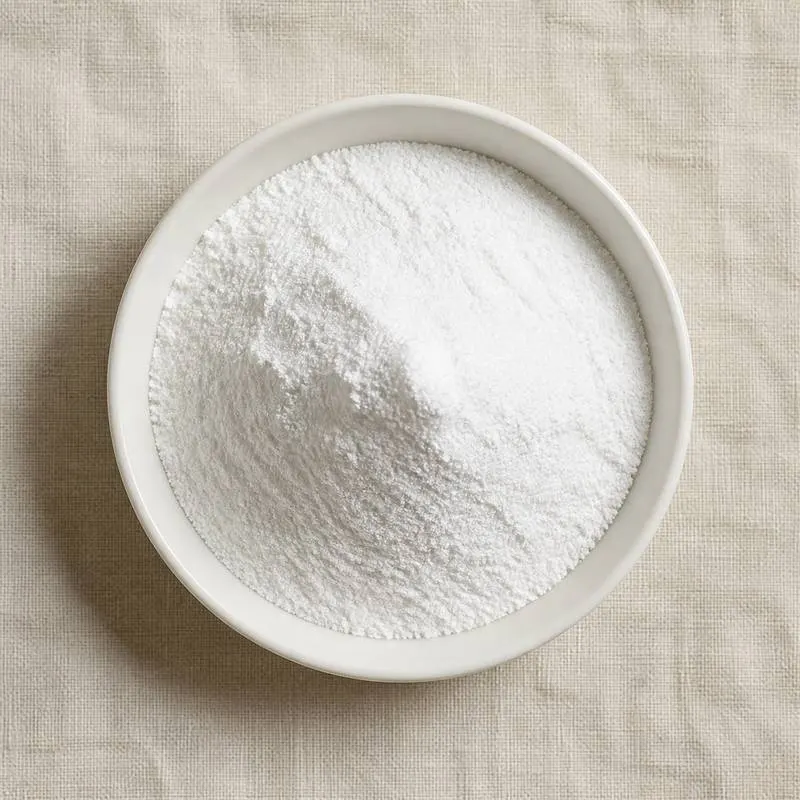
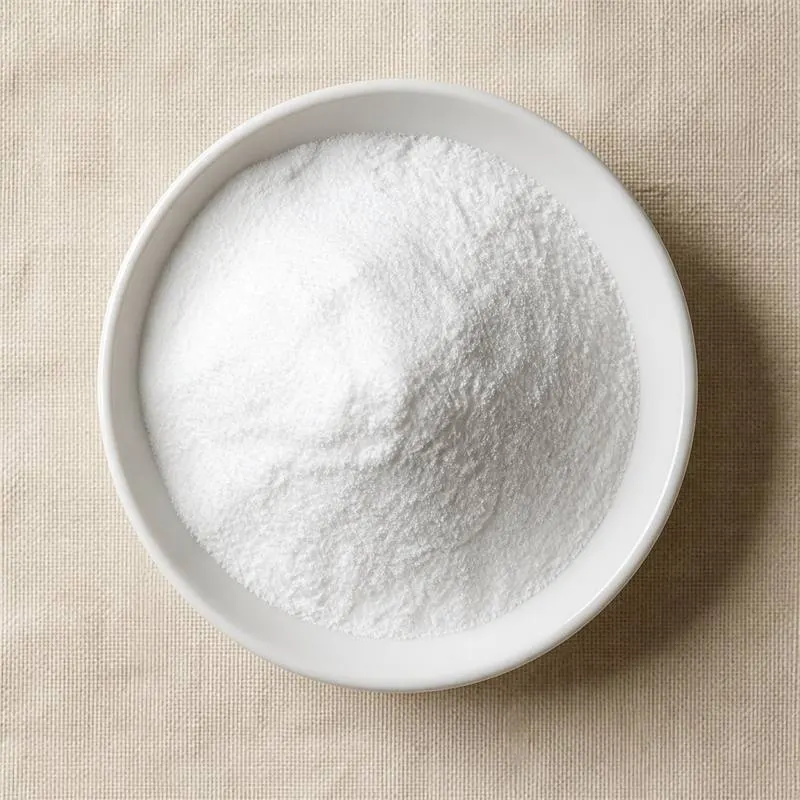
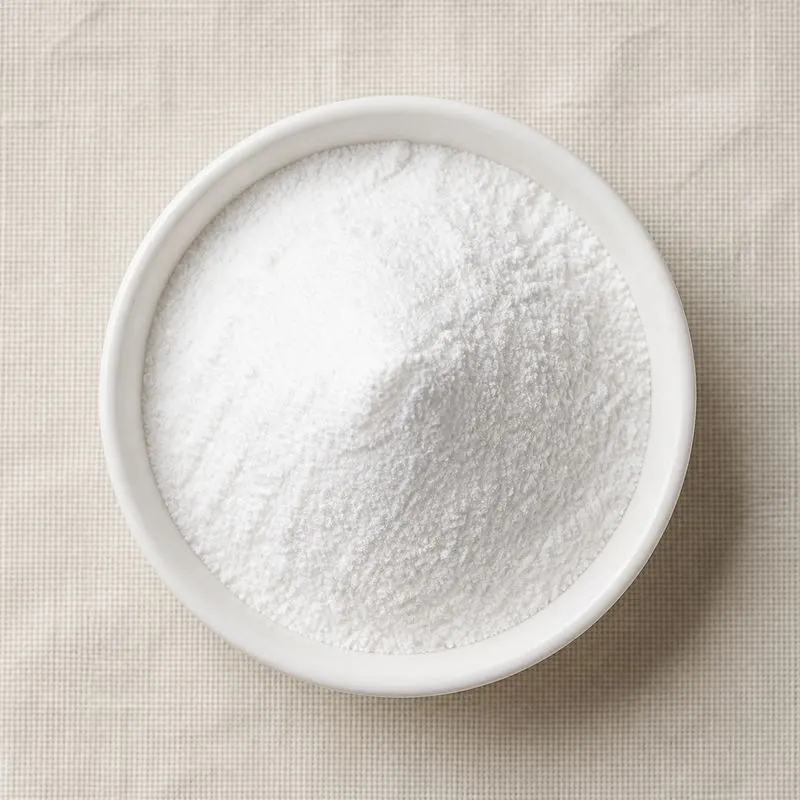
L-Carnitine L-Tartrate (LCLT) is a 2:1 molecular salt of L-carnitine and L-tartaric acid that delivers 68 percent L-carnitine by weight in a non-hygroscopic, free-flowing crystalline powder. It is the salt of choice for tableted sports-nutrition products and for any solid format that has to survive long shelf life in humid climates.
The salt was developed and patented by Lonza in the 1990s and is sold under the Carnipure tartrate brand alongside multiple Chinese generic equivalents. CAS 36687-82-8.
We source bulk L-Carnitine L-Tartrate from top China manufacturers for our partners, working with several of them. The manufacturers are in Liaoning and Hubei. For this ingredient the minimum order is 500 kg and a 20-foot container takes 10 MT, and a smaller requirement can ship in a combined container with other ingredients.
Please send the grade you need, the volume and your destination port, and we will come back with a solution and a price.
or call +86-21-6858 0751
- Minimum order
- 500 kg
- Qty in 20' FCL
- 10 MT
- Packaging
- 25 kg kraft paper bag with PE inner liner
- ISO 9001
- HACCP
- Halal
- Kosher
Specifications
| Item | Specification |
|---|---|
| Appearance | White crystalline powder, non-hygroscopic |
| Identification (IR and HPLC) | Conforms to reference standard |
| Assay (as L-Carnitine L-Tartrate, dried basis) | 99.0 – 101.0% |
| L-Carnitine Content (HPLC) | 67.0 – 69.0% |
| L-Tartaric Acid Content (HPLC) | 31.0 – 33.0% |
| Specific Rotation [α]D²⁰ | -9.5° to -11.0° (c = 1, water) |
| D-Carnitine | ≤ 0.5% |
| Appearance of Solution (10% w/v) | Clear and Colourless |
| pH (1% aqueous solution) | 3.0 – 4.5 |
| Water (Karl Fischer) | ≤ 0.5% |
| Residue on Ignition | ≤ 0.5% |
| Heavy Metals (as Pb) | ≤ 10 mg/kg |
| Arsenic (as As) | ≤ 1 mg/kg |
| Total Plate Count | ≤ 1,000 cfu/g |
| Pathogens (E. coli, Salmonella) | Negative/25g |
Common Markets Grades
One principal supplement grade covers L-Carnitine L-Tartrate.
Assay is typically 99.0 to 101.0 percent on the dried basis, with L-carnitine content of 67.0 to 69.0 percent and L-tartaric acid balancing the salt. D-carnitine, free tartaric acid, residual solvents, and heavy metals are controlled to tight in-house limits aligned with European food-supplement requirements.
The material comes as a fine powder for capsule fill, a granulated grade for direct compression, and a denser flake for stick-pack and sachet filling.
The tartrate salt has superior flow and compression behaviour to both the free base and the HCl form, and it tastes notably less harsh, which favors its use in chewable and orodispersible tablets.
Applications
- Pre-workout and recovery powders for strength athletes
- Capsule and tablet sports supplements at 1 to 3 g per serving
- Functional protein bars and ready-to-mix shakes
- Energy and endurance gel-style formats
- Weight-management formulations alongside green tea extract and chromium
- Stick-pack drink mixes for hydration and recovery
- Multivitamin sports premixes
- Direct-compression chewable tablets where taste matters
- Effervescent formats compatible with citric and tartaric acid systems
- Equine performance supplements for racehorses and endurance horses
- Senior-nutrition powders for muscle maintenance
- Clinical-nutrition fortified beverages for sarcopenia research
Brands Using L-Carnitine L-Tartrate
Widely-distributed consumer products that list L-Carnitine L-Tartrate on the ingredient label.
- MuscleTechPlatinum 100% L-Carnitine (Essential Series) 500 mg ↗Each capsule supplies 500 mg of L-carnitine (as L-carnitine L-tartrate), the most-researched form of L-carnitine for sports nutrition.Label verified 2026-05-24
- BSNCarnitine DNA ↗BSN's DNA Series Carnitine tablets supply 500 mg of L-carnitine L-tartrate per serving for fat metabolism support.Label verified 2026-05-24
- Transparent LabsPost-Workout ↗Post-Workout recovery formula features Carnipure (Lonza) L-carnitine L-tartrate alongside creatine and tart-cherry for recovery and reduced soreness.Label verified 2026-05-24
- NutricostL-Carnitine Tartrate 500 mg Capsules ↗Each capsule provides 500 mg L-carnitine tartrate (1,000 mg per 2-cap serving) for energy and exercise performance.Label verified 2026-05-24
- Source NaturalsL-Carnitine (tartrate) 500 mg ↗Source Naturals supplies L-carnitine as L-carnitine L-tartrate (500 mg and 250 mg capsule strengths) for muscle energy support.Label verified 2026-05-24
- ALLMAX NutritionL-Carnitine Capsules ↗Each serving delivers 1,000 mg of L-carnitine from 1,470 mg L-carnitine L-tartrate (LCLT) plus 20 mg Vitamin B5, stimulant-free.Label verified 2026-05-24
Brand names, product names and logos are the property of their owners. They appear here as published evidence that the ingredient is used, taken from the brand's own label or website. Their appearance is not an endorsement, and it does not mean the brand buys from us or from any manufacturer listed on this site.
China Manufacturers of L-Carnitine L-Tartrate
Top L-Carnitine L-Tartrate manufacturers in China.
 Hubei Grand Life Science & Technology Co., Ltd.6 ingredients in the directory
 Kaiyuan Hengtai Nutrition Co., Ltd.9 ingredients in the directory
 Liaoning Koncepnutra Co., Ltd.11 ingredients in the directory
Company names and logos are the property of the manufacturers themselves. They are listed here because our own directory records them as producing this ingredient. A listing is not an endorsement by them, and we do not represent them or speak on their behalf.
How We Help Source L-Carnitine L-Tartrate
Direct Factory Sourcing
We run the whole process: selecting the manufacturer from the top Chinese food ingredient producers, negotiating the price, verifying quality, and coordinating the logistics. You deal with us instead of with several factories at once.
Original Packaging and Documents from the Manufacturer
The manufacturer sends your L-Carnitine L-Tartrate out of its own factory in the original packing, through to your destination port. The COA, COO, MSDS, TDS and any certifications reach you from the manufacturer as well.
Free Samples and Lead Time
We send 100 to 500 g free for your own laboratory to test and you cover only the courier, usually within 2 to 3 working days. ETD is usually within 7 to 15 days once the order is confirmed, and we check that date against the factory's own manufacturing schedule before we give it to you.
Combined Shipment
We can load L-Carnitine L-Tartrate together with other ingredients such as Glycine, L-Arginine and L-Leucine into one 20' FCL. If your quantity is small, we can also ship LCL.
Regulatory Status
L-Carnitine L-Tartrate is the L-carnitine salt of reference in the European food-supplement framework. EFSA has issued favorable opinions on its use in food supplements and in foods for particular nutritional purposes.
It is permitted in the European Union under the Food Supplements Directive (2002/46/EC) Annex II for L-carnitine sources. In the United States it is sold as a dietary ingredient under DSHEA and is widely used in mainstream sports-nutrition lines.
Several major suppliers carry self-affirmed GRAS positions for specific use levels in functional foods and beverages. Halal, Kosher, and non-GMO certifications are routinely available.
The Carnipure brand operates a quality-mark licensing program, with finished-product holders permitted to display the mark subject to inclusion-level audit.
Manufacturing Process
L-Carnitine L-Tartrate is produced by reaction of L-carnitine free base with L-tartaric acid in a 2:1 molar ratio in aqueous or aqueous-alcohol solvent, followed by controlled crystallisation.
The L-carnitine starting material is produced either from Lonza's asymmetric synthesis from epichlorohydrin or from the biocatalytic route operated by Chinese producers from crotonobetaine. L-tartaric acid is sourced from grape-derived or fermentation-derived material to support natural-positioning supplement claims.
Crystallisation is run with seeding and controlled cooling to deliver the desired habit and bulk density, after which the wet cake is washed with cold alcohol, vacuum dried, milled, and sieved.
Chiral purity of both the carnitine and the tartrate is monitored, since racemic or D-D contamination affects salt geometry, hygroscopicity, and dissolution behaviour.