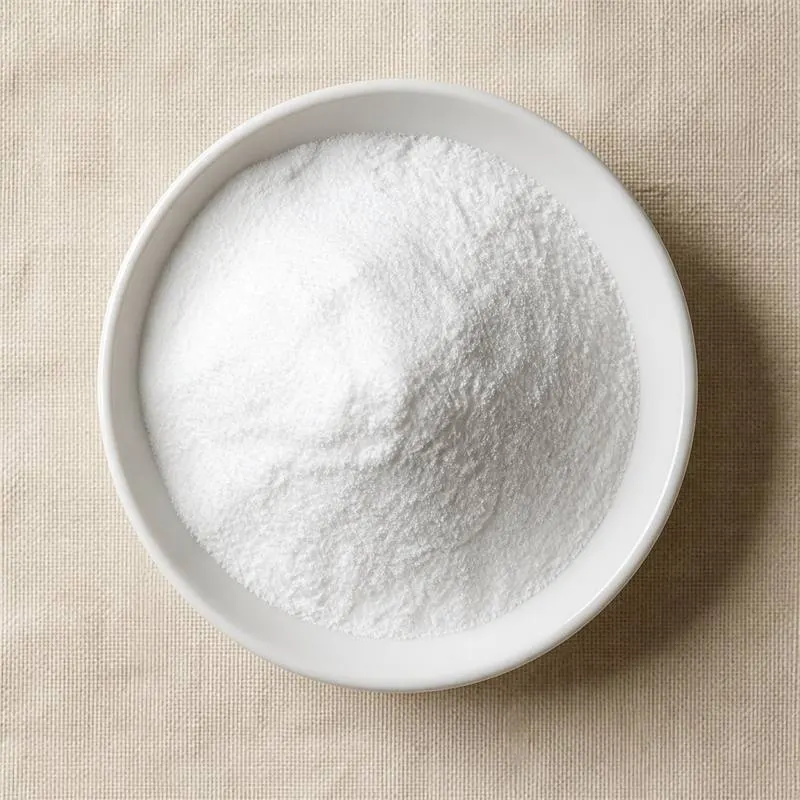
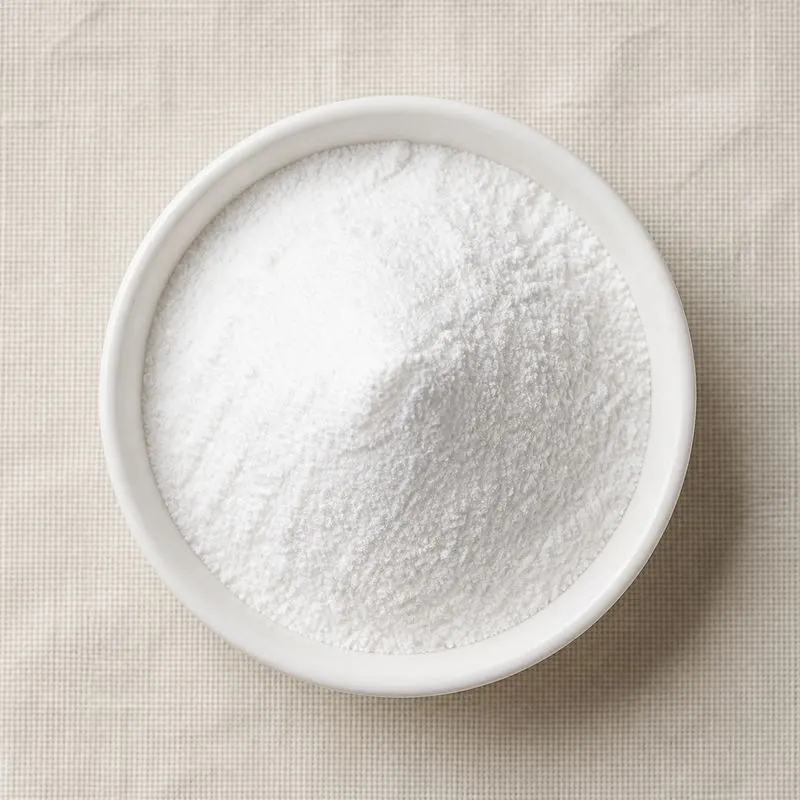
L-Citrulline DL-Malate
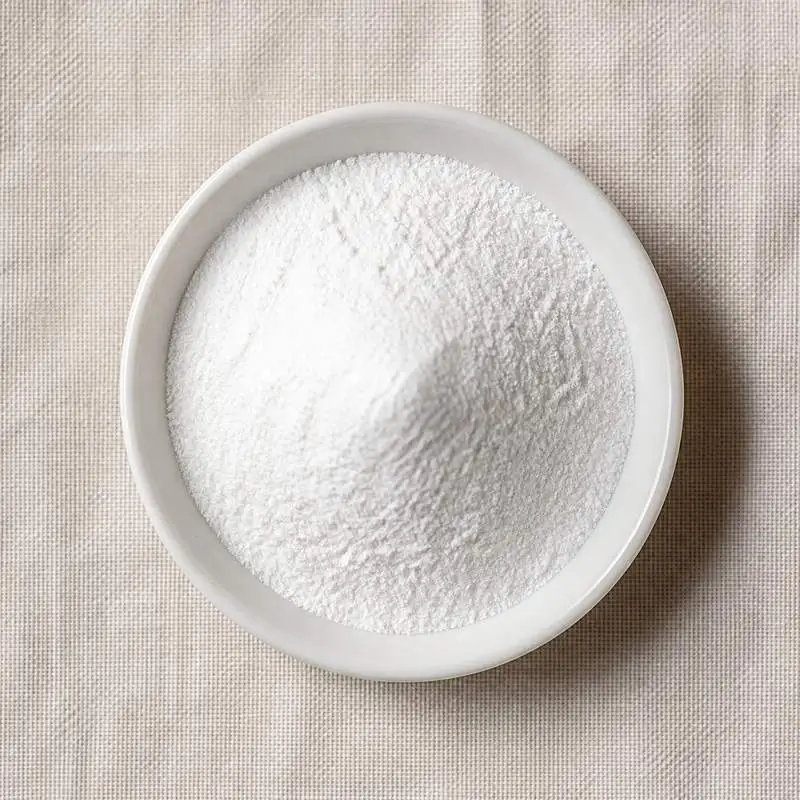
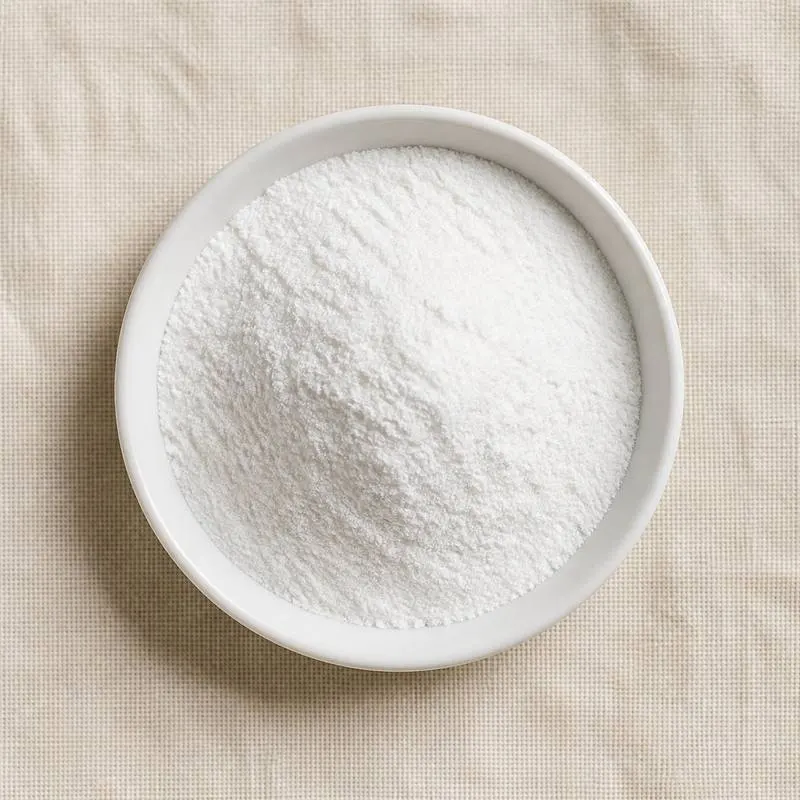
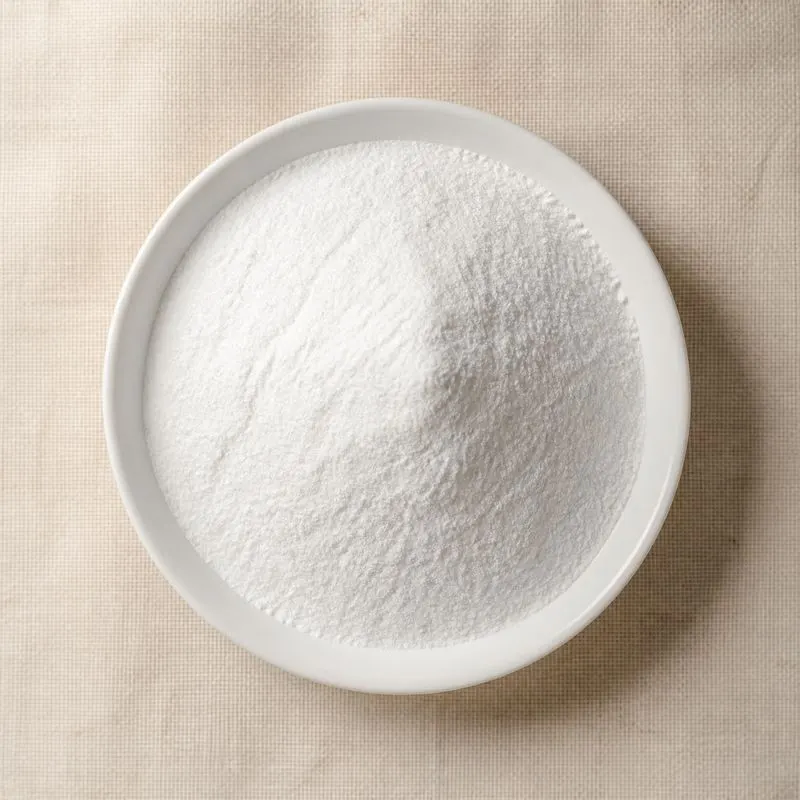
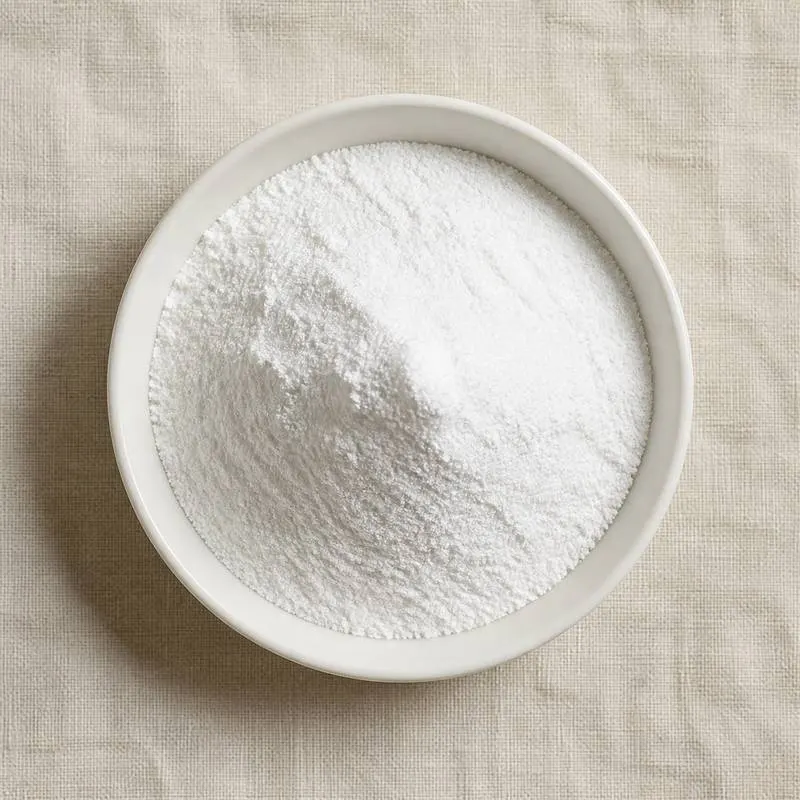
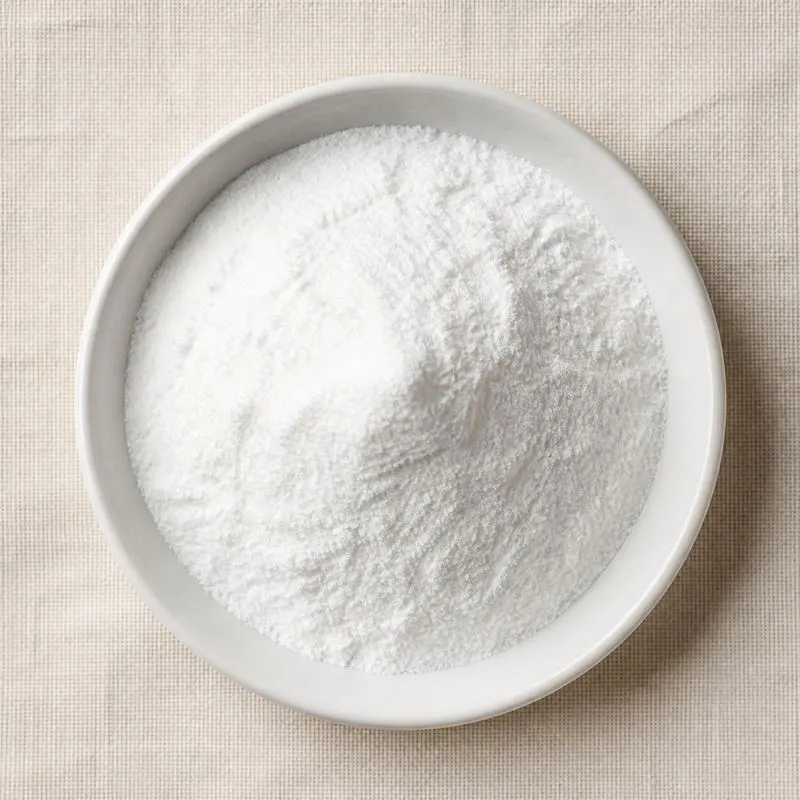
L-Citrulline DL-Malate is a co-crystallised or co-processed salt of L-citrulline with DL-malic acid, sold as a fine white to off-white powder.
The product combines the urea cycle amino acid L-citrulline with malic acid, a Krebs cycle intermediate, in a defined molar ratio. It is the most widely studied form of citrulline in resistance exercise research and the dominant ingredient in pre-workout pump and endurance blends.
We source bulk L-Citrulline DL-Malate from top China manufacturers for our partners. The manufacturer is in Hebei. For this ingredient the minimum order is 500 kg, and a smaller requirement can ship in a combined container with other ingredients.
Please send the grade you need, the volume and your destination port, and we will come back with a solution and a price.
or call +86-21-6858 0751
- Minimum order
- 500 kg
- Packaging
- 25 kg kraft paper bag with PE inner liner
- Function
- Amino acid
- ISO 9001
- HACCP
- Halal
- Kosher
Specifications
Grades / Types Available: Pharmaceutical Grade
| Item | Specification |
|---|---|
| Appearance | White to off-white powder |
| L-Citrulline Content | ≥55.0% (2:1 ratio) |
| DL-Malic Acid Content | ≥30.0% |
| Loss on Drying | ≤1.0% |
| Residue on Ignition | ≤0.5% |
| pH (5% solution) | 3.0–5.0 |
| Heavy Metals (as Pb) | ≤10 ppm |
| Arsenic | ≤1 ppm |
| Particle Size | 95% pass 80 mesh |
| Total Plate Count | ≤1000 CFU/g |
| Purity/Assay | ≥ 98% |
| Moisture/Loss on Drying | ≤ 0.5% |
| Lead | ≤ 1 ppm |
| Yeast & Mold | ≤ 100 cfu/g |
Common Markets Grades
Citrulline malate comes in two industry-standard molar ratios.
Citrulline Malate 1:1 contains one mole of L-citrulline per mole of DL-malic acid and delivers roughly 56 percent L-citrulline by mass. It is the original commercial form and is still used in legacy formulations.
Citrulline Malate 2:1 contains two moles of L-citrulline per mole of DL-malic acid and delivers roughly 71 percent L-citrulline. It is the format used in the bulk of contemporary clinical sports nutrition trials and has become the standard in practice in pre-workout products.
Both grades are graded at 98 percent or higher total assay, with the malate fraction measured by titration and the citrulline fraction by ion-exchange or HPLC. Fermentation-source citrulline qualifies the finished blend for vegan and Halal positioning.
Applications
- Pre-workout powders for vasodilation, pump, and training volume positioning
- Resistance training supplements at typical doses of 6 to 8 grams of the 2:1 form
- Endurance and high-volume bodybuilding programs for delayed muscle fatigue
- Intra-workout blends combined with BCAAs, beta-alanine, and electrolytes
- Nitric oxide stacks paired with arginine alpha-ketoglutarate or agmatine
- Functional sports beverages and ready-to-drink performance shots
- Cycling, running, and combat sports formulations for repeated-bout efforts
- Effervescent tablets and stick packs for portable pre-training use
- Standalone citrulline malate powders for advanced users stacking with whole foods
- Recovery formulations addressing post-exercise muscle soreness
- Equine performance and endurance supplements
- Adult vascular and erectile health formulations
Brands Using L-Citrulline DL-Malate
Widely-distributed consumer products that list L-Citrulline DL-Malate on the ingredient label.
- BulkSupplementsL-Citrulline DL-Malate 2:1 Powder ↗Pure L-Citrulline DL-Malate in a 2:1 ratio providing a higher concentration of L-Citrulline vs. malic acid for performance and endurance.Label verified 2026-05-24
- MyProteinCitrulline Malate Powder ↗Unflavored powder is 100% Citrulline Malate (2:1) with nothing added or taken away.Label verified 2026-05-24
- Transparent LabsBULK Pre-Workout ↗Supplement Facts list Citrulline Malate 8,000 mg per scoop as the lead pump and endurance ingredient.Label verified 2026-05-24
- Optimum NutritionGold Standard Pre-Workout ↗Standard formula includes 750 mg L-Citrulline Malate per scoop alongside 1.5 g CarnoSyn beta-alanine and 3 g Creapure creatine.Label verified 2026-05-24
- MuscleTechAmino Build ↗The formula uses L-citrulline malate.Label verified 2026-05-24
Brand names, product names and logos are the property of their owners. They appear here as published evidence that the ingredient is used, taken from the brand's own label or website. Their appearance is not an endorsement, and it does not mean the brand buys from us or from any manufacturer listed on this site.
China Manufacturers of L-Citrulline DL-Malate
Top L-Citrulline DL-Malate manufacturers in China.

Company names and logos are the property of the manufacturers themselves. They are listed here because our own directory records them as producing this ingredient. A listing is not an endorsement by them, and we do not represent them or speak on their behalf.
How We Help Source L-Citrulline DL-Malate
Direct Factory Sourcing
We run the whole process: selecting the manufacturer from the top Chinese food ingredient producers, negotiating the price, verifying quality, and coordinating the logistics. You deal with us instead of with several factories at once.
Original Packaging and Documents from the Manufacturer
The manufacturer sends your L-Citrulline DL-Malate out of its own factory in the original packing, through to your destination port. The COA, COO, MSDS, TDS and any certifications reach you from the manufacturer as well.
Free Samples and Lead Time
We send 100 to 500 g free for your own laboratory to test and you cover only the courier, usually within 2 to 3 working days. ETD is usually within 7 to 15 days once the order is confirmed, and we check that date against the factory's own manufacturing schedule before we give it to you.
Combined Shipment
We can load L-Citrulline DL-Malate together with other ingredients such as Glycine, L-Arginine and L-Leucine into one 20' FCL. If your quantity is small, we can also ship LCL.
Regulatory Status
Both components carry well-established food and supplement regulatory status.
L-citrulline is recognised for dietary supplement use in the United States, the European Union, Japan, and most regulated markets, as covered in the L-citrulline entry.
DL-malic acid is approved as a food additive, acidulant, and flavouring agent in essentially every regulated market. In the European Union it carries the E number E296, and in the United States 21 CFR 184.1069 gives it GRAS status.
The combined citrulline malate product is produced for supplement use under the same regulatory frameworks that govern its components. It is not classified as a novel ingredient in most markets.
Sports anti-doping authorities including the World Anti-Doping Agency do not list either citrulline or malic acid as prohibited substances, and finished products can be certified to Informed Sport and NSF Certified for Sport standards.
Manufacturing Process
Manufacture begins with separately produced L-citrulline and DL-malic acid.
L-citrulline is sourced from microbial fermentation as described in the citrulline entry. DL-malic acid is produced by hydration of maleic anhydride or fumaric acid under catalysis, giving the racemic mixture of D and L isomers.
The two components are combined in solution at the target 1:1 or 2:1 molar ratio, with pH and concentration controlled to favor co-crystallisation. Slow cooling and evaporative crystallisation produce particles in which the amino acid and the diacid are intimately associated.
An alternative approach uses fluid-bed agglomeration or spray drying of a stoichiometric solution, yielding a free-flowing granulation that disperses rapidly in shaker bottles. The finished product is dried to low residual moisture and packaged under controlled humidity to preserve flow and dissolution properties.