L-Cysteine
L-Cysteine is a sulphur-containing amino acid whose free thiol (-SH) side chain makes it central to redox biology, protein folding through disulfide bonds, and the biosynthesis of the major cellular antioxidant glutathione.
The free base is usually sold as the hydrochloride monohydrate salt or as the anhydrous hydrochloride for improved oxidative stability, since the free thiol oxidises readily to the disulfide L-cystine on exposure to air.
We source bulk L-Cysteine from top China manufacturers for our partners, working with several of them. The manufacturers are in Hebei, Sichuan and Jiangsu. A smaller requirement can ship in a combined container with other ingredients.
Please send the grade you need, the volume and your destination port, and we will come back with a solution and a price.
or call +86-21-6858 0751
- Packaging
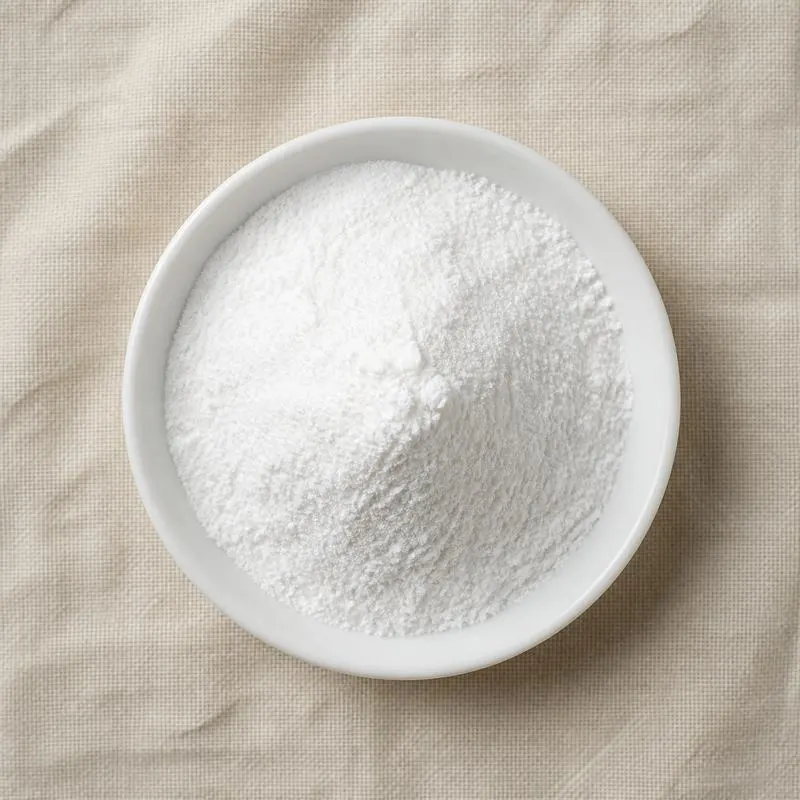
- 25 kg kraft paper bag with PE inner liner
- ISO 9001
- HACCP
- Halal
- Kosher
Specifications
| Item | Specification |
|---|---|
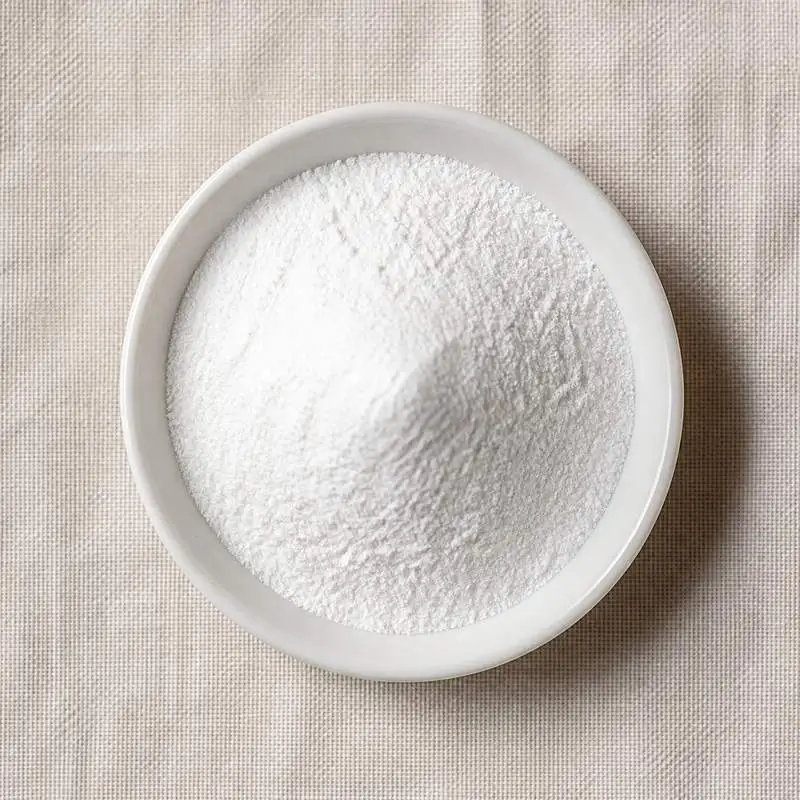
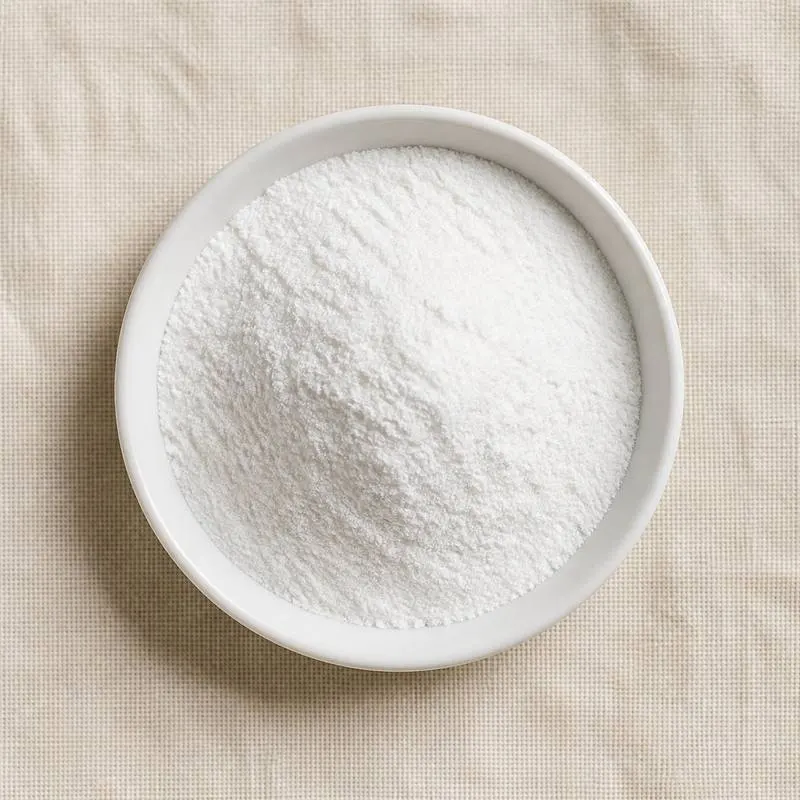
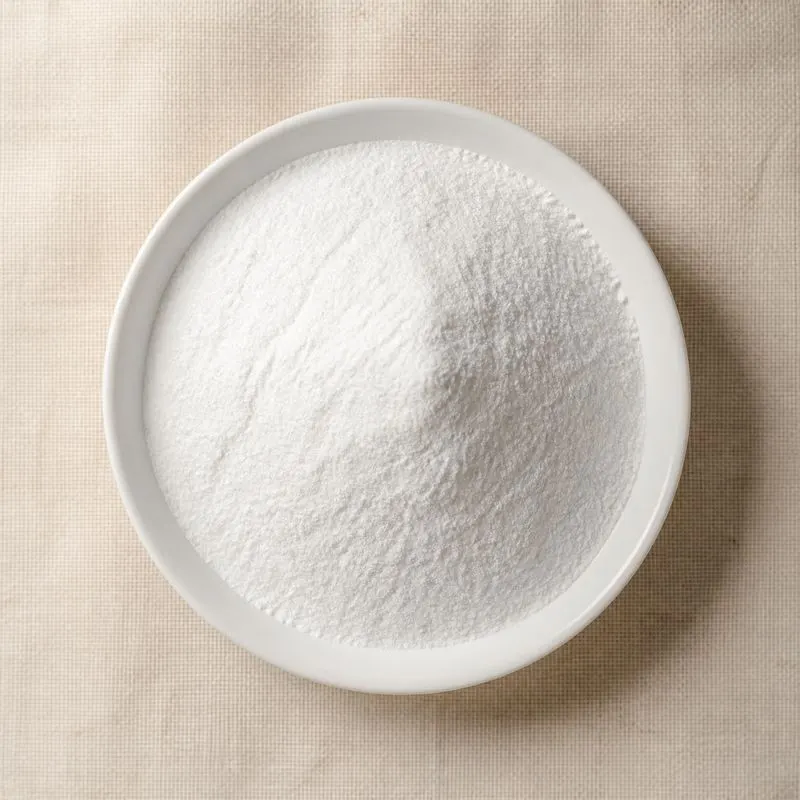
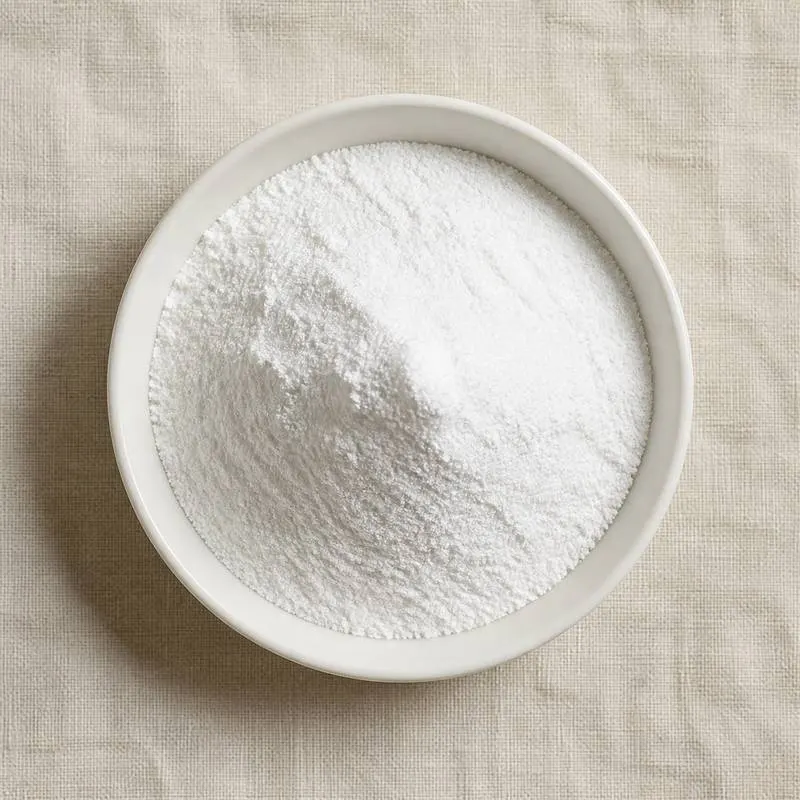
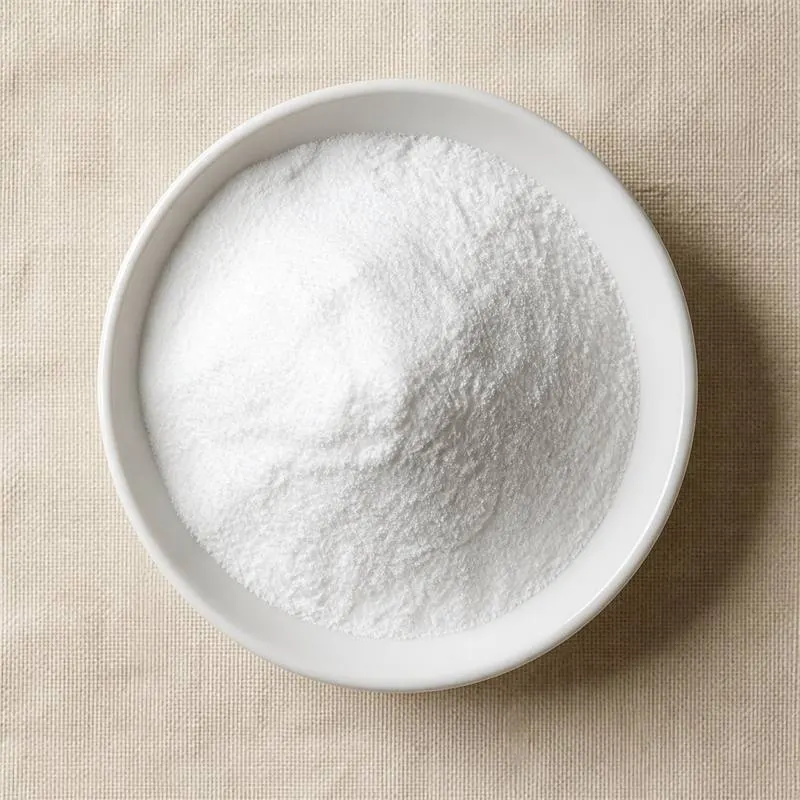
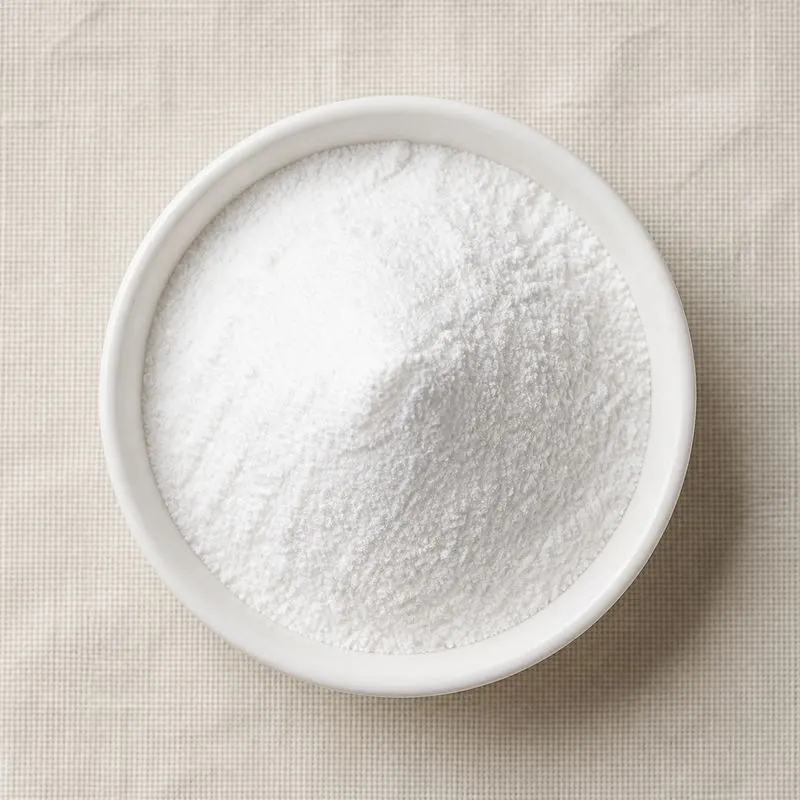
| Appearance | White crystalline powder |
| Assay | ≥98.5% |
| Specific Rotation [α]D20 | +7.0° to +10.0° |
| Loss on Drying | ≤0.5% |
| Residue on Ignition | ≤0.1% |
| pH (1% solution) | 4.5–5.5 |
| Heavy Metals (as Pb) | ≤10 ppm |
| Arsenic | ≤1 ppm |
| Ammonium | ≤0.02% |
| Total Plate Count | ≤1000 CFU/g |
Common Markets Grades
L-Cysteine trades as the free base, the hydrochloride monohydrate, and the anhydrous hydrochloride.
L-Cysteine HCl monohydrate at 98.5 to 101.0 percent is the most widely traded form for food and pharmaceutical use, meeting USP, Ph. Eur., JP, and FCC monograph requirements. It is the standard dough conditioner additive in commercial bakery.
L-Cysteine HCl anhydrous is produced for applications that require lower moisture content, including some encapsulated supplement formats and cell culture media.
L-Cysteine free base at 99 percent is sold to pharmaceutical and biotech customers for amino acid infusion solutions and high-purity protein chemistry applications, with careful packaging under nitrogen to limit air oxidation.
Applications
- Bakery dough conditioner to reduce mixing time and improve extensibility
- Reaction flavour systems for meat, savory, and roasted profiles
- Pharmaceutical mucolytic precursor and active intermediate (e.g. N-acetylcysteine)
- Parenteral nutrition amino acid solutions
- Hair-care permanent wave and straightening systems as a thioglycolate alternative
- Glutathione precursor dietary supplements
- Cell culture media for mammalian and microbial production
- Skin-brightening cosmetic actives
- Antioxidant additive in juices and processed foods
- Animal feed and pet food specialty formulations
Brands Using L-Cysteine
Widely-distributed consumer products that list L-Cysteine on the ingredient label.
- NOW FoodsL-Cysteine 500 mg Tablets ↗Official NOW Foods product page lists 'L-Cysteine (from L-Cysteine Hydrochloride) 500 mg' per tablet plus Vitamin C and Vitamin B-6; other ingredients include microcrystalline cellulose, silicon dioxide, magnesium stearate (vegetable source), vegetarian coating and citric acid.Label verified 2026-05-24
- SolgarSolgar L-Cysteine 500 mg Vegetable Capsules ↗Solgar L-Cysteine 500 mg supplement facts panel declares 'L-Cysteine (as L-cysteine HCl) (Free Form)'; other ingredients are vegetable cellulose, vegetable magnesium stearate, silica and microcrystalline cellulose.Label verified 2026-05-24
- Source NaturalsSource Naturals L-Cysteine Free-Form Powder ↗A crystalline free-form L-cysteine powder.Label verified 2026-05-24
Brand names, product names and logos are the property of their owners. They appear here as published evidence that the ingredient is used, taken from the brand's own label or website. Their appearance is not an endorsement, and it does not mean the brand buys from us or from any manufacturer listed on this site.
China Manufacturers of L-Cysteine
Top L-Cysteine manufacturers in China.
 Emeishan Longteng Biotechnology Co., Ltd.10 ingredients in the directory
 Hebei Changhao Biotechnology Co., Ltd.10 ingredients in the directory
 Hebei Huafan Biological Technology Co., Ltd.15 ingredients in the directory
- Hebei Huaheng Biological Technology Co., Ltd.9 ingredients in the directory
 Jiangsu Quanjia Shun Health Technology Co., Ltd.12 ingredients in the directory
Company names and logos are the property of the manufacturers themselves. They are listed here because our own directory records them as producing this ingredient. A listing is not an endorsement by them, and we do not represent them or speak on their behalf.
How We Help Source L-Cysteine
Direct Factory Sourcing
We run the whole process: selecting the manufacturer from the top Chinese food ingredient producers, negotiating the price, verifying quality, and coordinating the logistics. You deal with us instead of with several factories at once.
Original Packaging and Documents from the Manufacturer
The manufacturer sends your L-Cysteine out of its own factory in the original packing, through to your destination port. The COA, COO, MSDS, TDS and any certifications reach you from the manufacturer as well.
Free Samples and Lead Time
We send 100 to 500 g free for your own laboratory to test and you cover only the courier, usually within 2 to 3 working days. ETD is usually within 7 to 15 days once the order is confirmed, and we check that date against the factory's own manufacturing schedule before we give it to you.
Combined Shipment
We can load L-Cysteine together with other ingredients such as Glycine, L-Arginine and L-Leucine into one 20' FCL. If your quantity is small, we can also ship LCL.
Regulatory Status
L-Cysteine and its hydrochloride salts are approved as food additives, nutrients, and pharmaceutical excipients in all major markets.
In the European Union, L-cysteine carries the food additive number E920, and Regulation (EC) No 1333/2008 authorises it as a flour treatment agent in bread, biscuits, and similar baked products. It is also permitted as a nutrient source in food supplements and infant formula.
In the United States, L-cysteine is GRAS under 21 CFR 184.1271 for use as a dough strengthener and nutrient, with additional provisions for amino acid use under 21 CFR 172.320.
JECFA has evaluated L-cysteine and accepts it as a food-grade amino acid and processing aid. USP, Ph. Eur., and JP monographs govern pharmaceutical use. Suppliers selling into Halal, Kosher, vegan, and vegetarian channels universally specify fermentation as the source.
Manufacturing Process
L-Cysteine production has shifted decisively from hydrolysis of animal hair and feathers to microbial fermentation over the past two decades.
The historical route relied on acid hydrolysis of keratin-rich materials including human hair (sourced principally from barbershops and temples in China and India), pig bristles, and duck or chicken feathers. Concentrated hydrochloric acid released free cysteine and cystine from the keratin, which were separated by selective crystallisation and ion exchange. This origin made L-cysteine a recurring concern in Halal, Kosher, and vegetarian certification, and a target for consumer-facing reformulation.
The dominant modern route is microbial fermentation of glucose by engineered Escherichia coli or Pantoea strains, with Wacker Chemie (Germany) and Ajinomoto (Japan) operating the principal commercial plants. The fermentation product is recovered by acidification, ion exchange, decolorisation, and crystallisation as the HCl monohydrate salt. Fermentation-derived L-cysteine qualifies for Halal, Kosher, and vegetarian certification.
A substantial volume of feed and lower-grade material is still produced by hydrolysis, primarily from duck feather keratin in Asian facilities, and is sold at a discount to the fermentation product.