L-glutamate
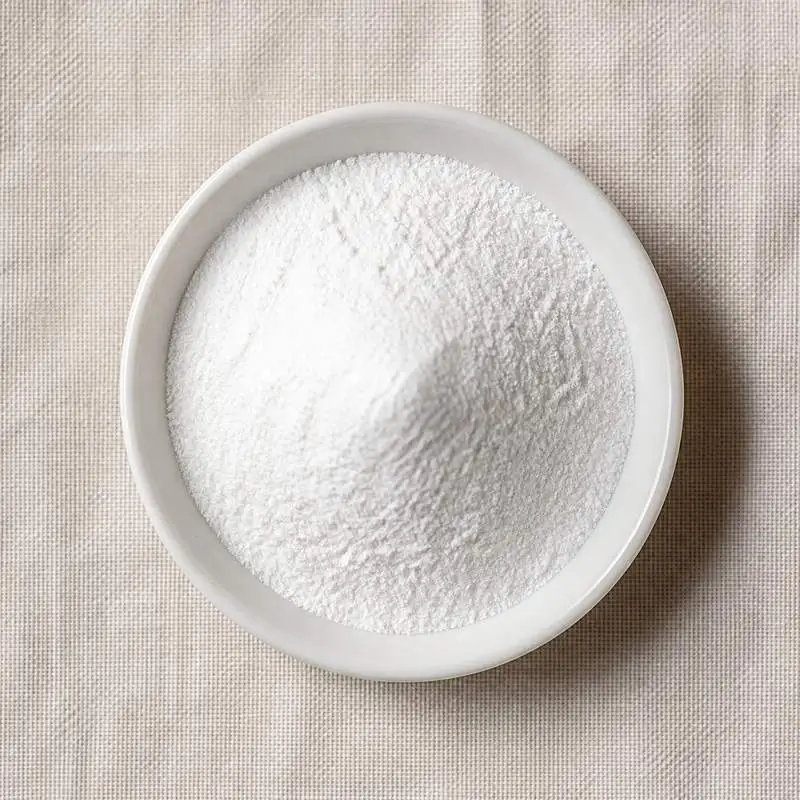
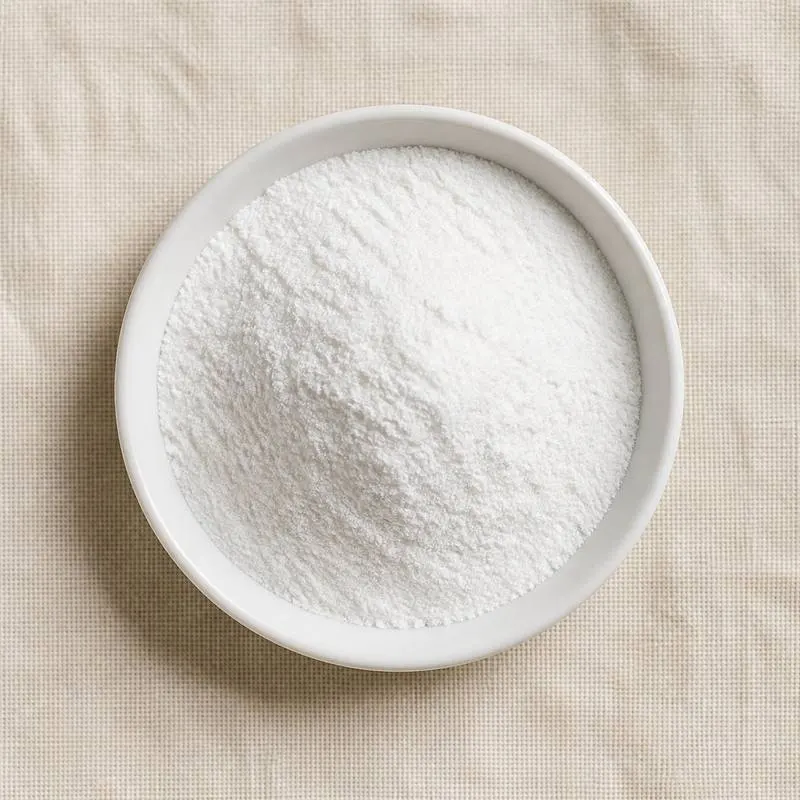
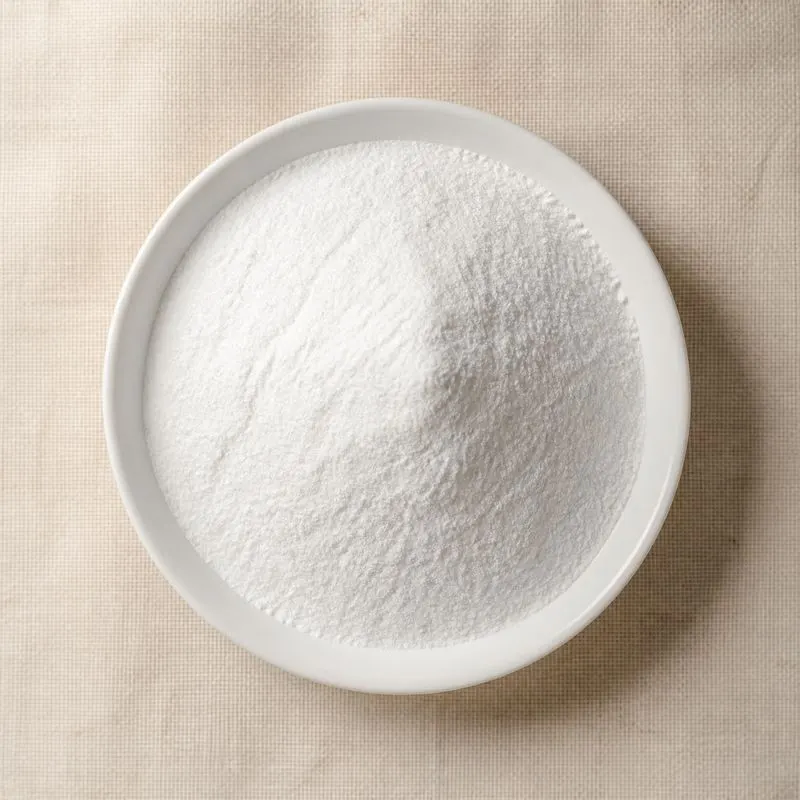
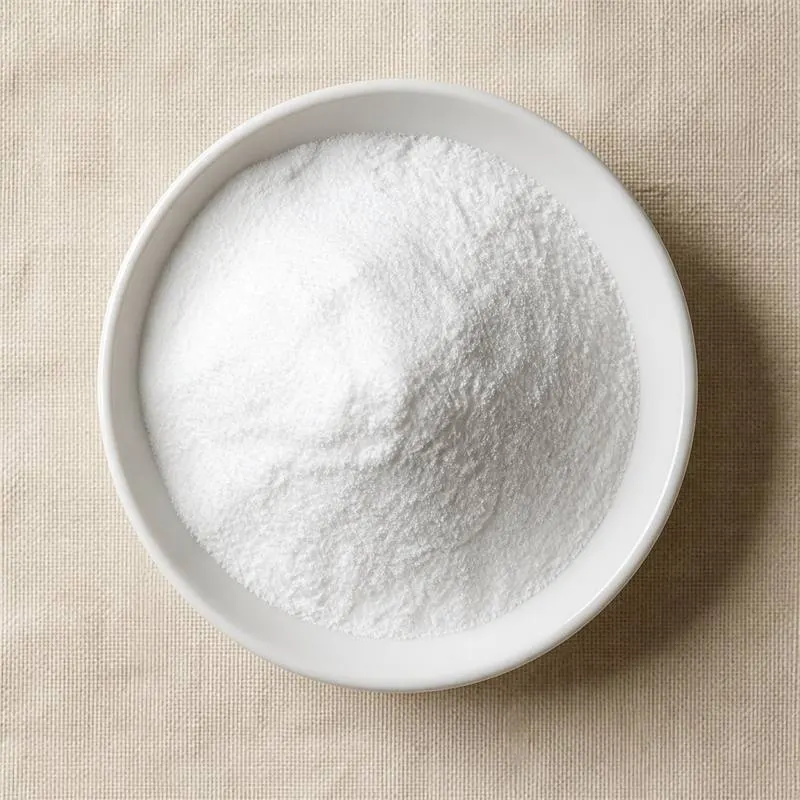
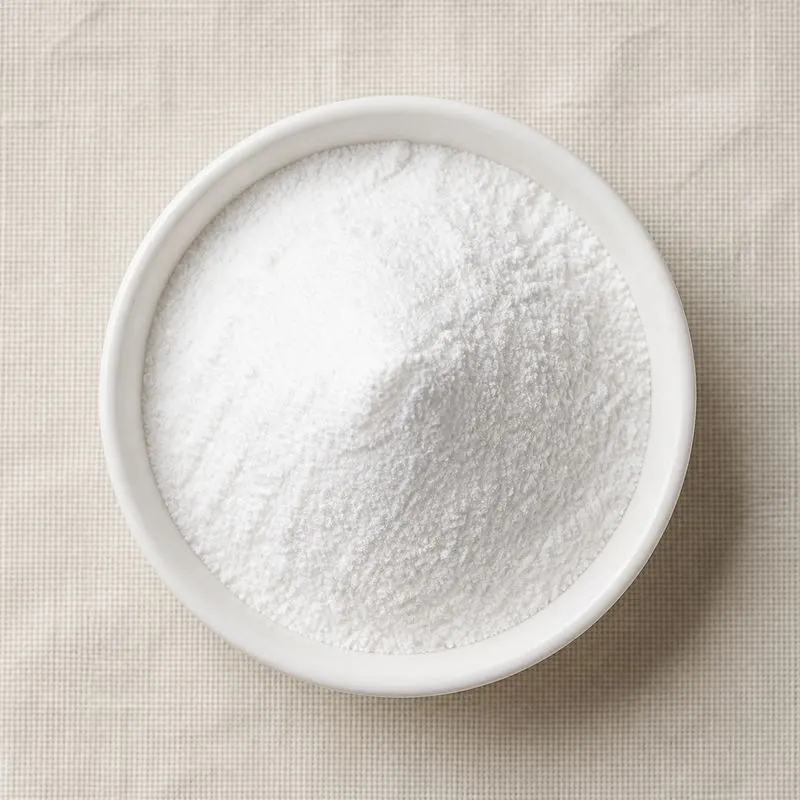
L-Glutamate is the anion of L-glutamic acid, a non essential alpha amino acid with a second carboxyl group on its side chain. In trade the name is used for L-glutamic acid itself and for its salts, and the material sold under it is normally the free acid, a white crystalline powder, with the sodium salt traded separately as monosodium glutamate.
The free acid is only sparingly soluble in cold water, around 8 g/L at 25 degrees Celsius, and gives an acidic solution near pH 3.2, which is its isoelectric point and the basis of its recovery from fermentation broth. It is practically insoluble in ethanol. Because solubility is low and the acid form does not carry the umami charge, the free acid is used where an acidic amino acid is wanted as a reactant or a nutrient rather than as a seasoning; converting it to a salt gives the soluble, savoury form.
Biologically glutamate is central. It is the entry point for ammonia into amino acid metabolism through glutamate dehydrogenase and the transaminases, the precursor of glutamine, proline and arginine, and the principal excitatory neurotransmitter of the mammalian central nervous system. In food chemistry it is the most reactive partner in savoury Maillard systems after lysine and cysteine.
We source bulk L-glutamate from top China manufacturers for our partners. The manufacturer is in Hebei. A smaller requirement can ship in a combined container with other ingredients.
Please send the grade you need, the volume and your destination port, and we will come back with a solution and a price.
or call +86-21-6858 0751
- Function
- Amino acid
Specifications
| Item | Specification |
|---|---|
| Appearance | White crystalline powder, practically odourless |
| Assay, dried basis | 99.0 to 101.0 percent |
| Identification | Infrared spectrum and ninhydrin reaction conform |
| Specific rotation | Plus 31.5 to plus 32.5 degrees |
| Loss on Drying, 105 degrees Celsius | Not more than 0.5 percent |
| Residue on Ignition | Not more than 0.2 percent |
| pH, saturated aqueous solution | 3.0 to 3.5 |
| Chloride as Cl | Not more than 0.02 percent |
| Sulphate as SO4 | Not more than 0.02 percent |
| Pyrrolidone carboxylic acid | Not more than 0.2 percent |
| Other amino acids | Not more than 0.5 percent total |
| Lead | Not more than 1 mg/kg |
| Arsenic | Not more than 1 mg/kg |
| Total Plate Count | Not more than 1000 CFU/g |
Common Markets Grades
L-Glutamic acid is traded as a food grade at 99.0 percent minimum on the dried basis against the Food Chemicals Codex monograph, and as a pharmaceutical grade meeting the USP and Ph. Eur. requirements, where the tighter controls fall on related amino acids, pyrrolidone carboxylic acid formed by cyclisation, residual solvents and microbiological limits. A feed and technical grade is sold at a lower assay for fermentation media and for use as a nitrogen source in microbial culture.
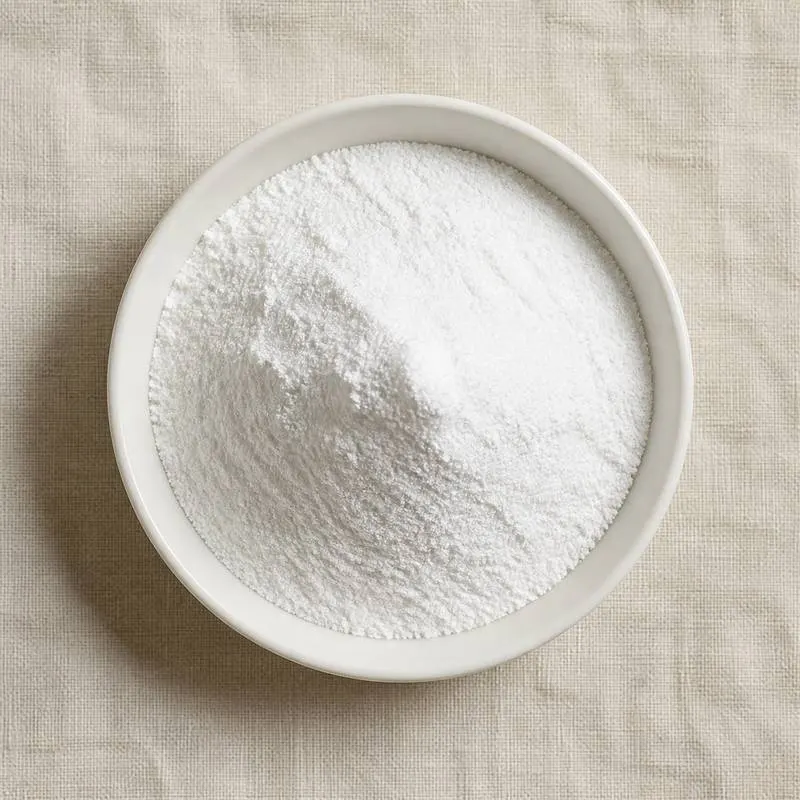
Physical variation is limited to crystal size. A standard crystalline grade of roughly 60 to 100 mesh is the default. A milled fine powder is specified for tablet and capsule blends and for reaction flavour work, where the low water solubility makes surface area the rate limiting factor. Buyers should distinguish the free acid from monosodium glutamate and from glutamic acid hydrochloride on the specification sheet, since the three differ in assay basis, pH and solubility despite sharing the same trivial name in some markets.
Applications
- Reaction and process flavour manufacture, where glutamic acid is heated with reducing sugars and cysteine to build meat, roast and broth notes
- Yeast extract and hydrolysed protein standardisation, adjusting the free glutamate content of a savoury base to a declared figure
- Feedstock for the manufacture of monosodium glutamate and the other glutamate salts
- Parenteral and enteral clinical nutrition, as part of the crystalline amino acid pool
- Amino acid supplements and sports nutrition blends, often as the precursor dosed alongside glutamine
- Microbiological culture media and fermentation nutrient blends, as a carbon and nitrogen source
- Pharmaceutical synthesis, as a chiral building block and as a counter ion in salt formation
- Feed premixes for aquaculture and poultry, contributing to palatability and to the non essential amino acid pool
- Cosmetic surfactant manufacture, as the amino acid head group of acyl glutamate surfactants
Brands Using L-glutamate
Widely-distributed consumer products that list L-glutamate on the ingredient label.
- MaruchanRamen Noodle Soup, Chicken Flavor ↗Monosodium glutamate, the sodium salt of L-glutamic acid, heads the under one percent portion of the soup base ingredient list.Label verified 2026-08-31
- MaruchanRamen Noodle Soup, Beef Flavor ↗The soup base lists monosodium glutamate alongside maltodextrin, caramel colour and dehydrated soy sauce.Label verified 2026-08-31
Brand names, product names and logos are the property of their owners. They appear here as published evidence that the ingredient is used, taken from the brand's own label or website. Their appearance is not an endorsement, and it does not mean the brand buys from us or from any manufacturer listed on this site.
China Manufacturers of L-glutamate
Top L-glutamate manufacturers in China.

Company names and logos are the property of the manufacturers themselves. They are listed here because our own directory records them as producing this ingredient. A listing is not an endorsement by them, and we do not represent them or speak on their behalf.
Regulatory Status
In the United States 21 CFR 182.1 affirms L-glutamic acid as generally recognised as safe as a multiple purpose food substance, and 21 CFR 172.320 covers its use as an added nutrient amino acid. It carries monographs in the Food Chemicals Codex and the United States Pharmacopeia. Where it is used as a flavour enhancer it must be declared by its own name in the ingredient statement.
In the European Union Regulation (EC) No 1333/2008 authorises glutamic acid as the food additive E620 within the glutamates group, with purity criteria in Regulation (EU) No 231/2012 and permitted uses set at maximum levels in defined categories rather than at quantum satis. The European Food Safety Authority re evaluated the glutamates as a group in 2017. When added as a nutrient to foods or supplements it falls instead under Regulation (EC) No 1925/2006 and Directive 2002/46/EC. The Joint FAO/WHO Expert Committee on Food Additives has evaluated glutamic acid and its salts, and the Codex General Standard for Food Additives lists glutamic acid as a flavour enhancer.
Manufacturing Process
L-Glutamic acid is produced by submerged aerobic fermentation with Corynebacterium glutamicum on a glucose or sucrose substrate derived from hydrolysed starch or cane molasses. Ammonia serves as the nitrogen source and as the pH control agent. The process depends on a deliberate biotin limitation, or an equivalent surfactant or penicillin addition, that makes the cell membrane leaky so glutamate is exported continuously into the broth rather than inhibiting its own synthesis. The fermenter is run fed batch at around 32 degrees Celsius under high aeration for one to two days.
At harvest the broth is heated to stop the fermentation and the biomass is removed by centrifugation or ultrafiltration. The clarified liquor is concentrated under vacuum and then acidified with sulphuric or hydrochloric acid to pH 3.2, the isoelectric point, at which L-glutamic acid crystallises directly out of solution. The crude crystal is centrifuged and washed, then redissolved, decolourised over activated carbon and recrystallised to remove residual sugars, pigments and co produced amino acids. The purified crystal is centrifuged, dried in a fluid bed dryer, screened and packed.