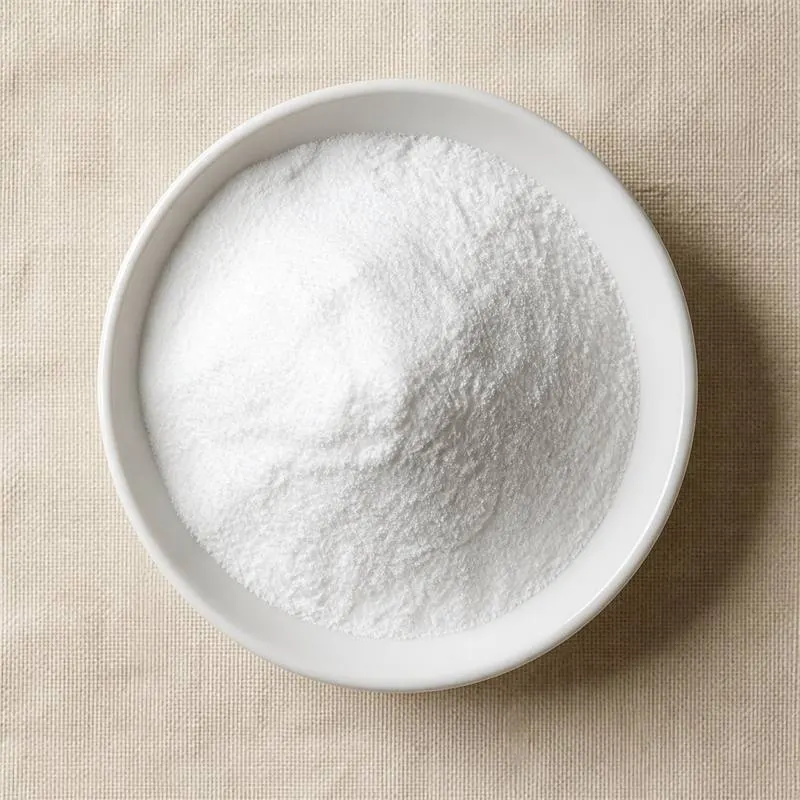
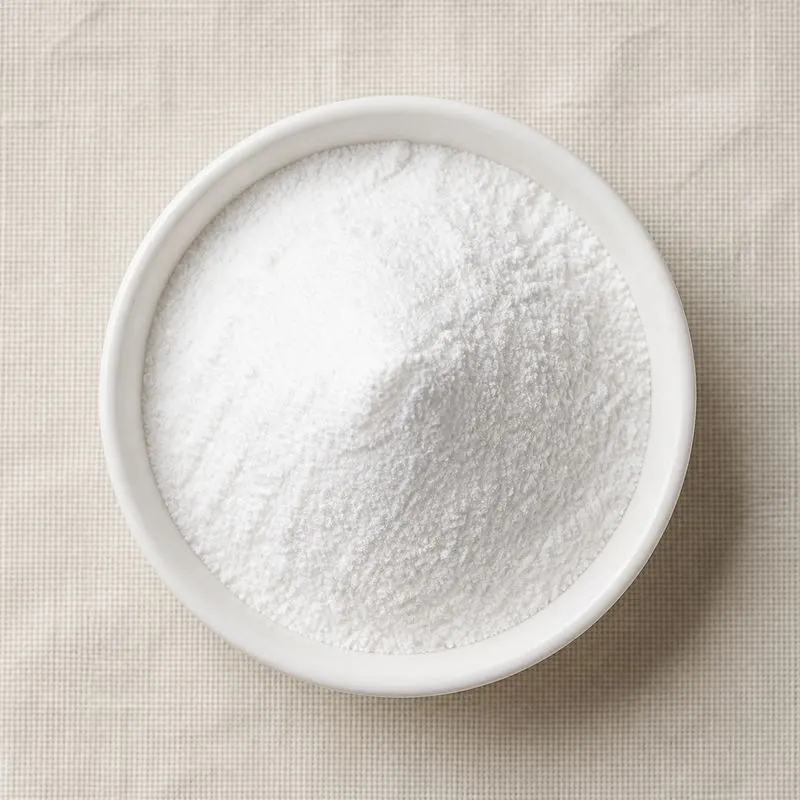
L-Serine
L-Serine is a non-essential polar amino acid with a hydroxymethyl side chain that places it at the entry point of one-carbon metabolism in cells.
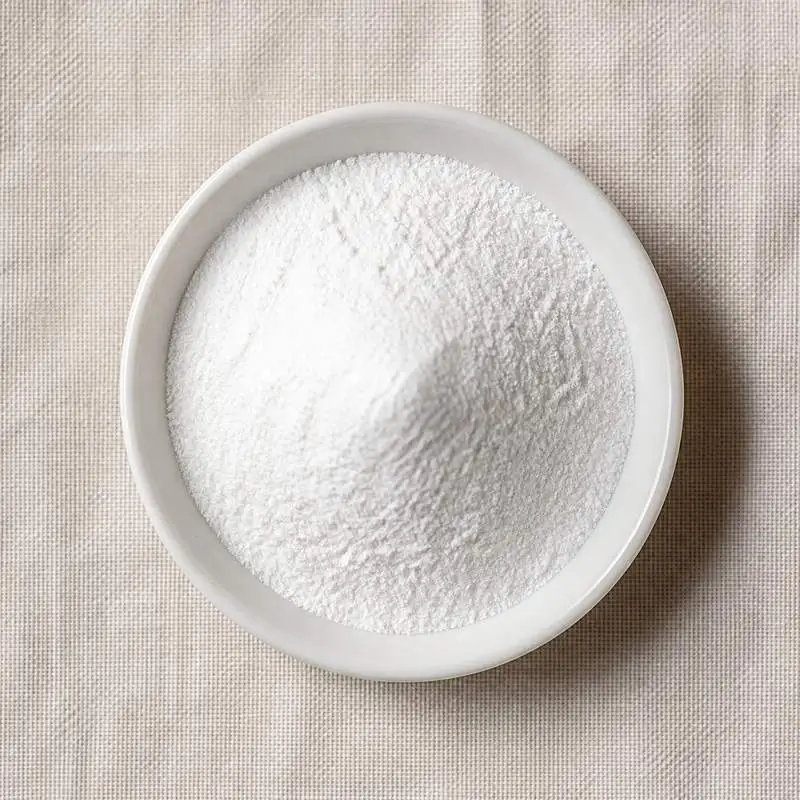
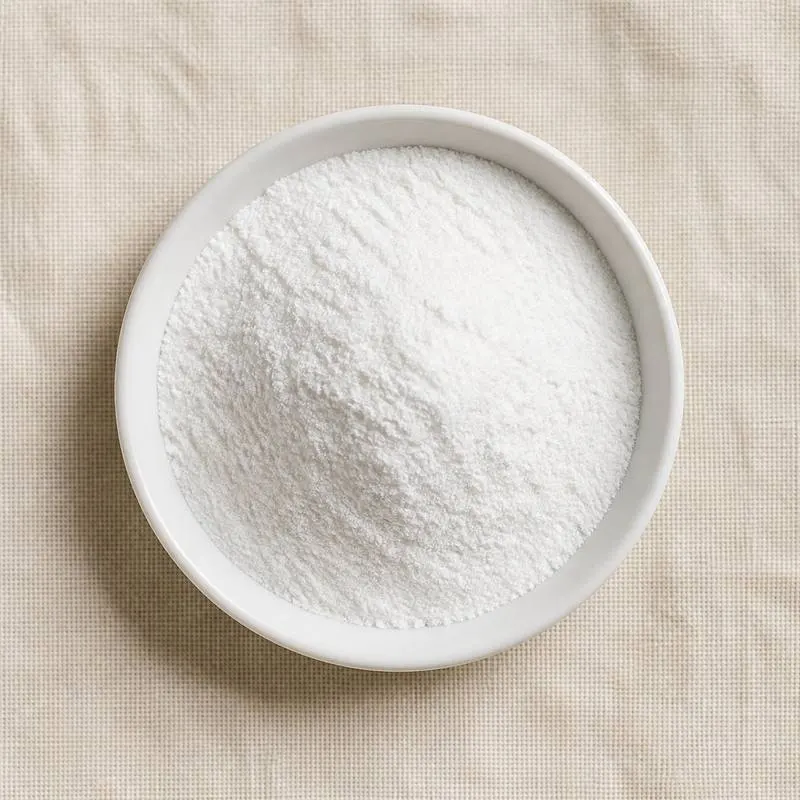
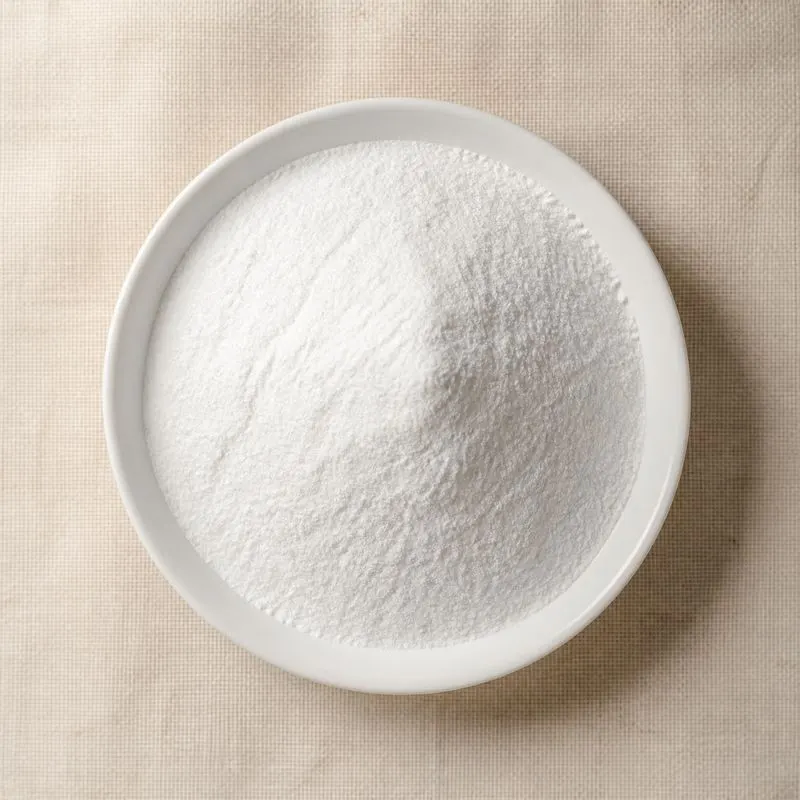
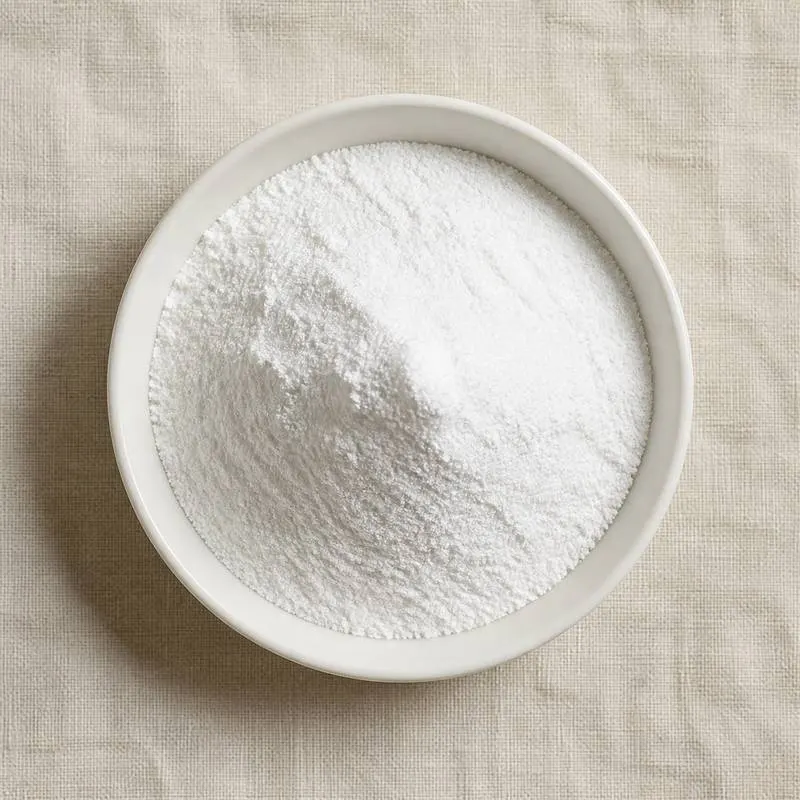
The molecule is a key building block for phospholipids (as the head group of phosphatidylserine), sphingolipids, and the neurotransmitter glycine. It reaches the market as a white crystalline powder for nutritional, pharmaceutical, cosmetic, and cell culture applications.
We source bulk L-Serine from top China manufacturers for our partners. The manufacturers are in Jiangsu and Shandong. A smaller requirement can ship in a combined container with other ingredients.
Please send the grade you need, the volume and your destination port, and we will come back with a solution and a price.
or call +86-21-6858 0751
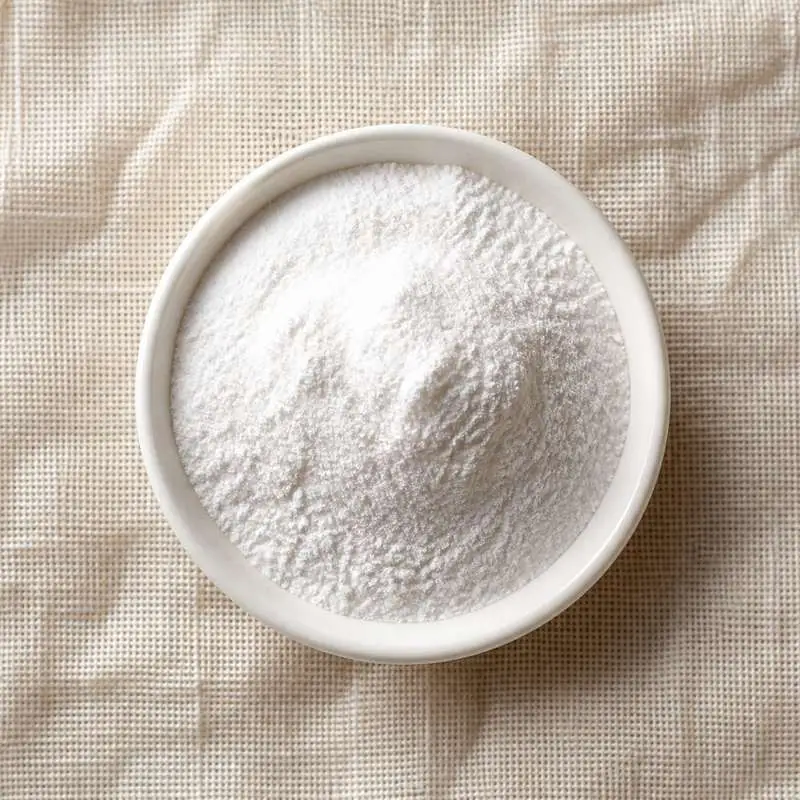
- Packaging
- 25 kg kraft paper bag with PE inner liner
- ISO 9001
- HACCP
- Halal
- Kosher
Specifications
Grades / Types Available: CP2020, EP11, USP2023
| Item | Specification |
|---|---|
| Appearance | White crystalline powder |
| Assay | ≥98.5% |
| Specific Rotation [α]D20 | +14.0° to +16.0° |
| Loss on Drying | ≤0.5% |
| Residue on Ignition | ≤0.1% |
| pH (5% solution) | 5.5–6.5 |
| Heavy Metals (as Pb) | ≤10 ppm |
| Arsenic | ≤1 ppm |
| Chloride | ≤0.02% |
| Total Plate Count | ≤1000 CFU/g |
| Transmittance (T430) (CP2020) | ≥98.0% |
| Ammonium (CP2020) | ≤0.02% |
| Sulfate (CP2020) | ≤0.02% |
| Iron (CP2020) | ≤10PPM |
| Endotoxin (CP2020) | <12EU/g |
| Moulds & Yeasts (CP2020) | ≤ 50 CFU/g |
Common Markets Grades
The trade divides L-Serine into four grades: pharmaceutical, food, biotech and cosmetic.
Pharmaceutical grade meets USP and Ph. Eur. monographs at 98.5 to 101.0 percent assay on the dried basis. It is used in parenteral amino acid solutions, oral pharmaceutical formulations, and as an investigational agent in neurological research.
Food and supplement grade at 99 percent minimum is the standard offering for sports nutrition, cognitive support supplements, and medical foods. FCC specifications set limits for residue on ignition, chloride, sulphate, ammonium, and heavy metals.
Cell culture grade L-serine at 99.5 percent low-endotoxin is sold to media manufacturers for fed-batch and perfusion processes in mammalian cell production.
Cosmetic grade material is produced for natural moisturizing factor (NMF) blends and skincare actives.
Applications
- Parenteral nutrition amino acid solutions
- Sports nutrition and recovery formulations
- Medical foods and clinical nutrition products
- Dietary supplements for cognitive and nervous system support
- Cell culture media for mammalian, insect, and microbial production
- Cosmetic actives in moisturizers and hair-care products
- Pharmaceutical excipient and stabiliser
- Reference standard in clinical chemistry and biochemistry
- Biotechnology process buffers and feed concentrates
- Specialty animal nutrition and aquaculture diets
Brands Using L-Serine
Widely-distributed consumer products that list L-Serine on the ingredient label.
- Double Wood SupplementsL-Serine 500 mg Capsules ↗L-serine capsules at 500 mg each, 2000 mg per serving.Label verified 2026-05-24
- SuperSmartL-Serine 2000 mg Tablets ↗Standalone L-Serine tablets supplying 2000 mg per serving as a non-GMO, gluten-free amino acid supplement.Label verified 2026-05-24
- PureBulkL-Serine for Cognitive Function & Nervous System Support ↗A standalone L-serine, sold as powder and as capsules.Label verified 2026-05-24
- Jo Mar LabsL-Serine ↗Free-form L-Serine amino acid supplement sold direct by Jo Mar Labs for methyl-donor and nervous system support.Label verified 2026-05-24
Brand names, product names and logos are the property of their owners. They appear here as published evidence that the ingredient is used, taken from the brand's own label or website. Their appearance is not an endorsement, and it does not mean the brand buys from us or from any manufacturer listed on this site.
China Manufacturers of L-Serine
Top L-Serine manufacturers in China.
 Wuxi Jinghai Amino Acid Co., Ltd.18 ingredients in the directory
 Xintai Jiahe Biotech Co., Ltd.(新泰市佳禾生物科技有限公司)10 ingredients in the directory
Company names and logos are the property of the manufacturers themselves. They are listed here because our own directory records them as producing this ingredient. A listing is not an endorsement by them, and we do not represent them or speak on their behalf.
How We Help Source L-Serine
Direct Factory Sourcing
We run the whole process: selecting the manufacturer from the top Chinese food ingredient producers, negotiating the price, verifying quality, and coordinating the logistics. You deal with us instead of with several factories at once.
Original Packaging and Documents from the Manufacturer
The manufacturer sends your L-Serine out of its own factory in the original packing, through to your destination port. The COA, COO, MSDS, TDS and any certifications reach you from the manufacturer as well.
Free Samples and Lead Time
We send 100 to 500 g free for your own laboratory to test and you cover only the courier, usually within 2 to 3 working days. ETD is usually within 7 to 15 days once the order is confirmed, and we check that date against the factory's own manufacturing schedule before we give it to you.
Combined Shipment
We can load L-Serine together with other ingredients such as Glycine, L-Arginine and L-Leucine into one 20' FCL. If your quantity is small, we can also ship LCL.
Regulatory Status
L-Serine is recognised as a food-grade amino acid in all major markets.
In the United States it is GRAS under 21 CFR 172.320 for use as a nutrient added to foods. The European Union authorises L-serine as a permitted amino acid for food and supplement use, and it appears in the Union list of substances permitted in food supplements.
JECFA has reviewed L-serine and accepts it as a food-grade amino acid without numerical limit when used in line with good manufacturing practice.
USP and Ph. Eur. monographs govern pharmaceutical use. Halal, Kosher, and vegetarian certifications are routinely available from fermentation-based suppliers.
Manufacturing Process
L-Serine is produced commercially by microbial fermentation.
Engineered Corynebacterium glutamicum strains convert glucose to L-serine through the phosphorylated pathway involving 3-phosphoglycerate dehydrogenase, phosphoserine aminotransferase, and phosphoserine phosphatase. Metabolic engineering focuses on relieving the strong feedback inhibition of 3-phosphoglycerate dehydrogenase by L-serine and on attenuating competing pathways that consume serine for glycine and C1 metabolism.
An alternative enzymatic route uses serine hydroxymethyltransferase to condense glycine with formaldehyde or methanol-derived methylene-tetrahydrofolate, yielding L-serine in a single step. This route is operated at smaller scale by several specialty producers.
Downstream processing relies on ion exchange capture, activated carbon decolorisation, crystallisation from aqueous ethanol, centrifugation, and drying. Major suppliers include Kyowa Hakko, Ajinomoto, Evonik, and Chinese fermentation houses.