Lcz
LCZ is the trade abbreviation for Lactobacillus casei Zhang, now classified as Lacticaseibacillus casei Zhang, a probiotic strain isolated from traditional koumiss in Inner Mongolia and sold as a freeze dried culture concentrate standardised on viable count.
The parent species is a facultatively heterofermentative rod of the casei group that ferments a broad range of sugars to lactic acid without much gas. The Zhang isolate was selected for its tolerance of simulated gastric juice, intestinal fluid and bile salts, which is the property that allows it to reach the colon in useful numbers without enteric protection. Its genome has been sequenced and the strain is maintained in a controlled seed bank, so identity can be confirmed at strain rather than species level.
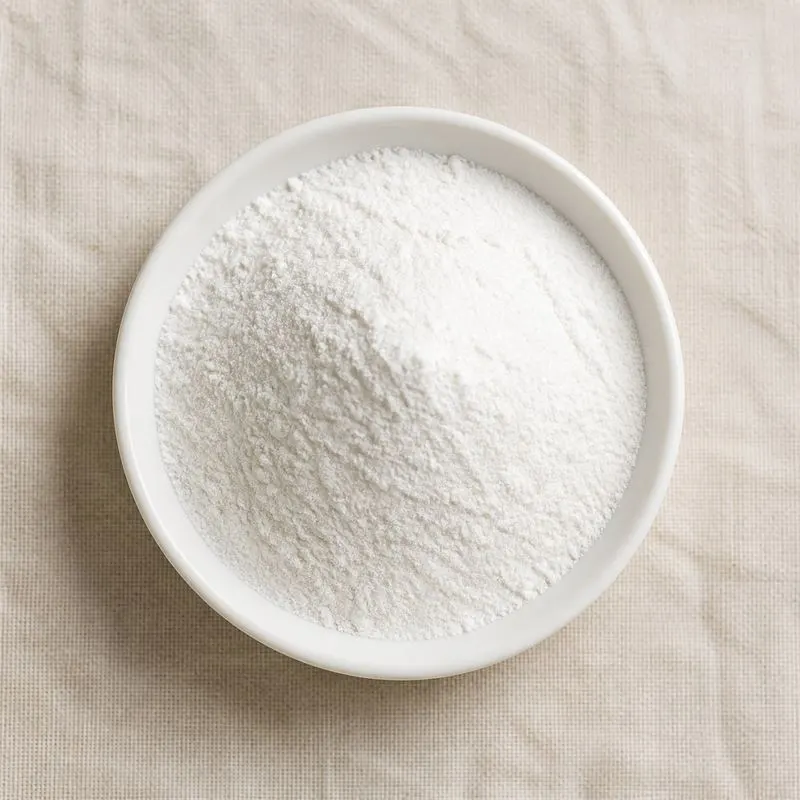
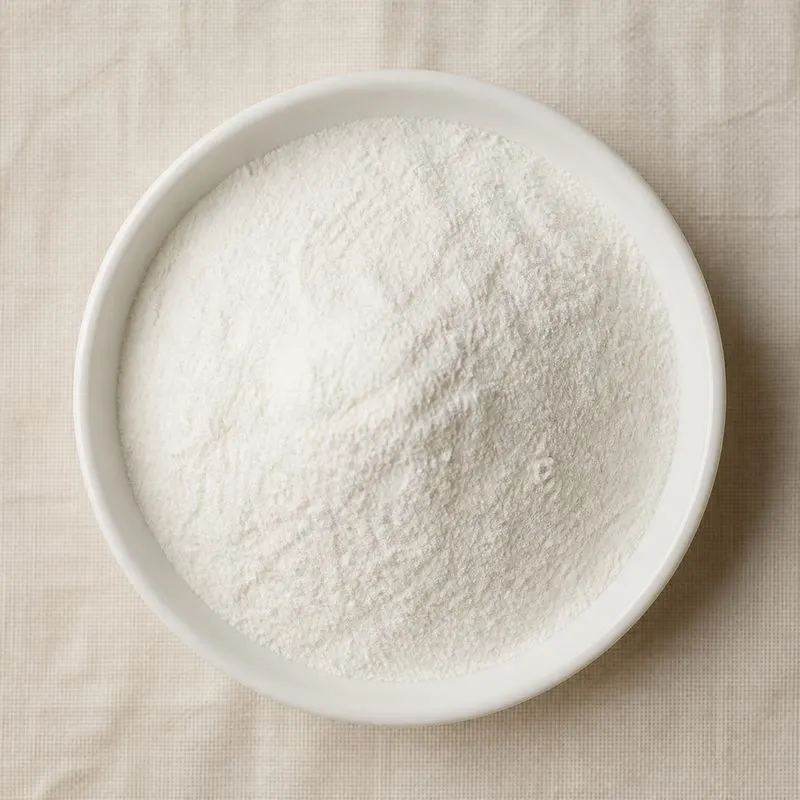
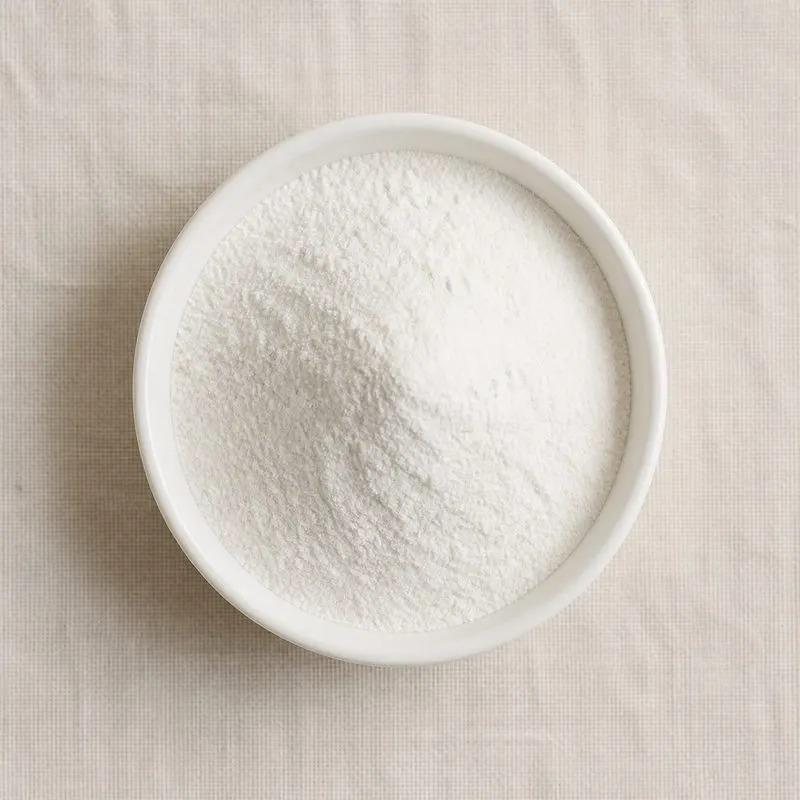
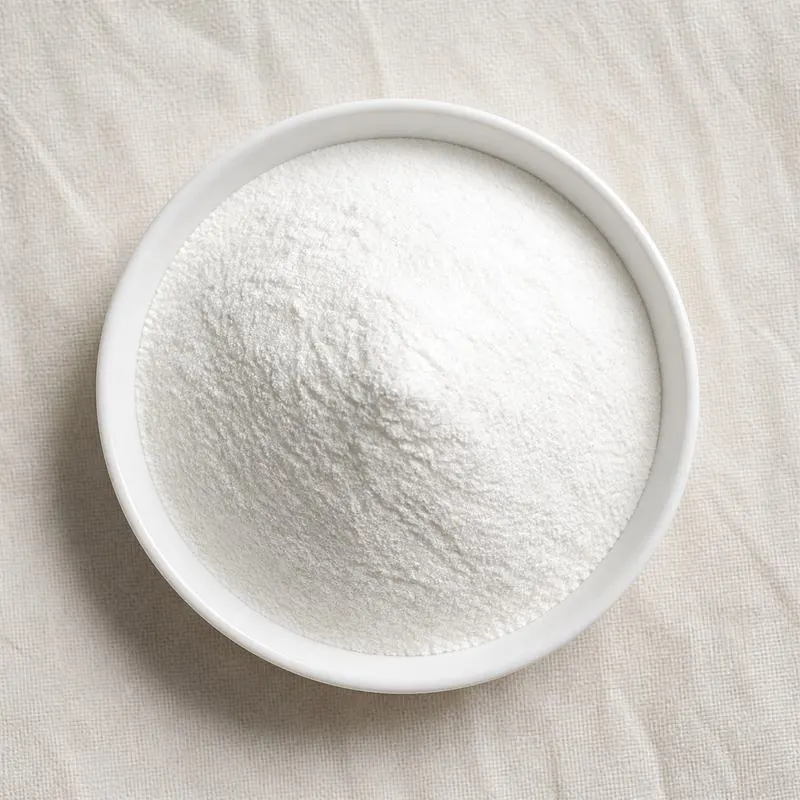
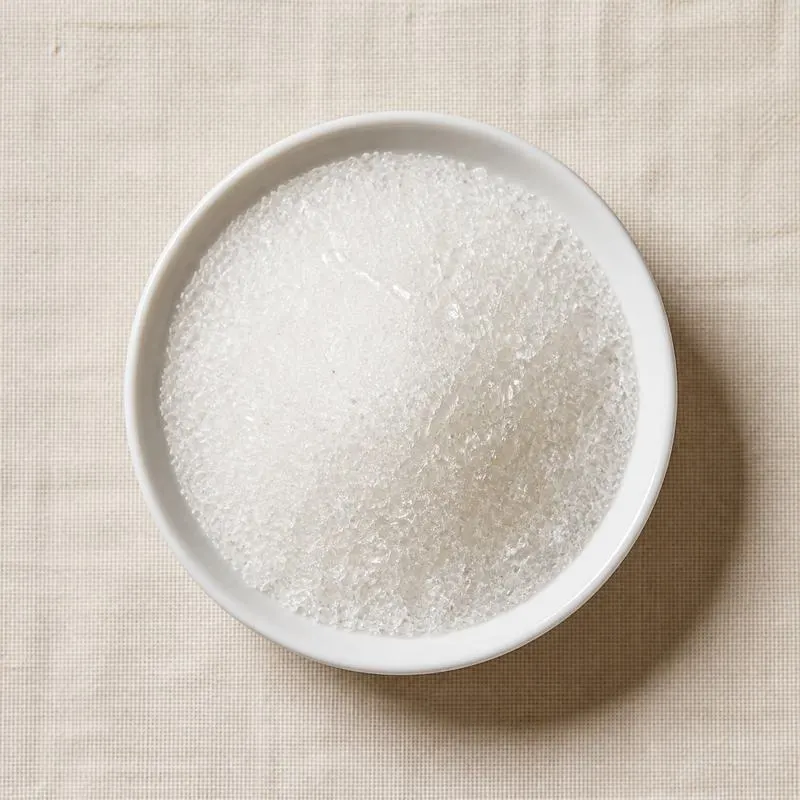
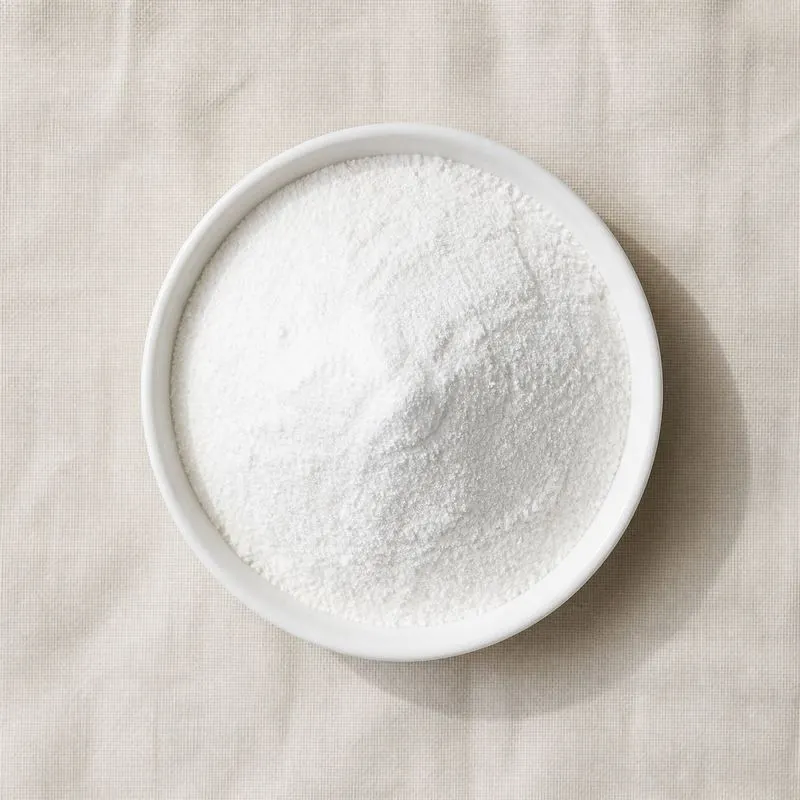
The commercial form is an off-white to cream freeze dried powder standardised on maltodextrin and packed under nitrogen in foil laminate. Like all live culture concentrates it is hygroscopic and loses count on exposure to moisture, oxygen and heat, so it is dry blended under controlled humidity and distributed cold.
We source bulk Lcz from top China manufacturers for our partners. The manufacturer is in Beijing. A smaller requirement can ship in a combined container with other ingredients.
Please send the grade you need, the volume and your destination port, and we will come back with a solution and a price.
or call +86-21-6858 0751
- Function
- Probiotic
Specifications
| Item | Specification |
|---|---|
| Appearance | Off-white to light cream free-flowing powder |
| Odour | Characteristic fermented, free of off odours |
| Viable Count at Release | Not less than 100 billion CFU/g |
| Identification | Conforms to strain identity by 16S rRNA sequencing and pulsed field gel electrophoresis |
| Loss on Drying | Not more than 6.0 percent |
| Water Activity | Not more than 0.25 |
| Particle Size | Passes 80 mesh, not less than 95 percent |
| Lead as Pb | Not more than 0.5 mg/kg |
| Arsenic as As | Not more than 0.5 mg/kg |
| Cadmium as Cd | Not more than 0.3 mg/kg |
| Total Coliforms | Not more than 10 CFU/g |
| Yeast and Mould | Not more than 100 CFU/g |
| E. coli | Absent in 1 g |
| Salmonella | Absent in 25 g |
Common Markets Grades
The strain is traded as a freeze dried powder at declared potencies broadly between 100 billion and 300 billion CFU per gram on a maltodextrin carrier, and as a frozen concentrate for direct vat inoculation of fermented milk.
Fluid bed coated grades are used where the culture must survive tabletting or contact with a moist matrix. The same culture appears both as single strain material for strain specific labelling and within defined multi-strain blends, often alongside Lactiplantibacillus plantarum P-8 from the same collection.
Applications
- Probiotic capsules, tablets and stick packs sold on a declared strain level viable count
- Fermented milk drinks, where it is co-inoculated with a yoghurt culture for acidification and flavour
- Cheese manufacture as an adjunct culture contributing to ripening flavour
- Solid beverage powders blended with prebiotic oligosaccharides
- Chewable tablets and gummies using the coated grade to survive compression
- Fermented plant based drinks on oat and soy bases
- Elderly and clinical nutrition powders formulated around gut flora
- Pet supplements and feed additives for gut flora management
China Manufacturers of Lcz
Top Lcz manufacturers in China.

Company names and logos are the property of the manufacturers themselves. They are listed here because our own directory records them as producing this ingredient. A listing is not an endorsement by them, and we do not represent them or speak on their behalf.
Regulatory Status
In the United States the species is used in food under GRAS status, with strain specific GRAS notifications filed where a strain is intended for a defined food application. Material sold into supplements falls under the dietary supplement framework rather than under a food additive regulation.
In the European Union food cultures are treated as ingredients rather than additives, so no E number applies. The species sits on the EFSA Qualified Presumption of Safety list, which settles safety at species level and leaves strain level questions such as transferable antibiotic resistance genes to the dossier for the individual isolate. Codex recognises starter cultures within its standards for fermented milks.
Manufacturing Process
A working vial is drawn from the strain bank and propagated through seed flasks and seed fermenters into a production fermenter charged with a sterilised medium of fermentable carbohydrate, a protein hydrolysate nitrogen source, yeast extract and mineral salts. Growth runs anaerobically at controlled temperature with alkali dosed continuously to hold pH, because the lactic acid the organism produces would otherwise stop growth long before the achievable cell density is reached.
The harvested broth is concentrated by centrifugation or microfiltration into a cell paste, which is blended with a cryoprotectant such as trehalose, sucrose or skim milk solids to protect the membrane through the phase change. The concentrate is frozen as pellets or as a bulk cake and freeze dried under vacuum at low shelf temperature. The dried cake is milled, standardised to the declared count with maltodextrin, blended for uniformity and packed under nitrogen in foil laminate.