Low-Mw Poly-y-Glutamic Acid
Low molecular weight poly gamma glutamic acid is the short chain fraction of the bacterial biopolymer built from glutamic acid units joined through their side chain carboxyl groups. The full length polymer, the sticky material of natto, runs to a million daltons or more; the low molecular weight article is deliberately made or cut to a defined range, commonly under one hundred thousand daltons and in some grades under ten thousand, and it behaves quite differently as a result.
Shortening the chain removes the viscosity. A high molecular weight grade thickens a solution at a fraction of a percent, which caps how much can be added to a drink or a capsule, while a low molecular weight grade dissolves to a thin, clear solution and can be dosed at levels an order of magnitude higher. What survives the cut is the carboxyl density, since every unit still carries a free carboxyl group, so the polymer keeps its ability to bind calcium, magnesium, zinc and iron and to hold water.
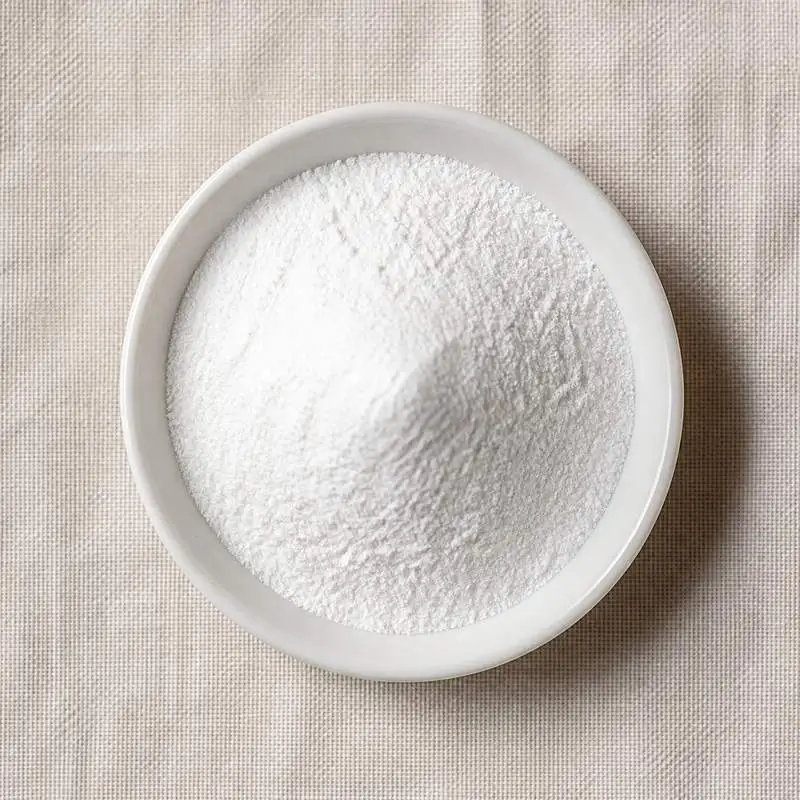
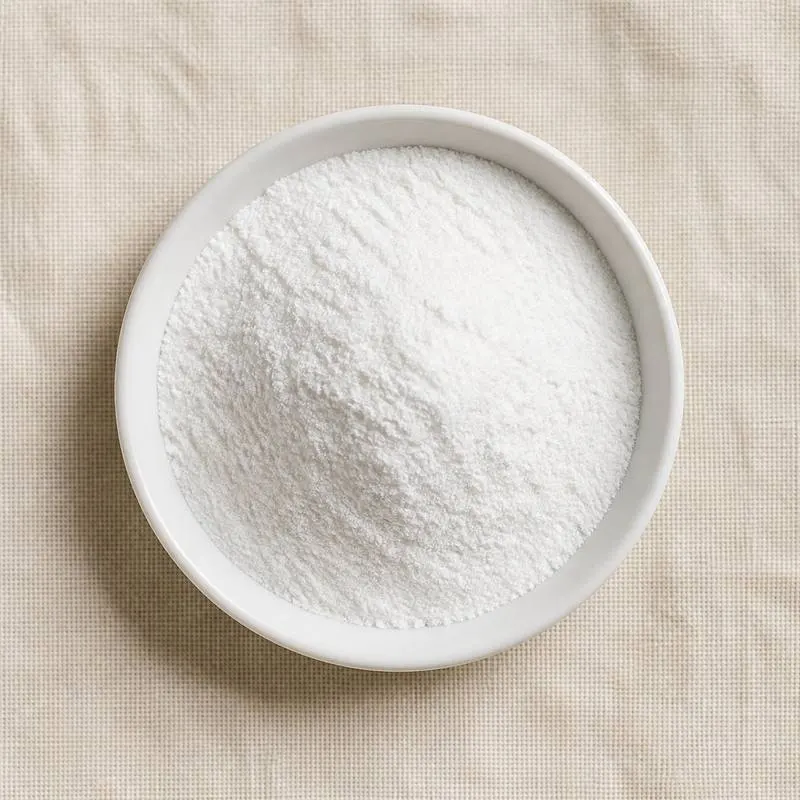
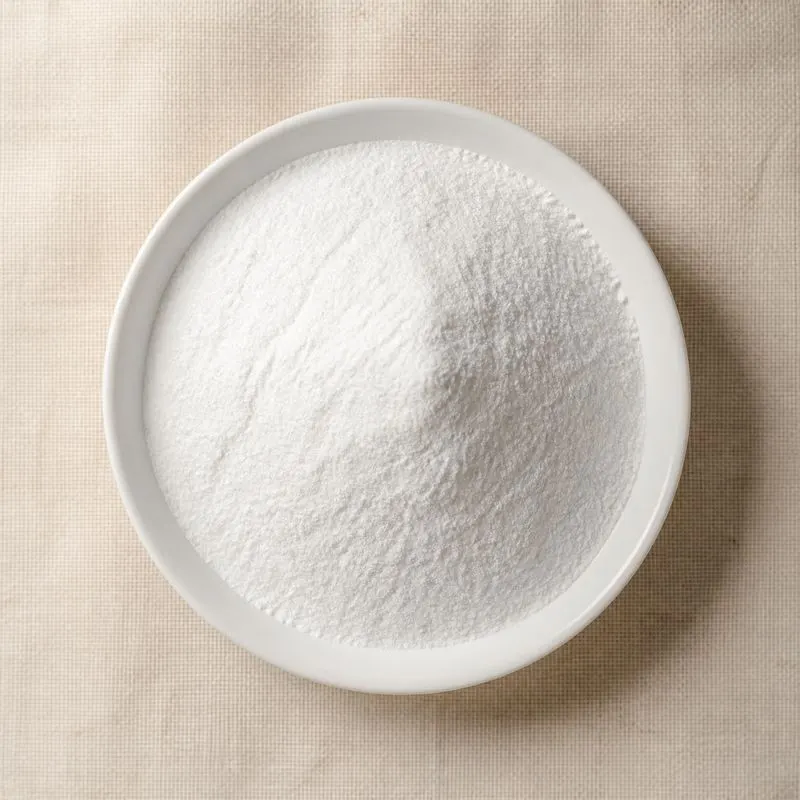
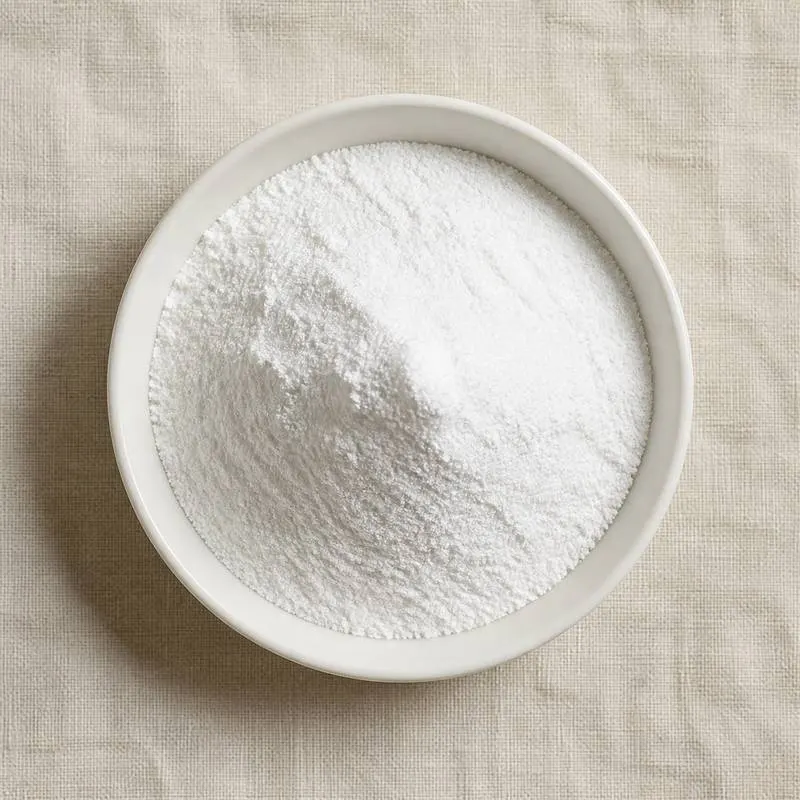
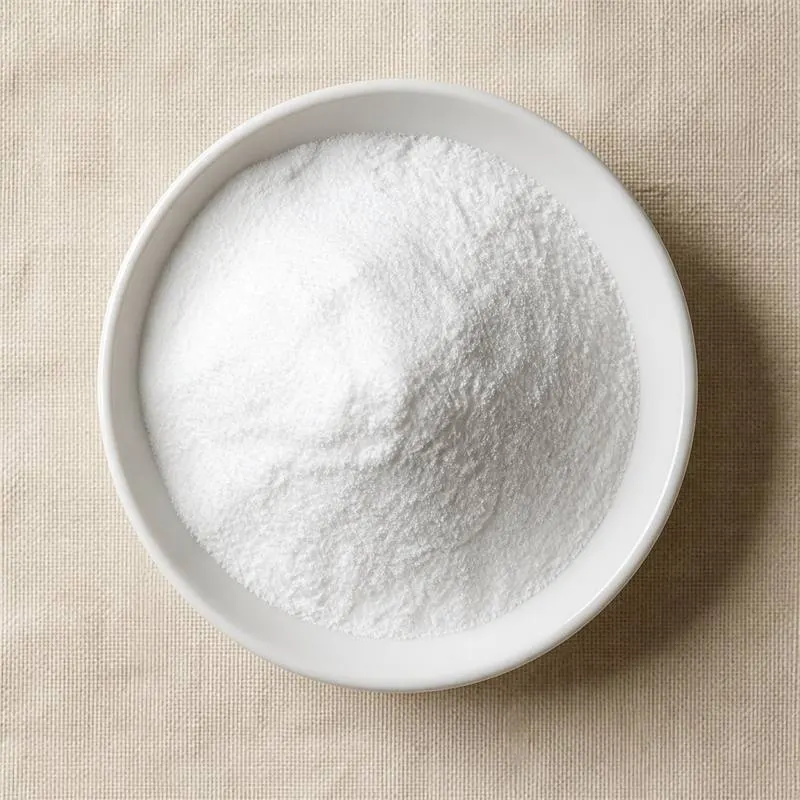
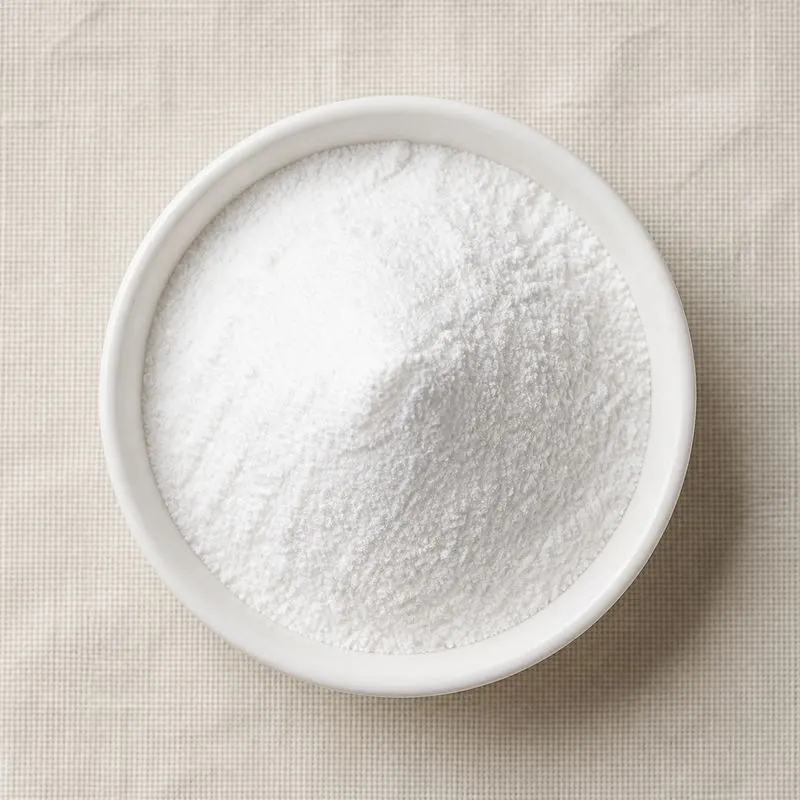
The sodium salt is the normal trade form, a white to pale yellow hygroscopic powder that dissolves rapidly and completely in water and is insoluble in ethanol. It is not a protein, is not digested by proteases, and is stable across a broad pH range and through pasteurisation. The molecular weight declared on the certificate, rather than the assay, is what determines whether a given lot suits a mineral absorption application or a thickening one.
We source bulk Low-Mw Poly-y-Glutamic Acid from top China manufacturers for our partners. The manufacturer is in Shanghai. A smaller requirement can ship in a combined container with other ingredients.
Please send the grade you need, the volume and your destination port, and we will come back with a solution and a price.
or call +86-21-6858 0751
- Function
- Amino acid
Specifications
| Item | Specification |
|---|---|
| Appearance | White to pale yellow hygroscopic powder |
| Identification | Glutamic acid as the sole amino acid after acid hydrolysis |
| Assay as poly gamma glutamic acid, dried basis | Not less than 90.0% |
| Weight average molecular weight | To declared grade, below 100 kDa |
| Molecular weight distribution | Not less than 90% within the declared range |
| Free glutamic acid | Not more than 2.0% |
| Viscosity, 1% aqueous solution | Not more than 10 mPa s |
| pH, 1% aqueous solution | 5.0 to 7.5 |
| Loss on drying | Not more than 8.0% |
| Residual protein | Not more than 1.0% |
| Lead, as Pb | Not more than 1 mg/kg |
| Arsenic, as As | Not more than 1 mg/kg |
| Total plate count | Not more than 1,000 cfu/g |
| Salmonella | Absent in 25 g |
Common Markets Grades
Grades are defined by molecular weight range first and by salt form second. Fractions below about ten thousand daltons are used where the polymer must move through a membrane or must be dosed at high concentration, in mineral absorption products and in cosmetic and agricultural formulations. Ranges from ten to one hundred thousand daltons are the general purpose low viscosity article. Above that the material is sold as standard or high molecular weight polymer and is a different commercial product. The distribution matters as well as the average, and the certificate should state the range or the polydispersity rather than a single figure.
Sodium polyglutamate is the standard soluble form; calcium and potassium salts and the poorly soluble free acid are produced for specific uses. Purity tiers run from a crude hydrolysed fermentation product for agricultural and industrial use, through food grade purified by membrane filtration and precipitation, to cosmetic grade with tighter limits on colour, residual protein, nucleic acid and endotoxin. Whether the fraction was obtained by controlled fermentation or by hydrolysing a high molecular weight starting material is normally declared, since the two routes leave different residual profiles.
Applications
- Calcium and mineral absorption products, where the short chain polymer keeps minerals soluble through the small intestine without thickening the formulation
- Fortified beverages and drink powders, where a low viscosity grade can be dosed at levels a high molecular weight polymer could not reach
- Cosmetic serums and lotions, where the smaller molecule penetrates the stratum corneum rather than sitting on the surface as a film
- Bitterness and astringency masking in supplements and liquid medicines, where the anionic polymer interacts with bitter cations
- Sports and electrolyte drinks, where minerals must stay dissolved and the drink must stay thin
- Foliar fertiliser and biostimulant sprays, where the low viscosity fraction is absorbed through the leaf and chelates micronutrients
- Seed coatings and soil applications, where it holds water and mineral nutrients in the root zone
- Feed additives, where the polymer is used to improve mineral utilisation in monogastric animals
- Cryoprotection of probiotic cultures and starter organisms through freeze drying
- Encapsulation and delivery matrices, where the free carboxyl groups allow chemical modification
China Manufacturers of Low-Mw Poly-y-Glutamic Acid
Top Low-Mw Poly-y-Glutamic Acid manufacturers in China.
Company names and logos are the property of the manufacturers themselves. They are listed here because our own directory records them as producing this ingredient. A listing is not an endorsement by them, and we do not represent them or speak on their behalf.
Regulatory Status
In the United States the polymer is used as a dietary ingredient in supplements under the Dietary Supplement Health and Education Act, and its use in conventional food rests on generally recognised as safe determinations grounded in the long history of consumption of natto, in which the high molecular weight polymer is a major component. A hydrolysed low molecular weight fraction is not automatically covered by a determination written for the parent polymer, so the specific molecular weight range and the production route are part of the documentation supporting food use. Cosmetic and agricultural applications sit outside food regulation and are handled under the cosmetic ingredient rules and the fertiliser or biostimulant framework of the market concerned.
In the European Union the substance is not an authorised food additive and has no E number. Placing it on the market as a food or food ingredient depends on the novel food rules under Regulation (EU) 2015/2283, since a purified and deliberately depolymerised bacterial polymer is unlikely to have a demonstrated history of significant consumption in the Union before the novel food cut off date, and a fraction produced by hydrolysis would in any case be assessed on its own characterisation rather than under any status held by the parent polymer. Regulation (EC) No 1223/2009 separately governs cosmetic use, and feed use would fall under Regulation (EC) No 1831/2003. Neither Codex nor JECFA has established specifications for the substance.
Manufacturing Process
The polymer is first made by submerged aerobic fermentation. A medium containing glucose or sucrose, a nitrogen source, mineral salts and, for most industrial strains, added L-glutamic acid as a precursor is sterilised and inoculated with a food safe Bacillus subtilis strain, often one derived from natto manufacture. The batch runs for one to three days under close control of dissolved oxygen, temperature and pH, and the broth thickens steadily as the polymer accumulates, which is what limits the achievable concentration.
Where the fermentation is left to run its normal course, the product is high molecular weight and the low molecular weight grade is obtained afterwards by controlled depolymerisation. That is done by acid or alkaline hydrolysis at elevated temperature, by enzymatic cleavage with a gamma-glutamyl hydrolase, or by physical methods such as ultrasonic or gamma irradiation treatment, in each case with the reaction stopped at the point where the target range is reached and the extent of cutting tracked by size exclusion chromatography. The alternative is to steer the fermentation itself towards shorter chains by strain selection and by adjusting metal ion concentration and pH, which avoids the hydrolysis step but gives less precise control. In either case the broth is diluted, the cells are removed by centrifugation and microfiltration, and the polymer is fractionated by ultrafiltration against membranes sized to the target range, with material outside the cut passing to permeate or retentate. The fraction is desalted, decolourised where required, neutralised with sodium hydroxide to the sodium salt and spray dried, then milled, sieved and packed under a moisture barrier.