Lycium Barbarum Extract
Lycium barbarum extract is a concentrated preparation of the fruit of Lycium barbarum L., the goji berry or wolfberry, standardised in almost all commercial trade on its polysaccharide content. The marker fraction, referred to collectively as Lycium barbarum polysaccharides, consists of arabinogalactan-protein conjugates: branched arabinose and galactose chains covalently linked to a polypeptide backbone, a structure quite different from the beta-glucans of fungal extracts with which they are sometimes grouped.
Alongside the polysaccharides the fruit carries zeaxanthin dipalmitate, the esterified carotenoid responsible for the deep orange-red colour and the source of most of the eye health positioning around the berry, together with betaine, phenolic acids, flavonoids and a high free amino acid content. Zeaxanthin dipalmitate is fat soluble and does not carry over into a water extract, so a polysaccharide-standardised extract and a carotenoid-standardised extract are made by different routes and are different products.
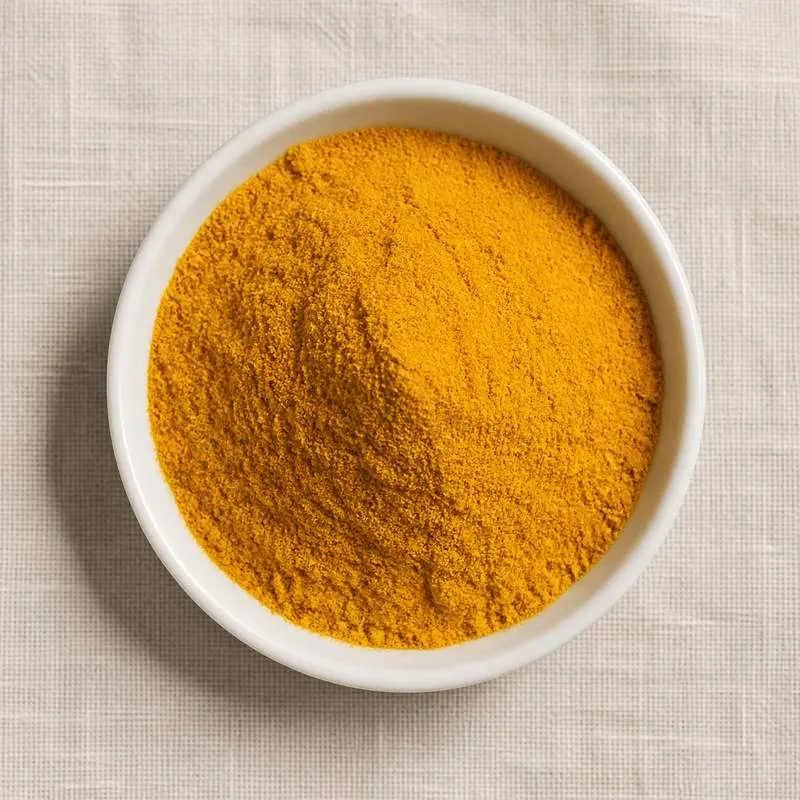
The polysaccharide extract is an orange-yellow to light brown fine powder with a faint fruity odour and a mildly sweet taste. It dissolves in warm water to a slightly hazy, mildly viscous solution and disperses reasonably in hydroalcoholic systems. The material is hygroscopic and cakes readily because of its residual free sugar content, and the polysaccharide chains depolymerise under strong acid and prolonged high heat, which lowers both viscosity and the measured assay.
We source bulk Lycium Barbarum Extract from top China manufacturers for our partners. The manufacturer is in Shaanxi. A smaller requirement can ship in a combined container with other ingredients.
Please send the grade you need, the volume and your destination port, and we will come back with a solution and a price.
or call +86-21-6858 0751
- Function
- Plant extract
Specifications
| Item | Specification |
|---|---|
| Botanical Source | Lycium barbarum L., dried fruit |
| Appearance | Orange-yellow to light brown fine powder |
| Lycium Polysaccharides | ≥ 40.0% |
| Identification | Conforms by TLC and by microscopy of source material |
| Loss on Drying | ≤ 6.0% |
| Ash | ≤ 8.0% |
| Residual Solvent (Ethanol) | ≤ 5,000 mg/kg |
| Lead | ≤ 2.0 mg/kg |
| Arsenic | ≤ 1.0 mg/kg |
| Pesticide Residues | Complies with destination market limits |
| Total Plate Count | ≤ 10,000 cfu/g |
| Yeast and Mould | ≤ 100 cfu/g |
| E. coli | Negative in 1 g |
| Salmonella | Negative in 25 g |
Common Markets Grades
The standard trading grades are quoted on Lycium barbarum polysaccharide content by colourimetric method, at 20, 30, 40 or 50 percent, with purified fractions above that sold in smaller volume. Ratio extracts without a marker claim, typically 4:1, 10:1 or 20:1 water extracts, are traded where a whole fruit profile is wanted. Extracts standardised on zeaxanthin or on zeaxanthin dipalmitate are a separate line, made by solvent or supercritical extraction of the carotenoid fraction and quoted in tenths of a percent or single percent figures rather than in tens.
Alongside the extracts, whole dried berries, freeze dried berries, milled fruit powder, spray dried fruit juice powder and concentrated juice at 60 to 65 degrees Brix are all traded and are distinct products, though the trade names overlap. Origin is a real specification point, with Ningxia material commanding a premium. Sulphur dioxide is used in some drying operations to preserve colour and must be declared, and unsulphured lots are traded separately. Lycium chinense is a related species sold under similar names and should be excluded by specification where Lycium barbarum is required.
Applications
- Immune support supplements in capsule and tablet form, the largest outlet for the polysaccharide grade
- Eye health formulas, generally using the carotenoid-standardised grade alongside lutein and zeaxanthin from marigold
- Functional beverages, juices and health drinks, using the water-soluble spray dried powder
- Herbal tea blends and instant granules, often with jujube and chrysanthemum
- Traditional Chinese herbal preparations, where the fruit is a long-established tonic ingredient
- Nutricosmetic and beauty drinks drawing on the antioxidant and amino acid fractions
- Bakery, cereal and snack products where the extract contributes colour as well as claim
- Nutritional formulas for older consumers, combining the polysaccharide and micronutrient content
- Companion animal supplements aimed at vitality and coat condition
Brands Using Lycium Barbarum Extract
Widely-distributed consumer products that list Lycium Barbarum Extract on the ingredient label.
- Jing HerbsLycium Extract Powder ↗A 10:1 extract powder of lycium fruit, the berry also sold as goji, taken 2 grams at a time in warm water.Label verified 2026-08-31
- Jing HerbsFoundation Formula ↗A 10:1 multi-herb capsule whose named tonic herbs are astragalus, lycium, ginseng and reishi.Label verified 2026-08-31
Brand names, product names and logos are the property of their owners. They appear here as published evidence that the ingredient is used, taken from the brand's own label or website. Their appearance is not an endorsement, and it does not mean the brand buys from us or from any manufacturer listed on this site.
China Manufacturers of Lycium Barbarum Extract
Top Lycium Barbarum Extract manufacturers in China.

Company names and logos are the property of the manufacturers themselves. They are listed here because our own directory records them as producing this ingredient. A listing is not an endorsement by them, and we do not represent them or speak on their behalf.
Regulatory Status
In the United States dried goji berries are handled as a conventional food and extracts are marketed as dietary ingredients under the Dietary Supplement Health and Education Act, with manufacture under 21 CFR Part 111. The Food and Drug Administration has not issued a food additive regulation or a generally recognised as safe affirmation specific to Lycium barbarum extract, so a concentrated polysaccharide fraction without an established marketing history would be assessed as a new dietary ingredient. Where sulphur has been used in drying, residual sulphite above the labelling threshold must be declared.
In the European Union dried Lycium barbarum fruit was assessed and confirmed as not a novel food, on the basis of demonstrated consumption before May 1997, and the position is recorded in the Commission novel food catalogue. That confirmation covers the dried fruit; concentrated extracts and purified polysaccharide fractions that depart substantially from traditional intake require separate assessment under the novel food Regulation and should not be assumed to inherit the status of the berry. Sulphur dioxide used in drying is a permitted additive under Regulation (EC) No 1333/2008 and is an allergen for labelling purposes. No health claim for goji appears on the EU register of authorised claims, so immune and eye claims cannot be made. Dried fruit is subject to pesticide maximum residue levels applied with a drying factor, and goji is a commodity on which residue findings are relatively common.
Manufacturing Process
Production begins with dried goji berries, cleaned to remove stalks, leaves and field debris, inspected for identity and residual sulphur, and milled or crushed to break the skin. Extraction is by countercurrent hot water at 80 to 95 degrees Celsius in successive stages, since the target arabinogalactan-protein complex is water soluble and would be left behind by an alcohol solvent. Extraction temperature and residence time are controlled to release the polysaccharide without breaking the chains down.
The pooled liquor is centrifuged and filtered to remove fruit pulp and seed fragments, then concentrated under vacuum in a falling film evaporator. Enrichment is by alcohol precipitation: ethanol is added to the concentrate to 70 or 80 percent, which drops the polysaccharide out of solution while the free sugars, amino acids, betaine and salts remain dissolved, and this single step accounts for most of the difference between a 10 percent and a 50 percent grade. The precipitate is recovered by centrifugation and redissolved in water, and higher grades are then deproteinised and passed through ultrafiltration membranes to strip low molecular weight material. The purified solution is concentrated, standardised by blending or with a maltodextrin carrier, then spray dried or vacuum belt dried, sieved and packed with a moisture barrier. Where a carotenoid grade is the objective the dried fruit is instead extracted with ethanol or supercritical carbon dioxide, and the two production lines share only the raw material.