Marine Collagen Peptide
Marine collagen peptide is the low molecular weight hydrolysate of type I collagen extracted from fish skin, scale or bone, most commonly tilapia, pangasius, cod or pollock, and dried into a water soluble powder.
Collagen is a triple helix built from repeating glycine, proline and hydroxyproline units, and hydrolysis cuts it into peptide fragments averaging between 1000 and 5000 Daltons. Hydroxyproline is the diagnostic residue, present at around 8 to 10 percent and used both as the identity marker and as the assay basis. Marine collagen differs from bovine and porcine collagen in having a lower proline and hydroxyproline content and therefore a lower denaturation temperature, which reflects the body temperature of the source animal, and this makes it easier to extract at moderate heat but also means the parent gelatin sets weakly.
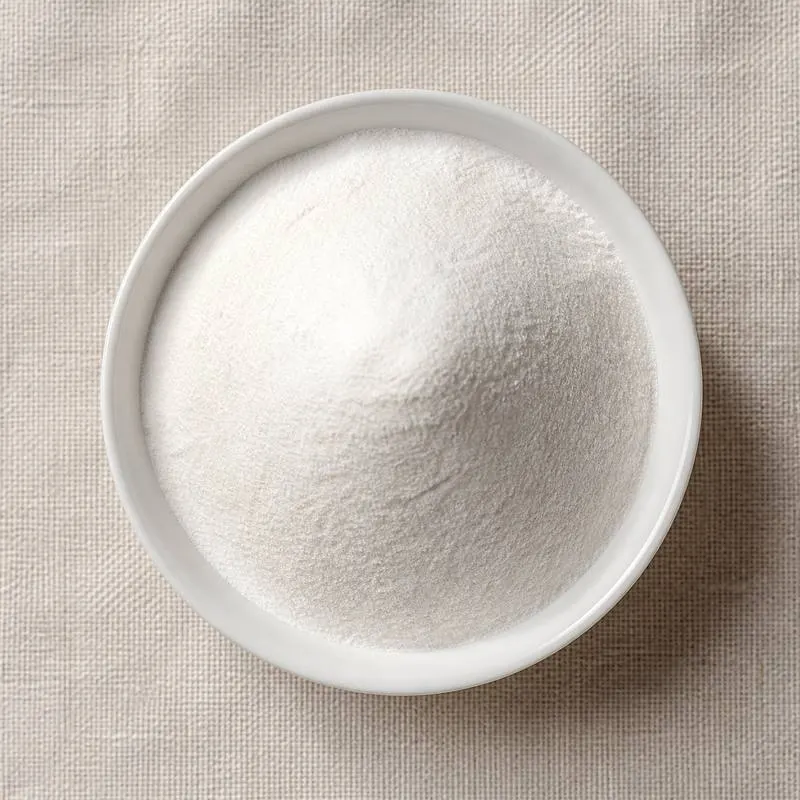
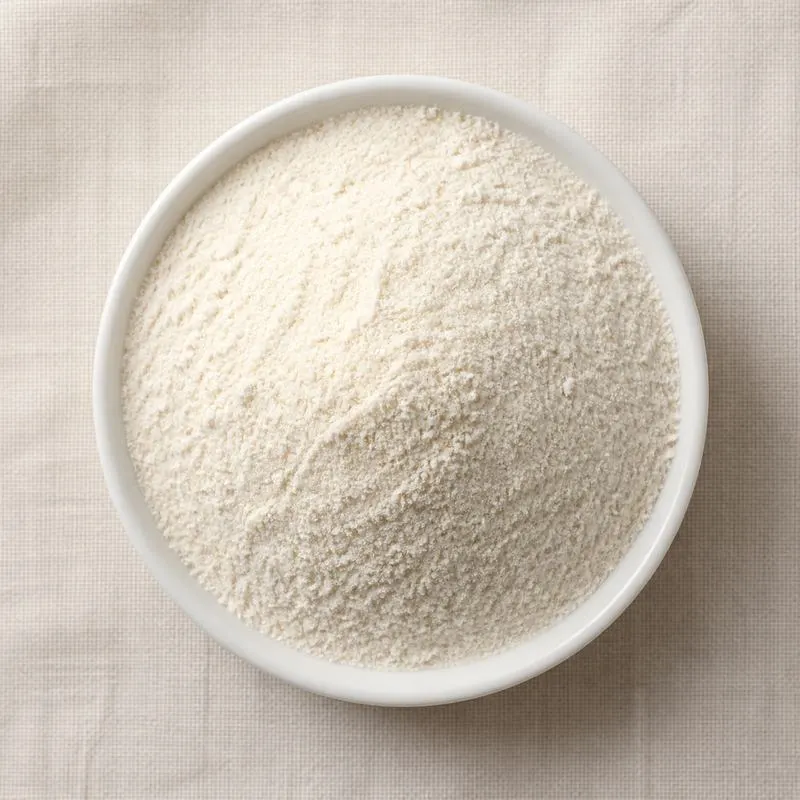
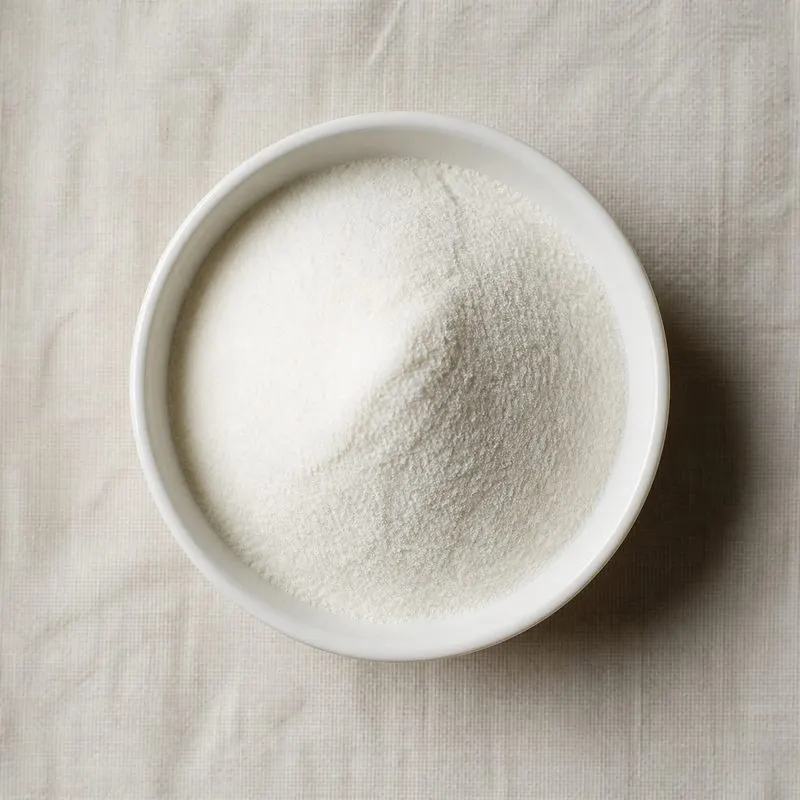
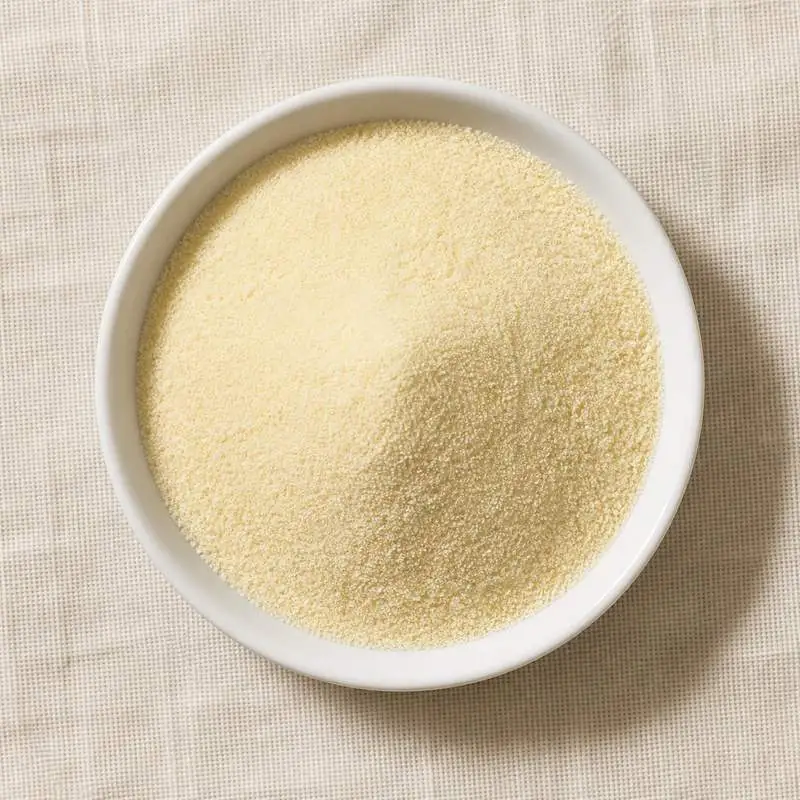
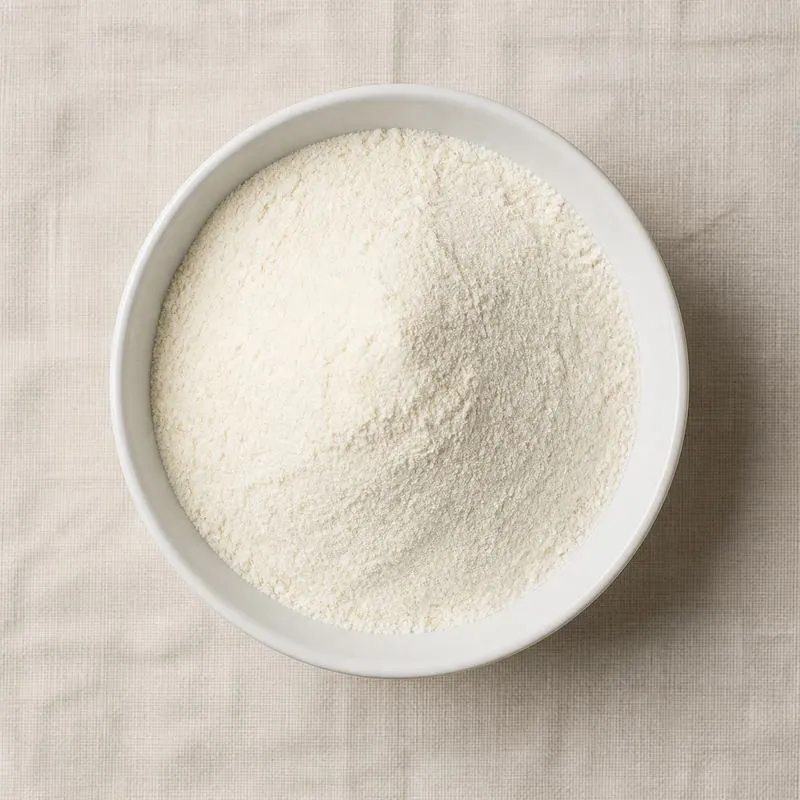
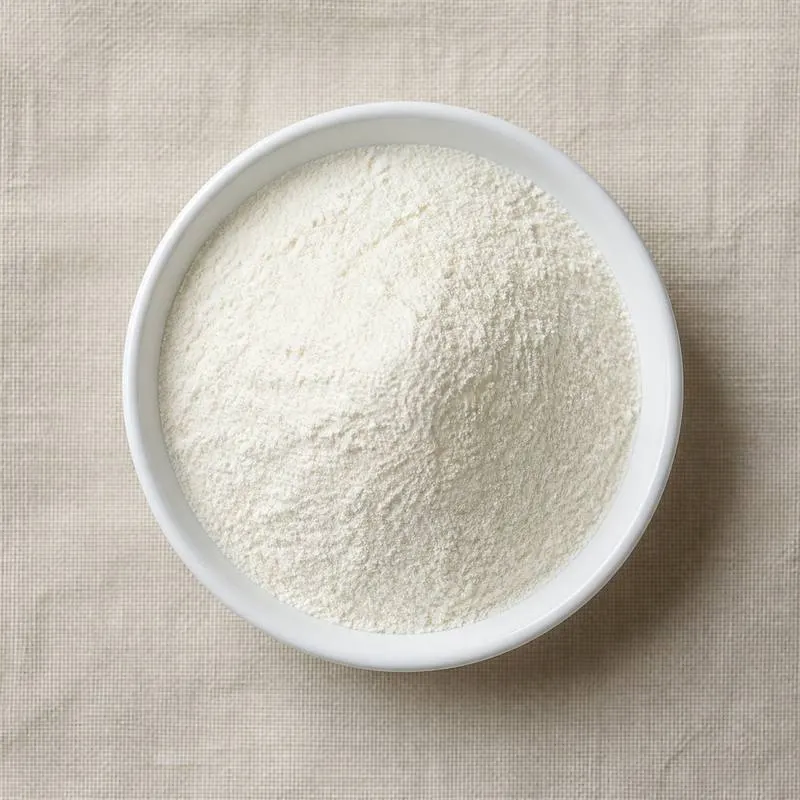
The powder is white to light yellow, essentially odourless when properly deodorised, and dissolves rapidly to 20 percent and beyond in cold or hot water without forming a gel, since hydrolysis has destroyed the gelling capacity. Solutions are low in viscosity, clear to slightly cloudy, and stable from pH 3 to 7 and through pasteurisation and retort, which is why the ingredient can be dosed into clear acid beverages where almost no other protein survives.
We source bulk Marine Collagen Peptide from top China manufacturers for our partners. The manufacturer is in Hunan. A smaller requirement can ship in a combined container with other ingredients.
Please send the grade you need, the volume and your destination port, and we will come back with a solution and a price.
or call +86-21-6858 0751
- Function
- Protein
Specifications
| Item | Specification |
|---|---|
| Appearance | White to light yellow fine powder |
| Odour and Taste | Practically odourless and bland, free from fishy notes |
| Protein (N x 5.55, dry basis) | Minimum 90.0% |
| Hydroxyproline | Minimum 8.0% |
| Average Molecular Weight | 1,000 to 5,000 Da |
| Loss on Drying | Maximum 7.0% |
| Ash | Maximum 2.0% |
| Fat | Maximum 0.5% |
| pH (1% solution) | 5.0 to 7.0 |
| Transmittance (10% solution, 550 nm) | Minimum 90% |
| Lead | Maximum 0.5 mg/kg |
| Total Plate Count | Maximum 1,000 cfu/g |
| Yeast and Mould | Maximum 50 cfu/g |
| Escherichia coli and Salmonella | Absent in 25 g |
Common Markets Grades
Grades are described by average molecular weight, by source tissue and by sensory quality. Standard beauty and nutrition grades average 2000 to 5000 Daltons, while low molecular weight grades below 1000 Daltons are priced higher on absorption positioning and dissolve faster. Scale derived peptide is paler and lower in fat than skin derived peptide but more expensive to process, since scale requires decalcification before extraction.
Sensory specification matters more here than in most hydrolysates, because residual fish odour is the usual reason a lot is rejected. Deodorised and decolourised grades, processed with additional carbon and resin treatment, are made for beverage and sachet use, and are specified against a described sensory panel result rather than an instrumental figure. Further options include instantised and granulated powders for stick packs, halal and kosher certified lots, blends standardised with vitamin C or hyaluronic acid, and lots documented as free of the species that carry the fish allergen restrictions of a given market.
Applications
- Beauty and skin positioned drinks and shots, the largest single application, where full solubility in an acid base is essential
- Collagen powders and stick packs taken in water, coffee or juice
- Capsule and tablet supplements, often combined with vitamin C, hyaluronic acid and zinc
- Joint and mobility supplements, where collagen peptides are used alongside glucosamine and chondroitin
- Functional gummies and jelly sticks, where the low viscosity of the hydrolysate does not interfere with the gelling system
- Protein and nutrition bars, contributing protein together with a marketing claim
- Fortified dairy, yoghurt drinks and coffee creamers in Asian functional ranges
- Sports nutrition products aimed at connective tissue recovery
- Skincare and haircare formulations, where small peptides act as film forming and moisture binding agents
- Pet supplements for joint and coat condition in senior animals
Brands Using Marine Collagen Peptide
Widely-distributed consumer products that list Marine Collagen Peptide on the ingredient label.
- Vital ProteinsMarine Collagen - Unflavored ↗An unflavoured powder supplying 12 g of marine collagen peptides per serving from wild caught fish scales.Label verified 2026-08-31
- CodeageWild Caught Marine Collagen Peptides Powder ↗A hydrolysed marine collagen powder providing type I and type III collagen peptides from wild caught fish.Label verified 2026-08-31
- Double Wood SupplementsMarine Collagen Powder ↗A powder of hydrolysed marine collagen peptides sold for skin and joint support.Label verified 2026-08-31
- NutricostFarm-Raised Marine Collagen Powder ↗A marine collagen powder sourced from sustainably farmed fish.Label verified 2026-08-31
- VitabioticsPerfectil Platinum Collagen Skin Drink ↗A liquid beauty supplement providing 7000 mg of Peptan marine collagen peptides per bottle.Label verified 2026-08-31
Brand names, product names and logos are the property of their owners. They appear here as published evidence that the ingredient is used, taken from the brand's own label or website. Their appearance is not an endorsement, and it does not mean the brand buys from us or from any manufacturer listed on this site.
China Manufacturers of Marine Collagen Peptide
Top Marine Collagen Peptide manufacturers in China.

Company names and logos are the property of the manufacturers themselves. They are listed here because our own directory records them as producing this ingredient. A listing is not an endorsement by them, and we do not represent them or speak on their behalf.
Regulatory Status
In the United States collagen peptides from fish are conventional food ingredients used under good manufacturing practice, and several collagen hydrolysates have been the subject of generally recognised as safe conclusions covering food use, with supplement use falling under the Dietary Supplement Health and Education Act. Fish is one of the major food allergens named in the Food Allergen Labelling and Consumer Protection Act, so the species must be declared, and imported material is subject to the seafood hazard analysis and critical control point requirements applying to fishery products.
In the European Union collagen intended for human consumption is covered by the specific hygiene rules for products of animal origin, which lay down the permitted raw materials, treatment conditions and traceability for collagen manufacture, with additional provisions for fishery raw material. Collagen hydrolysates from established food species are food ingredients rather than novel foods and carry no E number. Fish appears in Annex II of Regulation (EU) No 1169/2011 and must be emphasised in the ingredient list. Health claims relating to skin or joints may only be made where authorised on the European Union register, and none is currently authorised for collagen peptides, so European positioning relies on nutrition labelling. Codex has no additive specification for the material, since it is a food ingredient.
Manufacturing Process
Fish skin, scale or bone recovered at filleting is chilled, washed and cleaned of adhering flesh and fat. Scale and bone are decalcified with dilute acid, usually hydrochloric, to dissolve the mineral phase, while skin goes directly to pretreatment. The cleaned material is then swollen, either in dilute alkali over hours to days to remove non collagenous protein and pigment, or in dilute acid for a shorter cycle, and is washed to neutrality afterwards; this washing is the step that most affects residual odour in the final powder.
The swollen collagen is extracted with hot water at 55 to 70 degrees Celsius, a lower temperature than mammalian collagen requires, giving a gelatin solution. That solution is hydrolysed with food grade proteases at controlled pH and temperature until the target molecular weight is reached, after which the enzymes are inactivated by heat. The digest is filtered and clarified, decolourised and deodorised on activated carbon, desalted and polished on ion exchange resin, and passed through ultrafiltration or nanofiltration to fix the molecular weight distribution. The purified liquor is concentrated under vacuum, given a short high temperature sterilisation hold, and spray dried into a fine powder that is sieved, checked for stray metal and packed, with an agglomeration step added for instantised grades.