Mascarpone Cheese
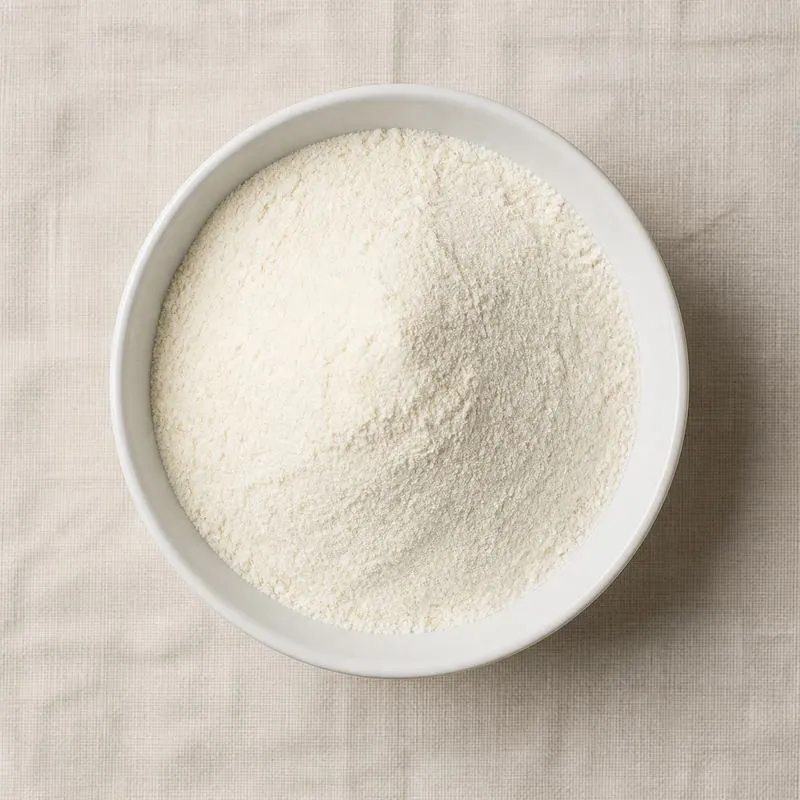
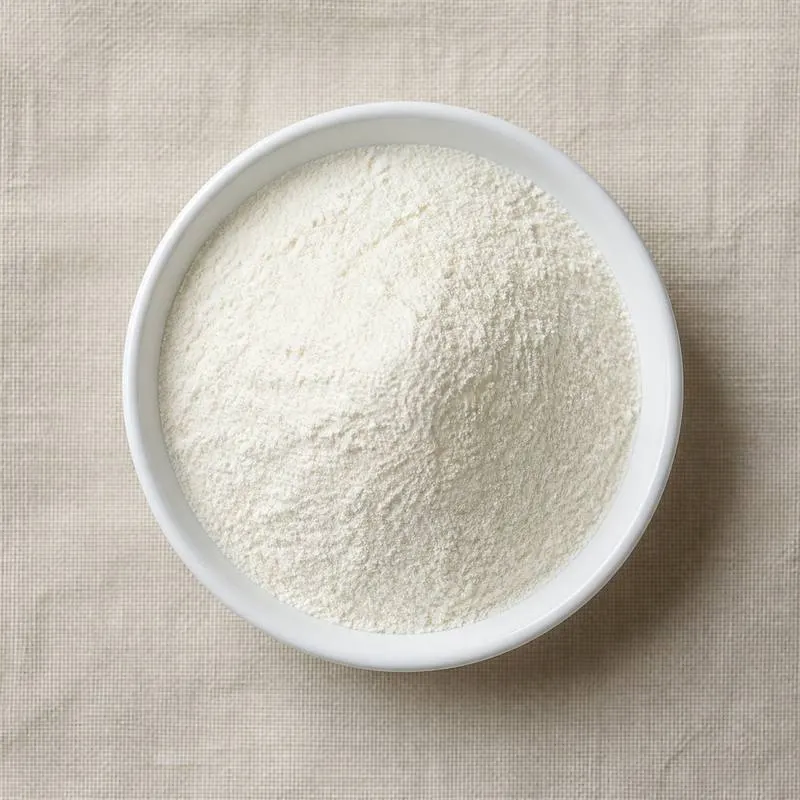
Mascarpone is a fresh, unripened Italian cheese made by acidifying hot cream, with a fat content typically between 40 and 50 percent in the finished product and a smooth, spoonable texture closer to a set cream than to a curd cheese.
It sits apart from most cheeses in that it is made from cream rather than from milk, and coagulation is achieved with an organic acid rather than with rennet or a starter culture. Heating cream to around 85 to 90 degrees Celsius and adding citric or tartaric acid denatures and aggregates the whey proteins around the fat globules, producing a soft mass that is drained rather than cut and pressed. There is no casein network of the kind rennet builds, which is why the texture is creamy and short instead of elastic.
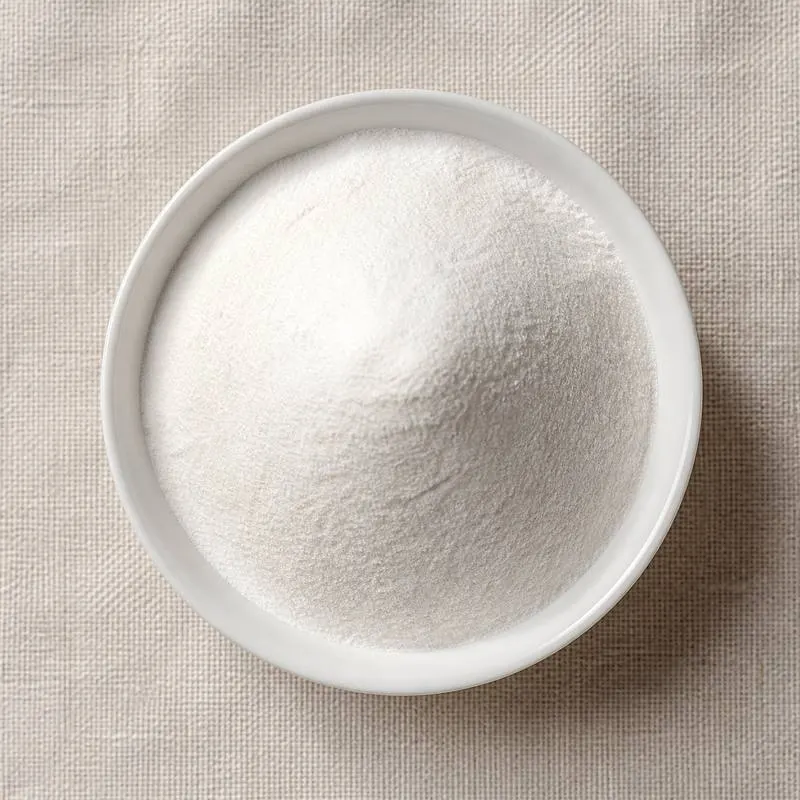
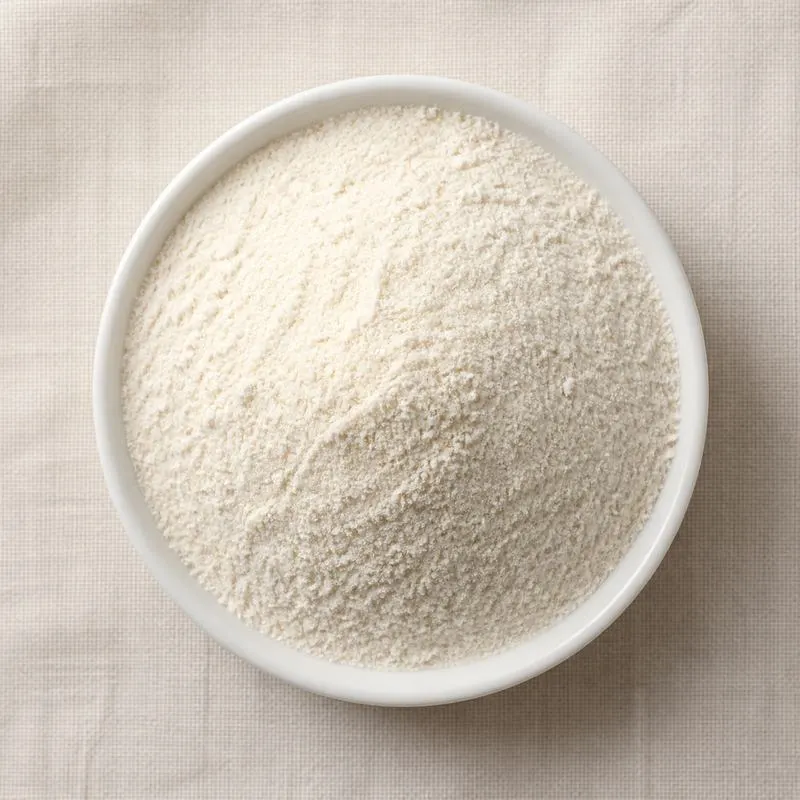
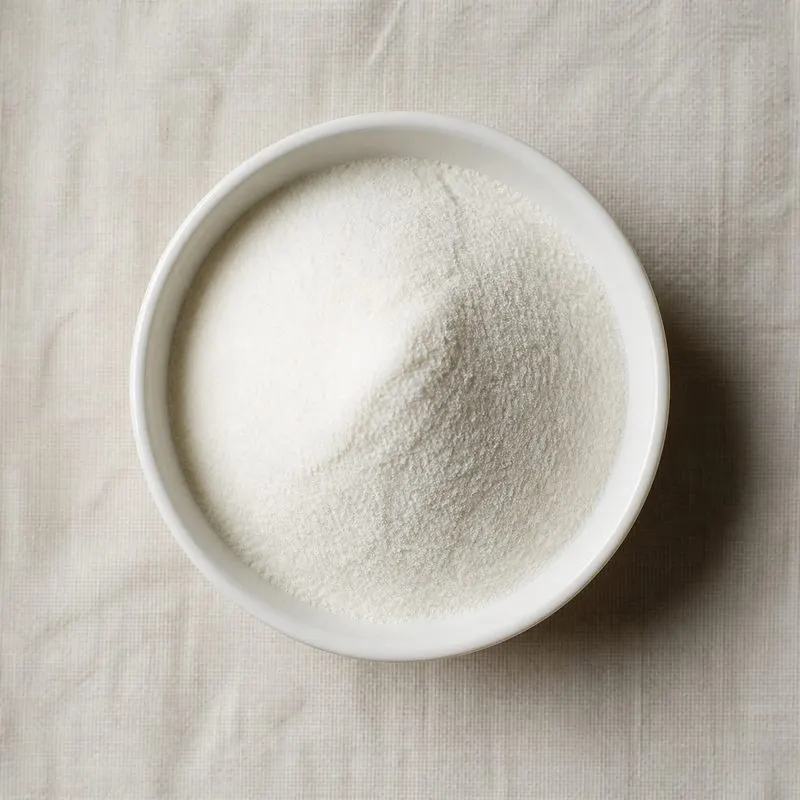
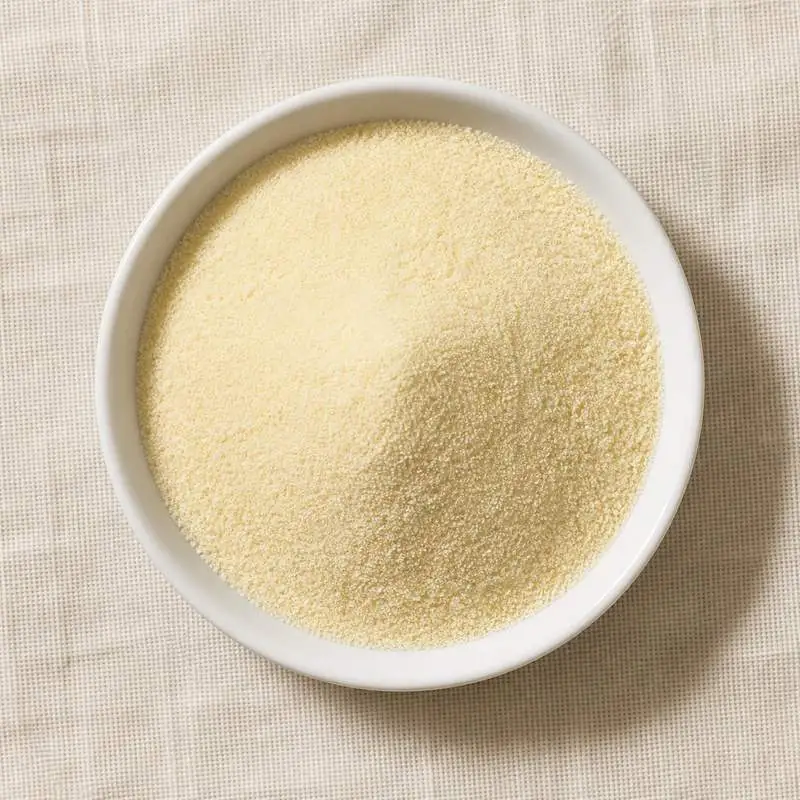
The product is ivory to pale cream in colour, mildly sweet and lactic in flavour with no sharpness, and it melts readily into hot sauces without splitting because the fat is already the continuous phase. Being high in moisture, unripened and near neutral in pH, it is microbiologically fragile, so it is held under refrigeration throughout and carries a short shelf life unless the pack is ultra clean filled or the product is stabilised.
We source bulk Mascarpone Cheese from top China manufacturers for our partners. The manufacturer is in Zhejiang. A smaller requirement can ship in a combined container with other ingredients.
Please send the grade you need, the volume and your destination port, and we will come back with a solution and a price.
or call +86-21-6858 0751
- Function
- Protein
Specifications
| Item | Specification |
|---|---|
| Appearance | Smooth ivory to pale cream mass, free from lumps and separation |
| Odour and Taste | Mild, sweet and lactic, free from sour, rancid or bitter notes |
| Fat (in product) | Minimum 40.0% |
| Total Solids | Minimum 50.0% |
| Protein | 4.0 to 6.0% |
| Moisture | Maximum 50.0% |
| pH | 5.5 to 6.2 |
| Salt | Maximum 0.5% |
| Coliforms | Maximum 10 cfu/g |
| Escherichia coli | Absent in 1 g |
| Yeast and Mould | Maximum 100 cfu/g |
| Staphylococcus aureus | Maximum 100 cfu/g |
| Listeria monocytogenes | Absent in 25 g |
| Salmonella | Absent in 25 g |
Common Markets Grades
Trade grades are set primarily by fat content and by pack format. Traditional full fat mascarpone runs 40 to 50 percent fat in the product, made from cream standardised at 30 to 40 percent fat, while reduced fat versions in the high twenties or low thirties are produced for industrial dessert use and behave differently in a mix. Industrial grades sold in 2 kilogram, 5 kilogram or 10 kilogram tubs and in bag in box formats are frozen or deep chilled for bakery and dessert manufacturing, against retail tubs for the consumer trade.
The other axis is formulation. Plain mascarpone contains only cream, acid and sometimes salt, whereas stabilised versions carry hydrocolloids or milk protein to control syneresis through freezing and thawing or through a long chilled shelf life. Ultra high temperature treated and aseptically filled grades trade shorter texture for a shelf life measured in months. Italian producers also distinguish between mascarpone made from cow cream alone and versions blended for a specific fat profile, and buyers specify pH, since it decides both flavour and keeping quality.
Applications
- Tiramisu, the single largest industrial application, where it is whipped with egg and sugar into the cream layer
- Cheesecake and set dessert fillings, contributing richness and a smooth mouthfeel without a firm curd
- Bakery creams and layer fillings, used in place of part of the whipping cream for body and flavour
- Risotto and pasta sauces, stirred in at the end for a smooth finish that does not split on heating
- Savoury dips, spreads and canape fillings, blended with herbs and seasonings
- Ice cream and frozen dessert bases, raising fat content and softening the frozen texture
- Ready to eat chilled desserts and dessert pots for retail
- Icings and frostings, where the mild lactic note balances the sweetness of sugar
- Filled pasta such as ravioli and tortellini, used in the filling alongside ricotta and spinach
- Foodservice sauces and soups, added as a finishing cream in professional kitchens
Brands Using Mascarpone Cheese
Widely-distributed consumer products that list Mascarpone Cheese on the ingredient label.
- Vermont CreameryMascarpone ↗An Italian-style cream cheese made from fresh Vermont cream and sold as mascarpone.Label verified 2026-08-31
- Vermont Creamery5 lb. Mascarpone ↗The foodservice size of the same cultured cream mascarpone, sold in a 5 pound tub.Label verified 2026-08-31
- Simply EgglessTiramisu Eggless Cake ↗A coffee soaked sponge cake filled with a mascarpone mousse.Label verified 2026-08-31
- Vosges Haut-ChocolatStrawberry Yuzu Chocolate Hearts ↗Filled white chocolate hearts layering strawberry, mascarpone and yuzu inside a 36% cocoa butter shell.Label verified 2026-08-31
Brand names, product names and logos are the property of their owners. They appear here as published evidence that the ingredient is used, taken from the brand's own label or website. Their appearance is not an endorsement, and it does not mean the brand buys from us or from any manufacturer listed on this site.
China Manufacturers of Mascarpone Cheese
Top Mascarpone Cheese manufacturers in China.

Company names and logos are the property of the manufacturers themselves. They are listed here because our own directory records them as producing this ingredient. A listing is not an endorsement by them, and we do not represent them or speak on their behalf.
Regulatory Status
In the United States mascarpone is not among the cheeses with a federal standard of identity, so it is marketed as an unstandardised cheese labelled by its common name with a full ingredient declaration. It is nonetheless a dairy product subject to the pasteurised milk ordinance framework applied to grade A products where that applies, to the preventive controls rules for human food, and to the requirement that cheese be made from pasteurised milk or cream unless it meets the sixty day ageing provision, which a fresh cheese cannot. Milk is a major food allergen under the Food Allergen Labelling and Consumer Protection Act and must be declared.
In the European Union mascarpone is a fresh cheese covered by the general hygiene rules for products of animal origin, with the microbiological criteria for ready to eat foods, including the Listeria monocytogenes criterion, set out in Regulation (EC) No 2073/2005. It holds no protected designation of origin, so the name may be used across the market, although Italian national practice defines the composition in trade terms. Milk appears in Annex II of Regulation (EU) No 1169/2011 and must be emphasised in the ingredient list. Codex maintains a general standard for cheese and a standard for unripened cheese including fresh cheese, which set out composition and labelling principles for the category, and the acidifying agents used are permitted additives within that framework.
Manufacturing Process
Fresh cream separated from whole milk is standardised to a fat content in the region of 30 to 40 percent, then pasteurised. For mascarpone the cream is taken hotter than a normal pasteurisation, to around 85 to 90 degrees Celsius, and held with gentle agitation. A food grade organic acid, citric or tartaric, is dosed as a dilute solution while the cream is hot and the mass is stirred slowly to distribute it, bringing the pH down towards 5.5 to 6.0 and causing the denatured whey proteins to aggregate around the fat globules.
Once coagulation is complete the mass is cooled gradually and drained to remove the small amount of free serum released, traditionally in cloth bags and industrially by centrifugal separation or by filtration in jacketed vessels, which shortens the cycle and gives a more reproducible dry matter. The drained curd is then smoothed by gentle shearing, brought to filling temperature, and hot filled or clean filled into tubs, buckets or bag in box packs. Because there is no ripening step and no protective starter culture, hygiene downstream of the heat treatment decides the shelf life, so filling is done under strict environmental control and the product is chilled quickly and held near 4 degrees Celsius, or frozen for industrial supply.