Menadione Sodium Bisulfite
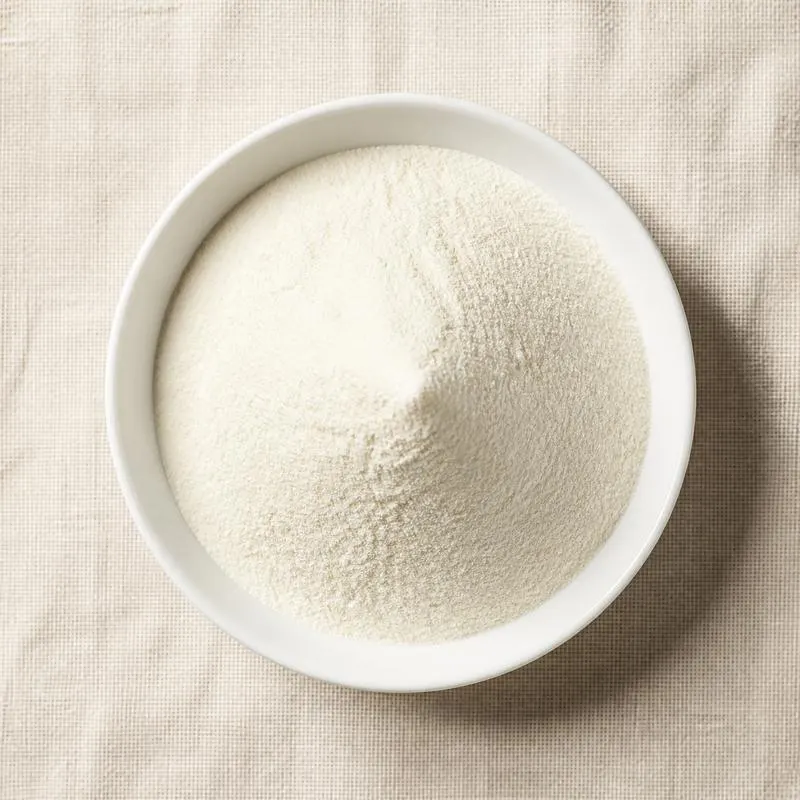
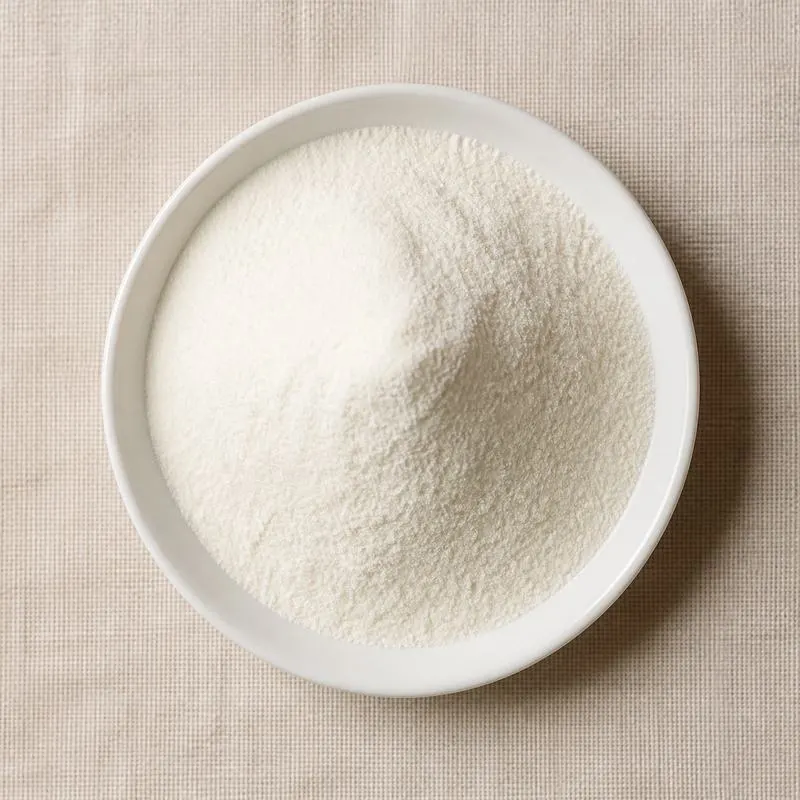
Menadione Sodium Bisulfite is the addition compound formed when menadione, the synthetic vitamin K3 quinone, reacts with sodium bisulphite, giving a water soluble crystalline salt usually isolated as the trihydrate.
The bisulphite adds across one of the quinone double bonds, converting a reactive, volatile, strongly irritant yellow solid into a stable white to cream powder that can be weighed, blended and pelleted in a feed mill. The bond is reversible under the conditions of the digestive tract, so menadione is released after ingestion and is then alkylated in the liver to menaquinone-4, the active form that carboxylates clotting factors and bone proteins. In practical terms the derivative exists to make vitamin K3 easy to handle rather than to change what it does.
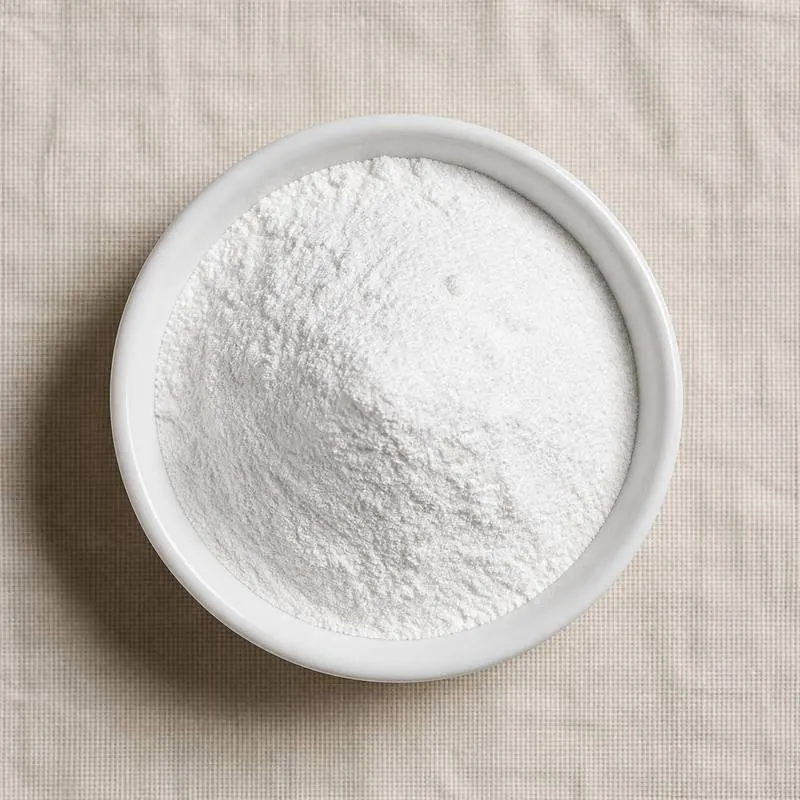
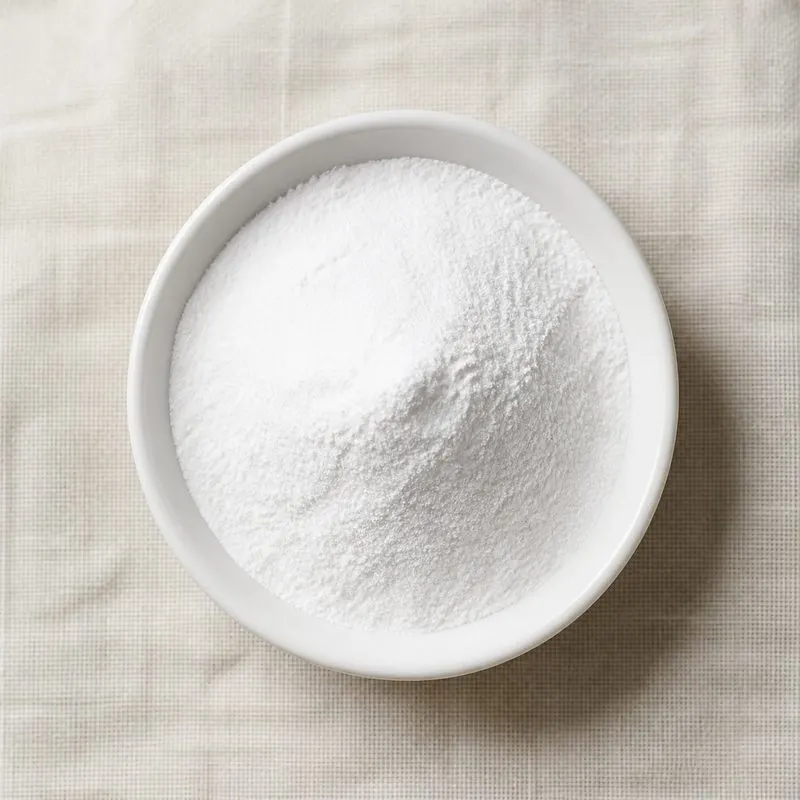
It is a white to light cream or pale yellow crystalline powder, freely soluble in water and only slightly soluble in ethanol, with the simple bisulphite carrying roughly 50 percent menadione by weight and the sodium bisulphite complex, in which excess bisulphite is present, carrying about a third. Stability is the practical weak point: the compound is degraded by light, by alkaline conditions, by moisture and above all by contact with choline chloride and with the trace mineral salts of copper, iron and zinc found in the same premix, which is why storage time and premix composition are specified alongside assay.
We source bulk Menadione Sodium Bisulfite from top China manufacturers for our partners. The manufacturer is in Zhejiang. A smaller requirement can ship in a combined container with other ingredients.
Please send the grade you need, the volume and your destination port, and we will come back with a solution and a price.
or call +86-21-6858 0751
- Function
- Vitamin
Specifications
| Item | Specification |
|---|---|
| Appearance | White to cream or pale yellow crystalline powder |
| Identification | Ultraviolet spectrum conforms to reference standard |
| Assay, as menadione | ≥ 50.0% for the simple bisulphite |
| Sodium Bisulphite Content | Conforms to declared stoichiometry |
| Free Menadione | ≤ 0.5% |
| Loss on Drying | ≤ 5.0% |
| pH, 5% aqueous solution | 3.0 to 5.0 |
| Solubility | Freely soluble in water, solution clear on dissolution |
| Residue on Ignition | ≤ 40% |
| Chromium | ≤ 2.0 mg/kg |
| Heavy Metals | ≤ 20 mg/kg |
| Lead | ≤ 5.0 mg/kg |
| Arsenic | ≤ 3.0 mg/kg |
| Particle Size | ≥ 95% through 60 mesh |
Common Markets Grades
Two closely related articles are traded. Menadione sodium bisulphite, the stoichiometric addition compound, contains around 50 percent menadione. Menadione sodium bisulphite complex, in which additional sodium bisulphite is co-crystallised, contains about 33 percent menadione and is the form most commonly used in feed because the excess bisulphite acts as a sacrificial reductant and improves storage stability.
Within each, the specification points are menadione content by assay, free menadione, moisture, particle size and demonstrated retention in a model premix containing choline chloride and trace elements. Coated and microencapsulated grades, in which the crystal is protected by a fat, wax or polymer layer, are produced for extruded and pelleted feeds and for premixes with long storage times. Only feed grade exists; the compound is not made to a food or supplement specification.
Applications
- Broiler and layer feed premixes, supplying vitamin K3 to support clotting and reduce carcass haemorrhage
- Turkey and waterfowl feed, where the K requirement is comparatively high
- Swine feed for grower and finisher diets, delivered through the compound premix
- Calf and young ruminant feed, before rumen microbial synthesis is established
- Aquaculture feed for fish and shrimp, included in the fat soluble vitamin fraction
- Pet food and companion animal diets, as the vitamin K component of the premix
- Milk replacers for calves and piglets, where water solubility suits reconstitution
- Concentrated vitamin premixes and vitamin mineral blends, as the standard K3 source
China Manufacturers of Menadione Sodium Bisulfite
Top Menadione Sodium Bisulfite manufacturers in China.

Company names and logos are the property of the manufacturers themselves. They are listed here because our own directory records them as producing this ingredient. A listing is not an endorsement by them, and we do not represent them or speak on their behalf.
Regulatory Status
Menadione sodium bisulphite is a feed ingredient and is not permitted in human food or supplements in the major markets. In the European Union it is authorised as a nutritional feed additive in the vitamin K3 functional group under the feed additives regulation, with conditions of use, target species and specification set out in the relevant authorising regulation. Menadione and its derivatives do not appear among the forms of vitamin K permitted for the addition of vitamins to foods under Regulation (EC) No 1925/2006 or for food supplements under Directive 2002/46/EC.
In the United States the Food and Drug Administration's regulations governing food additives for animal feed permit menadione sodium bisulphite complex for use in animal food, while menadione is not accepted in human dietary supplements and the agency has taken action against products containing it. Codex and JECFA address vitamin K nutrition through phylloquinone rather than menadione. Handling controls in the plant and feed mill also reflect occupational exposure requirements for a substance that releases menadione and sulphur dioxide under adverse conditions.
Manufacturing Process
The route starts from 2-methylnaphthalene, which is oxidised to menadione. Traditional plants use chromic acid or sodium dichromate in sulphuric acid, which is selective but leaves a chromium bearing waste stream, and newer installations use hydrogen peroxide or oxygen over a transition metal catalyst to avoid it. The crude quinone is separated from the aqueous phase and washed, and it is normally carried forward without isolation as a dry solid because free menadione is volatile and irritant.
The menadione is contacted with an aqueous solution of sodium bisulphite under controlled temperature and pH, and the bisulphite adds across the quinone to form the water soluble adduct. Where the complex rather than the simple adduct is wanted, sodium bisulphite is charged in excess so that it co-crystallises with the addition compound. The product is crystallised by cooling or by concentration, separated on a centrifuge, washed with a small volume of cold water or alcohol, and dried at low temperature under vacuum, since heat and moisture both drive reversal of the addition. The dried crystal is milled and screened to the target particle size and packed in opaque, moisture barrier containers, with the whole downstream sequence run under reduced light. Coated grades are produced by spraying a molten fat or a polymer solution onto the crystal in a fluid bed.