Mixed Nucleotide
Mixed nucleotide is a blended preparation of the five prime ribonucleotides, normally cytidine 5 prime monophosphate, uridine 5 prime monophosphate disodium, adenosine 5 prime monophosphate, guanosine 5 prime monophosphate disodium and inosine 5 prime monophosphate disodium, sold as a dry powder blend for infant nutrition.
Each component is a nucleoside monophosphate consisting of a purine or pyrimidine base, a ribose sugar and a phosphate group. Human milk contains nucleotides at levels well above those in bovine milk, and the blend exists to close that gap in infant formula, since nucleotides support tissue with rapid turnover such as the intestinal mucosa and the immune system where dietary supply reduces the demand for de novo synthesis.
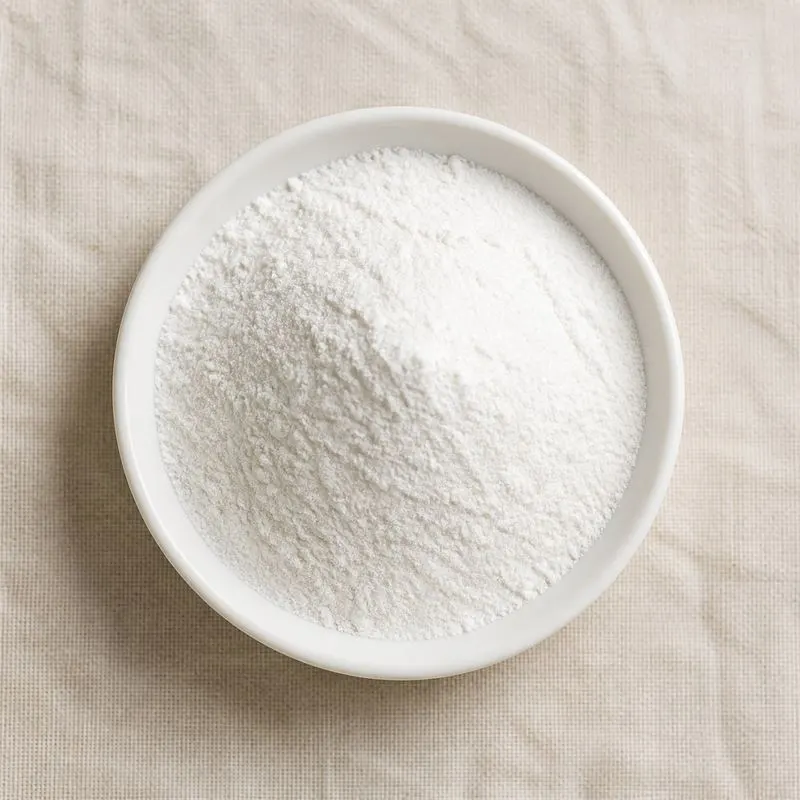
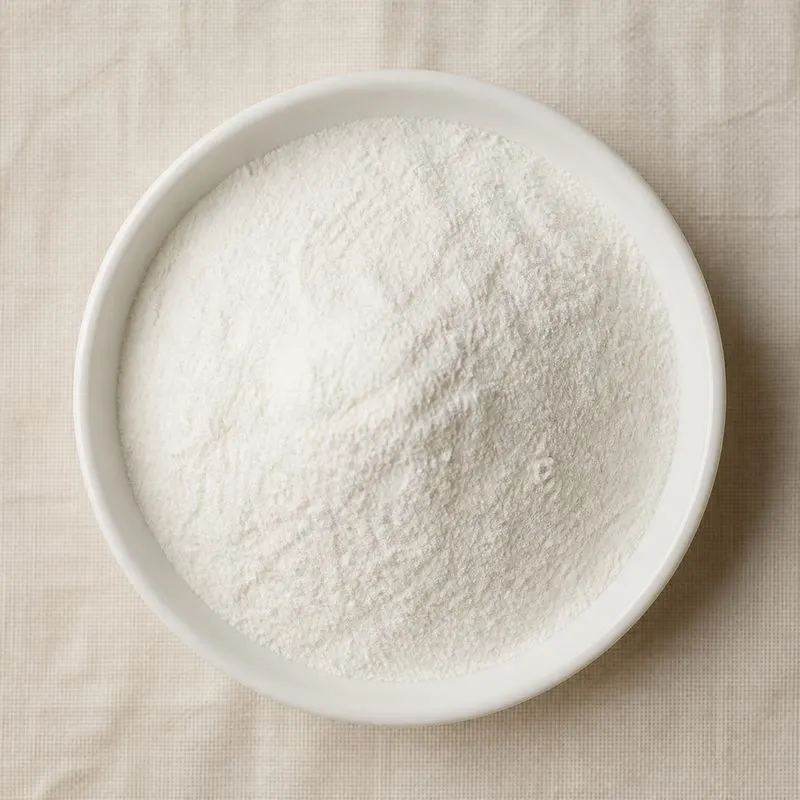
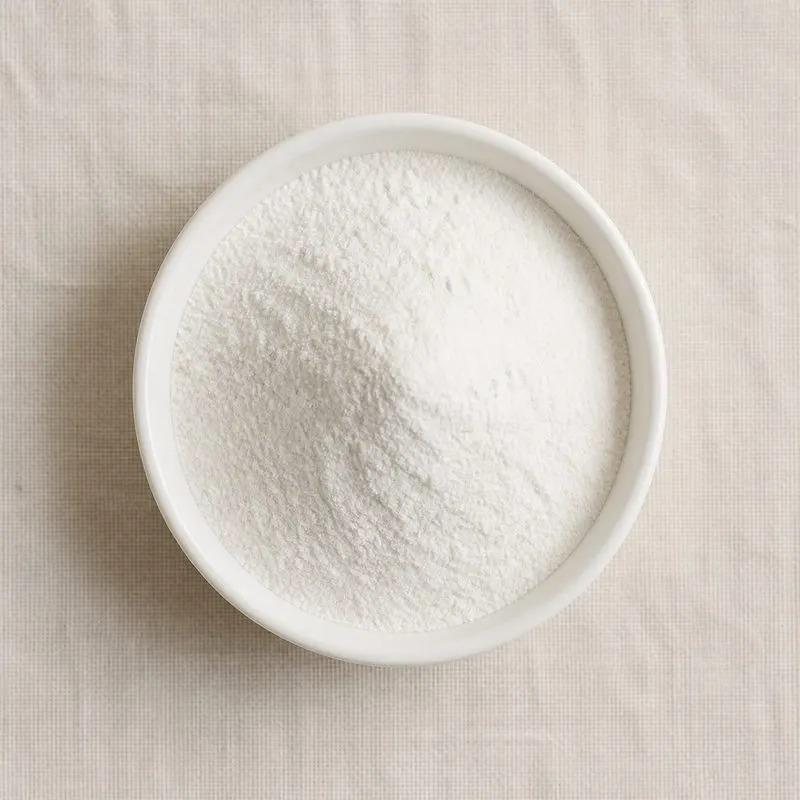
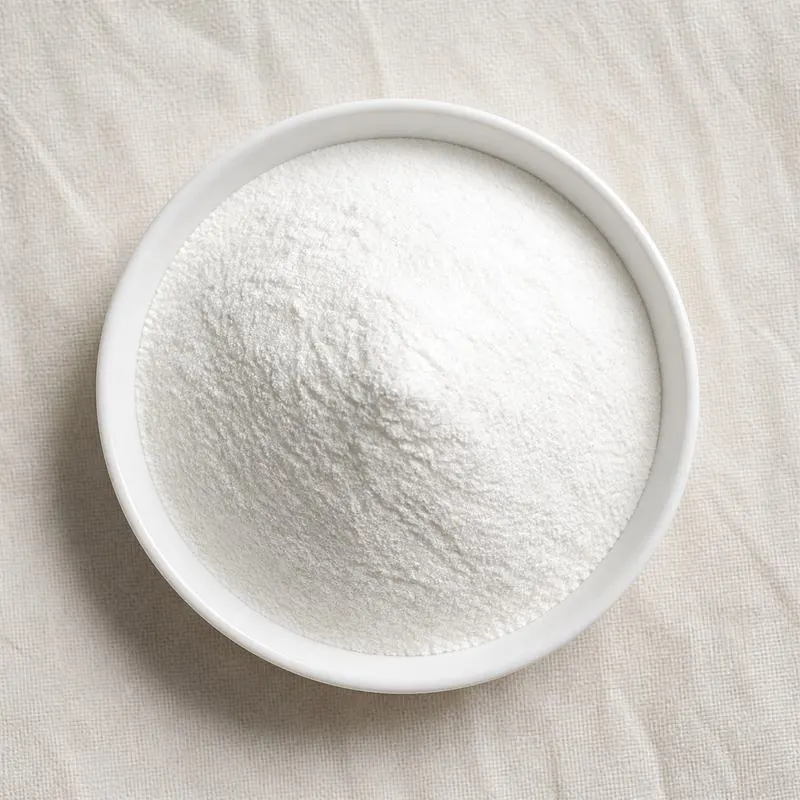
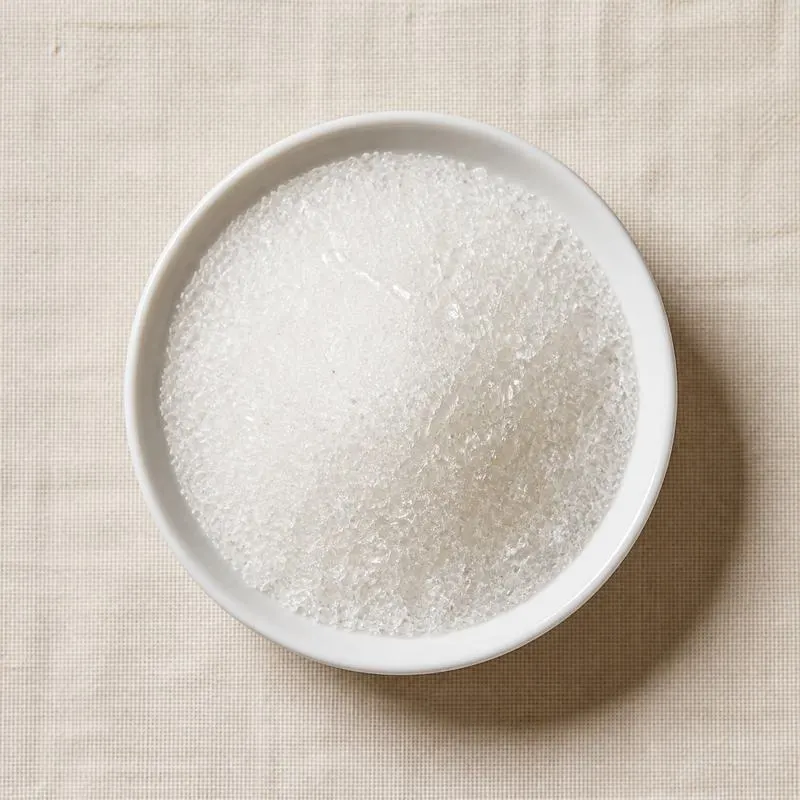
The material is a white to off-white crystalline powder, freely soluble in water and hygroscopic. The individual nucleotides differ in solubility, with the free acid forms much less soluble than the sodium salts, which is why the blend is normally assembled from salt forms. Solutions are stable at neutral to slightly acidic pH but the phosphate ester bond hydrolyses under strong acid or prolonged heat.
We source bulk Mixed Nucleotide from top China manufacturers for our partners. The manufacturer is in Liaoning. A smaller requirement can ship in a combined container with other ingredients.
Please send the grade you need, the volume and your destination port, and we will come back with a solution and a price.
or call +86-21-6858 0751
- Function
- Probiotic
Specifications
| Item | Specification |
|---|---|
| Appearance | White to off-white crystalline powder |
| Identification | Ultraviolet absorption and HPLC retention conform to reference standards |
| Total Nucleotide Assay, dried basis | Not less than 97.0 percent |
| Component Ratio | Conforms to the agreed CMP, UMP, AMP, GMP and IMP blend ratio |
| Loss on Drying | Not more than 6.0 percent |
| pH, 5 percent solution | 7.0 to 8.5 |
| Residue on Ignition | Not more than 0.5 percent for free acid forms |
| Clarity of Solution | Clear, free of insoluble matter at 5 percent |
| Heavy Metals as Pb | Not more than 10 mg/kg |
| Lead as Pb | Not more than 1 mg/kg |
| Arsenic as As | Not more than 1 mg/kg |
| Total Plate Count | Not more than 1,000 CFU/g |
| Yeast and Mould | Not more than 50 CFU/g |
| Salmonella | Absent in 25 g |
Common Markets Grades
The product sells as a food grade blend for infant formula, with the customer setting the ratio of the five nucleotides rather than any single standard, since regional formula regulations set different maxima for each component. A separate savoury grade of disodium ribonucleotide, the fifty fifty blend of inosinate and guanylate, is a different product traded as a flavour enhancer rather than as a nutrient.
Assay on each component runs at 97 percent minimum on the dried basis. Particle size is offered as standard crystalline powder and as a fine milled cut for dry blending into base powder, with granulated versions used where segregation in a dry blend is a concern.
Applications
- Infant formula and follow-on formula, where the blend brings the nucleotide profile closer to that of human milk
- Preterm and low birth weight infant nutrition products
- Growing up milks and toddler formulas
- Special medical purpose formulas for infants with cow milk protein allergy
- Enteral nutrition for patients with compromised gut mucosa
- Immune support supplements for adults, sold as capsules or powders
- Sports recovery formulations positioned around tissue repair
- Companion animal and neonatal livestock milk replacers
China Manufacturers of Mixed Nucleotide
Top Mixed Nucleotide manufacturers in China.

Company names and logos are the property of the manufacturers themselves. They are listed here because our own directory records them as producing this ingredient. A listing is not an endorsement by them, and we do not represent them or speak on their behalf.
Regulatory Status
In the United States nucleotides for infant formula use are covered by GRAS notifications for the individual nucleotides and their sodium salts. Their use in infant formula is subject to the infant formula requirements of the Federal Food, Drug, and Cosmetic Act rather than to a food additive regulation. Disodium inosinate and disodium guanylate used as flavour enhancers are separately affirmed as GRAS.
In the European Union nucleotides are permitted for addition to infant formula and follow-on formula under the delegated regulation covering food for infants and young children, which lists the permitted nucleotide forms and sets maximum levels for each. As nutrients rather than additives they carry no E numbers in that use, although disodium inosinate and disodium guanylate hold E631 and E627 as flavour enhancers in other food categories. Codex addresses optional nucleotide addition within its standard for infant formula.
Manufacturing Process
The individual nucleotides are made by two routes that both start from microbial fermentation. In the RNA route, a high nucleic acid yeast such as Candida utilis or Saccharomyces cerevisiae is grown on molasses or glucose, the biomass is recovered and the RNA extracted by hot alkali or salt treatment, then precipitated. The RNA is depolymerised with a 5 prime phosphodiesterase from Penicillium citrinum, which cleaves it into the four 5 prime monophosphates. In the direct fermentation route, engineered Corynebacterium or Bacillus strains secrete inosine or a specific nucleotide into the broth, which is then recovered and phosphorylated.
In both routes the crude mixture is clarified, passed over ion exchange resins that separate the individual nucleotides by charge, then decolourised on activated carbon, concentrated under vacuum and crystallised. The crystals are centrifuged, washed, dried and milled. The finished blend is assembled by gravimetric weighing of the separately purified components, then blended to homogeneity and packed under low humidity.