Mung Bean Protein Peptide
Mung bean protein peptide is an enzymatic hydrolysate of mung bean protein, Vigna radiata, produced in most Chinese plants from the protein rich stream recovered during mung bean starch manufacture rather than from whole beans processed for protein alone.
Mung bean starch is separated on a very large scale to make glass noodles, and the wash water from that process carries the bean's globulin protein, historically discarded or fermented as a by-product and now recovered by acid precipitation. The protein itself is mostly the 8S vicilin globulin, rich in lysine and limited in methionine and cysteine, and it is poorly soluble around pH 4.5 in its intact form. Hydrolysis cuts the chains into peptides mostly under 3000 Daltons, which lifts solubility above 90 percent across the useful pH range.
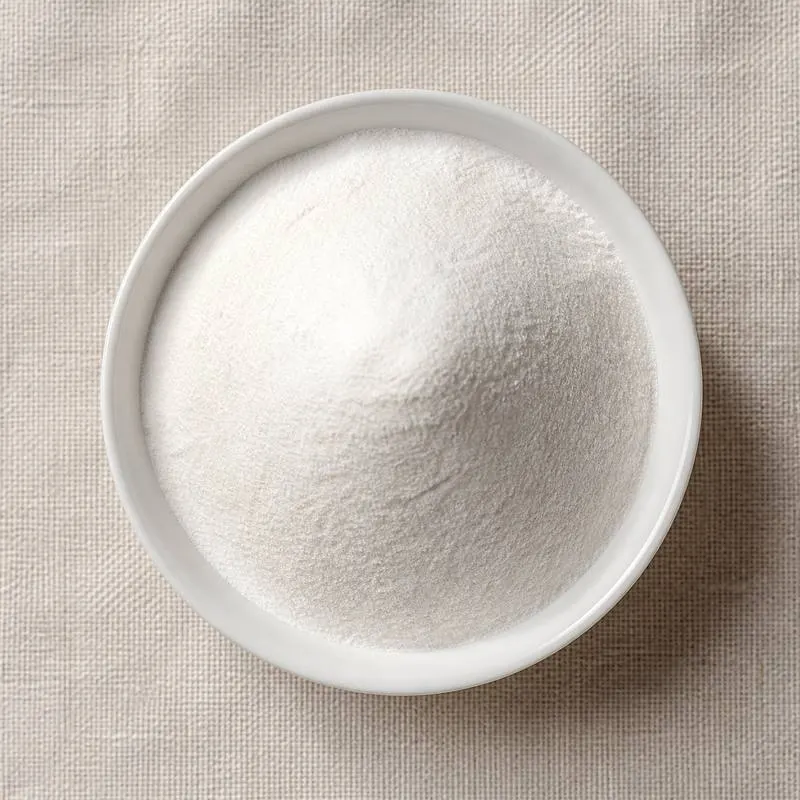
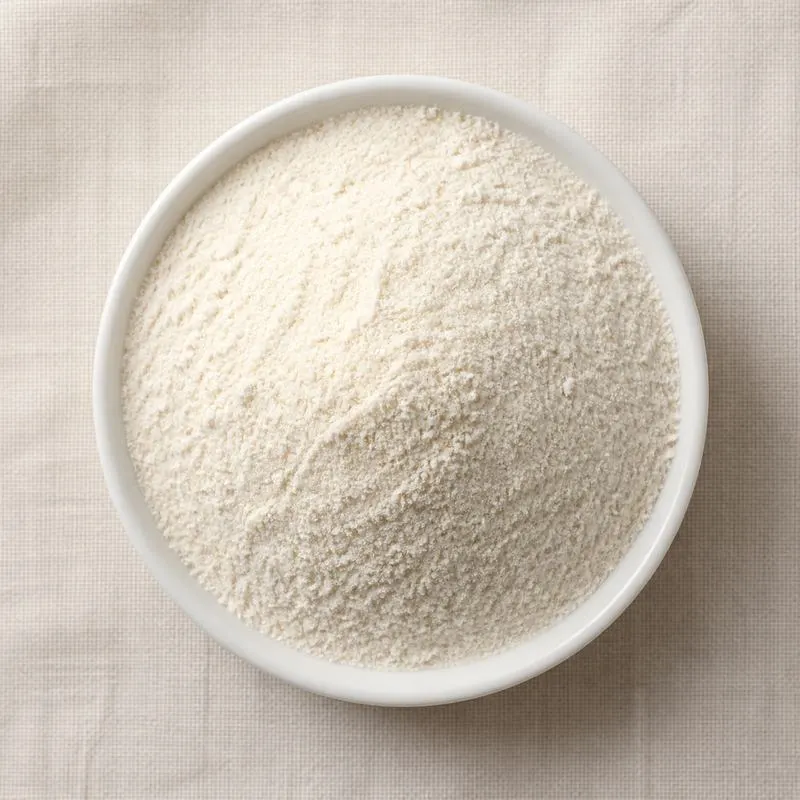
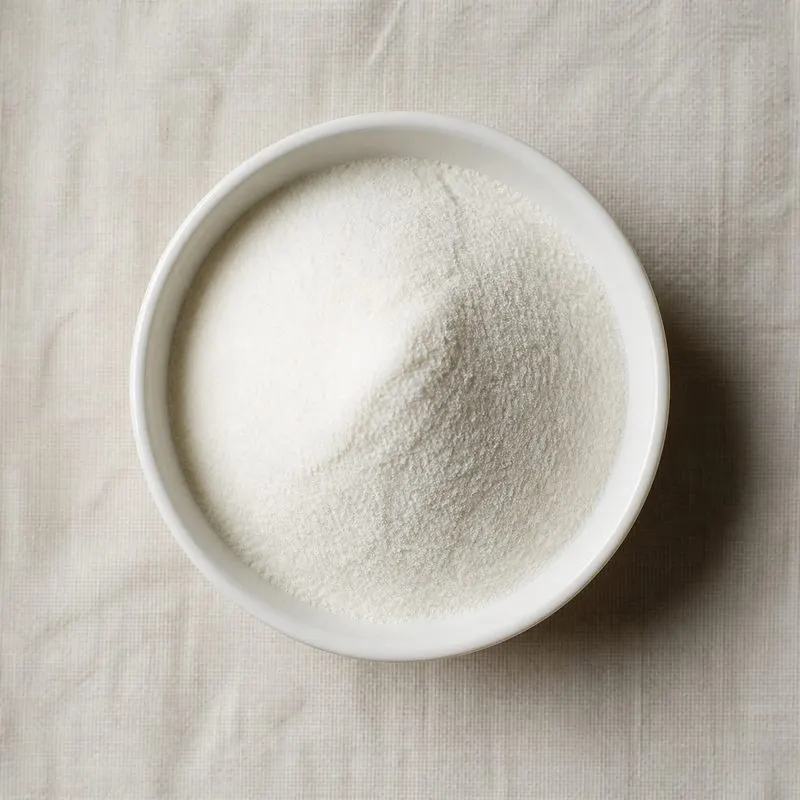
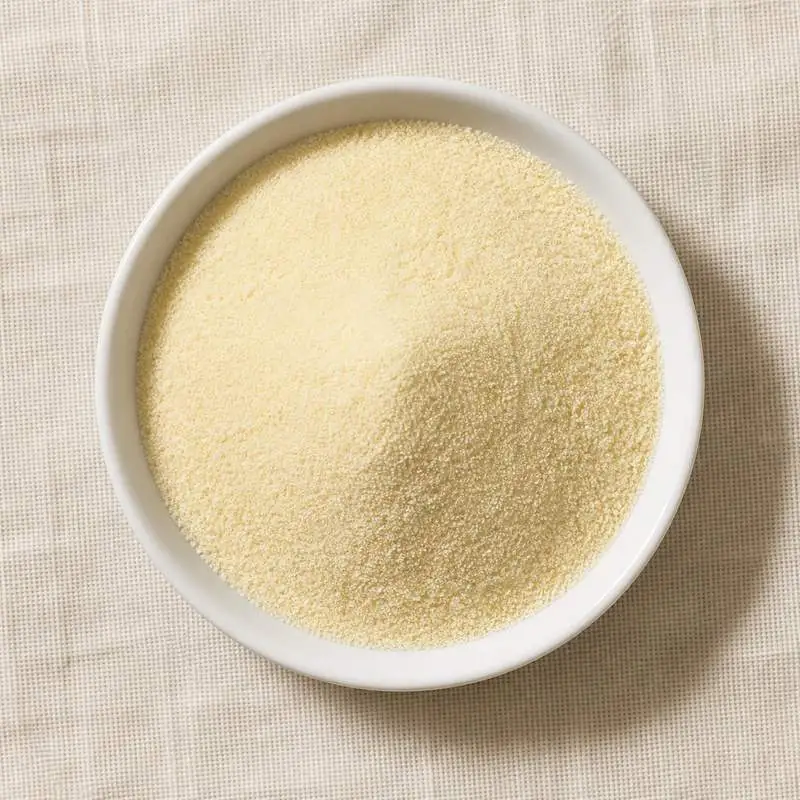
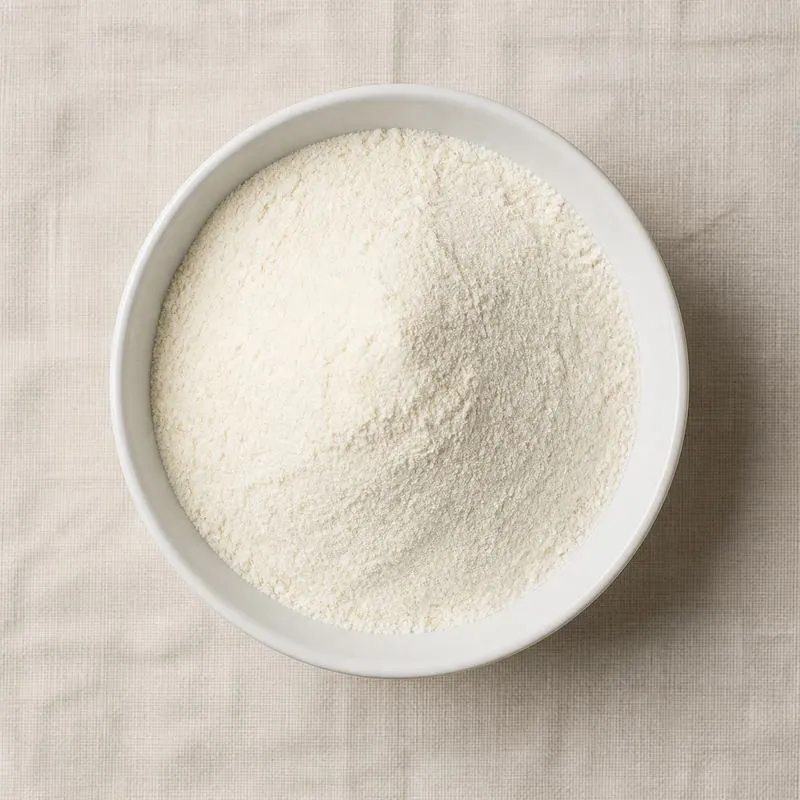
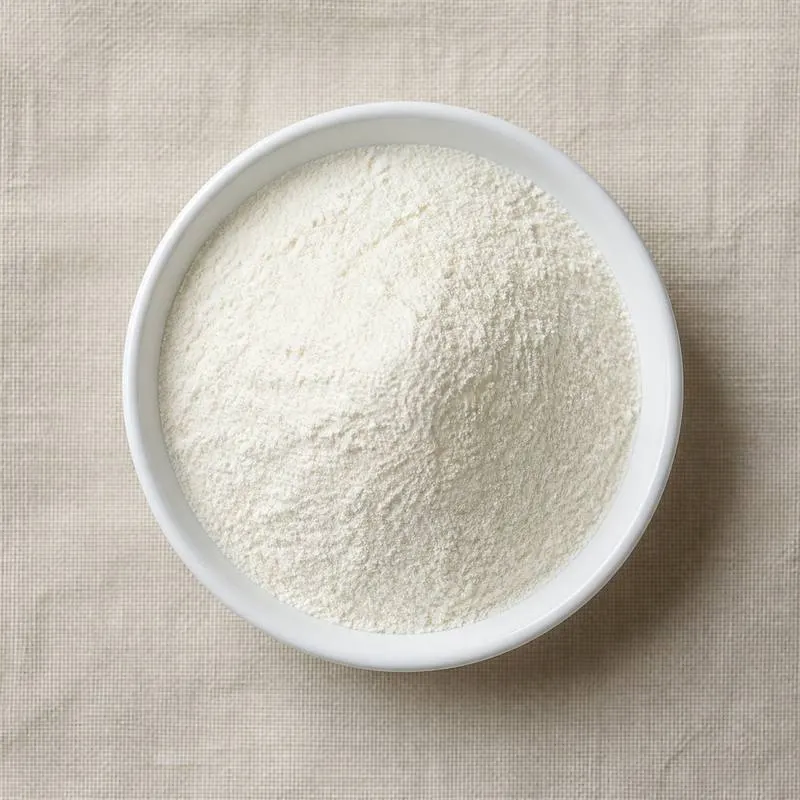
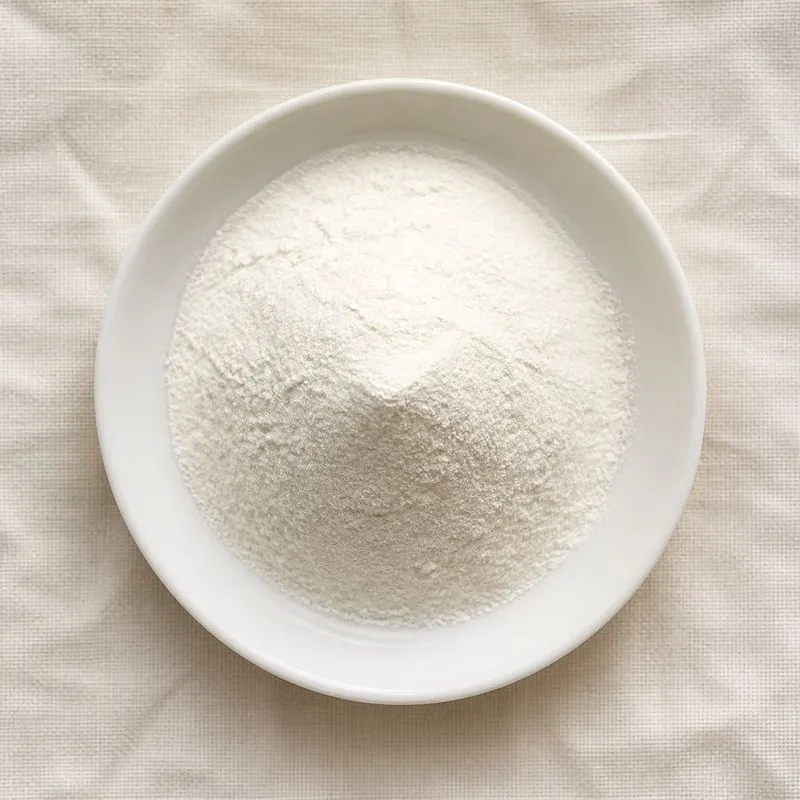
The finished powder is light yellow to pale brown and dissolves rapidly in cold and hot water to a low viscosity solution that stays clear in acid drinks and survives pasteurisation. Flavour is mild and faintly beany, with bitterness rising as the hydrolysis is driven further, which is why an exopeptidase debittering stage is standard. The material carries no gelling or emulsifying function, since those properties are destroyed along with the intact protein structure.
We source bulk Mung Bean Protein Peptide from top China manufacturers for our partners. The manufacturer is in Heilongjiang. A smaller requirement can ship in a combined container with other ingredients.
Please send the grade you need, the volume and your destination port, and we will come back with a solution and a price.
or call +86-21-6858 0751
- Function
- Protein
Specifications
| Item | Specification |
|---|---|
| Appearance | Light yellow to pale brown fine powder |
| Odour and Taste | Mild pulse note, slightly bitter, free from sour or foreign odour |
| Protein (N x 6.25, dry basis) | Minimum 80.0% |
| Peptide Content (dry basis) | Minimum 55.0% |
| Molecular Weight below 3000 Da | Minimum 80.0% |
| Degree of Hydrolysis | 15 to 25% |
| Loss on Drying | Maximum 7.0% |
| Ash | Maximum 9.0% |
| Residual Starch | Maximum 2.0% |
| pH (1% solution) | 6.0 to 7.5 |
| Lead | Maximum 0.5 mg/kg |
| Arsenic | Maximum 0.5 mg/kg |
| Total Plate Count | Maximum 10,000 cfu/g |
| Escherichia coli and Salmonella | Absent in 25 g |
Common Markets Grades
Grades follow molecular weight and protein content. General grade holds 80 percent or more protein on a dry basis with most peptide mass below 3000 Daltons, and oligopeptide grade is ultrafiltered so that the greater part falls below 1000 Daltons, dissolving faster and tasting cleaner but costing more in yield and processing. Buyers also specify degree of hydrolysis directly where they are formulating for a defined absorption profile.
The second distinction is feedstock. Peptide made from the starch line by-product stream is the volume product and carries slightly higher ash and residual starch, while peptide made from a purified mung bean protein isolate is paler, lower in ash and used in higher specification formats. Beyond that, decolourised and deodorised lots are made for consumer products, unrefined lots go to feed and culture media, and instantised granulations are offered for stick packs. Organic certified material is available where the beans themselves are certified.
Applications
- Protein fortified clear beverages and functional waters, where solubility at low pH is the deciding property
- Plant protein blends, paired with cereal or seed proteins to balance the limiting sulphur amino acids
- Sports and recovery formats positioned on rapid absorption of plant peptides
- Traditional style tonic drinks and instant powders in the Chinese market, where mung bean carries a long established cooling reputation
- Clinical and convalescent nutrition, where short peptides ease the digestive load of intact protein
- Capsule and tablet supplements sold on plant peptide positioning
- Functional jellies and konjac snacks, where the hydrolysate adds protein without disturbing the gel
- Bakery and snack products marketed on plant protein content
- Fermentation and cell culture media, replacing animal peptone with a plant nitrogen source
- Cosmetic and hair care formulations, where small plant peptides are used for film forming and conditioning
China Manufacturers of Mung Bean Protein Peptide
Top Mung Bean Protein Peptide manufacturers in China.

Company names and logos are the property of the manufacturers themselves. They are listed here because our own directory records them as producing this ingredient. A listing is not an endorsement by them, and we do not represent them or speak on their behalf.
Regulatory Status
In the United States mung bean protein and hydrolysates made from it are conventional food ingredients used under good manufacturing practice, supported by a generally recognised as safe conclusion for mung bean protein in food, with supplement use falling under the Dietary Supplement Health and Education Act. Mung bean is not a major food allergen requiring declaration under the Food Allergen Labelling and Consumer Protection Act, though it is named in the ingredient statement, and the Food and Drug Administration requires protein hydrolysates to be labelled by their source protein rather than generically.
In the European Union the mung bean has a history of consumption that places conventionally extracted protein and its hydrolysates outside the novel food rules, although recovery from a starch process side stream should be documented as equivalent to conventional extraction if that position is to be relied on. Mung bean is not listed in Annex II of Regulation (EU) No 1169/2011, so no allergen emphasis applies. There is no E number, since the substance is a food ingredient rather than an additive, and the enzymes used must be permitted processing aids in the market of sale. Codex addresses the category through its standard for vegetable protein products, which sets minimum protein content on a dry basis for concentrates and isolates.
Manufacturing Process
Most production is integrated with a mung bean starch plant. Dehulled beans are steeped and wet milled, and the slurry is separated on hydrocyclones and decanter centrifuges into a starch stream, a fibre stream and a protein bearing wash water. That wash water, once treated as effluent, is collected and acidified to around pH 4.5, where the globulins flocculate and can be recovered on a decanter as a protein curd. The curd is washed to remove residual starch, soluble sugars and acid, then neutralised.
The neutralised slurry is held at 50 to 60 degrees Celsius at controlled pH and digested with proteases, typically a bacterial endoprotease to open the chains and an exopeptidase preparation to trim the hydrophobic terminal residues that cause bitterness, with the reaction tracked to a target degree of hydrolysis and then stopped by heating. The digest is centrifuged to remove undigested solids, ultrafiltered to fix the molecular weight distribution, and passed over activated carbon or adsorbent resin where a pale, bland powder is required. The clarified liquor is concentrated under vacuum, pasteurised and spray dried, and the powder is sieved, checked for metal and packed. Where a purer starting protein is wanted, the same hydrolysis is run on mung bean protein isolate made by alkaline extraction and isoelectric precipitation from bean flour.