N-Acetylglucosamine
N-Acetylglucosamine (NAG) is the N-acetylated form of glucosamine, a building block of glycosaminoglycans, glycoproteins, and the chitin polymer of crustacean and fungal cell walls.
The molecule has the formula C₈H₁₅NO₆, a molar mass of 221.21 g/mol, and CAS number 7512-17-6. It is the immediate biosynthetic precursor to hyaluronic acid and is used in joint-health, skin-radiance, and gastrointestinal-support products.
We source bulk N-Acetylglucosamine from top China manufacturers for our partners. The manufacturer is in Shandong. For this ingredient the minimum order is 1 kg, and a smaller requirement can ship in a combined container with other ingredients.
Please send the grade you need, the volume and your destination port, and we will come back with a solution and a price.
or call +86-21-6858 0751
- Minimum order
- 1 kg
- Packaging
- 25 kg kraft paper bag with PE inner liner
- ISO 9001
- HACCP
- Halal
- Kosher
Specifications
| Item | Specification |
|---|---|
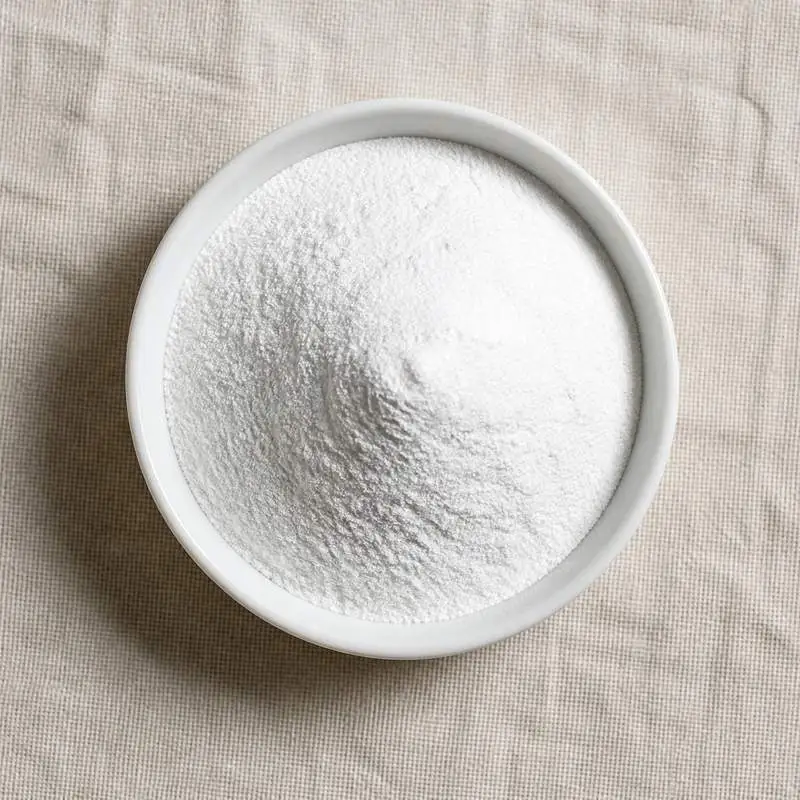
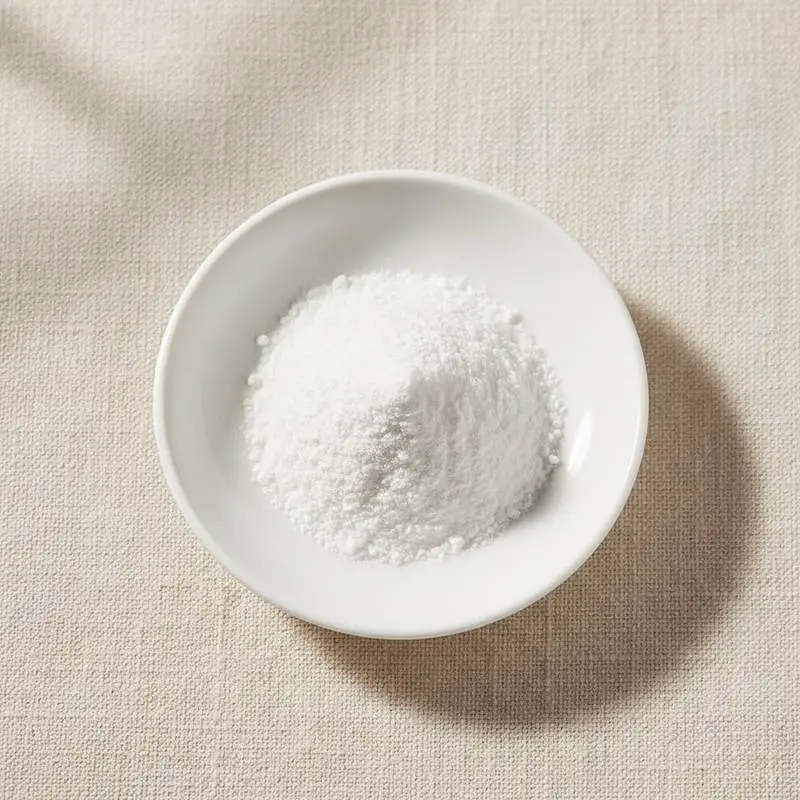
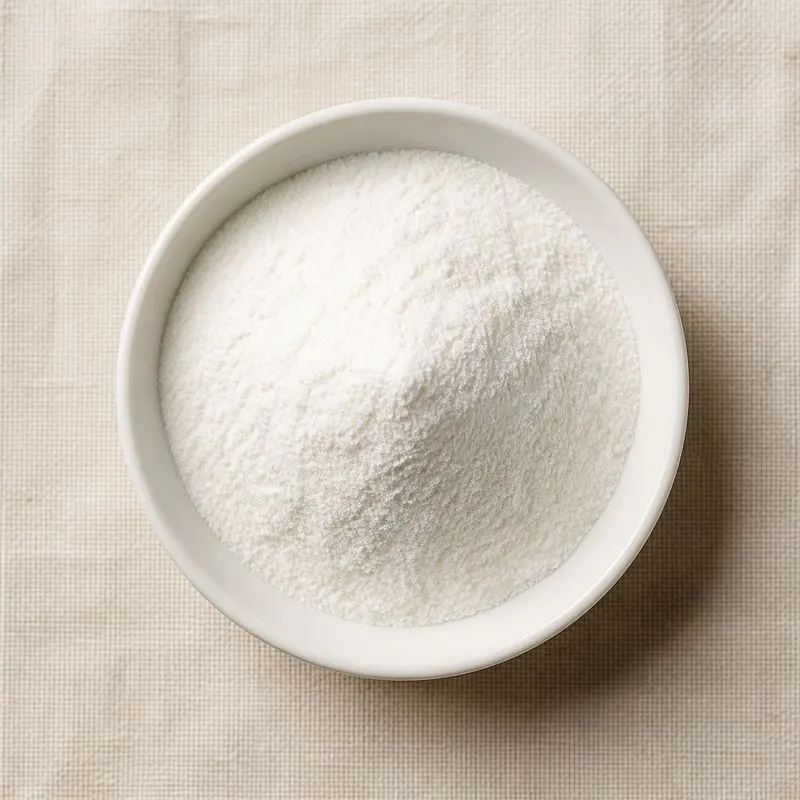
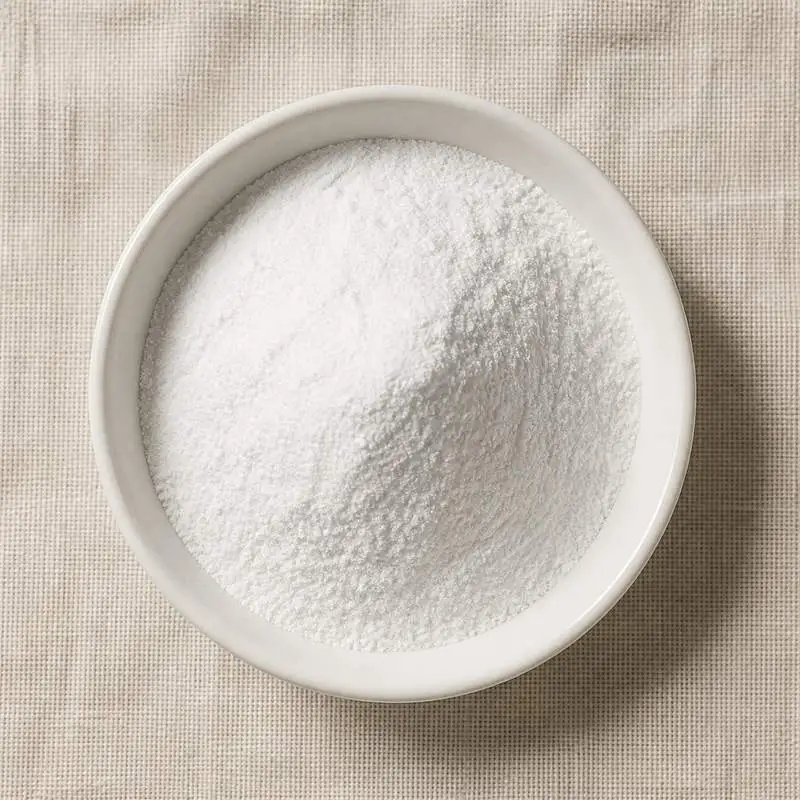
| Appearance | White crystalline powder |
| Assay (dried basis) | ≥ 99.0% |
| Specific Rotation | +38° to +43° |
| Loss on Drying | ≤ 0.5% |
| Residue on Ignition | ≤ 0.2% |
| pH (1% solution) | 5.0-7.5 |
| Chloride | ≤ 0.1% |
| Particle Size | ≥ 95% through 100 mesh |
| Heavy Metals (as Pb) | ≤ 10 mg/kg |
| Lead | ≤ 3 mg/kg |
| Arsenic | ≤ 1 mg/kg |
| Mercury | ≤ 0.1 mg/kg |
| Total Plate Count | ≤ 1,000 cfu/g |
| Yeast and Mould | ≤ 100 cfu/g |
| Salmonella | Negative/25g |
Common Markets Grades
Standard supplement-grade NAG is a white crystalline powder at 99 percent assay, sold in 1 kg foil bags inside fibre drums for low-volume buyers and in 25 kg drums for higher-volume formulators.
Cosmetic-grade material follows the INCI name Acetyl Glucosamine and is produced with documented bioburden and endotoxin control suitable for leave-on skincare. Particle size is typically below 100 microns for solubility in serums and creams.
Pharmaceutical-grade material at 99.5 percent purity, with tightened residual-solvent and heavy-metal control, is sold to ophthalmic-drop and injectable hyaluronic-acid feedstock producers.
Source documentation distinguishes chitin-hydrolysis material (shellfish-allergen risk) from microbial-fermentation material (no allergen, suitable for vegan claims).
Applications
- Skin-radiance and anti-aging supplements, often paired with hyaluronic acid and biotin
- Joint-health combinations with glucosamine and chondroitin sulphate
- Gastrointestinal-support formulas for the maintenance of intestinal mucin
- Cosmetic serums, creams, and masks at 2 to 4 percent for pigmentation and fine-line improvement
- Sun-care after-treatment products positioned on the control of melanin formation
- Eye drops and ophthalmic gels as a precursor to the body's own hyaluronic acid
- Sports-nutrition recovery blends targeting connective-tissue resilience
- Functional beverages and shots in the beauty-from-within category
- Pet supplements for skin, coat, and joint maintenance
- Biotechnology raw material in the microbial production of hyaluronic acid
- Cell-culture media additive in mammalian-cell glycosylation work
Brands Using N-Acetylglucosamine
Widely-distributed consumer products that list N-Acetylglucosamine on the ingredient label.
- Allergy Research Group / NutricologyN-Acetyl Glucosamine (NAG) 500 mg ↗Allergy Research Group N-Acetyl Glucosamine 500 mg is a hypoallergenic, non-sulfur NAG capsule that supports gastrointestinal mucosal integrity and the synthesis of glycosaminoglycans for joint and connective tissue.Label verified 2026-05-24
- The OrdinaryAloe 2% + NAG 2% Solution ↗The Aloe 2% + NAG 2% Solution is a topical serum using 2% N-acetyl glucosamine, an amino-monosaccharide that forms part of dermal hyaluronic acid.Label verified 2026-05-24
Brand names, product names and logos are the property of their owners. They appear here as published evidence that the ingredient is used, taken from the brand's own label or website. Their appearance is not an endorsement, and it does not mean the brand buys from us or from any manufacturer listed on this site.
China Manufacturers of N-Acetylglucosamine
Top N-Acetylglucosamine manufacturers in China.

Company names and logos are the property of the manufacturers themselves. They are listed here because our own directory records them as producing this ingredient. A listing is not an endorsement by them, and we do not represent them or speak on their behalf.
How We Help Source N-Acetylglucosamine
Direct Factory Sourcing
We run the whole process: selecting the manufacturer from the top Chinese food ingredient producers, negotiating the price, verifying quality, and coordinating the logistics. You deal with us instead of with several factories at once.
Original Packaging and Documents from the Manufacturer
The manufacturer sends your N-Acetylglucosamine out of its own factory in the original packing, through to your destination port. The COA, COO, MSDS, TDS and any certifications reach you from the manufacturer as well.
Free Samples and Lead Time
We send 100 to 500 g free for your own laboratory to test and you cover only the courier, usually within 2 to 3 working days. ETD is usually within 7 to 15 days once the order is confirmed, and we check that date against the factory's own manufacturing schedule before we give it to you.
Combined Shipment
We can load N-Acetylglucosamine together with other ingredients such as Arachidonic Acid, Coenzyme Q10 and Chondroitin Sulphate Sodium into one 20' FCL. If your quantity is small, we can also ship LCL.
Regulatory Status
N-Acetylglucosamine is permitted for food, supplement, and cosmetic use in the major regulated markets.
The European Union authorised N-acetyl-D-glucosamine as a novel-food ingredient under Commission Implementing Regulation, following a positive European Food Safety Authority opinion on the dossier submitted by the manufacturer.
The U.S. Food and Drug Administration has accepted New Dietary Ingredient notifications for several NAG grades intended for dietary-supplement use. The compound is not GRAS-listed as a food additive, but supplement use is established.
Cosmetic use is unrestricted in the EU Cosmetics Regulation Annexes under the INCI name Acetyl Glucosamine. Japan classifies it as a quasi-drug functional ingredient for skin-pigmentation positioning.
Halal, Kosher, and vegan certifications are routinely available for fermentation-derived material. Shellfish-derived material must carry allergen labelling.
Manufacturing Process
NAG is produced by two main routes.
The hydrolysis route breaks down chitin from shrimp or crab shells under acid or enzymatic conditions, releasing NAG without cleaving the acetyl group. Selective enzymatic hydrolysis with chitinases gives a cleaner product than mineral-acid hydrolysis but is more expensive.
The microbial fermentation route uses engineered Escherichia coli, Bacillus subtilis, or Aspergillus strains that overproduce NAG from glucose. The broth is filtered, decolorised, and the NAG is recovered by chromatography and crystallisation. This route avoids the shellfish allergen issue and gives a product that can be labelled vegan.
Crystallisation is sensitive to temperature and seeding strategy. The final crystals are washed with chilled ethanol-water, dried, milled, and screened. Product is stored under low humidity to preserve flow properties.
Producers include Yaizu Suisankagaku Industry (Japan), Wellable Marine Biotech, and a growing roster of fermentation-route houses in Shandong and Jiangsu.