Naringenin
Naringenin is a citrus flavanone (CAS 480-41-1) that serves as the aglycone of naringin, the bitter principle of grapefruit peel and Seville orange.
The molecule has the formula C₁₅H₁₂O₅ and a molar mass of 272.25 g/mol. It crystallises as colourless to pale yellow needles with limited aqueous solubility and good solubility in lower alcohols and ethyl acetate.
We source bulk Naringenin from top China manufacturers for our partners. The manufacturer is in Hunan. A smaller requirement can ship in a combined container with other ingredients.
Please send the grade you need, the volume and your destination port, and we will come back with a solution and a price.
or call +86-21-6858 0751
- Packaging
- 25 kg kraft paper bag with PE inner liner
- ISO 9001
- HACCP
- Halal
- Kosher
Specifications
Grades / Types Available: Food Grade, Pharmaceutical Grade
| Item | Specification |
|---|---|
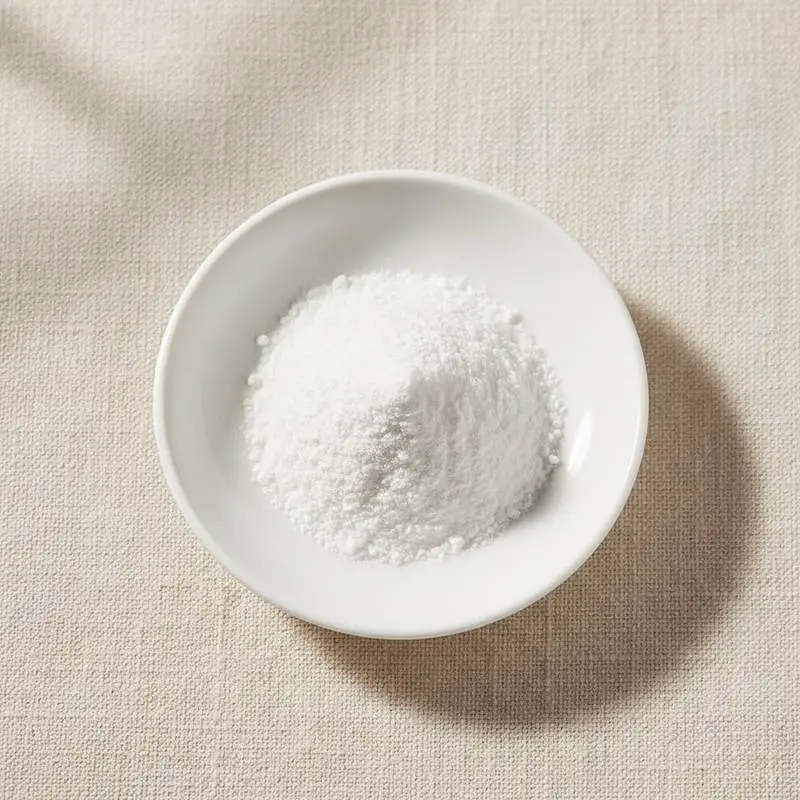
| Appearance | White to pale yellow powder |
| Assay | ≥ 98.0% |
| Moisture | ≤ 1.0% |
| Heavy Metals (as Pb) | ≤ 10 mg/kg |
| Purity (Food Grade) | ≥95% |
| Moisture/Loss on Drying | ≤5% |
| pH | 4.5-7.0 |
| Lead | ≤2 ppm |
| Arsenic | ≤1 ppm |
| Total Plate Count | ≤1000 cfu/g |
| Yeast & Mold | ≤100 cfu/g |
Common Markets Grades
Naringenin trade material is classified by HPLC purity of the aglycone.
Food-supplement grade typically runs 95 percent assay and is generated by enzymatic hydrolysis of naringin recovered from grapefruit (Citrus paradisi) processing residues.
A 98 percent grade is produced for clinical and pharmaceutical research, with limits on hesperitin, eriodictyol, and residual α-rhamnosidase.
Analytical reference grade reaches 99.5 percent or higher and is used to calibrate citrus juice authenticity assays. Cyclodextrin inclusion complexes and self-emulsifying preconcentrates are produced where bioavailability is the target.
Applications
- Dietary supplements targeting lipid metabolism, insulin sensitivity, and metabolic syndrome
- Weight-management blends combined with green tea catechins or berberine
- Liver-support formulas alongside silymarin and choline
- Functional shots and beverages fortified with citrus polyphenols
- Sports nutrition products positioned around mitochondrial efficiency
- Cosmetic serums for photoaging and oxidative stress protection
- Topical anti-inflammatory creams in dermocosmetic ranges
- Hair-care leave-in formulas with antioxidant claims
- Reference standard for grapefruit-juice bitterness control
- Pharmaceutical intermediate in flavonoid analog synthesis
- Research material for PPAR and CYP pathway studies
- Veterinary metabolic-support supplements for companion animals
Brands Using Naringenin
Widely-distributed consumer products that list Naringenin on the ingredient label.
- Swanson VitaminsNaringin 500 mg (Citrus Bioflavonoid) ↗Swanson Superior Herbs Natural Naringin 500 mg; naringin is the citrus flavanone glycoside that the body metabolizes into the bioactive aglycone naringenin.Label verified 2026-05-24
- SuperSmartGrapefruit Extract 99% Naringin ↗SuperSmart Grapefruit Extract is standardised to 99% naringin (300 mg per veg capsule); product page states naringin is metabolized in the body to naringenin.Label verified 2026-05-24
Brand names, product names and logos are the property of their owners. They appear here as published evidence that the ingredient is used, taken from the brand's own label or website. Their appearance is not an endorsement, and it does not mean the brand buys from us or from any manufacturer listed on this site.
China Manufacturers of Naringenin
Top Naringenin manufacturers in China.

Company names and logos are the property of the manufacturers themselves. They are listed here because our own directory records them as producing this ingredient. A listing is not an endorsement by them, and we do not represent them or speak on their behalf.
How We Help Source Naringenin
Direct Factory Sourcing
We run the whole process: selecting the manufacturer from the top Chinese food ingredient producers, negotiating the price, verifying quality, and coordinating the logistics. You deal with us instead of with several factories at once.
Original Packaging and Documents from the Manufacturer
The manufacturer sends your Naringenin out of its own factory in the original packing, through to your destination port. The COA, COO, MSDS, TDS and any certifications reach you from the manufacturer as well.
Free Samples and Lead Time
We send 100 to 500 g free for your own laboratory to test and you cover only the courier, usually within 2 to 3 working days. ETD is usually within 7 to 15 days once the order is confirmed, and we check that date against the factory's own manufacturing schedule before we give it to you.
Combined Shipment
We can load Naringenin together with other ingredients such as Arachidonic Acid, Coenzyme Q10 and Chondroitin Sulphate Sodium into one 20' FCL. If your quantity is small, we can also ship LCL.
Regulatory Status
Naringenin is a natural constituent of edible citrus fruit and citrus juice, and intake from foods is governed by general food law.
In the European Union, isolated naringenin sold as a supplement ingredient is treated as a botanical-derived substance under Regulation (EC) No 178/2002. No novel-food authorisation is required for material from edible Citrus species at customary intake.
In the United States, naringenin and naringin extracts are marketed under DSHEA as dietary-supplement ingredients. Several suppliers hold self-affirmed GRAS positions for use in conventional foods.
EFSA reviewed a health claim on grapefruit flavonoids and lipid metabolism in 2011 and issued an unfavorable opinion. No authorised EU health claim currently applies.
The compound is well known for interactions with cytochrome P450 3A4 and OATP transporters, and pharmacovigilance authorities reference the parent grapefruit-juice effect in drug-interaction labelling. Pharmacopoeial monographs for the pure aglycone are not yet published.
Manufacturing Process
Industrial naringenin is produced primarily by hydrolysis of naringin.
Naringin is recovered from grapefruit peel and immature Seville orange, where it can reach two to four percent of dry mass. Florida, Argentina, and southern China supply most of the raw material.
Enzymatic deglycosylation with naringinase, a dual α-L-rhamnosidase and β-D-glucosidase activity, cleaves the neohesperidose moiety in two stages. The reaction is typically run in aqueous suspension at 50 to 60 degrees Celsius.
The crude aglycone is filtered, washed, and recrystallised from ethanol-water mixtures. Activated carbon polishing and resin chromatography deliver pharmaceutical-grade product.
Microbial fermentation routes using engineered Saccharomyces cerevisiae and Escherichia coli strains expressing chalcone synthase and chalcone isomerase have been demonstrated at pilot scale but remain a small share of commercial supply.