Naringin
Naringin is a flavanone glycoside with the molecular formula C₂₇H₃₂O₁₄ and a molecular weight of 580.54 g/mol. It is the principal bitter principle of grapefruit and several other citrus species, accumulating at high concentration in young fruit, peel, and immature mesocarp tissue.
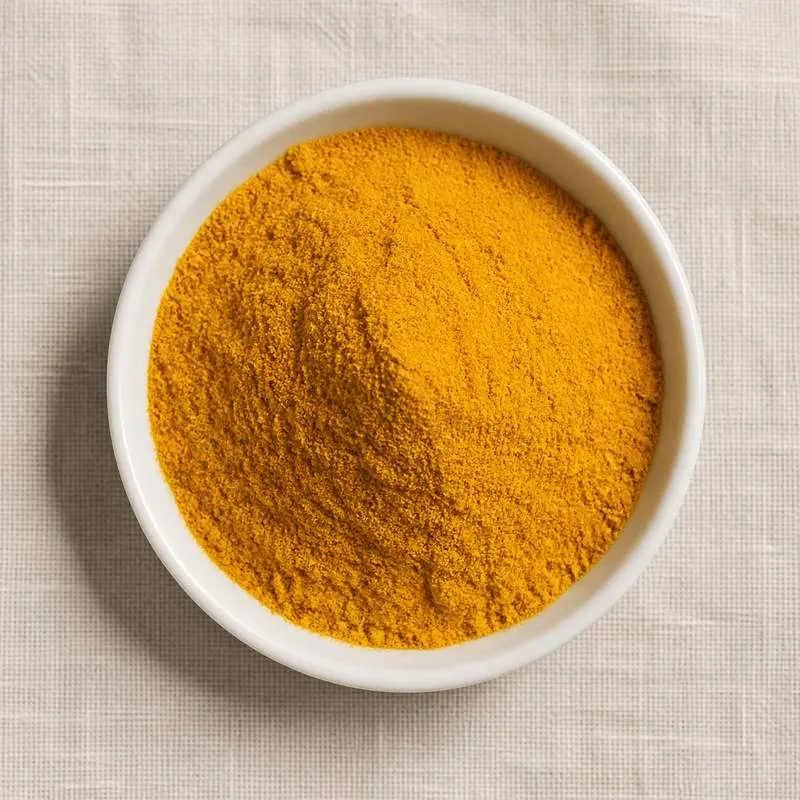
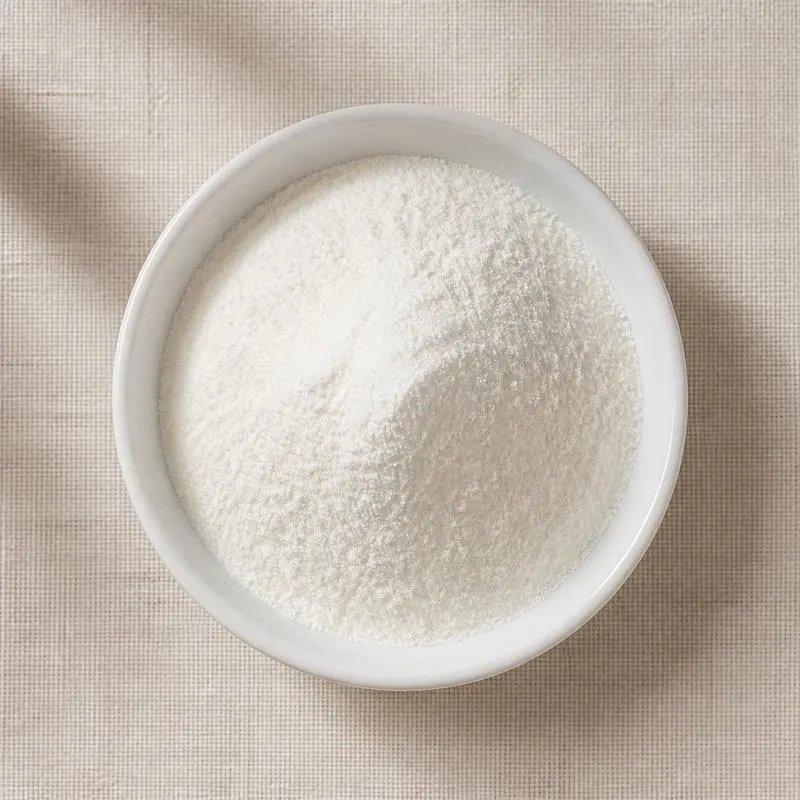
The molecule consists of the flavanone aglycone naringenin linked to a disaccharide (neohesperidose, a rhamnose-glucose unit) at the 7-position. Trade material is a pale yellow to off-white crystalline powder with a characteristic intense bitter taste, used both as a functional ingredient and as an intermediate for sweetener manufacture.
We source bulk Naringin from top China manufacturers for our partners, working with several of them. The manufacturers are in Sichuan, Hunan and Tianjin. A smaller requirement can ship in a combined container with other ingredients.
Please send the grade you need, the volume and your destination port, and we will come back with a solution and a price.
or call +86-21-6858 0751
- Packaging
- 25 kg kraft paper bag with PE inner liner
- ISO 9001
- HACCP
- Halal
- Kosher
Specifications
Grades / Types Available: food grade, pharmaceutical grade
| Item | Specification |
|---|---|
| Appearance | White to pale yellow powder |
| Assay | ≥ 95.0% |
| Moisture | ≤ 3.0% |
| Heavy Metals (as Pb) | ≤ 10 mg/kg |
| Purity (Food Grade) | ≥ 95% |
| Moisture/Loss on Drying | ≤ 5% |
| pH | 4.5 - 6.5 |
| Particle Size/Mesh | 100% pass 80 mesh |
| Lead | ≤ 2 ppm |
| Arsenic | ≤ 1 ppm |
| Total Plate Count | ≤ 1000 cfu/g |
| Yeast & Mold | ≤ 100 cfu/g |
Common Markets Grades
Naringin comes in several purity tiers, each matched to an end application.
Technical grade at 90 to 95 percent purity is the standard grade for sweetener manufacturing, where naringin serves as a starting material for the conversion to neohesperidin dihydrochalcone.
Food and supplement grade at 95 to 98 percent purity is a pale yellow crystalline powder, low in residual sugars and other citrus flavonoids, with defined limits on hesperidin and neohesperidin contamination.
Reference and pharmacopoeial grade at 98 to 99 percent purity, with full HPLC profiling, is used for clinical study material, analytical standards, and pharmaceutical research.
Specialty enzyme-modified grades, where naringin is partially hydrolysed by naringinase to naringenin and prunin, are produced for citrus juice debittering and for taste-modulation applications.
Applications
- Starting material for the manufacture of neohesperidin dihydrochalcone, a high-intensity sweetener
- Dietary supplements positioned for antioxidant support and circulatory health
- Bitter principle in tonic beverages, bitter aperitifs, and craft mixers
- Functional citrus beverages and grapefruit-style sports drinks
- Combination products with bioflavonoid blends including hesperidin, rutin, and quercetin
- Cosmetic skincare formulations drawing on flavonoid antioxidant claims
- Pharmaceutical research as a reference flavanone and CYP3A4 interaction probe
- Analytical reference material for citrus authenticity and adulteration testing
- Citrus juice processing as a marker for grapefruit content in blended juices
- Hair-care formulations targeting scalp microcirculation
- Flavouring contributor in select bitter confectionery and chocolate inclusions
- Animal nutrition research on flavonoid bioavailability and metabolism
Brands Using Naringin
Widely-distributed consumer products that list Naringin on the ingredient label.
- SuperSmartSuperSmart Grapefruit Extract 600 mg (99% Naringin) ↗Official SuperSmart page: 300 mg Grapefruit (Citrus paradisi) Peel Extract per veg capsule standardised to 99% Naringin; other ingredients hypromellose, acacia gum, white rice flour.Label verified 2026-05-24
- BioherbaBioherba Natural Naringin 200 mg Capsules ↗Bioherba product page: Naringin (from citrus fruits) 200 mg per capsule with chromium picolinate.Label verified 2026-05-24
Brand names, product names and logos are the property of their owners. They appear here as published evidence that the ingredient is used, taken from the brand's own label or website. Their appearance is not an endorsement, and it does not mean the brand buys from us or from any manufacturer listed on this site.
China Manufacturers of Naringin
Top Naringin manufacturers in China.
 Chengdu Okay Pharmaceutical Co., Ltd.7 ingredients in the directory
 Lianyuan Kang Biotech. Co., Ltd.7 ingredients in the directory
 Tianjin Jianfeng Natural Product R&D Co., Ltd.8 ingredients in the directory
Company names and logos are the property of the manufacturers themselves. They are listed here because our own directory records them as producing this ingredient. A listing is not an endorsement by them, and we do not represent them or speak on their behalf.
How We Help Source Naringin
Direct Factory Sourcing
We run the whole process: selecting the manufacturer from the top Chinese food ingredient producers, negotiating the price, verifying quality, and coordinating the logistics. You deal with us instead of with several factories at once.
Original Packaging and Documents from the Manufacturer
The manufacturer sends your Naringin out of its own factory in the original packing, through to your destination port. The COA, COO, MSDS, TDS and any certifications reach you from the manufacturer as well.
Free Samples and Lead Time
We send 100 to 500 g free for your own laboratory to test and you cover only the courier, usually within 2 to 3 working days. ETD is usually within 7 to 15 days once the order is confirmed, and we check that date against the factory's own manufacturing schedule before we give it to you.
Combined Shipment
We can load Naringin together with other ingredients such as Astaxanthin, Dehydrated Garlic and Lutein into one 20' FCL. If your quantity is small, we can also ship LCL.
Regulatory Status
Naringin is permitted as a flavouring substance and as a food supplement ingredient in major jurisdictions, while its principal regulatory role is as an intermediate.
In the United States, 21 CFR 172.515 (synthetic flavouring substances and adjuvants) classifies naringin as a flavouring agent, and the Flavour and Extract Manufacturers Association also recognises it as a flavouring substance.
In the European Union, the EU flavouring substances database lists naringin under Regulation (EC) No 1334/2008, and it may be used as a flavouring under the conditions of that regulation. As an intermediate, it is the basis for the production of neohesperidin dihydrochalcone, which carries the food-additive number E959.
JECFA has evaluated naringin in the context of citrus flavouring substances. Japan permits naringin as an existing food additive and as a supplement ingredient.
Pharmacopoeial reference material is provided by major standards bodies including the United States Pharmacopeia. Kosher and Halal certifications are routinely available for plant-derived material from established citrus processors.
Manufacturing Process
Industrial naringin production is concentrated in countries with large bitter citrus processing volumes, principally Mexico, China, Spain, Italy, and the United States.
The starting material is the dried peel and immature dropped fruit of Citrus paradisi (grapefruit) and Citrus aurantium (bitter orange or Seville orange). These tissues contain 2 to 8 percent naringin on a dry basis, far higher than in mature fruit pulp.
The dried biomass is milled and extracted with hot water or dilute aqueous alkali. The extract is filtered, acidified to precipitate the crude flavanone fraction, and washed to remove sugars, organic acids, and pectin.
The crude precipitate is recrystallised from hot water, methanol-water, or ethanol-water. Multiple recrystallisations are required to separate naringin from the structurally similar hesperidin and neohesperidin, which can co-precipitate. The final crystals are dried to constant weight and milled to specification.
Quality control focuses on HPLC purity, residual solvent levels, heavy metals, and the absence of related citrus flavonoids that can confound downstream sweetener synthesis. Colour, melting point, and optical rotation serve as secondary identity checks.