Naringin Dihydrochalcone
Naringin Dihydrochalcone is a semi-synthetic, high-intensity sweetener derived from naringin, the bitter flavanone glycoside that gives grapefruit its characteristic bitterness. Catalytic hydrogenation opens the flavanone C-ring to give the corresponding dihydrochalcone, which is sweet rather than bitter.
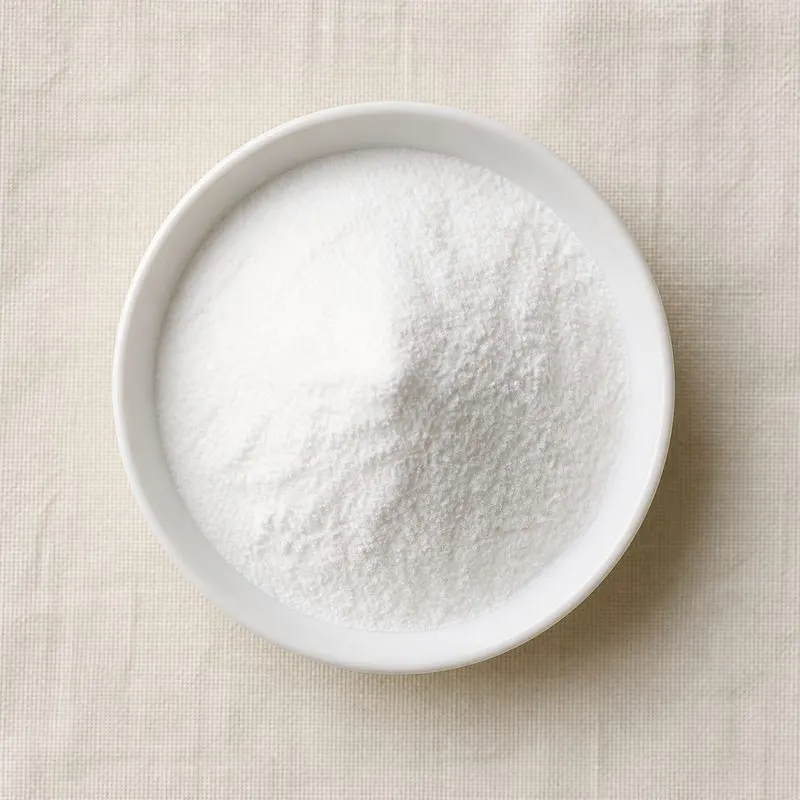
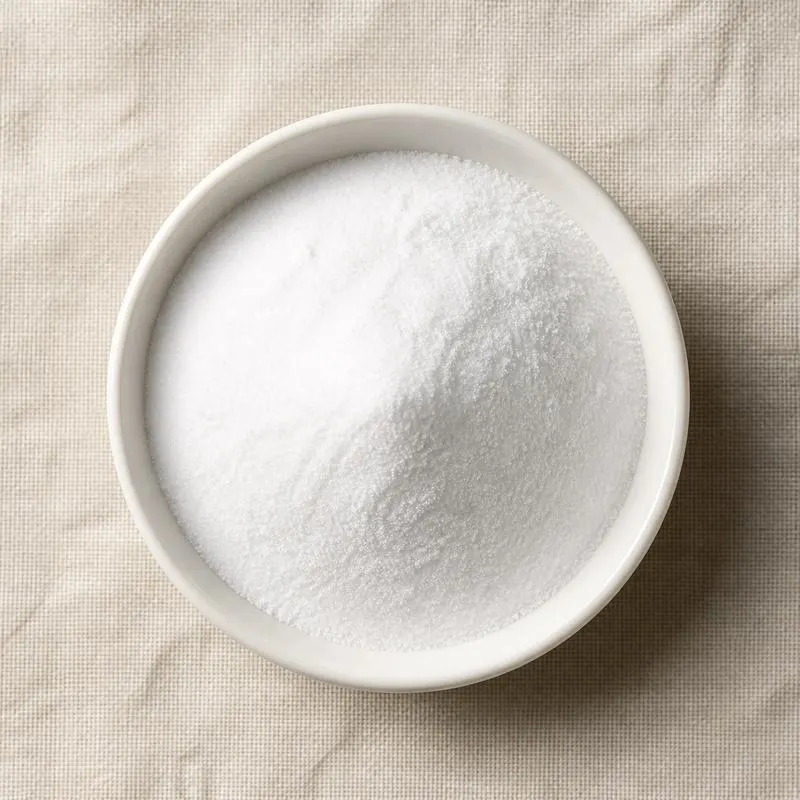
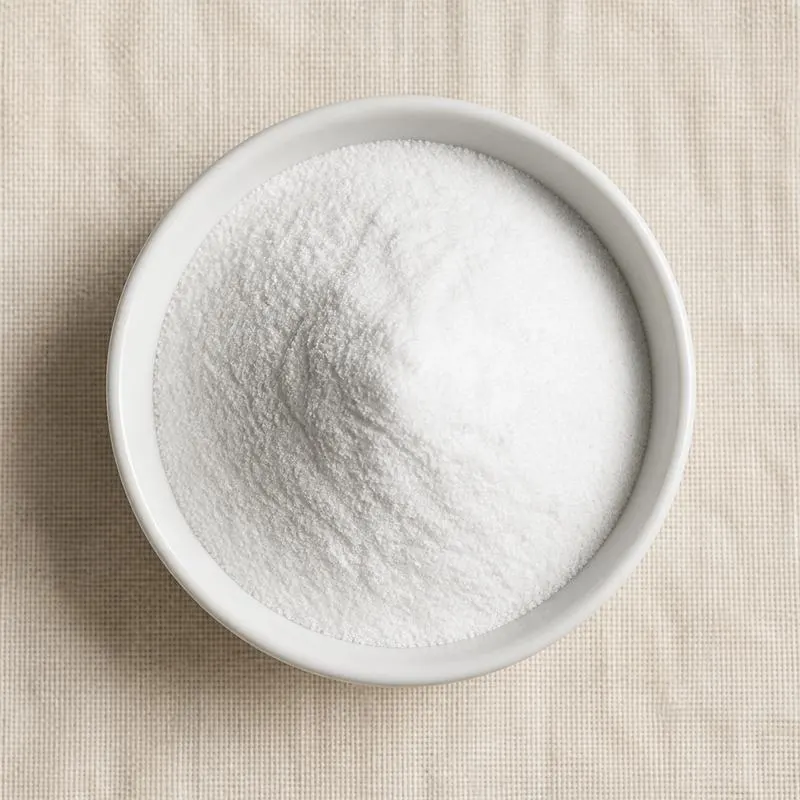
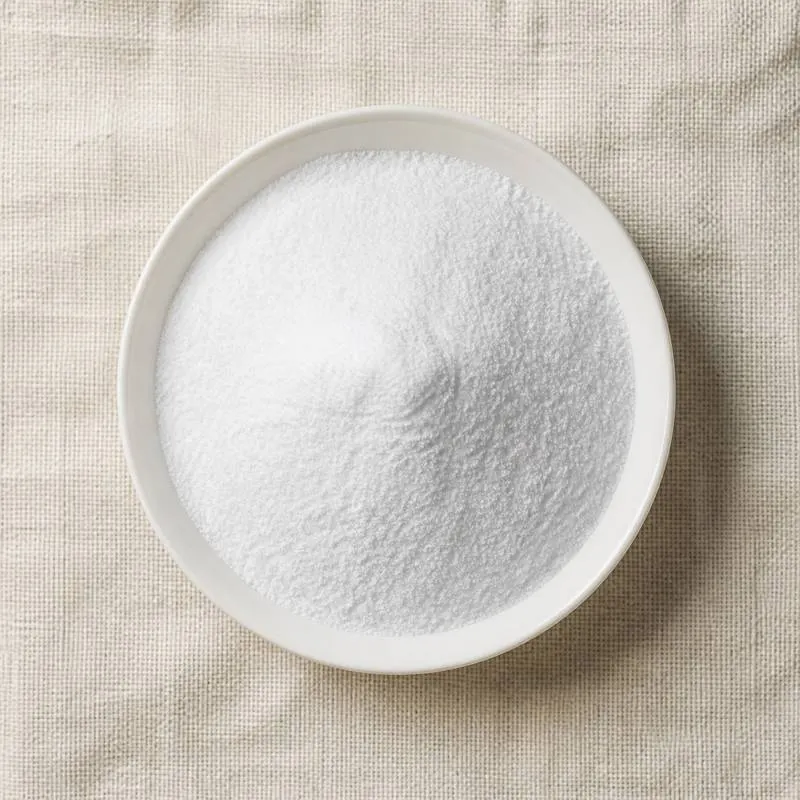
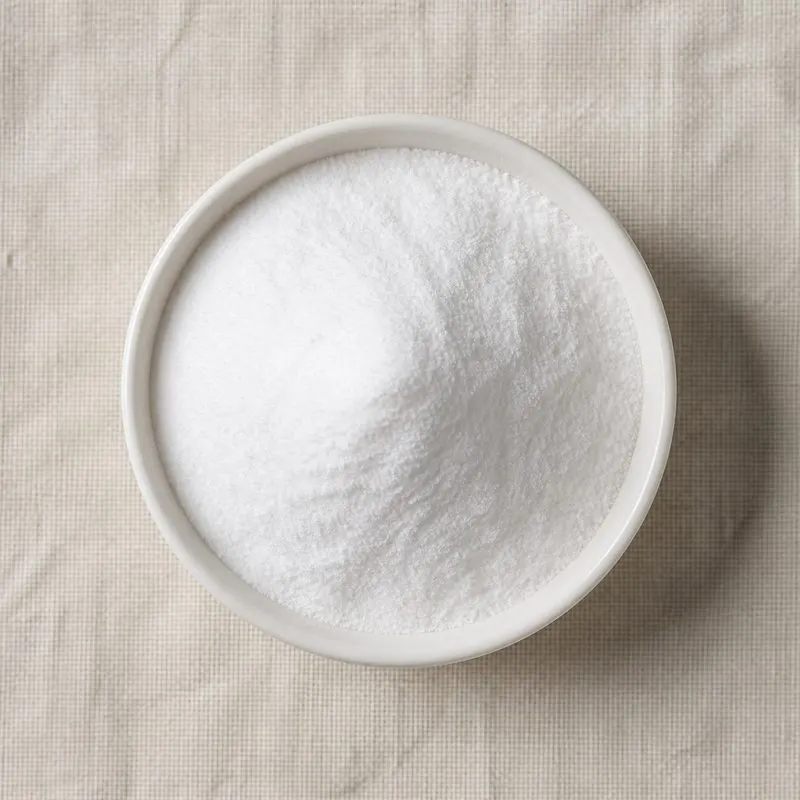
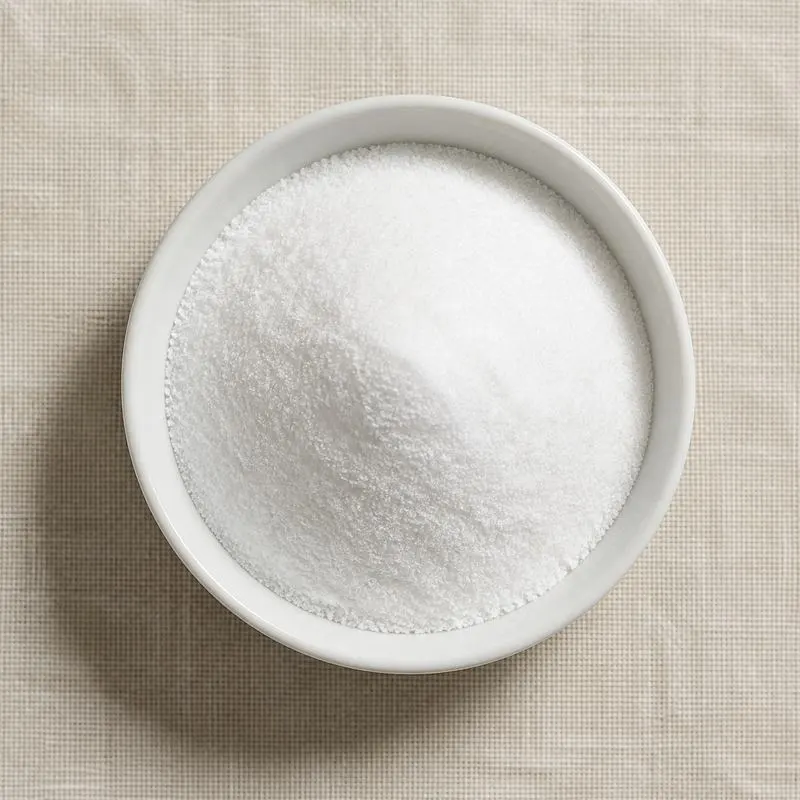
The molecule has the formula C₂₇H₃₄O₁₄ and a molar mass of 582.55 g/mol. It is an off-white crystalline powder, sparingly soluble in cold water and freely soluble in hot water, ethanol, and dilute alkaline solutions.
Naringin dihydrochalcone is roughly 300 to 1,800 times sweeter than sucrose, depending on the reference matrix and concentration, with potency typically reported below that of its more potent sibling neohesperidin dihydrochalcone. The sweetness onset is slow, the sweetness duration is long, and the finish carries a mild bitter and licorice note. Commercial deployment is more limited than for NHDC, and the molecule is most often used as a flavour modifier and co-sweetener rather than as a standalone primary sweetener.
We source bulk Naringin Dihydrochalcone from top China manufacturers for our partners. The manufacturers are in Hunan and Shandong. A smaller requirement can ship in a combined container with other ingredients.
Please send the grade you need, the volume and your destination port, and we will come back with a solution and a price.
or call +86-21-6858 0751
- Packaging
- 25 kg kraft paper bag with PE inner liner
- ISO 9001
- HACCP
- Halal
- Kosher
Specifications
| Item | Specification |
|---|---|
| Appearance | White to light yellow crystalline powder |
| Assay | ≥ 95.0% |
| Loss on Drying | ≤ 8.0% |
| Residue on Ignition | ≤ 0.2% |
| Heavy Metals (as Pb) | ≤ 10 ppm |
| Total Plate Count | ≤ 1000 CFU/g |
| Sweetness | 500-700 times sweeter than sucrose |
| Solubility | 0.4 g/L at 25°C |
Common Markets Grades
There is one grade of naringin dihydrochalcone, at 96 percent minimum assay on the dried basis, serving both food and pharmaceutical use. It comes in different particle sizes and as carrier dilutions, which are physical forms of the same grade rather than separate grades.
The standard physical form is a fine crystalline powder. A micronized form is produced for chewing gum and confectionery formulations where small particle size aids dispersion and controlled release of the slow-onset sweetness.
Because the molecule is most commonly used at low parts-per-million levels in synergistic blends with other intense sweeteners, working dilutions on maltodextrin or dextrose carriers are sometimes prepared to ease accurate batch dosing. The food-grade material complies with the FCC monograph.
Applications
- Flavour modification and bitter-masking agent in citrus-flavoured beverages
- Co-sweetener in reduced-sugar fruit juices and nectars
- Sugar-free chewing gum and breath mints, where the long-lasting sweetness extends flavour perception
- Hard candies, throat lozenges, and cough drops
- Pharmaceutical chewable tablets and lozenges for taste masking of bitter actives
- Toothpaste, mouthwash, and oral-care rinses as a co-flavorant
- Animal feed and pet food as a palatability enhancer
- Bitter-masking in protein powders, amino-acid supplements, and meal-replacement shakes
- Reduced-sugar bakery glazes and frostings
- Sauces, dressings, and condiments where sweetness rounding is desired
- Reference standard material in flavour and natural-product analytical laboratories
- Intermediate for research into structure-activity relationships across the dihydrochalcone sweetener family
China Manufacturers of Naringin Dihydrochalcone
Top Naringin Dihydrochalcone manufacturers in China.
 Lianyuan Kang Biotech. Co., Ltd.7 ingredients in the directory
 Shandong Benyue Biological Technology Co., Ltd.5 ingredients in the directory
Company names and logos are the property of the manufacturers themselves. They are listed here because our own directory records them as producing this ingredient. A listing is not an endorsement by them, and we do not represent them or speak on their behalf.
How We Help Source Naringin Dihydrochalcone
Direct Factory Sourcing
We run the whole process: selecting the manufacturer from the top Chinese food ingredient producers, negotiating the price, verifying quality, and coordinating the logistics. You deal with us instead of with several factories at once.
Original Packaging and Documents from the Manufacturer
The manufacturer sends your Naringin Dihydrochalcone out of its own factory in the original packing, through to your destination port. The COA, COO, MSDS, TDS and any certifications reach you from the manufacturer as well.
Free Samples and Lead Time
We send 100 to 500 g free for your own laboratory to test and you cover only the courier, usually within 2 to 3 working days. ETD is usually within 7 to 15 days once the order is confirmed, and we check that date against the factory's own manufacturing schedule before we give it to you.
Combined Shipment
We can load Naringin Dihydrochalcone together with other ingredients such as Stevia, Erythritol and Maltitol into one 20' FCL. If your quantity is small, we can also ship LCL.
Regulatory Status
Naringin dihydrochalcone has more limited regulatory coverage than neohesperidin dihydrochalcone.
In the European Union the substance is not listed under a dedicated E number in Annex II of Regulation (EC) No 1333/2008 as a stand-alone sweetener. It has been used historically as a flavouring substance under the EU flavouring regulations rather than as an approved sweetener for general food use.
The U.S. Food and Drug Administration does not list naringin dihydrochalcone under the general-purpose intense-sweetener provisions. The substance has been the subject of GRAS-style use as a flavour and flavour enhancer in specific applications, with regulatory status established on a case-by-case basis.
JECFA has evaluated the dihydrochalcone sweetener class and considered naringin dihydrochalcone alongside the more potent neohesperidin dihydrochalcone. Health Canada and several Asian regulators permit limited use, generally as a flavour modifier rather than as a primary sweetener. Halal and Kosher certifications are commonly available.
Manufacturing Process
Naringin dihydrochalcone is produced from naringin, the bitter flavanone glycoside that accumulates in the peel, pith, and immature fruit of grapefruit (Citrus paradisi) and certain bitter-orange varieties.
Grapefruit peel and pith from juicing operations are extracted with hot water or aqueous ethanol. Naringin is recovered from the extract by precipitation, crystallisation, or column chromatography. Purified naringin is the standard starting material.
The naringin is dissolved in dilute alkaline solution, which opens the flavanone C-ring to the corresponding chalcone. The chalcone is then catalytically hydrogenated over a palladium-on-carbon catalyst under hydrogen pressure, reducing the α,β-unsaturated ketone of the chalcone to the saturated dihydrochalcone in which sweetness is established.
The crude product is neutralised, decolorised with activated carbon, and crystallised from water or aqueous ethanol. The dried crystals are milled to the target particle size, screened, and packaged.