Natural Calcium Propionate
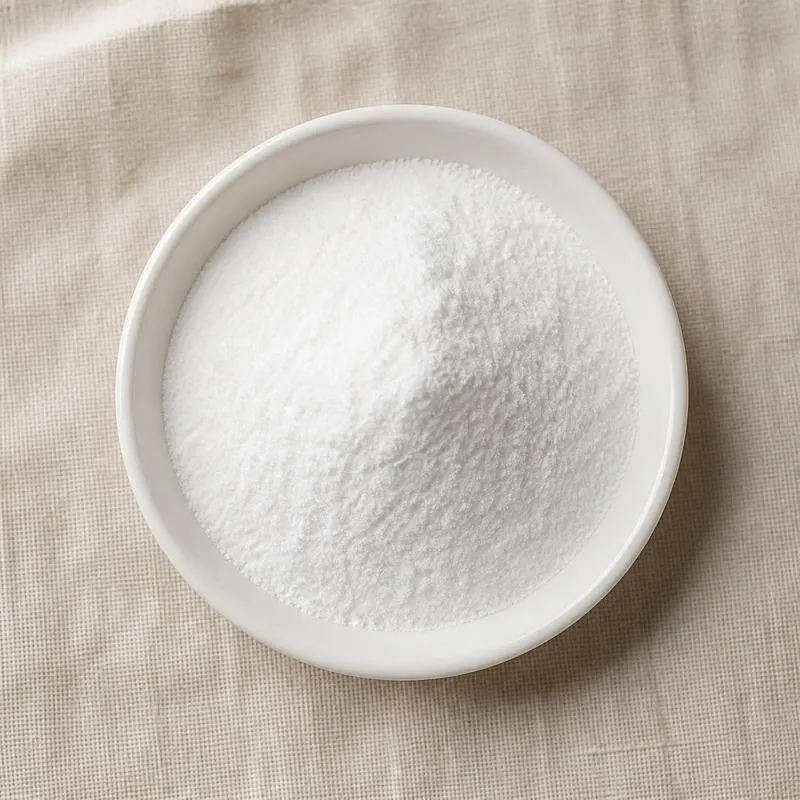
Natural Calcium Propionate is the calcium salt of propionic acid produced by bacterial fermentation rather than by direct chemical synthesis from petrochemical feedstocks.
The molecule is identical to its synthetic counterpart, with formula Ca(C₂H₅COO)₂, CAS 4075-81-4, and the European food-additive number E282. The naming distinction is a labelling and origin position aimed at clean-label bakery and dairy applications rather than a different functional profile.
We source bulk Natural Calcium Propionate from top China manufacturers for our partners. The manufacturer is in Ningxia. For this ingredient the minimum order is 500 kg and a 20-foot container takes 16 MT, and a smaller requirement can ship in a combined container with other ingredients.
Please send the grade you need, the volume and your destination port, and we will come back with a solution and a price.
or call +86-21-6858 0751
- Minimum order
- 500 kg
- Qty in 20' FCL
- 16 MT
- Packaging
- 25 kg kraft paper bag with PE inner liner
- ISO 9001
- HACCP
- Halal
- Kosher
Specifications
| Item | Specification |
|---|---|
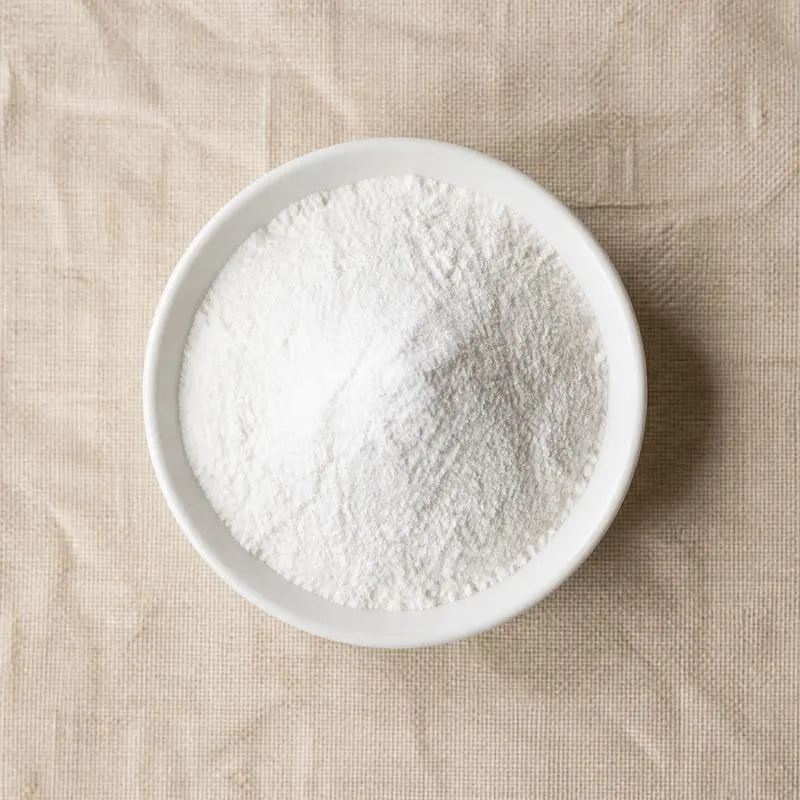
| Appearance | White crystalline powder or granules |
| Assay (dried basis) | 98.0–100.5% |
| Loss on Drying | ≤ 4.0% |
| pH (10% solution) | 7.5–9.5 |
| Calcium Content | 13.2–14.4% |
| Water-Insoluble Matter | ≤ 0.3% |
| Iron (as Fe) | ≤ 50 mg/kg |
| Heavy Metals (as Pb) | ≤ 10 mg/kg |
| Lead (as Pb) | ≤ 2 mg/kg |
| Arsenic (as As) | ≤ 1 mg/kg |
| Total Plate Count | ≤ 1,000 CFU/g |
| Yeast & Mold | ≤ 100 CFU/g |
| E. coli | Negative/g |
Common Markets Grades
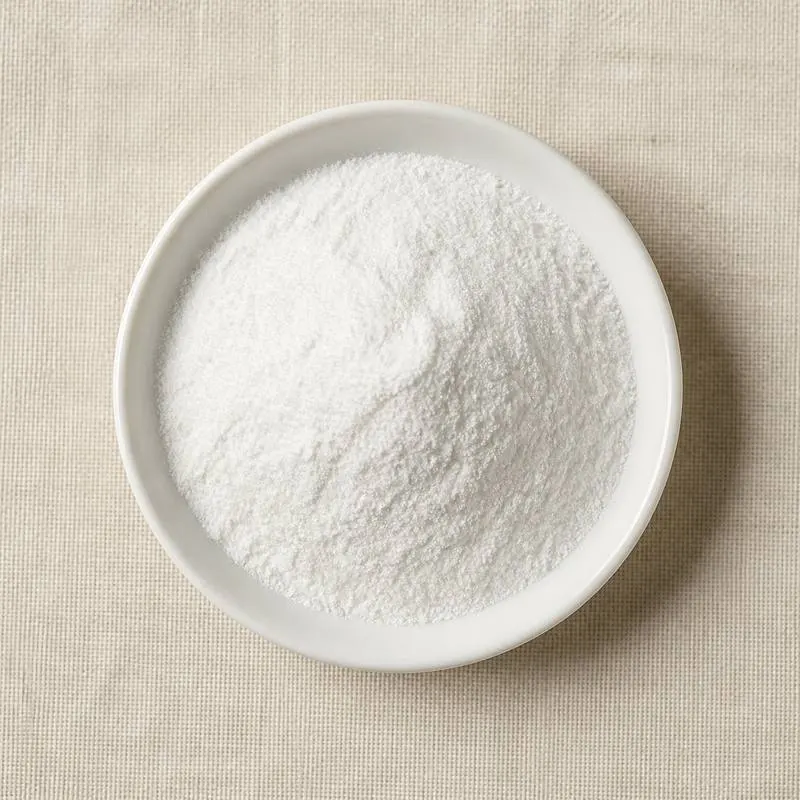
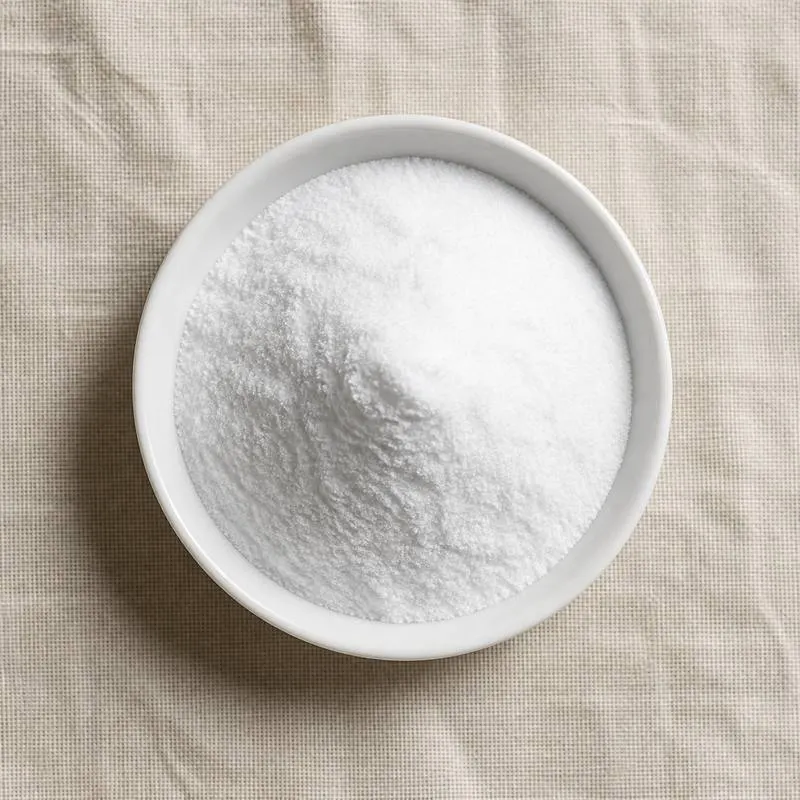
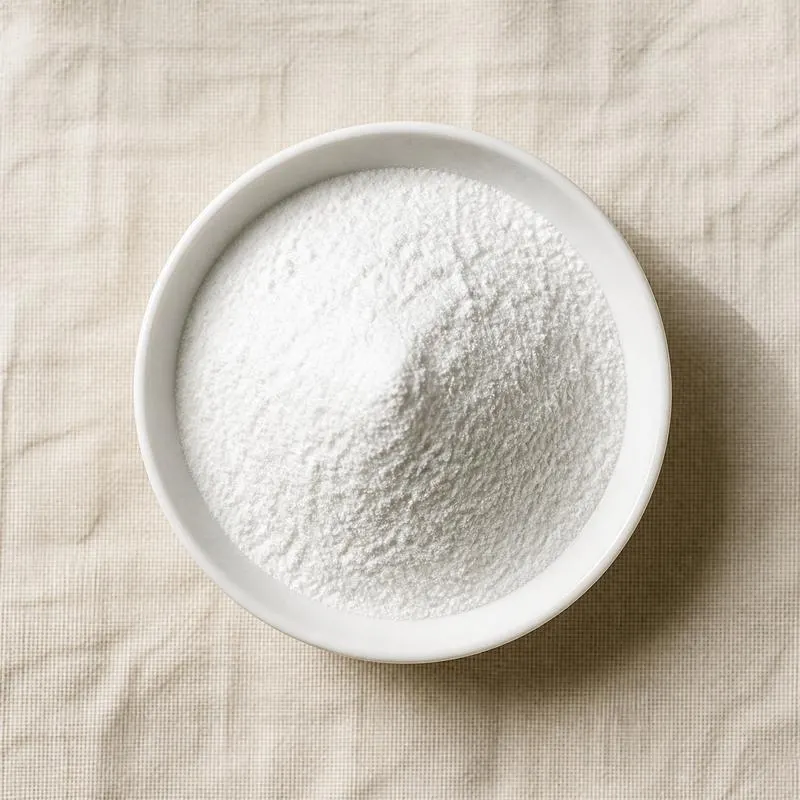
Natural Calcium Propionate is a free-flowing white crystalline powder of 99 percent minimum assay.
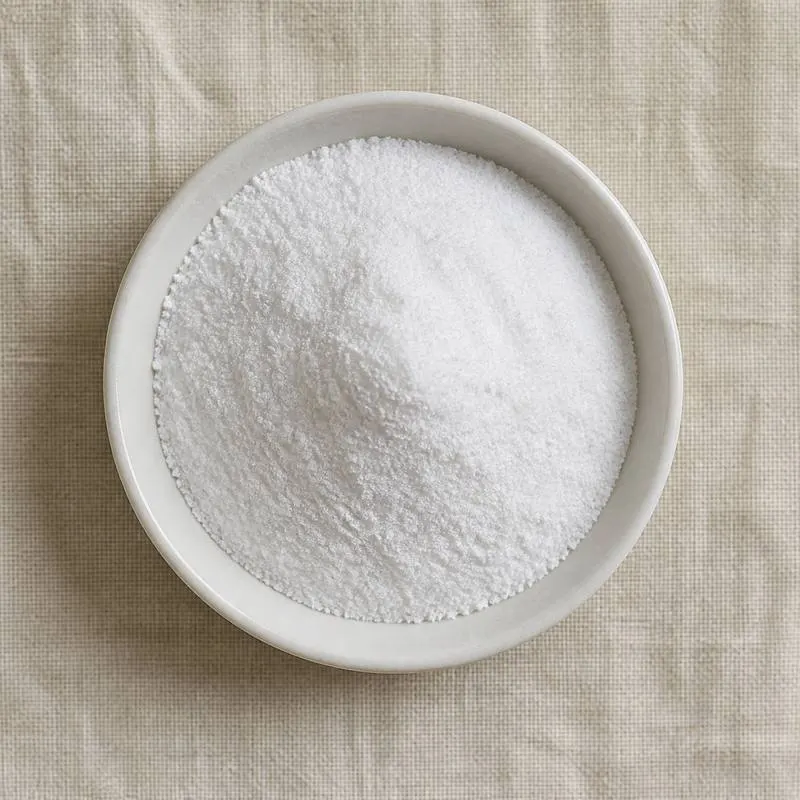
The standard bakery grade is granulated for dust control and consistent dispersion into flour blends and dough premixes.
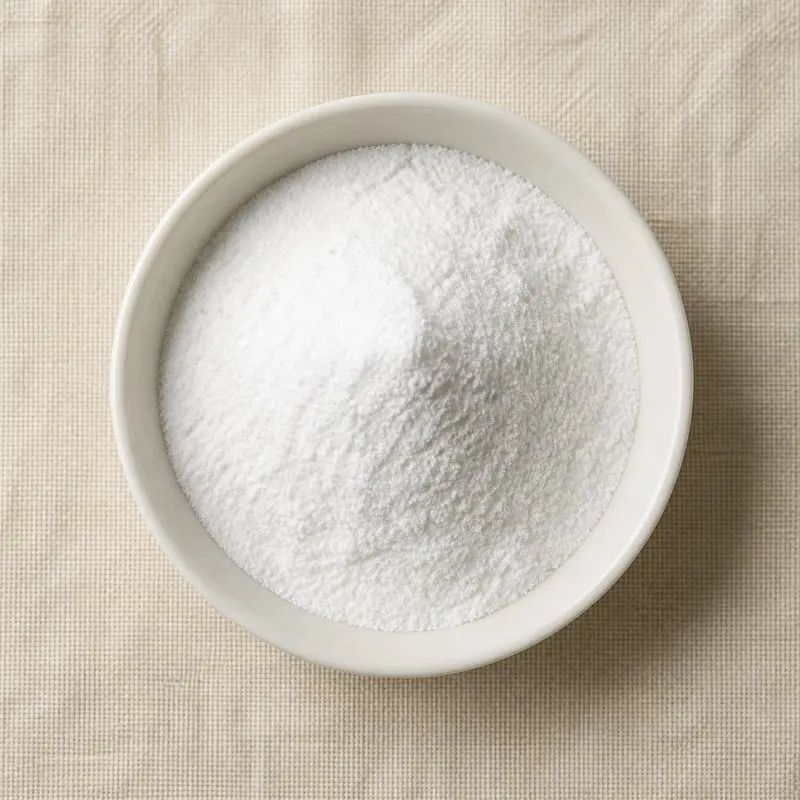
A fine-milled grade is produced for surface dusting of tortillas and pita breads, and for incorporation into low-water-activity products where rapid dissolution is not required.
An organic-certified grade is produced where the upstream fermentation is run on organic substrate. All grades ship in 25 kg lined kraft bags or fibre drums and are stored cool and dry to prevent caking.
Applications
- Pan breads, sandwich breads, and burger buns
- Tortillas, flatbreads, and pita
- Sweet baked goods including muffins, snack cakes, and cake doughnuts
- Pizza crusts and par-baked artisan breads
- English muffins, bagels, and crumpets
- Refrigerated and frozen dough systems
- Bakery fillings and frostings with extended ambient shelf-life targets
- Processed and analog cheeses as a secondary mould inhibitor
- Wet pet food and treats positioned for natural labelling
- Animal feed as a mould inhibitor in stored grain and high-moisture rations
- Cosmetic and personal-care formulations as a preservative-booster
Brands Using Natural Calcium Propionate
Widely-distributed consumer products that list Natural Calcium Propionate on the ingredient label.
Brand names, product names and logos are the property of their owners. They appear here as published evidence that the ingredient is used, taken from the brand's own label or website. Their appearance is not an endorsement, and it does not mean the brand buys from us or from any manufacturer listed on this site.
China Manufacturers of Natural Calcium Propionate
Top Natural Calcium Propionate manufacturers in China.
Company names and logos are the property of the manufacturers themselves. They are listed here because our own directory records them as producing this ingredient. A listing is not an endorsement by them, and we do not represent them or speak on their behalf.
How We Help Source Natural Calcium Propionate
Direct Factory Sourcing
We run the whole process: selecting the manufacturer from the top Chinese food ingredient producers, negotiating the price, verifying quality, and coordinating the logistics. You deal with us instead of with several factories at once.
Original Packaging and Documents from the Manufacturer
The manufacturer sends your Natural Calcium Propionate out of its own factory in the original packing, through to your destination port. The COA, COO, MSDS, TDS and any certifications reach you from the manufacturer as well.
Free Samples and Lead Time
We send 100 to 500 g free for your own laboratory to test and you cover only the courier, usually within 2 to 3 working days. ETD is usually within 7 to 15 days once the order is confirmed, and we check that date against the factory's own manufacturing schedule before we give it to you.
Combined Shipment
We can load Natural Calcium Propionate together with other ingredients such as Calcium Propionate, Sodium Diacetate and Sodium Propionate into one 20' FCL. If your quantity is small, we can also ship LCL.
Regulatory Status
Regulation 1333/2008 authorises Calcium Propionate in the European Union as the food additive E282 and sets category-specific maximum use levels. The fermentation origin does not change the regulatory identity.
In the United States, calcium propionate is GRAS for use in food under 21 CFR 184.1221. Use is normally limited by taste rather than by a regulatory cap.
Codex Alimentarius accepts the additive under the same chemical identity in Codex GSFA.
For consumer-facing labelling, manufacturers using the fermentation-derived material may declare the ingredient as 'cultured calcium propionate' or 'fermentation-derived calcium propionate' in some markets, subject to local labelling rules.
Most commercial natural grades carry Kosher and Halal certifications, and an organic variant is produced where the upstream fermentation is run on certified-organic substrate.
Manufacturing Process
Natural Calcium Propionate is manufactured by fermentation of a carbohydrate substrate using propionic-acid-producing bacteria, primarily Propionibacterium freudenreichii subsp. shermanii.
A sterile broth containing dextrose, yeast extract, and mineral salts is inoculated with the production culture and held under anaerobic conditions at 30 to 32 °C. The bacterium ferments the substrate to a mixture of propionic acid, acetic acid, and carbon dioxide, with propionic acid as the dominant product.
When the target propionic-acid titer is reached the broth is heat-treated to inactivate the culture, then clarified by centrifugation and filtration to remove biomass. The propionic acid is separated from the acetic-acid co-product by distillation or membrane separation.
The purified propionic acid is then neutralised with food-grade calcium hydroxide or calcium carbonate. The resulting calcium propionate solution is crystallised, centrifuged, washed, and dried in a fluid-bed or vacuum dryer to give the finished powder.
By contrast, the conventional synthetic process uses propionic acid made by oxo-synthesis from ethylene, carbon monoxide, and water, neutralised with the same calcium base. The molecule produced is chemically identical, but the production chain does not qualify for fermentation-source labelling.