Natural Capsanthin
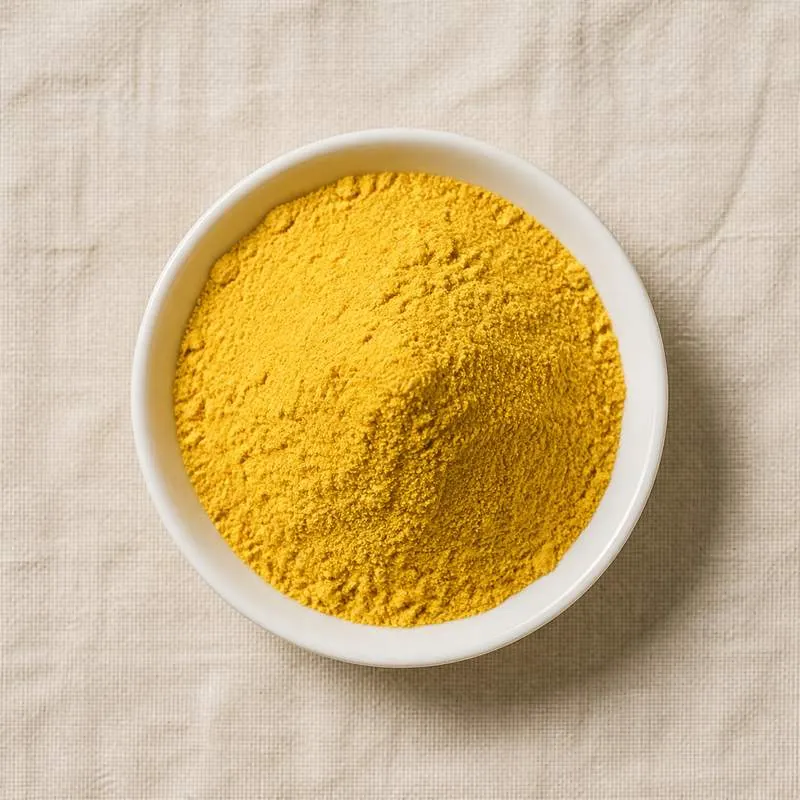
Natural Capsanthin is the dominant red carotenoid of ripe paprika fruit (Capsicum annuum), responsible for the deep orange-red hue that defines paprika oleoresin and the colour of mature sweet peppers.
It is a xanthophyll with the formula C₄₀H₅₆O₃ and CAS number 465-42-9, distinguished from beta-carotene by its hydroxyl groups and a five-membered ketonic ring at one end of the polyene chain. This oxygenated structure shifts absorption further into the green, producing the warm red shade prized in seasoning and processed-meat colouring.
We source bulk Natural Capsanthin from top China manufacturers for our partners. The manufacturer is in Guangdong. A smaller requirement can ship in a combined container with other ingredients.
Please send the grade you need, the volume and your destination port, and we will come back with a solution and a price.
or call +86-21-6858 0751
- Packaging
- 20 kg fibre drum, light-shielded
- ISO 9001
- HACCP
- Halal
- Kosher
Specifications
| Item | Specification |
|---|---|
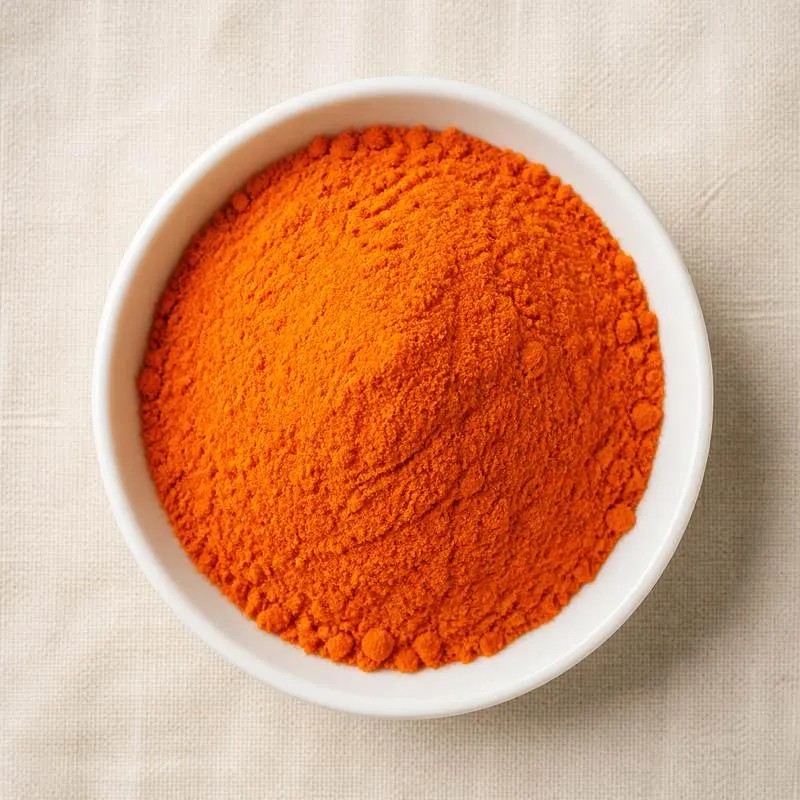
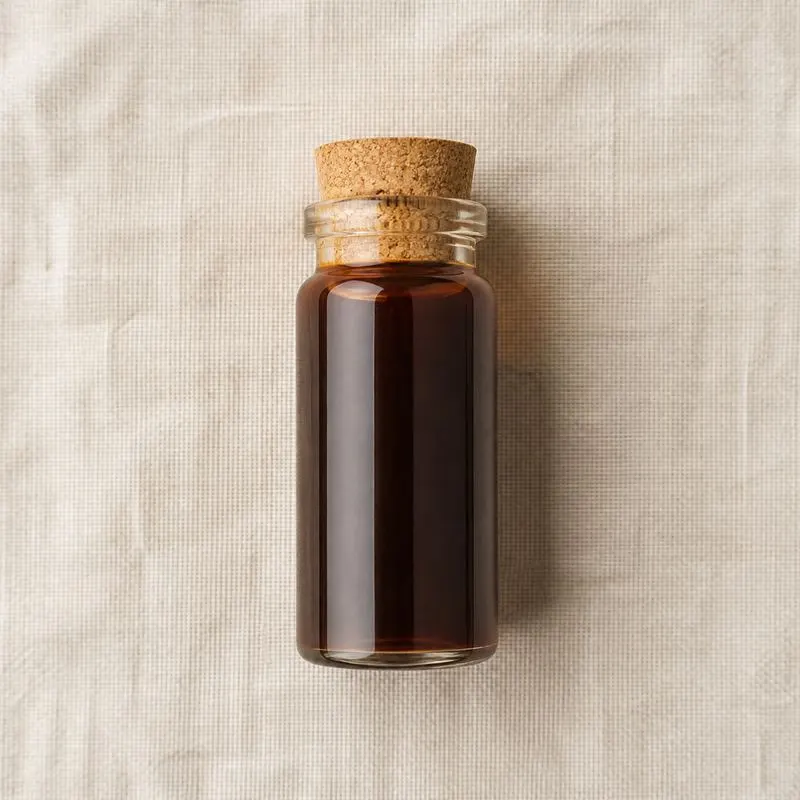
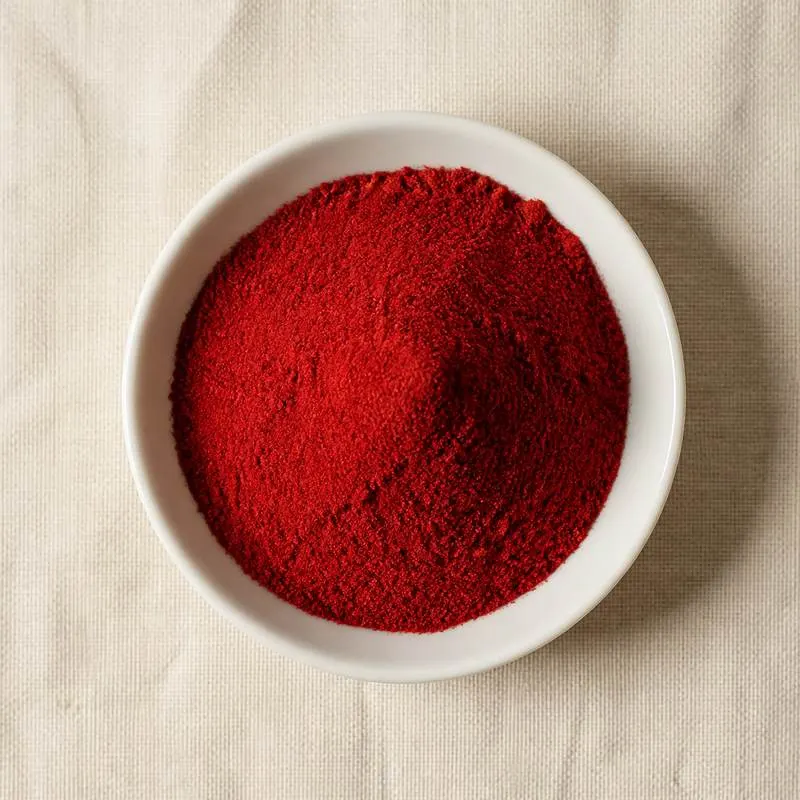
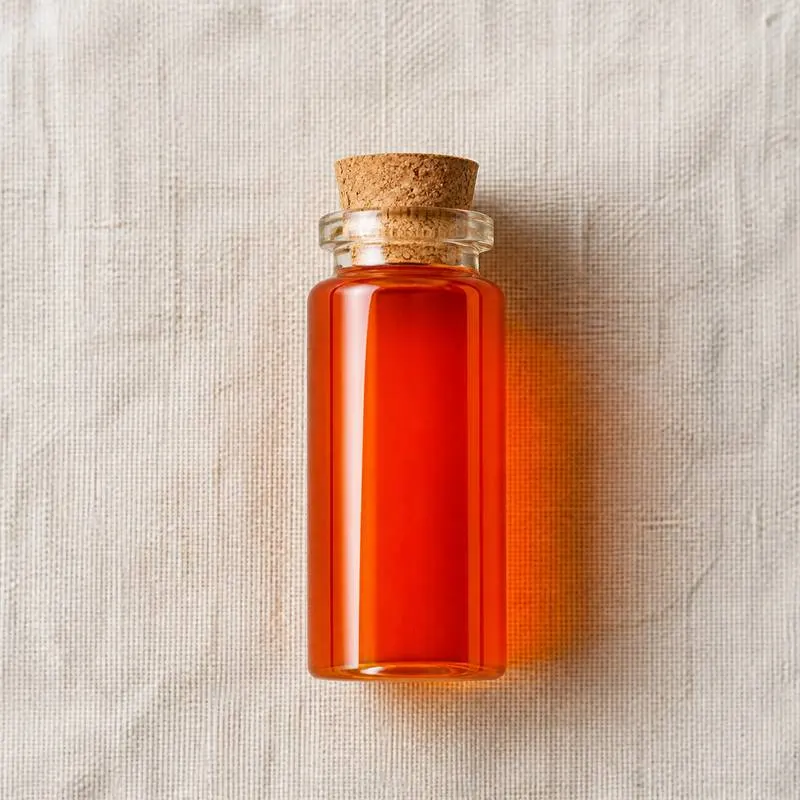
| Appearance | Dark red to orange-red viscous oleoresin, or free-flowing red powder on carrier |
| Colour Value (ASTA, 460 nm) | 40,000-200,000, grade-dependent |
| Colour Value (E1%1cm at 460 nm in acetone) | Conforms to declared colour value within ± 10% |
| Total Carotenoids (HPLC) | ≥ 4.0% (oleoresin grades); 30.0-60.0% (crystalline concentrate) |
| Capsanthin | ≥ 35% of total carotenoids |
| Capsaicinoids | ≤ 500 SHU (decapsaicinized grades) |
| Residual Solvent (hexane) | ≤ 25 mg/kg |
| Acid Value | ≤ 10 mg KOH/g |
| Peroxide Value | ≤ 10 meq/kg |
| Moisture | ≤ 1.0% (oleoresin); ≤ 5.0% (powder) |
| Heavy Metals (as Pb) | ≤ 2 mg/kg |
| Arsenic | ≤ 1 mg/kg |
| Total Plate Count | ≤ 1,000 cfu/g |
| Yeast and Mould | ≤ 100 cfu/g |
| Salmonella | Negative/25g |
Common Markets Grades
Natural Capsanthin trades as oleoresin and as concentrated pigment fractions, specified by colour value in ASTA units or by total carotenoid percentage.
Standard paprika oleoresin runs from 40,000 to 100,000 ASTA, with 60,000 and 80,000 ASTA being the most common reference points for sausage seasoning and snack coating. Higher-strength fractions at 120,000 ASTA and above are produced by molecular distillation or solvent partition.
Decapsaicinized grades are stripped of pungent capsaicinoids and are graded by Scoville Heat Units below a defined ceiling, typically under 500 SHU, for use where heat is undesirable.
Crystalline capsanthin concentrates in the 30 to 60 percent range are produced for analytical work, reference standards, and high-strength colour premixes. Oil-dilution grades at 1 to 5 percent in refined sunflower or MCT oil simplify dosing in low-load applications.
Applications
- Processed meats: emulsified sausages, salami, chorizo, frankfurters, and surimi-based products
- Snack seasonings: extruded corn snacks, potato chip coatings, nuts, and savory crackers
- Cheese rind and processed-cheese slices for warm orange-red tones
- Dressings, sauces, marinades, and barbecue glazes
- Soup bases, bouillon cubes, and dehydrated meal seasonings
- Ready meals and frozen entrees where colour stability through reheating matters
- Confectionery: gummies, hard candies, and panned coatings calling for a red-orange shade
- Bakery fillings, savory pastries, and tinted dough products
- Pet food and treats for visual appeal and natural-label positioning
- Cosmetics: lipsticks, blushes, and warm-tone foundations
- Aquaculture feed for shrimp, salmon, and ornamental fish pigmentation
- Poultry feed to deepen egg yolk and skin colour
Brands Using Natural Capsanthin
Widely-distributed consumer products that list Natural Capsanthin on the ingredient label.
- Lotteカスタードケーキ (Custard Cake) ↗原材料:...着色料(クチナシ、パプリカ色素), パプリカ色素 is the natural capsanthin-bearing extract from paprikaLabel verified 2026-05-24
- Morinagaおっとっと<コーンポタージュ味> (Ottotto Corn Potage) ↗原材料: ...カロテン色素、パプリカ色素、酸化防止剤(ビタミンE、ビタミンC)Label verified 2026-05-24
- Nissin日清のナポリタン 2人前 (Nissin Napolitan 2-serving) ↗原材料: ...カラメル色素、酸味料、パプリカ色素、V.C、ピロリン酸鉄Label verified 2026-05-24
- Lotteポケぷに<フルーツ> みかん味 (Pokémon Gumi Mandarin) ↗みかん味原材料: ...着色料(カラメル、パプリカ色素)、光沢剤Label verified 2026-05-24
Brand names, product names and logos are the property of their owners. They appear here as published evidence that the ingredient is used, taken from the brand's own label or website. Their appearance is not an endorsement, and it does not mean the brand buys from us or from any manufacturer listed on this site.
China Manufacturers of Natural Capsanthin
Top Natural Capsanthin manufacturers in China.
Company names and logos are the property of the manufacturers themselves. They are listed here because our own directory records them as producing this ingredient. A listing is not an endorsement by them, and we do not represent them or speak on their behalf.
How We Help Source Natural Capsanthin
Direct Factory Sourcing
We run the whole process: selecting the manufacturer from the top Chinese food ingredient producers, negotiating the price, verifying quality, and coordinating the logistics. You deal with us instead of with several factories at once.
Original Packaging and Documents from the Manufacturer
The manufacturer sends your Natural Capsanthin out of its own factory in the original packing, through to your destination port. The COA, COO, MSDS, TDS and any certifications reach you from the manufacturer as well.
Free Samples and Lead Time
We send 100 to 500 g free for your own laboratory to test and you cover only the courier, usually within 2 to 3 working days. ETD is usually within 7 to 15 days once the order is confirmed, and we check that date against the factory's own manufacturing schedule before we give it to you.
Combined Shipment
We can load Natural Capsanthin together with other ingredients such as Beta Carotene, Caramel Colour and Lycopene into one 20' FCL. If your quantity is small, we can also ship LCL.
Regulatory Status
Natural Capsanthin is recognised as a food colour in essentially every regulated market under the broader umbrella of paprika extract.
In the European Union it carries the number E160c, and the EFSA re-evaluation in 2015 confirmed its safety profile for the approved use levels. The specification covers both capsanthin and the accompanying capsorubin as the principal colouring components.
The U.S. Food and Drug Administration permits paprika and paprika oleoresin as colour additives exempt from certification under 21 CFR 73.340 and 21 CFR 73.345. Both qualify for label declaration as paprika, paprika extract, or simply colour added depending on the regulation invoked.
JECFA has evaluated paprika extract and assigned an acceptable status for use as a colour. Kosher and Halal certifications are routinely available, and the material is non-GMO by source.
Manufacturing Process
Capsanthin is recovered from dried red paprika pods grown principally in Spain (La Vera, Murcia), Hungary (Szeged, Kalocsa), China (Xinjiang), India, and Peru. Cultivar selection drives final pigment yield, with the highest-colour types reaching 8 grams of total carotenoids per kilogram of dried fruit.
Whole or milled pods are first solvent-extracted with hexane or ethyl acetate to produce a crude oleoresin. The crude resin contains capsanthin, capsorubin, beta-carotene, zeaxanthin, fatty oils, waxes, and capsaicinoids.
Winterization and degumming remove waxes and phospholipids. Where a pungency-free product is required, capsaicinoids are stripped by a separate solvent partition or by supercritical CO₂ countercurrent extraction.
Colour strength is then standardised by blending with refined vegetable oil or by molecular distillation to concentrate the carotenoid fraction. Final products are flushed with nitrogen and packaged in light-protected drums to limit oxidative loss during storage.