Non GMO Soy Protein Concentrate
Non GMO soy protein concentrate is soy protein concentrate produced from identity preserved conventional soybeans, containing around 65 to 70 percent protein on a dry basis after the soluble sugars have been washed out of defatted soy meal.
In composition it is the same ingredient as any soy protein concentrate. Defatted soy flour contains roughly half protein and about 15 percent soluble carbohydrate, mainly sucrose, raffinose and stachyose. Removing that carbohydrate concentrates the protein into the sixties and seventies while leaving the insoluble polysaccharide behind, which is why concentrate retains more fibre than isolate does. The non GMO attribute is a supply chain property rather than a compositional one, maintained by segregating conventional beans from planting through crushing to protein processing and verifying the result by polymerase chain reaction testing at defined points.
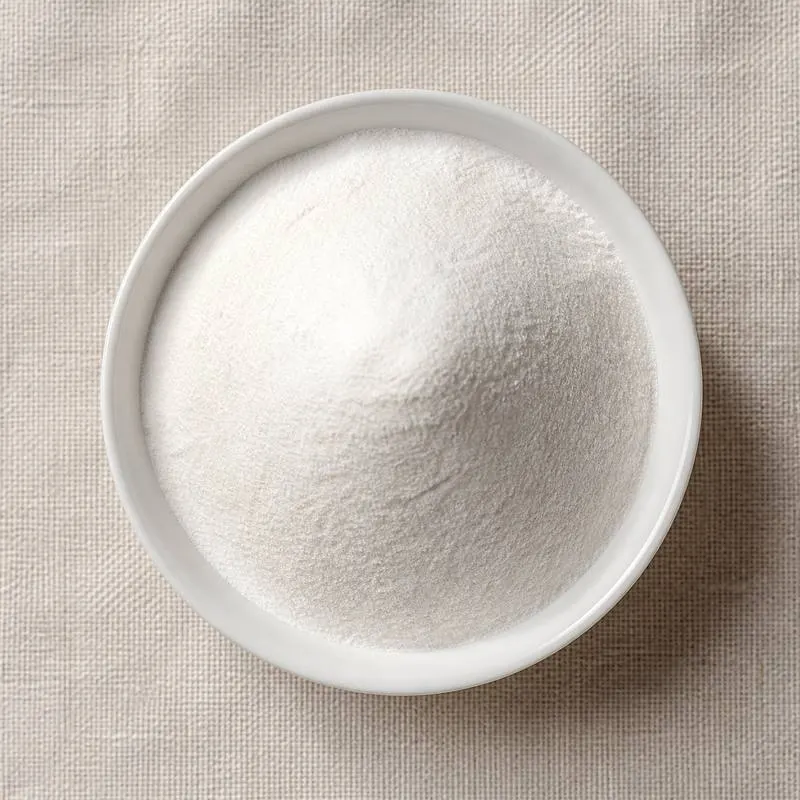
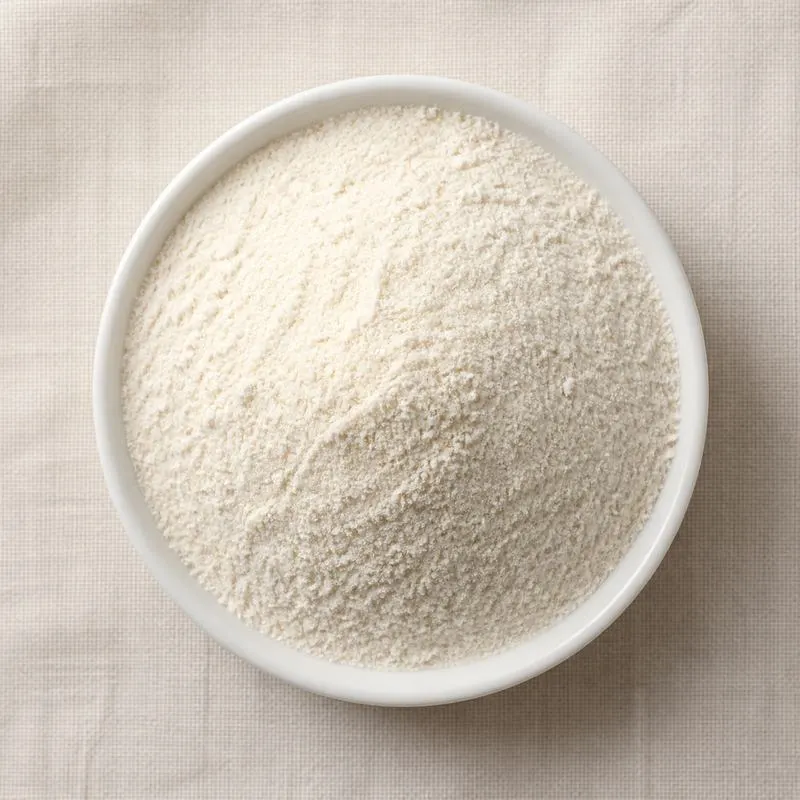
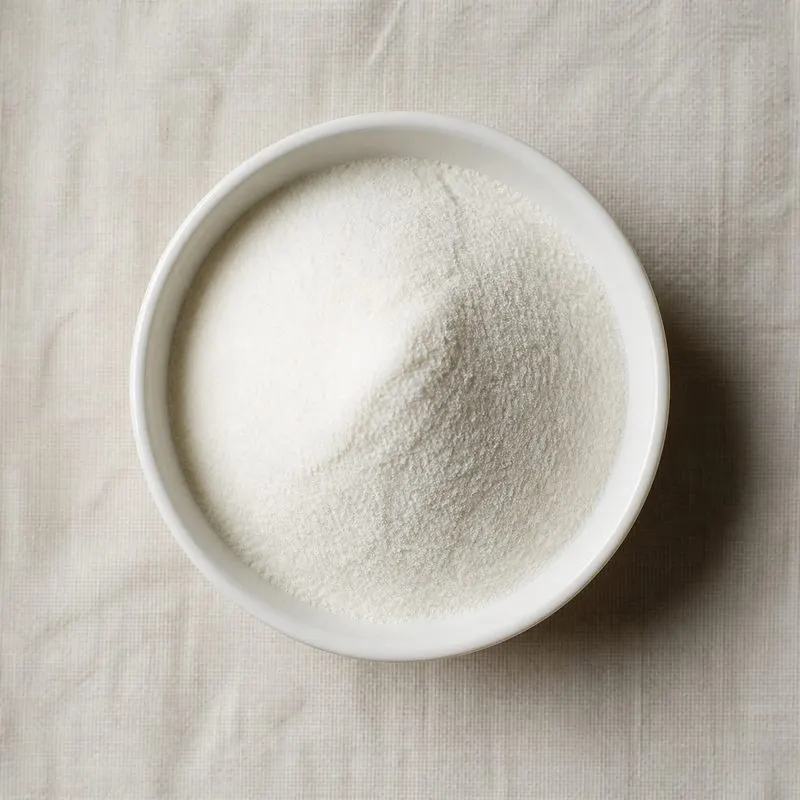
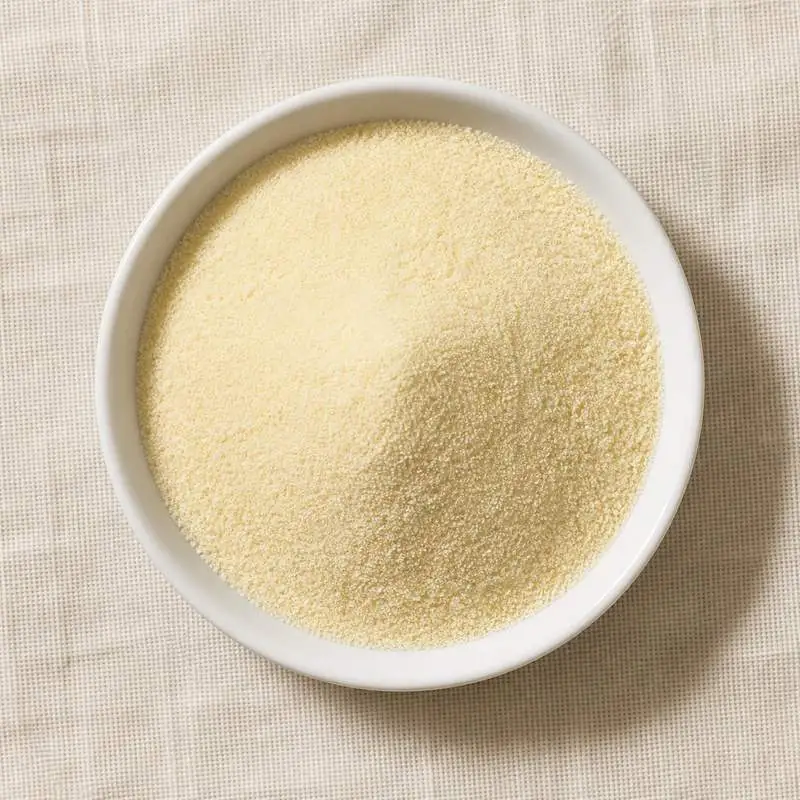
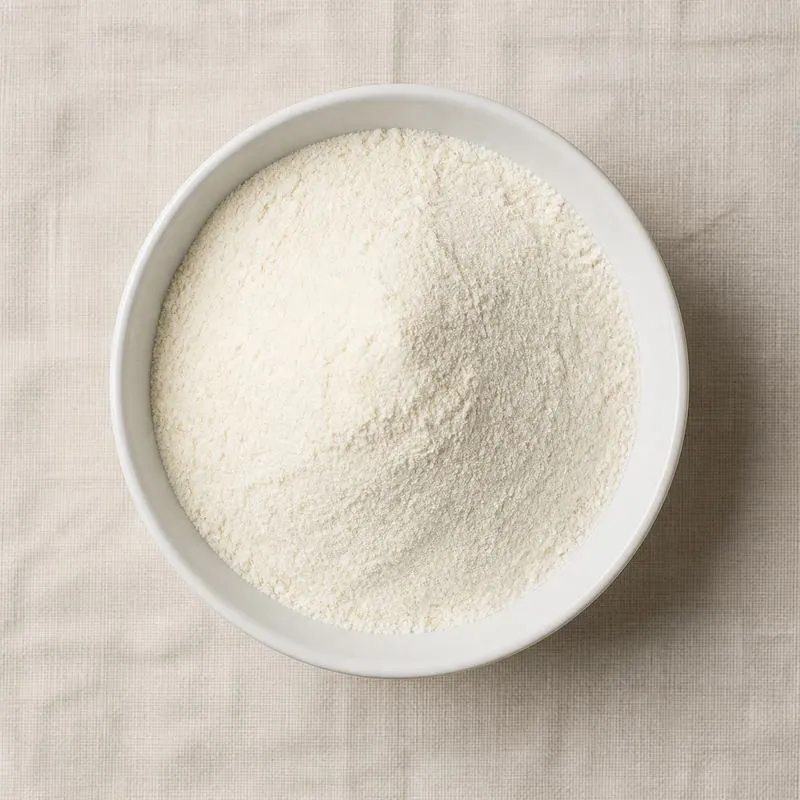
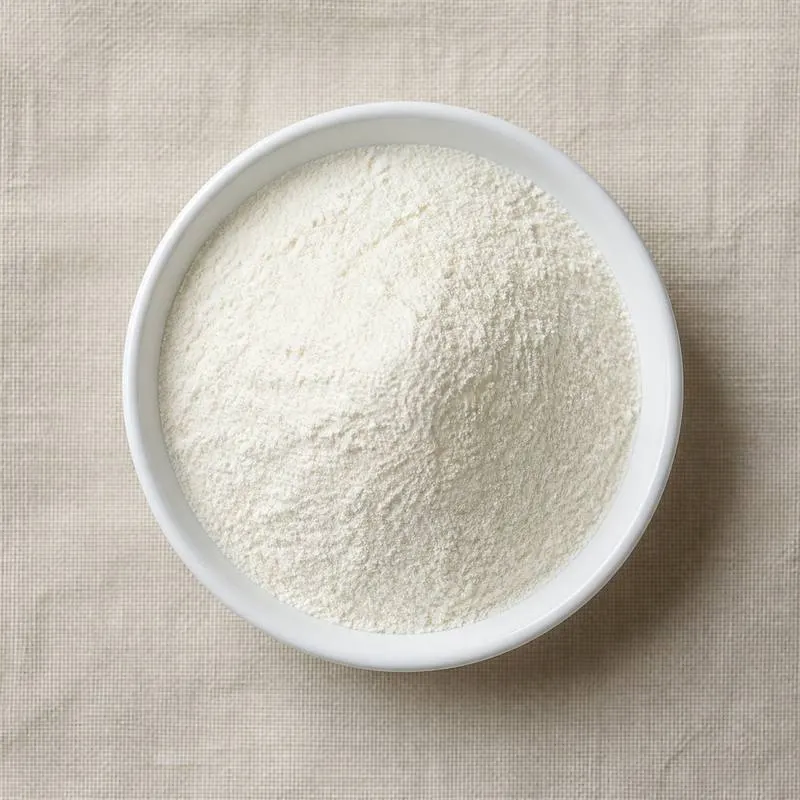
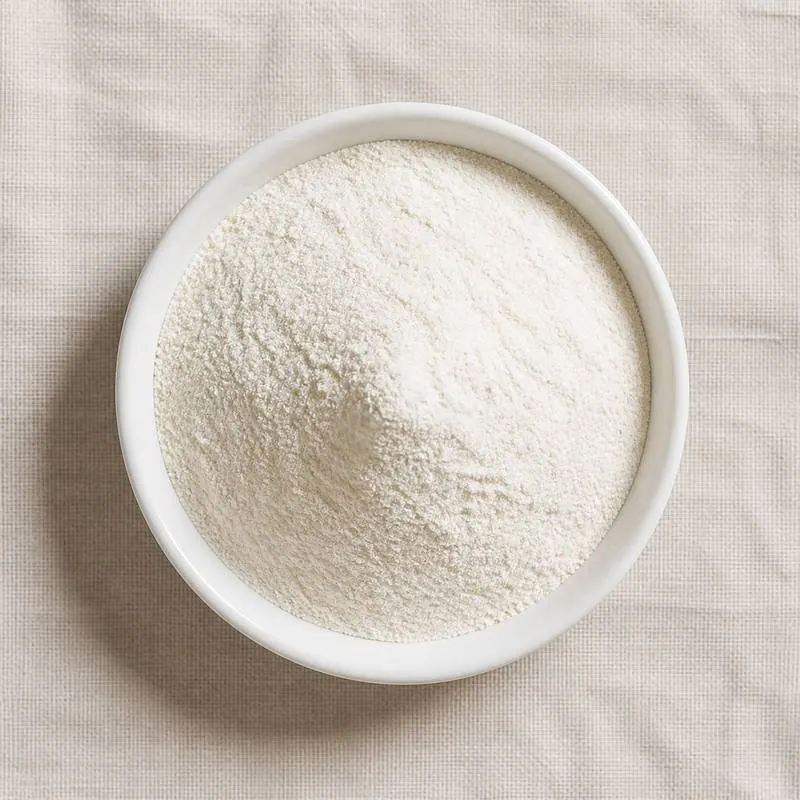
The powder is cream to light tan with a mild beany note. It does not dissolve, since the concentration step denatures much of the protein, but it hydrates strongly and absorbs several times its weight in water, forming a stable paste. Buyers specify it for water and fat binding, emulsion stability and yield in meat systems, not for solubility.
We source bulk Non GMO Soy Protein Concentrate from top China manufacturers for our partners. The manufacturer is in Shandong. A smaller requirement can ship in a combined container with other ingredients.
Please send the grade you need, the volume and your destination port, and we will come back with a solution and a price.
or call +86-21-6858 0751
- Function
- Protein
Specifications
| Item | Specification |
|---|---|
| Appearance | Cream to light tan free flowing powder |
| Odour and Taste | Bland with a mild beany note, free from rancid or foreign odour |
| Protein (N x 6.25, dry basis) | Minimum 65.0% |
| Moisture | Maximum 8.0% |
| Fat | Maximum 1.0% |
| Ash | Maximum 7.0% |
| Crude Fibre | Maximum 5.0% |
| Genetically Modified Material | Below the applicable labelling threshold by PCR |
| Particle Size | Minimum 95% through 100 mesh |
| Water Absorption | 350 to 450% of sample weight |
| Lead | Maximum 0.5 mg/kg |
| Arsenic | Maximum 0.5 mg/kg |
| Total Plate Count | Maximum 20,000 cfu/g |
| Escherichia coli and Salmonella | Absent in 25 g |
Common Markets Grades
The main technical distinction is the carbohydrate removal route. Alcohol washed concentrate has low nitrogen solubility and a bland flavour, since aqueous ethanol carries off the beany aldehydes along with the sugars, and it dominates meat and pet food use. Acid leached concentrate retains more native protein structure and disperses better. Functional concentrates given a further jet cooking or extrusion treatment are sold specifically for gel strength and emulsion capacity, and textured concentrate is produced by extrusion into chunks and granules.
On the non GMO side, grades differ by which standard certifies the material and by the threshold applied. European Union labelling rules treat adventitious presence below a defined low threshold as not requiring genetically modified labelling, while some certification schemes and private buyers work to a tighter limit, so the applicable threshold, the sampling plan and the certificate type form part of the grade description alongside protein content and particle size. Organic certified concentrate is inherently non genetically modified, since organic rules exclude genetic modification, and is traded as a separate, more expensive line.
Applications
- Emulsified meat products such as frankfurters and luncheon meat, where it binds water and fat and reduces cook loss
- Injection brines for ham and poultry, where a fine milled dispersible grade carries protein into whole muscle
- Meat analogues and plant based patties, working alongside textured protein to hold the structure through cooking
- Bakery fillings, doughs and high protein snacks, raising protein and controlling moisture migration
- Nutrition bars and meal replacement products sold into markets where non genetically modified status is a purchase condition
- Infant and toddler foods in markets where soy is an accepted base and identity preserved sourcing is required
- Dairy alternative products, where it contributes body and protein content
- Pet food kibble and wet chunks, substituting for part of the meat protein and binding the matrix
- Calf milk replacers and aquaculture feed, where a low antinutrient soy protein replaces milk protein and fishmeal
- Retorted soups and ready meals, where the hydrated concentrate holds texture through sterilisation
China Manufacturers of Non GMO Soy Protein Concentrate
Top Non GMO Soy Protein Concentrate manufacturers in China.

Company names and logos are the property of the manufacturers themselves. They are listed here because our own directory records them as producing this ingredient. A listing is not an endorsement by them, and we do not represent them or speak on their behalf.
Regulatory Status
In the United States soy protein concentrate is a conventional food ingredient used under good manufacturing practice, and it is a permitted alternate protein product in federally inspected meat and poultry products within the limits set by the Food Safety and Inspection Service. Soybeans are a major food allergen under the Food Allergen Labelling and Consumer Protection Act, so soy must be declared. Genetically modified content is addressed through the National Bioengineered Food Disclosure Standard administered by the Department of Agriculture, which requires disclosure for foods containing detectable modified genetic material. Non genetically modified claims are voluntary marketing claims subject to the general prohibition on false or misleading labelling and to whatever private certification scheme the seller uses.
In the European Union Regulation (EC) No 1829/2003 governs genetically modified food and feed and Regulation (EC) No 1830/2003 governs traceability, and together they require labelling of authorised genetically modified material above a low adventitious presence threshold and documentation passed along the chain. Non genetically modified soy is traded against that framework with segregation and testing records. Soy protein concentrate itself is a food ingredient with no E number, and soybeans appear in Annex II of Regulation (EU) No 1169/2011 and must be emphasised in the ingredient list. Extraction solvents are controlled under the extraction solvents directive, and Codex covers the product class through its standard for vegetable protein products, which sets minimum protein content on a dry basis.
Manufacturing Process
The chain starts in the field. Conventional soybean seed is planted on registered fields, harvested, stored and transported in segregated bins, and crushed on lines that are cleaned down and flushed between genetically modified and identity preserved runs, with sampling and polymerase chain reaction testing at receipt and at intermediate points. Beans are cracked, dehulled, conditioned, flaked and defatted, most commonly with hexane in a countercurrent extractor, then desolventised and toasted under controlled conditions to inactivate trypsin inhibitors, giving the white flakes that enter protein processing.
Concentration removes the soluble sugars while leaving protein and insoluble polysaccharide behind. The dominant method leaches the flakes with aqueous ethanol at around 60 to 70 percent alcohol in a countercurrent extractor, with the ethanol distilled and recycled. The alternative brings the flakes to pH 4.5, where the protein is least soluble, and washes the sugars out in the aqueous phase before neutralising the recovered curd. The wet concentrate is desolventised or dewatered, dried in a flash or fluid bed dryer, milled to the target particle size and sieved. Textured grades are diverted before drying into a twin screw extruder, where heat and shear align the protein into fibres before cutting and drying. Identity is documented through the whole train, so that the certificate issued with the finished powder traces back to the field.