Soy Flour
Soy flour is finely milled soybean material containing about 50 percent protein on a defatted basis, produced by grinding dehulled beans or the flakes left after oil extraction.
The trade recognises three fat classes. Defatted soy flour comes from hexane extracted flakes and carries around 1 percent residual oil; full fat flour is milled from dehulled beans that have not been extracted and retains about 20 percent oil; low fat and high fat grades sit between the two, made by adding a controlled amount of oil or lecithin back to defatted material. Beyond fat, the parameter that decides how a flour behaves is the heat it has seen, expressed as the protein dispersibility index. Untoasted flour with a high index keeps its enzymes and its protein solubility, and is bought for the bleaching and dough conditioning that active lipoxygenase gives; toasted flour with a low index has been heat treated to kill those enzymes and destroy the trypsin inhibitors, and is bought for nutrition and water binding.
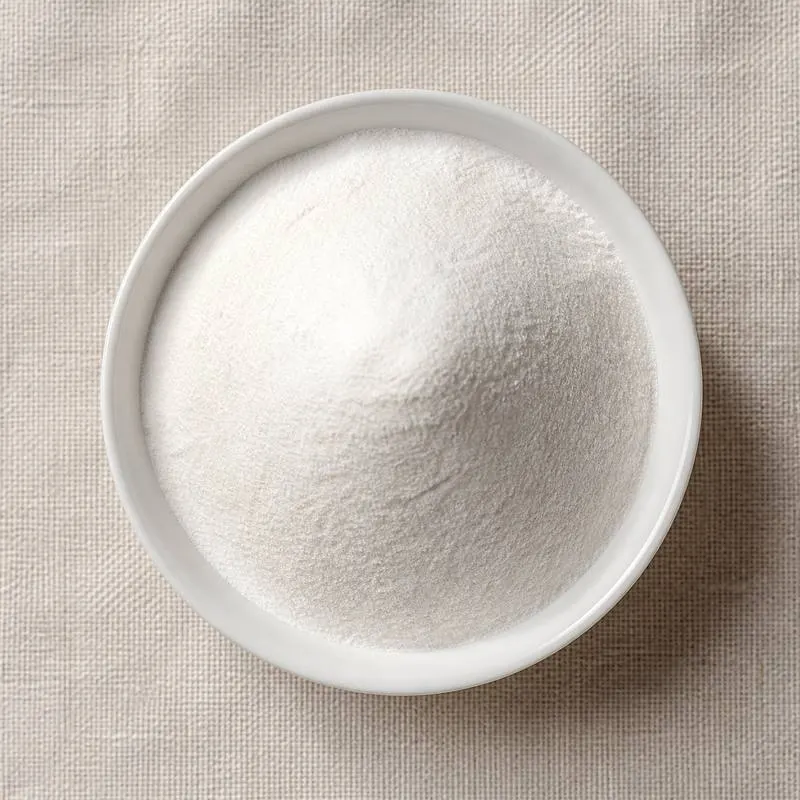
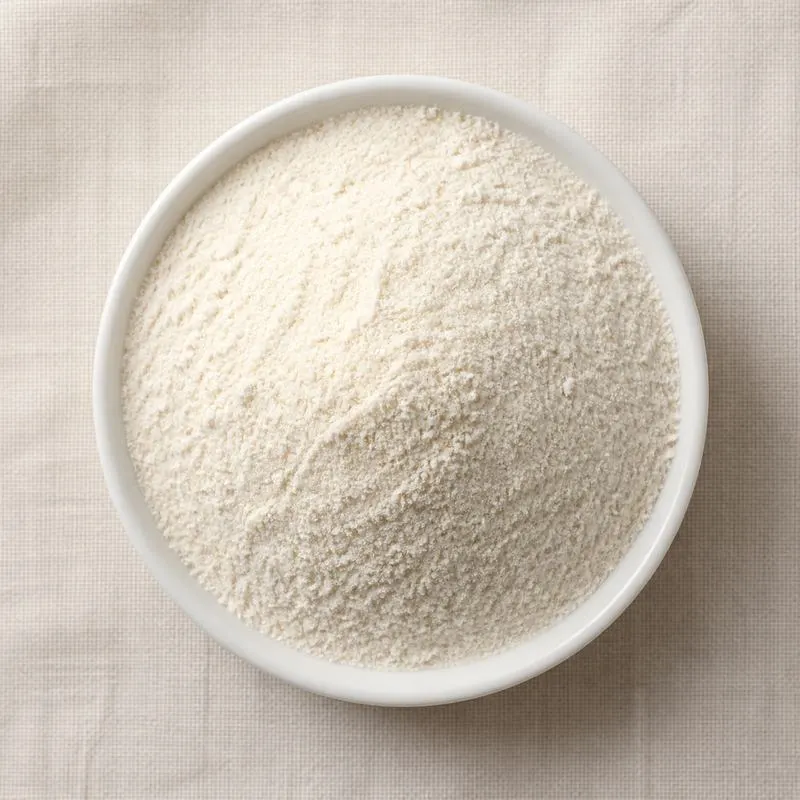
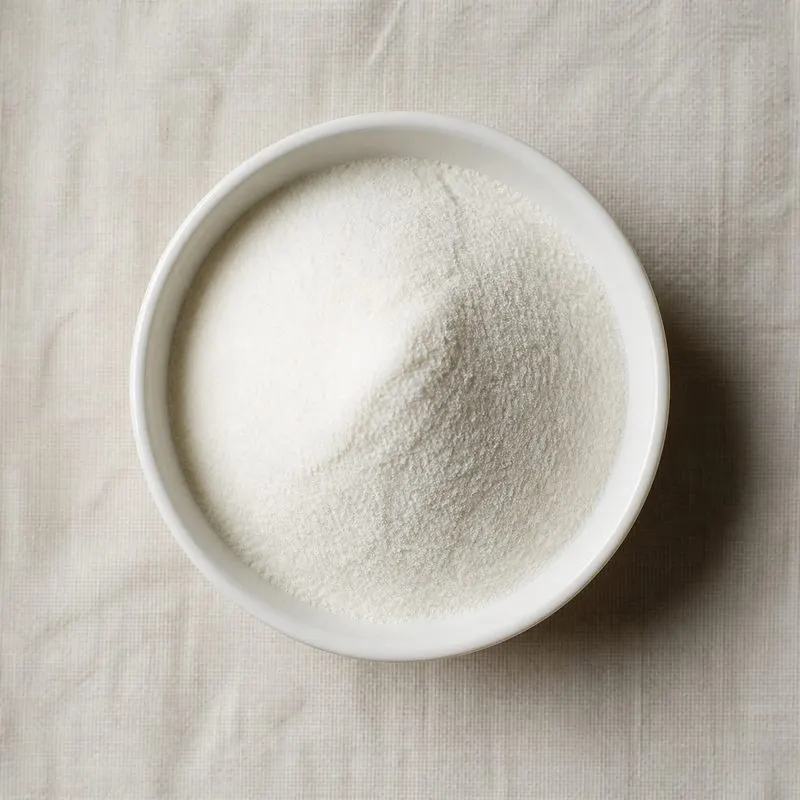
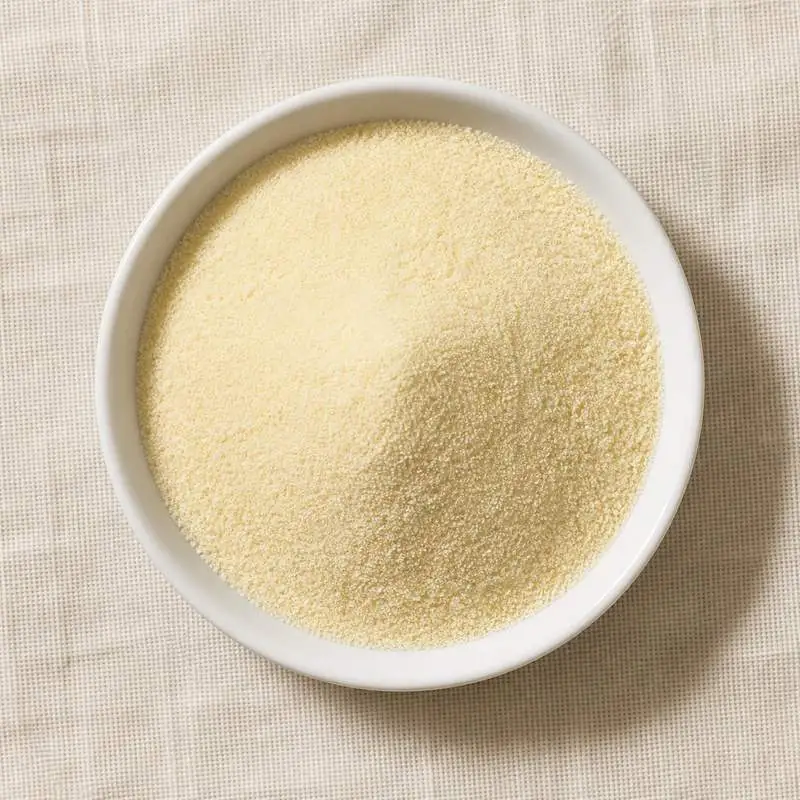
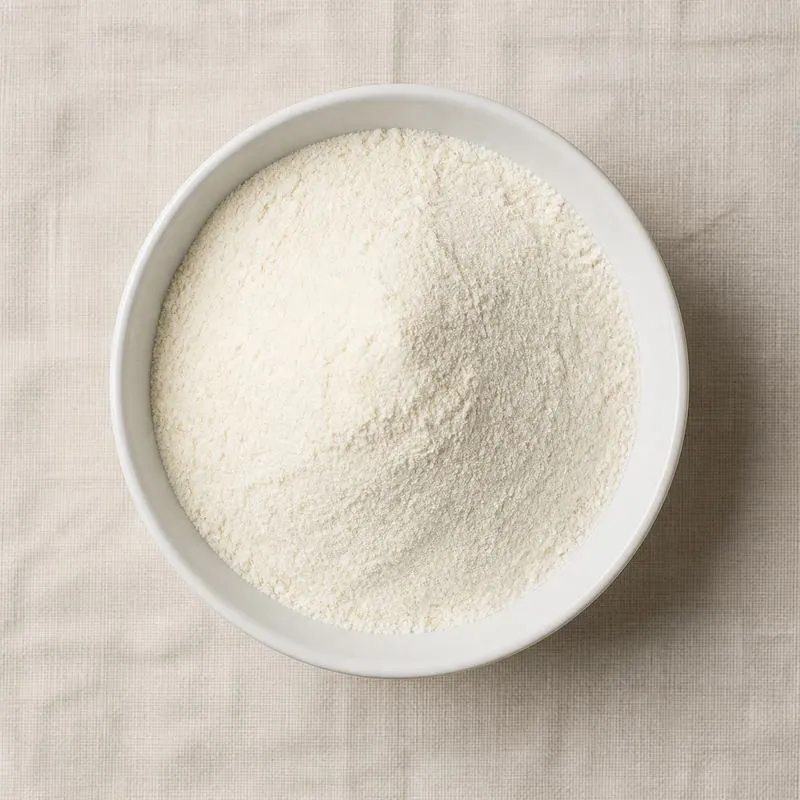
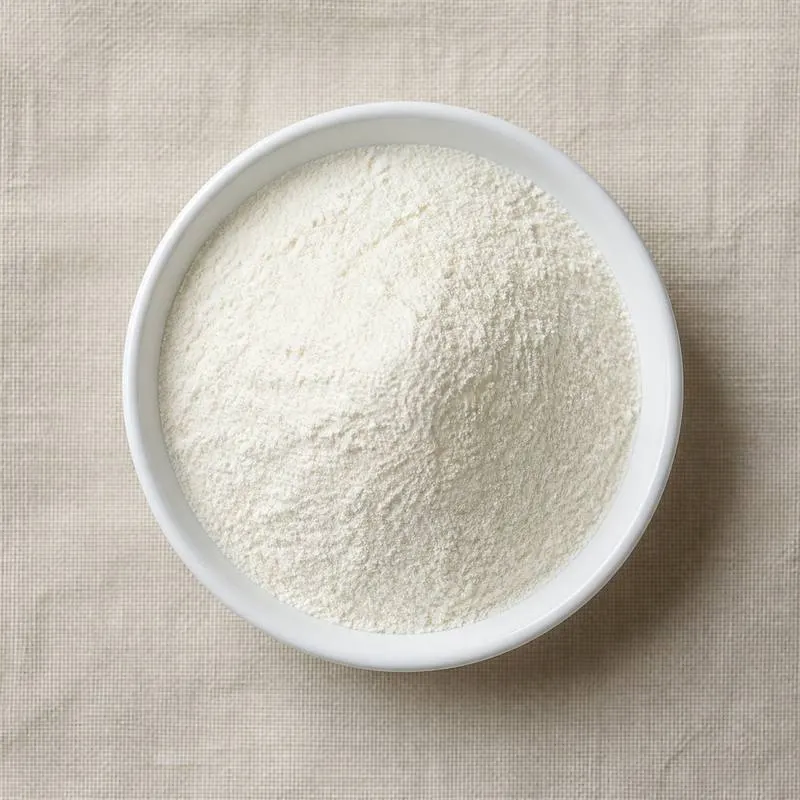
The powder is cream to pale yellow, disperses rather than dissolves in water, and has a characteristic beany note that toasting reduces but does not remove.
We source bulk Soy Flour from top China manufacturers for our partners. The manufacturer is in Shandong. A smaller requirement can ship in a combined container with other ingredients.
Please send the grade you need, the volume and your destination port, and we will come back with a solution and a price.
or call +86-21-6858 0751
- Function
- Protein
Specifications
| Item | Specification |
|---|---|
| Appearance | Cream to pale yellow free flowing powder |
| Odour and taste | Characteristic mild beany, free of rancid or solvent notes |
| Protein (dry basis, N x 6.25) | 50.0 percent minimum for defatted grade |
| Fat | 1.0 percent maximum for defatted grade |
| Moisture | 8.0 percent maximum |
| Crude fibre | 3.5 percent maximum |
| Ash | 6.5 percent maximum |
| Protein dispersibility index | Per grade, 20 percent maximum toasted, 70 percent minimum enzyme active |
| Urease activity | 0.05 to 0.20 pH rise for toasted grade |
| Particle size | 97 percent through 100 mesh |
| Residual hexane | 10 mg/kg maximum |
| Lead | 0.5 mg/kg maximum |
| Arsenic | 0.5 mg/kg maximum |
| Aflatoxin B1 | 2 microgram/kg maximum |
| Total plate count | 50,000 cfu/g maximum |
| Yeast and mould | 1,000 cfu/g maximum |
| E. coli | Absent in 1 g |
| Salmonella | Absent in 25 g |
Common Markets Grades
Flours are specified first by fat class, defatted, low fat, high fat or full fat, and second by protein dispersibility index, which distinguishes enzyme active untoasted flour from lightly, medium and fully toasted grades. Enzyme active flour is a distinct article and is not interchangeable with toasted flour despite having a similar analysis.
Granulation runs from coarse soy grits, sold as coarse, medium and fine, through standard flour at 100 mesh to finely milled grades at 200 mesh and above for beverage and confectionery use. Lecithinated flour, carrying added soy lecithin for improved wetting, is a separate grade, as is instantised agglomerated material. Non GMO and organic certified lots trade against their own documentation, and a lower specification feed grade flour exists that is not interchangeable with the food grade article.
Applications
- Bread and bun doughs, where enzyme active flour bleaches the crumb and strengthens the gluten network through lipoxygenase action
- Biscuits, crackers and cookies, where toasted flour raises protein and controls spread
- Batters and breadings, contributing adhesion to the substrate and reducing fat pick up during frying
- Emulsified meat products, where it binds water and fat as an economical alternative to soy concentrate
- Extruded snacks and textured protein feedstock, blended with cereal flours before the extruder
- Cereal bars and nutritional bakery, raising protein content in a dry blendable form
- Doughnut and fried bakery mixes, where reduced oil absorption is the object
- Infant cereals and weaning foods in some markets, using fully toasted low index flour
- Fermentation substrates and culture media, as a nitrogen and carbohydrate source
- Feed and pet food formulations, as a concentrated plant protein carrier
Brands Using Soy Flour
Widely-distributed consumer products that list Soy Flour on the ingredient label.
Brand names, product names and logos are the property of their owners. They appear here as published evidence that the ingredient is used, taken from the brand's own label or website. Their appearance is not an endorsement, and it does not mean the brand buys from us or from any manufacturer listed on this site.
China Manufacturers of Soy Flour
Top Soy Flour manufacturers in China.

Company names and logos are the property of the manufacturers themselves. They are listed here because our own directory records them as producing this ingredient. A listing is not an endorsement by them, and we do not represent them or speak on their behalf.
Regulatory Status
Soy flour is a food rather than a food additive, so it carries no E number in the European Union and no additive listing in the United States. Soy is a declarable allergen in both jurisdictions and in most other major markets.
In the United States soy flour is used within the general food ingredient framework, and its addition to standardised bakery products and to meat and poultry products is limited by the relevant standards of identity and by the federal meat inspection rules, which also require it to be declared. Residual hexane from extraction is controlled as a processing aid, with the extraction solvent itself required to be food grade. In the European Union the flour is a conventional food ingredient governed by general food law and the hygiene regulations, and where the beans are genetically modified the traceability and labelling rules for genetically modified food apply. Protein and fibre claims fall under the nutrition and health claims regulation. Codex maintains a general standard for soy protein products that covers flours, grits and higher protein derivatives, together with a code of hygienic practice for low moisture foods that applies to the milling and packing operations, and Codex contaminant provisions govern heavy metals and mycotoxins carried through from the beans.
Manufacturing Process
Soybeans are cleaned, dried, cracked into pieces and aspirated to remove the hulls, then conditioned with heat and moisture and rolled into thin flakes. For defatted flour the flakes go to a counter current hexane extractor, which strips the oil, and the extracted flakes are desolventised. Desolventising is the step that sets the grade: a mild vacuum flash desolventising leaves the protein largely undenatured and gives white flake for enzyme active flour, while a desolventiser toaster using live steam both removes solvent and cooks the flake, inactivating lipoxygenase and the trypsin inhibitors to give toasted flake.
The flake is then milled, usually on hammer or impact mills, and classified through sieves or an air classifier to the required granulation, with the coarse fraction diverted to grits. Full fat flour skips extraction entirely: the dehulled beans are heat treated by steam, extrusion or infrared to inactivate enzymes and then milled directly, since unheated full fat flour is unstable to rancidity. Finished flour is cooled, screened for foreign matter, passed over magnets, and packed into multiwall paper bags or bulk containers.