Nutritional Yeast
Nutritional yeast is deactivated Saccharomyces cerevisiae biomass, grown deliberately for consumption rather than recovered as a brewing by-product, then pasteurised, dried and sold as whole cells. Deactivation means the yeast has no leavening or fermenting power, so it functions purely as a flavour and nutrition ingredient. The dry solids run roughly 45 to 55 percent protein with a full amino acid profile, and the material is a natural source of B group vitamins and of the beta-glucan and mannan of the cell wall.
The most commercially significant sensory property is its savoury character. Free amino acids and nucleotides generated during growth and drying give a distinct cheesy, nutty, umami taste, which is why the ingredient replaced cheese in much of the plant based category before purpose built analogues existed.
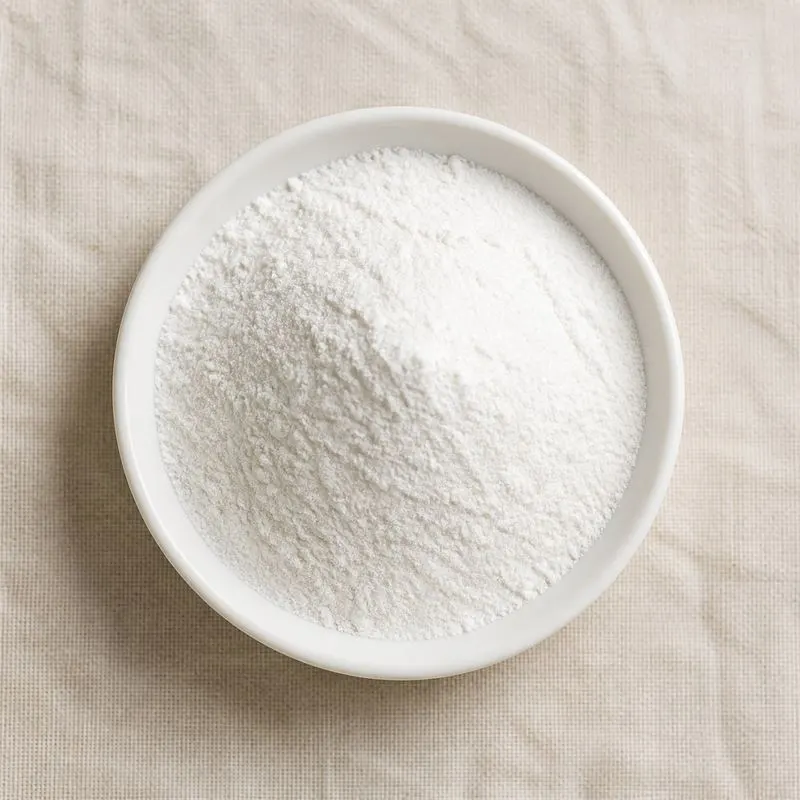
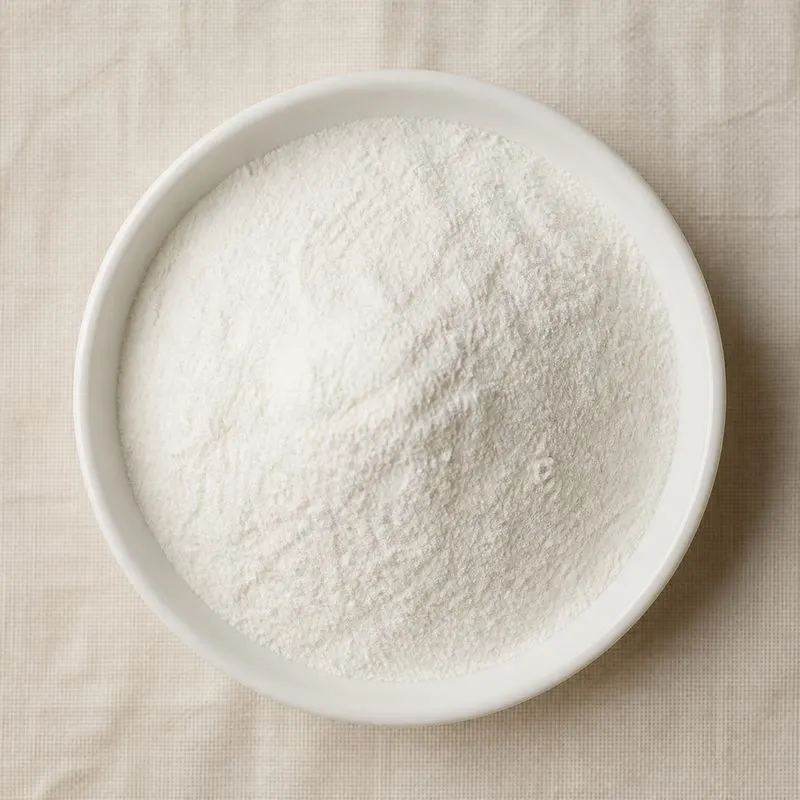
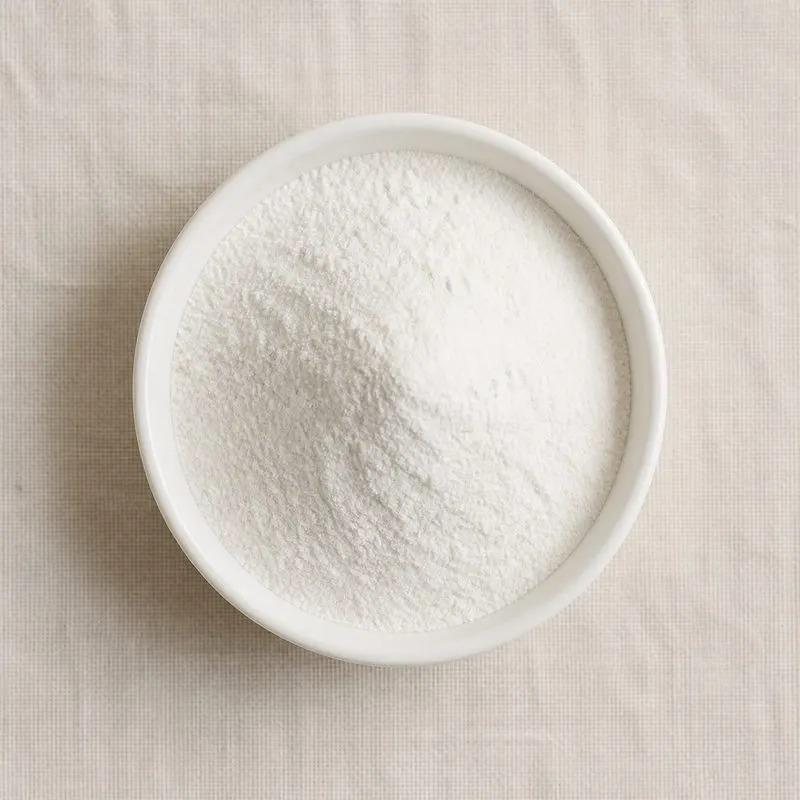
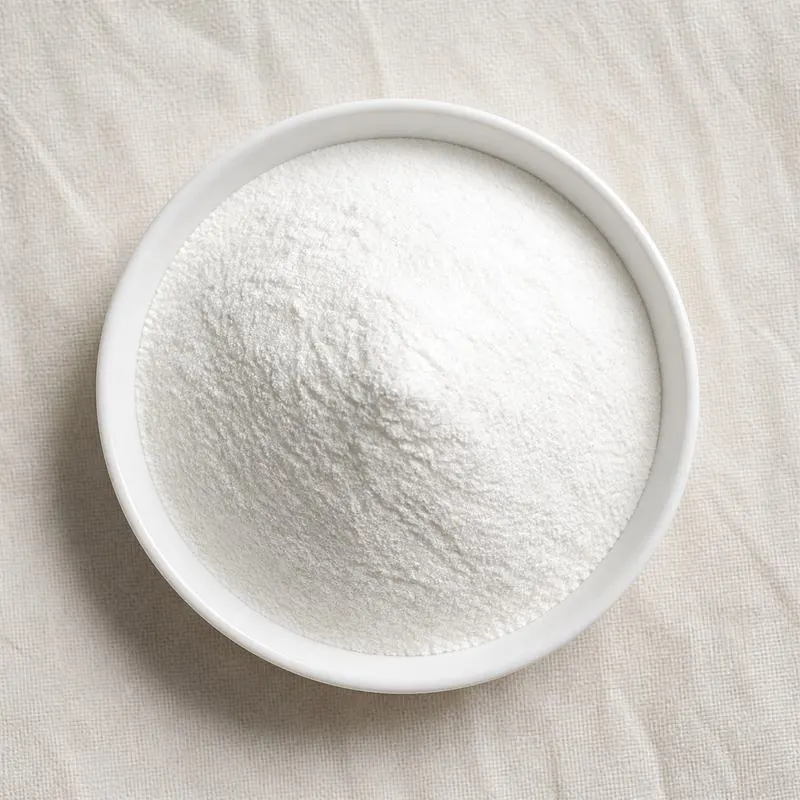
It comes as pale yellow to golden flakes, coarse granules or fine powder, with a moisture content of about 4 to 6 percent. The material is hygroscopic and cakes when it takes up water, so it is packed in moisture barrier bags and stored dry. It disperses rather than dissolves in water, leaving a suspension, and it tolerates cooking temperatures well, though prolonged high heat browns it and pushes the flavour toward bitterness.
We source bulk Nutritional Yeast from top China manufacturers for our partners. The manufacturer is in Hubei. A smaller requirement can ship in a combined container with other ingredients.
Please send the grade you need, the volume and your destination port, and we will come back with a solution and a price.
or call +86-21-6858 0751
- Function
- Probiotic
Specifications
| Item | Specification |
|---|---|
| Appearance | Pale yellow to golden flakes, granules or powder |
| Odour and Taste | Characteristic savoury, cheesy and nutty |
| Protein, N x 6.25, dry basis | ≥ 45.0% |
| Moisture | ≤ 6.0% |
| Ash | ≤ 8.0% |
| Fat | ≤ 6.0% |
| pH, 10% suspension | 5.0 to 6.5 |
| Particle Size | Per grade, flake, granule or 100 mesh powder |
| Viable Yeast Cells | Absent, fully deactivated |
| Lead | ≤ 1.0 mg/kg |
| Arsenic | ≤ 1.0 mg/kg |
| Total Plate Count | ≤ 10,000 CFU/g |
| Yeast and Mould | ≤ 100 CFU/g |
| E. coli | Absent in 1 g |
| Salmonella | Absent in 25 g |
Common Markets Grades
Two commercial distinctions matter. The first is fortification: unfortified nutritional yeast carries only the vitamins the cell produces during growth, while fortified grades have B vitamins added and blended in after drying, most often thiamine, riboflavin, niacin, pyridoxine, folic acid and cyanocobalamin. Saccharomyces cerevisiae does not itself synthesise vitamin B12. The second is physical form: large flakes for direct table use and sprinkling, mini flakes and granules for dry blending, and milled powder for sauces, seasonings and extruded snack coatings.
Protein content is the usual assay basis and is typically declared at a minimum of 45 or 50 percent on the dry basis. Non-GMO, gluten free, kosher, halal and vegan documentation is standard, and a certified organic grade grown on organic substrate is traded at a premium. A separate low sodium or low ash specification is offered where the finished food carries a sodium claim.
Applications
- Vegan cheese sauces and plant based cheese analogues, where its cheesy umami character stands in for dairy notes
- Table condiment sold in flake form, sprinkled onto popcorn, pasta and salads
- Savoury snack seasonings for crisps and extruded snacks, giving a cheese impression without dairy
- Plant based meat analogues, where it adds savoury depth to bland vegetable protein bases
- Soup, gravy and bouillon powders, contributing both umami and protein to the dry blend
- Vegan and vegetarian supplements marketed on their B vitamin content, using the fortified grade
- Sauces and dressings, where the milled powder thickens slightly as well as flavouring
- Bakery savoury applications such as crackers and breadsticks, giving a baked cheese note
- Pet food palatants, where yeast savoury notes drive intake
Brands Using Nutritional Yeast
Widely-distributed consumer products that list Nutritional Yeast on the ingredient label.
- BulkSupplementsNutritional Yeast Flakes ↗Deactivated nutritional yeast sold as flakes for sprinkling on food as a savoury seasoning.Label verified 2026-08-31
- BulkSupplementsOrganic Nutritional Yeast Powder ↗The powdered form of the same organic nutritional yeast, sold as a single ingredient.Label verified 2026-08-31
- SpiceologyNutritional Yeast Flakes ↗Inactive yeast flakes whose ingredient list reads dried yeast plus added niacin, pyridoxine hydrochloride, thiamin, riboflavin, folic acid and cyanocobalamin.Label verified 2026-08-31
Brand names, product names and logos are the property of their owners. They appear here as published evidence that the ingredient is used, taken from the brand's own label or website. Their appearance is not an endorsement, and it does not mean the brand buys from us or from any manufacturer listed on this site.
China Manufacturers of Nutritional Yeast
Top Nutritional Yeast manufacturers in China.
Company names and logos are the property of the manufacturers themselves. They are listed here because our own directory records them as producing this ingredient. A listing is not an endorsement by them, and we do not represent them or speak on their behalf.
Regulatory Status
In the United States dried Saccharomyces cerevisiae yeast is affirmed as generally recognised as safe for use in food, and the Food and Drug Administration maintains separate provisions covering dried yeast and yeast products as nutrient sources. Fortified grades must comply with the food labelling rules on added nutrients and with the nutrition labelling requirements for declared vitamin content, and the added vitamins themselves must be food grade substances permitted for that use.
In the European Union nutritional yeast is a food ingredient rather than a food additive, so it carries no E number, and it is placed on the market under the general food law with normal ingredient labelling. Where vitamins are added, the regulation on the addition of vitamins and minerals to foods governs the addition and specifies which chemical forms may be used and how they are declared. Codex has no commodity standard for nutritional yeast, so the general standards for food hygiene, contaminants and labelling apply, and JECFA has evaluated yeast derived preparations in the course of its work on yeast extracts.
Manufacturing Process
Production begins with a working culture of a selected Saccharomyces cerevisiae strain, expanded through seed stages into a large aerobic fermenter. The substrate is a sugar source, most often cane or beet molasses, sometimes glucose from starch hydrolysis, supplemented with an ammonium nitrogen source, phosphate and trace minerals. The fermentation is run fed batch with heavy aeration and controlled sugar feeding, the sugar deliberately kept limiting so the yeast respires and builds biomass rather than fermenting the substrate to ethanol.
At the end of the run the broth is separated by centrifugal separators into a cream, washed to remove residual medium, and heat treated to kill and deactivate the cells. The cream is then dried, either on a drum drier, which gives the characteristic flake, or by spray drying, which gives a powder. Dried material is milled and sieved to the specified particle size, blended with added vitamins where a fortified grade is being made, checked for protein and moisture, and packed in moisture barrier bags.