Nuts Flavour
Nut flavour is a compounded flavouring that reproduces the aroma and taste of roasted nuts, most often peanut, almond, walnut, hazelnut, cashew or sesame. It is a formulated blend of aroma chemicals, nut extracts and thermally processed reaction components rather than a single substance, and each nut type is a separate commercial profile.
The character of a roasted nut comes largely from the Maillard reaction between the free amino acids and reducing sugars in the kernel during roasting. Alkyl pyrazines give the toasted, earthy backbone, furans and pyrroles add sweetness and depth, and a handful of aldehydes and thiazoles supply the individual identity, with benzaldehyde defining almond and specific pyrazines defining peanut. Lipid oxidation products from the nut oil contribute the fatty roundness that separates a real nut note from a bare toasted one.
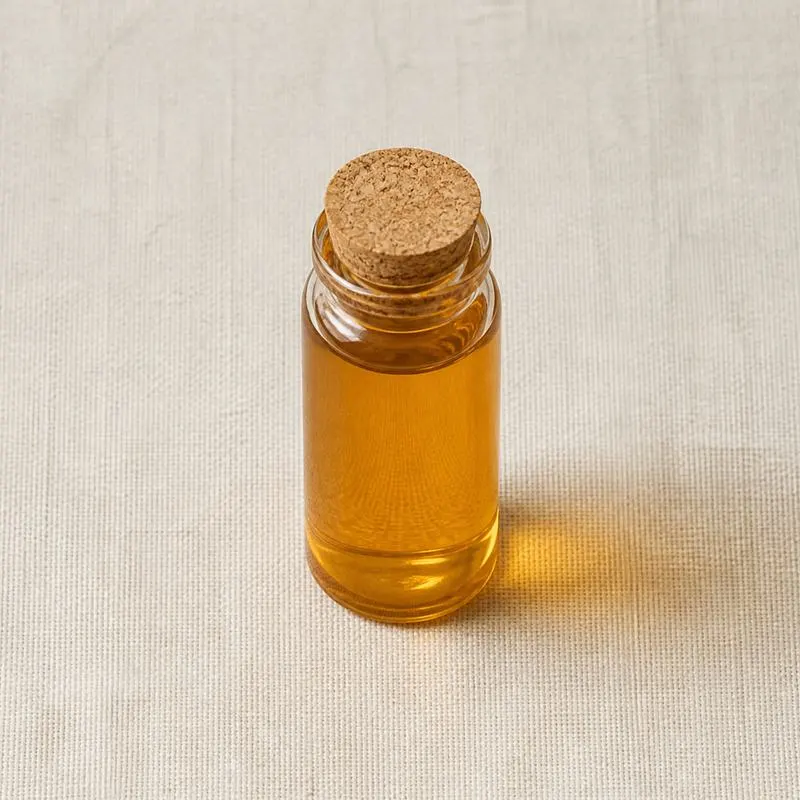
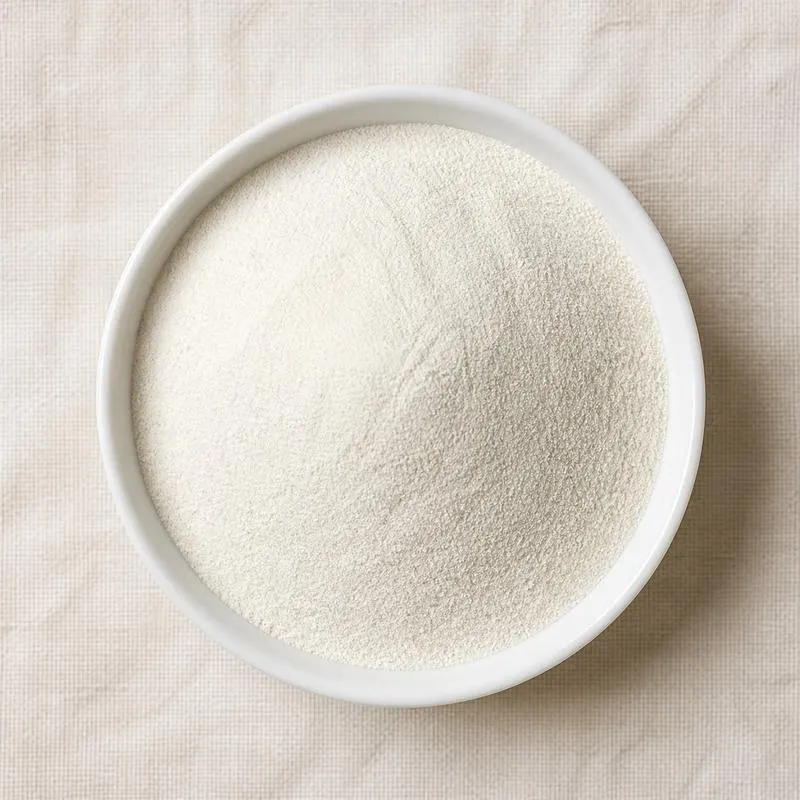
Trade material is an oil soluble liquid in a vegetable oil or triacetin carrier, a water soluble liquid in propylene glycol or ethanol, or a spray dried powder on maltodextrin and modified starch. The pyrazine fraction is heat stable, but the lighter top notes are volatile and oxidise, so the flavour is packed under nitrogen and, for baked applications, is often specified in an encapsulated form.
We source bulk Nuts Flavour from top China manufacturers for our partners. The manufacturer is in Guangdong. A smaller requirement can ship in a combined container with other ingredients.
Please send the grade you need, the volume and your destination port, and we will come back with a solution and a price.
or call +86-21-6858 0751
- Function
- Flavours and Aromas
Specifications
| Item | Specification |
|---|---|
| Appearance | Clear liquid or free flowing powder according to grade |
| Colour | Pale yellow to brown |
| Odour and flavour | Characteristic roasted nut, true to reference sample |
| Relative density at 25 degrees Celsius, liquid grade | 0.900 to 1.100 |
| Refractive index at 20 degrees Celsius, liquid grade | 1.4300 to 1.4900 |
| Moisture, powder grade | 5.0 percent maximum |
| Particle size, powder grade | 95 percent through 40 mesh |
| Acid value | 3.0 mg KOH/g maximum |
| Peroxide value, oil based grade | 5.0 meq/kg maximum |
| Lead | 1.0 mg/kg maximum |
| Arsenic | 0.5 mg/kg maximum |
| Total plate count | 1,000 cfu/g maximum |
| Yeast and mould | 50 cfu/g maximum |
| Salmonella | Absent in 25 g |
Common Markets Grades
Grades are defined first by nut profile and second by physical form. Peanut, almond, walnut, hazelnut, cashew, pistachio and sesame are the common types, each usually available in a raw or fresh version and a roasted or fried version, with the roasted variants carrying much more pyrazine character.
Physical form splits oil soluble liquids for fat phases and fried products, water soluble liquids for beverages and syrups, emulsions for cloudy drinks, and spray dried or encapsulated powders for dry blends and bakery premixes. Strength is expressed as a recommended dose rate rather than as an assay. Labelling status separates natural flavour grades, built only from extracts and natural aroma chemicals, from nature identical and artificial grades that use synthesised materials. Because several nut types are major allergens, allergen free grades built without any nut derived component are a distinct and clearly separated line.
Applications
- Bakery products including biscuits, cakes and pastry fillings, where an encapsulated grade survives the oven
- Chocolate and compound coatings in praline, gianduja and nut bar directions
- Ice cream and frozen dessert, where the fat phase carries an oil soluble grade well
- Peanut butter and nut spreads, used to standardise roast level across batches
- Plant based milks and drinks in almond, hazelnut and walnut varieties
- Cereal, granola and snack bars, applied in a coating or binder syrup
- Coated and flavoured nuts, applied topically with the seasoning
- Confectionery including nougat, halva and filled sweets
- Savoury seasonings and sauces where a sesame or peanut note is the base, as in satay and sesame paste products
- Dairy beverages and yoghurts with a nut flavour claim
China Manufacturers of Nuts Flavour
Top Nuts Flavour manufacturers in China.
Company names and logos are the property of the manufacturers themselves. They are listed here because our own directory records them as producing this ingredient. A listing is not an endorsement by them, and we do not represent them or speak on their behalf.
Regulatory Status
In the United States nut flavours are compounded flavourings whose components hold FEMA GRAS status or appear as synthetic flavouring substances under 21 CFR 172.515 and as natural extractives under 21 CFR 182.20. The finished blend is labelled as natural flavour or artificial flavour according to its composition. Allergen labelling is the dominant control in this category, since peanuts and tree nuts are among the major food allergens that must be declared under the food allergen labelling requirements, and that obligation extends to any nut derived component of the flavour.
In the European Union the product is a mixture of flavouring substances, flavouring preparations and, where a reaction step is used, thermal process flavourings, all handled under Regulation (EC) No 1334/2008, which requires the discrete flavouring substances to appear on the Union list and sets the conditions a thermal process flavouring must meet. Flavourings carry no E number. Peanuts and named tree nuts are listed allergens under the food information regulation and must be declared regardless of the quantity used. The Joint FAO and WHO Expert Committee on Food Additives has evaluated the pyrazine and furan flavouring groups that make up much of this category.
Manufacturing Process
Two streams are combined. The reaction stream takes a protein hydrolysate, often from the defatted nut meal itself or from a vegetable protein, and cooks it with a reducing sugar such as xylose or glucose in a jacketed pressure reactor at controlled pH and temperature. This is the step that generates the pyrazines and pyrroles responsible for the roasted character, and the profile is steered by the choice of amino acid, the sugar, the pH and the residence time. Some producers instead roast the nut meal directly and recover the volatiles by distillation or by extraction with a fat.
The compounding stream weighs individual aroma chemicals and natural extracts against the formula and dissolves them in the chosen carrier at low temperature so the volatiles are not lost. The two are blended, held for a maturation period in some formulas, then filtered. Liquid grades are filled directly. Powder grades are emulsified with a carrier and an emulsifier, homogenised at high pressure, and spray dried in a co-current tower with a low outlet temperature, or plated onto a carrier where a simpler dry form is acceptable. Every batch is assessed by a trained panel against a retained reference before release.