Oat Oil
Oat oil is the lipid fraction recovered from the groats or bran of Avena sativa, a minor oil by industrial volume but distinctive in composition. Its fatty acid profile is unremarkable, dominated by linoleic and oleic acids with palmitic acid next, but the polar lipid content is unusually high: oats store a large share of their lipid as galactolipids, principally digalactosyldiacylglycerol, and as phospholipids, which is rare among cereal oils and gives the material natural emulsifying behaviour.
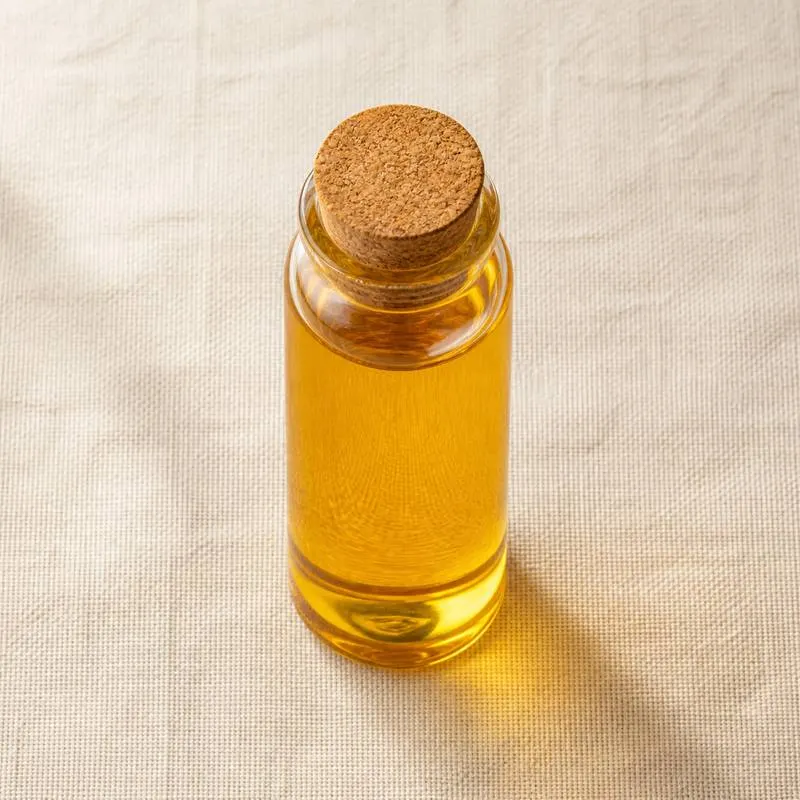
Alongside the glycerides the oil carries the unsaponifiable fraction that gives it much of its commercial value, including phytosterols, tocopherols and tocotrienols, and the alkaloid amides known as avenanthramides that are specific to oats. Crude oat oil is a viscous, dark amber liquid with a pronounced cereal aroma; refined grades are lighter and blander.
Because oat groats are rich in lipase, the enzyme must be inactivated by kilning before or during processing, otherwise free fatty acids rise quickly and the oil develops a soapy, rancid character. The finished oil is prone to oxidation given its polyunsaturated content, so it is packed under nitrogen and held cool and dark. It disperses in fat systems and, thanks to the polar lipids, partially self emulsifies in water.
We source bulk Oat Oil from top China manufacturers for our partners. The manufacturer is in Hebei. A smaller requirement can ship in a combined container with other ingredients.
Please send the grade you need, the volume and your destination port, and we will come back with a solution and a price.
or call +86-21-6858 0751

- Function
- Nutraceutical
Specifications
| Item | Specification |
|---|---|
| Appearance | Clear to slightly hazy viscous oil |
| Colour | Amber to dark amber for crude, pale yellow for refined |
| Odour | Characteristic cereal, free from rancid notes |
| Total Lipid Purity | Not less than 99.0 percent |
| Linoleic Acid | 34.0 to 45.0 percent of total fatty acids |
| Oleic Acid | 30.0 to 40.0 percent of total fatty acids |
| Polar Lipids | Not less than 5.0 percent for polar lipid grades |
| Free Fatty Acid, as oleic | Not more than 2.0 percent |
| Peroxide Value | Not more than 5.0 meq/kg |
| Moisture and Volatile Matter | Not more than 0.2 percent |
| Unsaponifiable Matter | Not more than 5.0 percent |
| Lead (Pb) | Not more than 0.1 mg/kg |
| Arsenic (As) | Not more than 0.1 mg/kg |
| Residual Solvent | Not more than 10 mg/kg, not detected in carbon dioxide extracted grades |
Common Markets Grades
Grades separate first by extraction route. Supercritical carbon dioxide extracted oil is free of solvent residues and is the grade normally specified for cosmetic and premium food use; hexane extracted oil is cheaper and higher yielding; cold pressed oil from naked oat kernels is a smaller, label friendly grade with the strongest cereal character. Ethanol extracted grades recover a higher share of the polar lipids and are sold specifically as polar lipid concentrates rather than as ordinary oil.
Refining then splits crude oil, retained where the full aroma and unsaponifiable fraction are wanted, from refined, bleached and deodorised oil for bland applications. Speciality grades are standardised on total polar lipids, on tocol content, or on avenanthramide content for cosmetic actives. Gluten free certification is a separate documented grade, since oats are frequently handled in facilities that also handle wheat, and organic supply chains are segregated throughout.
Applications
- Skin care emulsions and lotions, where the polar lipids act as a natural emulsifier and skin barrier lipid
- Baby and sensitive skin products, a long standing outlet for oat derived lipids
- Hair conditioning products, in leave-on and rinse-off formats
- Nutritional supplement oils and softgels, as a source of tocols and phytosterols
- Bakery, where the polar lipid fraction improves crumb softness and dough handling
- Oat based beverages and creamers, contributing mouthfeel and stability
- Confectionery and spreads, as a minor cereal flavoured lipid
- Carrier and delivery oil for oil soluble actives and flavours
- Feedstock for the isolation of avenanthramides and oat phospholipid concentrates
Brands Using Oat Oil
Widely-distributed consumer products that list Oat Oil on the ingredient label.
- AveenoDaily Moisturizing Body Oil Mist with Oat Oil ↗A body oil spray whose ingredient list includes Avena Sativa (Oat) Kernel Oil, named on the front of the pack as oat oil alongside jojoba oil.Label verified 2026-08-31
- The Inkey ListOat Cleansing Balm ↗A cleansing balm formulated at 5 percent oat kernel oil, which the product page names as the source of its ceramides and omega 3 and 6 fatty acids.Label verified 2026-08-31
- Rocky Mountain Soap Co.Scent Free Daily Oat Lotion ↗A body lotion whose ingredient list includes Avena Sativa (Oat) Kernel Oil among its plant oils.Label verified 2026-08-31
Brand names, product names and logos are the property of their owners. They appear here as published evidence that the ingredient is used, taken from the brand's own label or website. Their appearance is not an endorsement, and it does not mean the brand buys from us or from any manufacturer listed on this site.
China Manufacturers of Oat Oil
Top Oat Oil manufacturers in China.
Company names and logos are the property of the manufacturers themselves. They are listed here because our own directory records them as producing this ingredient. A listing is not an endorsement by them, and we do not represent them or speak on their behalf.
Regulatory Status
In the United States oat oil is a food ingredient derived from a conventional food and is used on that basis, with oat products long established in the food supply. Where the oil is used in a dietary supplement it falls under the dietary supplement framework and the good manufacturing practice rule at 21 CFR part 111; where it is used in a cosmetic it is subject to the cosmetic provisions of the Federal Food, Drug, and Cosmetic Act and to ingredient labelling requirements. Colloidal oatmeal, a related oat derived material, is separately recognised as an over the counter skin protectant active, but that status does not extend to oat oil itself.
In the European Union oat oil is a food covered by general food law, with pesticide residues controlled under Regulation (EC) No 396/2005 and contaminants, including mycotoxins relevant to cereals, under the contaminants framework. Cereals containing gluten, including oats, are listed allergens for labelling purposes, so gluten free status must be documented and supported by testing. Cosmetic use falls under Regulation (EC) No 1223/2009. Codex has adopted a standard for named vegetable oils and general standards for contaminants that apply to cereal derived oils.
Manufacturing Process
Oats are cleaned, dehulled and separated from the hulls, then kilned with steam and hot air to inactivate the lipase, which is the step that determines whether the oil will hold a low free fatty acid value. The kilned groats are either processed whole or flaked, or the bran fraction is separated by milling and sifting, since the bran carries a higher lipid concentration than the endosperm.
The prepared material is then extracted. Supercritical carbon dioxide extraction passes compressed carbon dioxide through the bed and releases the oil on decompression, giving a solvent free crude oil; ethanol or hexane extraction dissolves the lipids and the miscella is distilled to recover solvent; cold pressing uses a screw press with no solvent at all. Crude oil is filtered and, for refined grades, degummed, neutralised, bleached with activated clay and deodorised by steam stripping under vacuum, with each step trimmed to avoid stripping the tocols. Antioxidants are added, the oil is filled under nitrogen, and the spent meal is dried and sold as a feed or food ingredient.