Oatmeal
Oatmeal is the milled product of the oat groat, the dehulled kernel of Avena sativa, sold as rolled flakes, steel cut pieces or ground meal depending on how the groat is reduced. Unlike wheat and barley, oats are milled with the germ and bran retained, so oatmeal is a wholegrain product by default rather than by choice.
Its functional distinction among cereals is beta glucan, a soluble mixed linkage 1,3 and 1,4 glucan that makes up roughly 3 to 5 percent of the groat and is concentrated in the sub aleurone layer. Beta glucan is what gives cooked oatmeal its viscosity, and it is the fraction behind the authorised cholesterol claims that anchor the commercial position of the grain. Oats also carry a higher lipid content than other cereals at 5 to 9 percent, and a unique set of phenolic alkaloids, the avenanthramides.
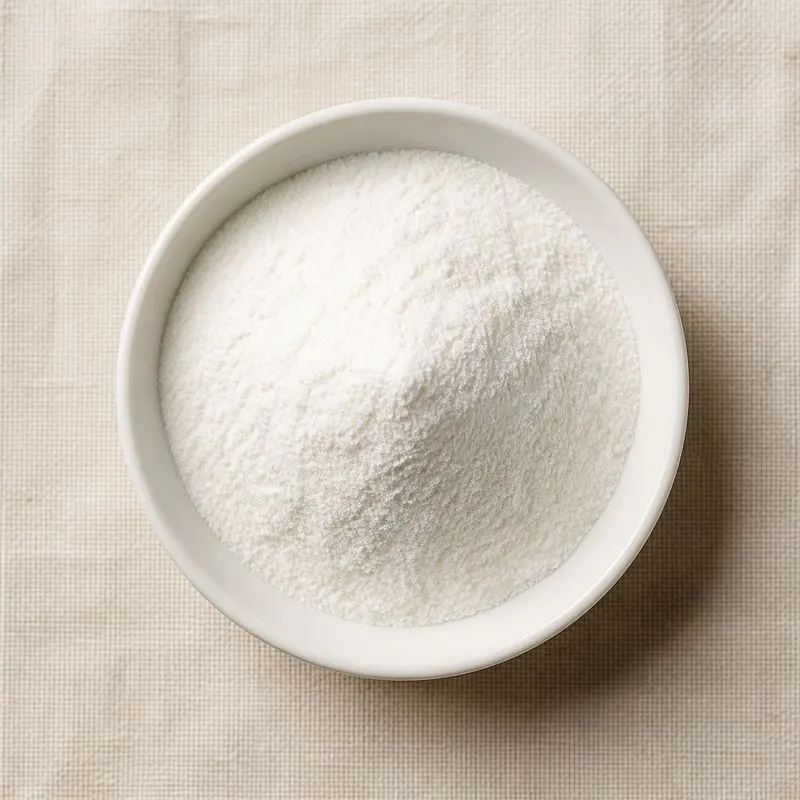
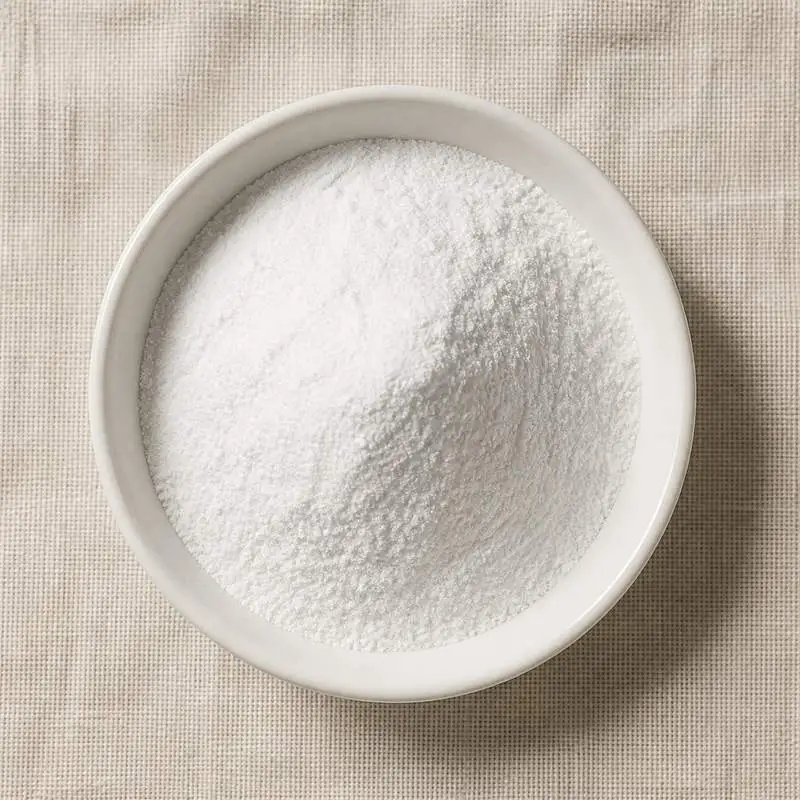
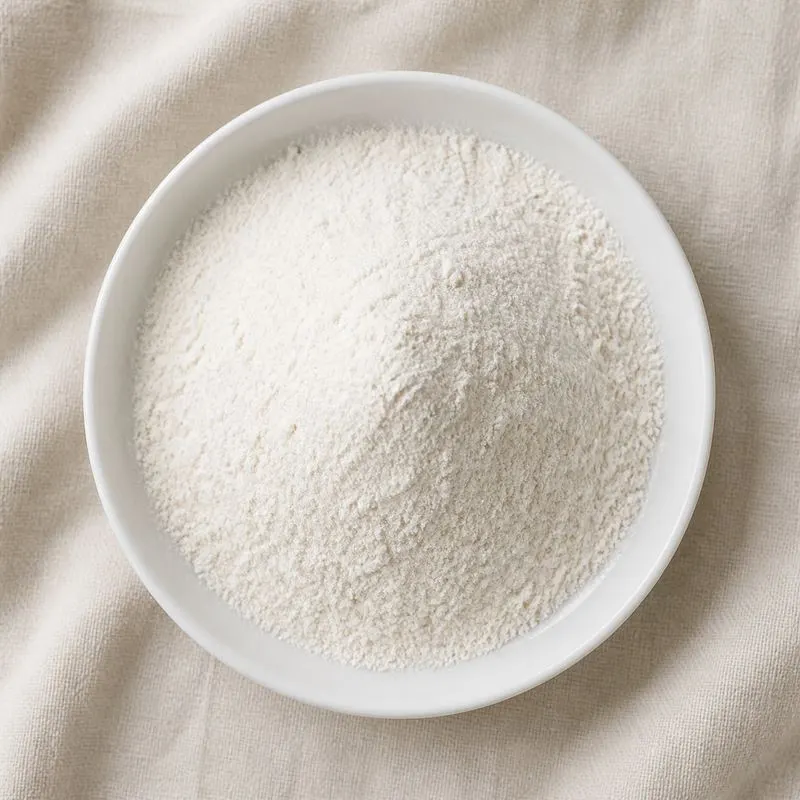
That lipid content creates the central processing problem. The intact groat contains active lipase, which releases free fatty acids and produces soapy rancidity within days of milling, so every commercial oat product is kilned or steamed to inactivate the enzyme before the groat is cut or flaked. The finished product is a cream to pale tan flake or meal with a characteristic toasted cereal aroma, insoluble in water but strongly water absorbing, swelling and gelatinising on cooking to a viscous paste.
We source bulk Oatmeal from top China manufacturers for our partners. The manufacturers are in Guangdong and Shandong. A smaller requirement can ship in a combined container with other ingredients.
Please send the grade you need, the volume and your destination port, and we will come back with a solution and a price.
or call +86-21-6858 0751
- Function
- Nutraceutical
Specifications
| Item | Specification |
|---|---|
| Appearance | Cream to pale tan flakes or meal, free of foreign matter |
| Odour and Taste | Characteristic toasted cereal, free of rancid or musty notes |
| Moisture | Not more than 11.0 percent |
| Beta Glucan | Not less than 3.5 percent |
| Crude Protein | Not less than 11.0 percent |
| Crude Fat | 5.0 to 9.0 percent |
| Total Dietary Fibre | Not less than 9.0 percent |
| Total Ash | Not more than 2.2 percent |
| Free Fatty Acid (as oleic) | Not more than 1.0 percent |
| Peroxidase Activity | Negative |
| Gluten (gluten free grade) | Less than 20 mg/kg |
| Deoxynivalenol | Not more than 750 micrograms per kg |
| Lead | Not more than 0.2 mg/kg |
| Total Plate Count | Not more than 50000 cfu/g |
| Yeast and Mould | Not more than 1000 cfu/g |
| E. coli | Absent in 1 g |
| Salmonella | Absent in 25 g |
Common Markets Grades
The trade grades by particle form first. Whole rolled oats are made by flaking the intact groat and give the longest cooking time and the most intact texture. Quick and instant oats are made from groats cut into two or three pieces before flaking, or rolled thinner, so water penetrates faster. Steel cut or pinhead oats are groats cut but not flaked. Oat flour and fine oatmeal are ground products graded by mesh, and oat bran is the fraction separated from the outer layers and is specified on a higher beta glucan figure than whole oatmeal.
Beyond form, lots are graded on beta glucan content, on moisture, and on gluten where a gluten free claim is being made. Oats do not contain gluten forming proteins, but they are routinely contaminated with wheat, barley and rye in the field and in shared handling, so gluten free oatmeal comes from a segregated purity protocol supply chain and is verified analytically on the finished lot. Organic certified material is widely traded. Colour, flake integrity and cooking viscosity are the sensory parameters buyers specify alongside the chemistry.
Applications
- Hot breakfast cereals in whole rolled, quick and instant formats, the largest outlet for the grain
- Instant oat sachets and cups, where thin rolled flakes hydrate in hot water without cooking
- Breakfast biscuits, flapjacks and oat bars, where flakes give structure and a visible wholegrain cue
- Muesli and granola, where whole flakes are the base into which fruit, nut and sweetener are bound
- Bakery, where oat flour partially replaces wheat flour and contributes moisture retention and shelf life
- Oat drinks and plant based milk, made by enzymatic hydrolysis of an oatmeal slurry followed by separation
- Meat products and vegetarian patties, where oatmeal acts as a binder and water holding filler
- Soups, sauces and instant porridge bases, where the beta glucan fraction thickens on hydration
- Infant and toddler cereals, since oat is among the first grains introduced in complementary feeding
- Colloidal oatmeal for skin care and bath preparations, a regulated over the counter use in some markets
Brands Using Oatmeal
Widely-distributed consumer products that list Oatmeal on the ingredient label.
- First Aid BeautyUltra Repair Face Lotion with Colloidal Oatmeal ↗Colloidal oatmeal is listed as the active skin protectant ingredient at 0.5 percent in this face lotion.Label verified 2026-08-31
- First Aid BeautyHydrating Sunscreen Milk with Colloidal Oatmeal Broad Spectrum SPF 45 ↗The sunscreen milk names colloidal oatmeal on the label as a soothing skin protectant alongside the UV filters.Label verified 2026-08-31
Brand names, product names and logos are the property of their owners. They appear here as published evidence that the ingredient is used, taken from the brand's own label or website. Their appearance is not an endorsement, and it does not mean the brand buys from us or from any manufacturer listed on this site.
China Manufacturers of Oatmeal
Top Oatmeal manufacturers in China.
- Jieyang Haoyu Food Co., Ltd.1 ingredient in the directory
- Qingdao Jinbanqiao Agriculture Technology Co., Ltd.1 ingredient in the directory
Company names and logos are the property of the manufacturers themselves. They are listed here because our own directory records them as producing this ingredient. A listing is not an endorsement by them, and we do not represent them or speak on their behalf.
Regulatory Status
Oatmeal is a food rather than an additive and carries no E number. In the United States it is a common food ingredient used under generally recognised as safe status. The Food and Drug Administration has authorised a health claim linking soluble fibre from whole oats to reduced risk of coronary heart disease, subject to a minimum beta glucan content per serving and to the food meeting the low saturated fat and low cholesterol criteria, and that claim is the commercial backbone of the category. Colloidal oatmeal is separately recognised as an over the counter skin protectant active ingredient. Oats are not one of the major allergens, but products carrying a gluten free claim must meet the gluten free labelling rule, which requires verification given the cross contact risk in the supply chain.
In the European Union oats are listed among the cereals containing gluten that require emphasis in the ingredient list, an allergen labelling requirement driven by cross contact and by the small proportion of coeliac patients who react to avenin. Oats may be included in gluten free products provided they are specially produced, prepared and processed to avoid contamination and the finished product meets the gluten threshold. Health claims relating oat beta glucan to maintenance of normal blood cholesterol and to reduction of post prandial glycaemic response have been authorised under the health claims regulation, subject to stated conditions of use. Codex maintains a standard for cereals and a standard for foods for special dietary use intended for people intolerant to gluten, both of which apply to the category.
Manufacturing Process
Oats arrive as harvested grain and are cleaned in a train of aspirators, sieves, destoners and disc or indented cylinder separators that remove straw, weed seed, other cereals and light foreign matter. Sizing follows, since dehulling works cleanly only on a uniform kernel. Dehulling is done on impact hullers that throw the oat against a rubber lined ring at speed, cracking the hull without breaking the groat, and the freed hulls are aspirated away and sold as fuel or feed.
Kilning is the step that defines oat quality. The groats are steamed and then dried in a kiln or on a heated bed, at a temperature and hold time chosen to inactivate lipase and peroxidase completely while developing the toasted flavour associated with the grain. Under processing leaves residual enzyme and a product that goes rancid; over processing dulls the flavour and damages the beta glucan. Kilned groats are cooled, then routed by product. Whole flakes are conditioned with steam to make them pliable and passed through flaking rolls set to the target thickness. Quick and instant grades are cut on granulators before flaking and are rolled thinner. Steel cut product is passed through cutting rolls without flaking. Flour is milled on roller or impact mills and sieved, and oat bran is separated by sifting and air classification of the milled stream. Finished product is cooled, screened, metal detected and packed, with moisture held low enough to keep the residual lipid stable through the shelf life.