Oat Peptide
Oat peptide is a protein hydrolysate produced by enzymatic digestion of oat protein, the storage protein fraction of Avena sativa recovered from oat groats or from the bran and starch side streams of oat milling and oat drink manufacture. The parent protein is dominated by the globulin avenalin, with a smaller prolamin fraction, and hydrolysis reduces those chains to short peptides of roughly two to twelve amino acid residues.
Functionally the material is a highly soluble plant protein source with none of the sedimentation and viscosity problems of intact oat protein, which is poorly soluble near its isoelectric point and tends to settle out of neutral beverages. The peptide mixture stays in solution across the normal food pH range including the acid range used for fruit flavoured drinks, resists heat coagulation through pasteurisation and retort, and carries a mild cereal flavour that is easier to formulate around than the beany note of soy or pea hydrolysates.
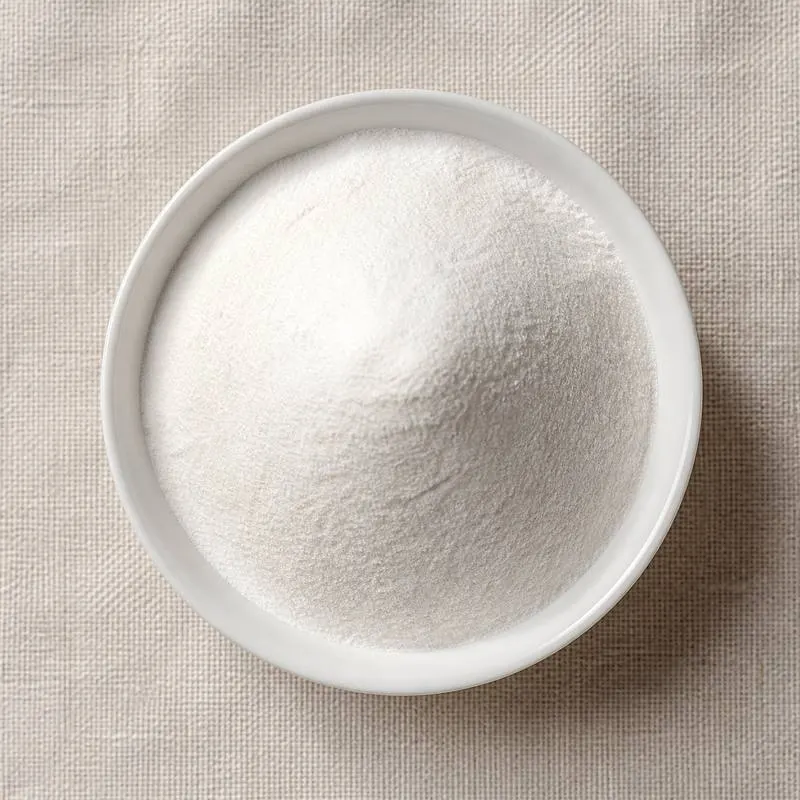
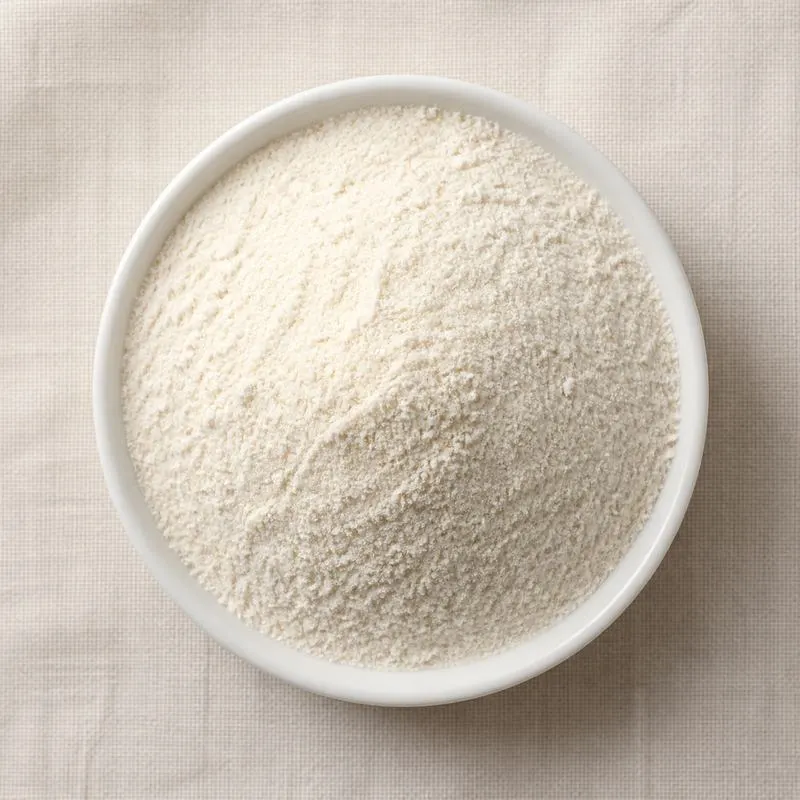
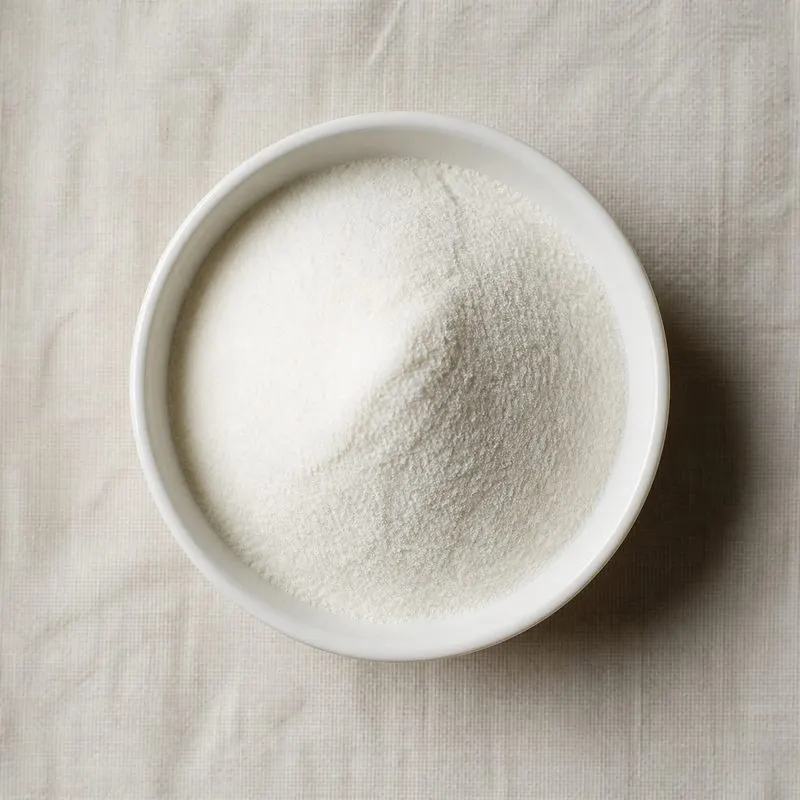
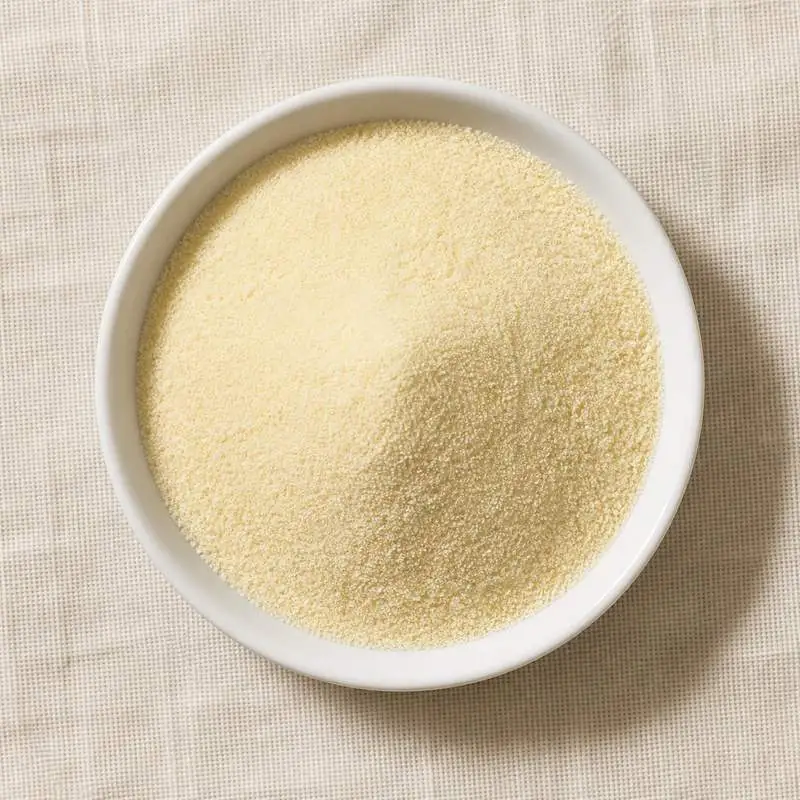
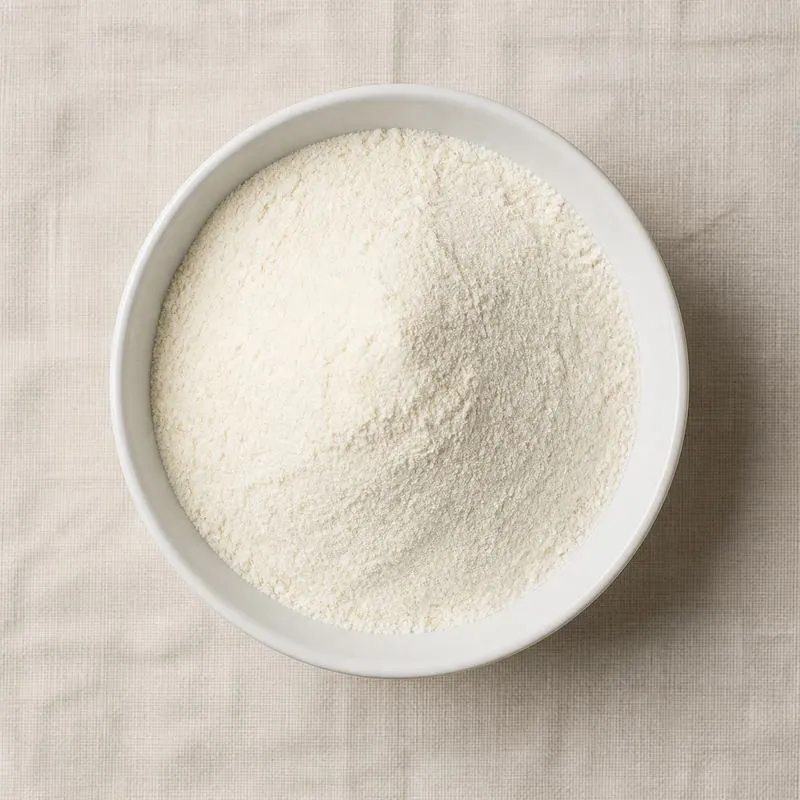
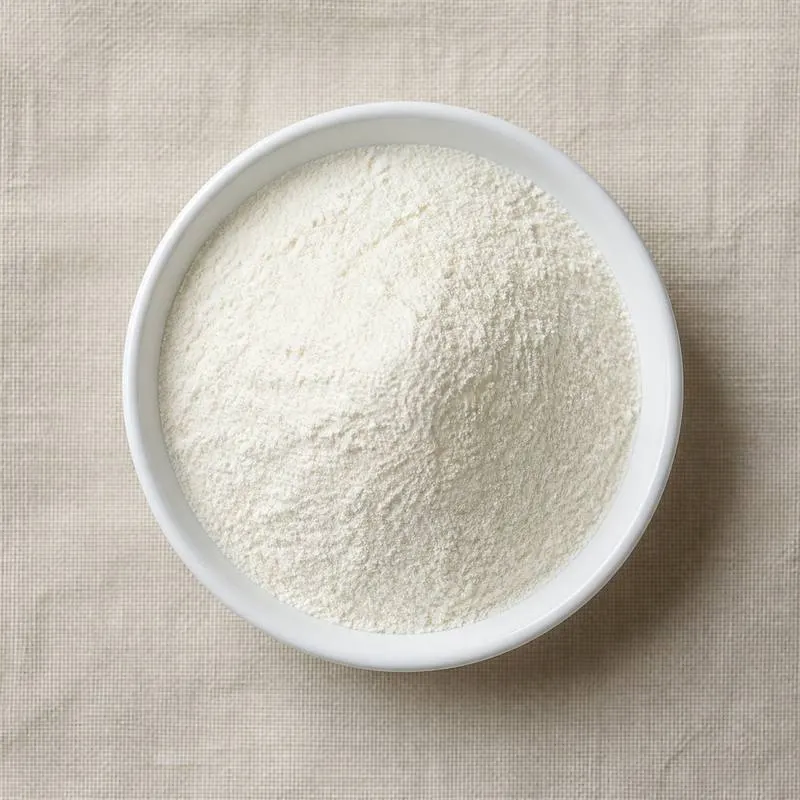
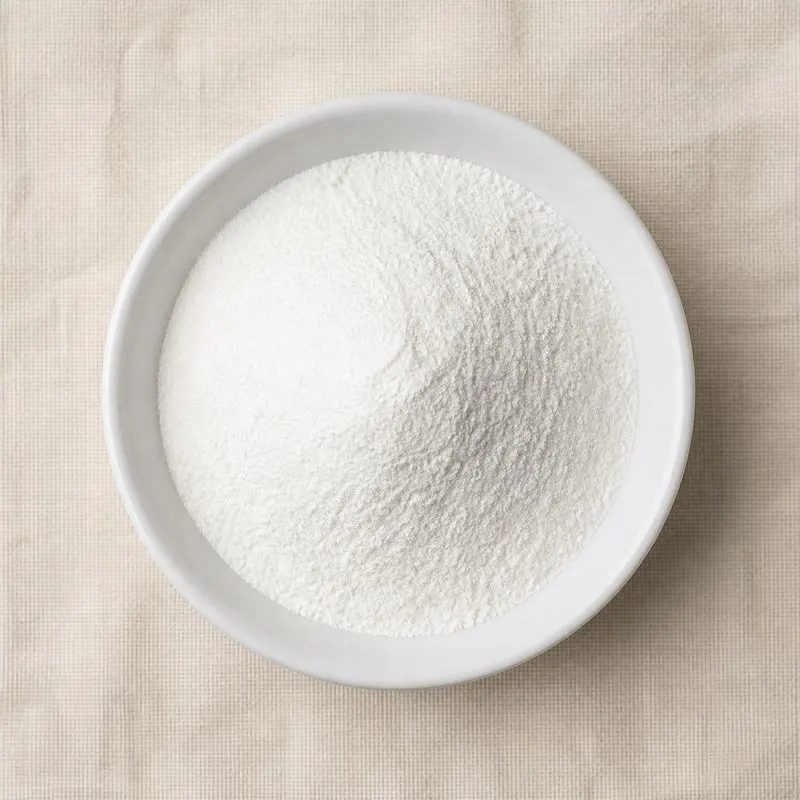
The powder is white to light beige, spray dried, free flowing and readily dispersible. The amino acid profile is reasonably balanced but limited in lysine, which is characteristic of cereal protein, so it is normally blended with a legume or dairy protein where the formulation is positioned on protein quality rather than on plant origin alone.
We source bulk Oat Peptide from top China manufacturers for our partners. The manufacturers are in Jiangsu and Shanxi. A smaller requirement can ship in a combined container with other ingredients.
Please send the grade you need, the volume and your destination port, and we will come back with a solution and a price.
or call +86-21-6858 0751
- Function
- Protein
Specifications
| Item | Specification |
|---|---|
| Appearance | White to light beige free flowing powder |
| Odour and Taste | Mild characteristic cereal odour, bland to slightly bitter |
| Protein (dry basis, N x 5.83) | Not less than 80.0 percent |
| Peptides below 1000 Daltons | Not less than 80.0 percent |
| Identification | Amino acid profile and molecular weight distribution conform to reference |
| Loss on Drying | Not more than 7.0 percent |
| Ash | Not more than 6.0 percent |
| Fat | Not more than 2.0 percent |
| pH (1 percent solution) | 6.0 to 7.5 |
| Solubility in Water | Not less than 98.0 percent |
| Gluten (gluten free grade) | Not more than 20 mg/kg |
| Lead | Not more than 0.5 mg/kg |
| Arsenic | Not more than 0.5 mg/kg |
| Heavy Metals (as Pb) | Not more than 10 mg/kg |
| Total Plate Count | Not more than 10000 cfu/g |
| Yeast and Mould | Not more than 100 cfu/g |
| E. coli | Negative in 1 g |
| Salmonella | Negative in 25 g |
Common Markets Grades
The main grade distinction is protein content, which follows how far the starting material was purified before hydrolysis. Material hydrolysed from oat protein concentrate runs at around 70 to 80 percent protein on a dry basis and carries residual starch, beta glucan and fibre. Material hydrolysed from oat protein isolate reaches 85 to 90 percent and is used where the peptide load has to be high and the carbohydrate contribution low.
Molecular weight distribution is the second specification. General grades declare peptides below 1000 daltons at around 75 to 80 percent, while grades sold specifically on absorption claims tighten that to 85 or 90 percent and are produced with a longer exopeptidase stage. Decoloured and deodorised versions are offered for clear beverage use, and gluten free certified grades are traded separately at a premium because oats are commonly handled on equipment shared with wheat and barley. Some suppliers also offer a co dried peptide and beta glucan grade, where the soluble fibre is deliberately retained rather than removed.
Applications
- Plant protein beverages and oat drinks, where the peptides raise protein content without causing sedimentation
- Clear acidic sports drinks, where intact plant protein would precipitate at low pH
- Vegan protein powders and meal replacements, blended with pea or rice protein to correct the lysine limitation
- Nutrition bars, where hydrolysed protein reduces the hardening that intact protein causes over shelf life
- Clinical and enteral nutrition formulas requiring a plant protein source of low allergenic profile
- Infant and toddler cereal products, as a protein enrichment that does not thicken the reconstituted porridge
- Bakery applications, where the peptides contribute to crust colour through Maillard browning
- Skin care and hair care formulations, as a film forming and moisture binding cereal protein derivative
- Fermentation media and culture nutrients, as a plant based nitrogen source free of animal origin
China Manufacturers of Oat Peptide
Top Oat Peptide manufacturers in China.
 Jiangsu Seamild Food Co., Ltd.3 ingredients in the directory
- Shanxi Native Peptide Technology Co., Ltd.5 ingredients in the directory
Company names and logos are the property of the manufacturers themselves. They are listed here because our own directory records them as producing this ingredient. A listing is not an endorsement by them, and we do not represent them or speak on their behalf.
Regulatory Status
In the United States oat protein and its enzymatic hydrolysates count as conventional food ingredients derived from a common cereal grain, sold on the basis of generally recognised as safe status that the manufacturer establishes rather than under a food additive regulation. The practical regulatory issue for the category is gluten labelling: oats are not a gluten containing grain but are routinely cross contacted with wheat, rye and barley in the field and in milling, so a gluten free claim requires segregated sourcing and testing against the twenty parts per million threshold set by the agency.
In the European Union oat protein hydrolysate produced by conventional enzymatic treatment of a food grain is regarded as a food rather than a novel food. Oats are named in the food information regulation among the cereals containing gluten that must be declared in the ingredient list, and the gluten free rules for oat containing products apply. The material is not a food additive and holds no E number. Codex has no specification for oat peptide as such, and the applicable references are the Codex standard for cereals and the general standard for contaminants, which sets the heavy metal expectations for cereal derived ingredients.
Manufacturing Process
Production starts from an oat protein rich fraction rather than whole groats, because oat protein sits alongside a large amount of starch and beta glucan that would otherwise dominate the finished powder. Dehulled groats or oat bran are milled and either wet processed, where the starch is separated by decanting and the protein is precipitated at its isoelectric point of about pH 4.5 after alkaline extraction, or air classified dry to concentrate the protein. The concentrate is often defatted with a food grade solvent or by supercritical carbon dioxide, since oat carries more lipid than most cereals and residual oil oxidises to a rancid note.
The protein concentrate is slurried in water, the pH and temperature are set for the enzyme system, and hydrolysis is run with a food grade alkaline endoprotease to open the chains, followed by an exopeptidase stage to cut back the bitter hydrophobic peptides. The enzymes are inactivated by heating, the slurry is centrifuged and filtered to remove undigested residue and fibre, and the clarified liquor is passed through ultrafiltration to hold back high molecular weight material. The permeate is concentrated by nanofiltration and vacuum evaporation, treated with activated carbon where decolourisation is required, then spray dried, sieved and packed.