Oat Bran
Oat bran is the fibre rich outer fraction of the oat groat, separated by roller milling and sieving so that the aleurone and subaleurone layers, together with a controlled amount of adhering endosperm, are recovered as a distinct stream. It is a milled cereal fraction, not a purified additive, and retains the protein, lipid and minerals native to that part of the kernel.
Typical composition is 15 to 25 percent total dietary fibre, of which roughly a third is the soluble mixed linkage beta glucan that gives oat bran its viscosity, alongside 15 to 20 percent protein and 6 to 9 percent oil. The high lipid content and the native lipase in the tissue make thermal stabilisation part of normal manufacture, since untreated bran develops rancid and bitter notes within weeks.
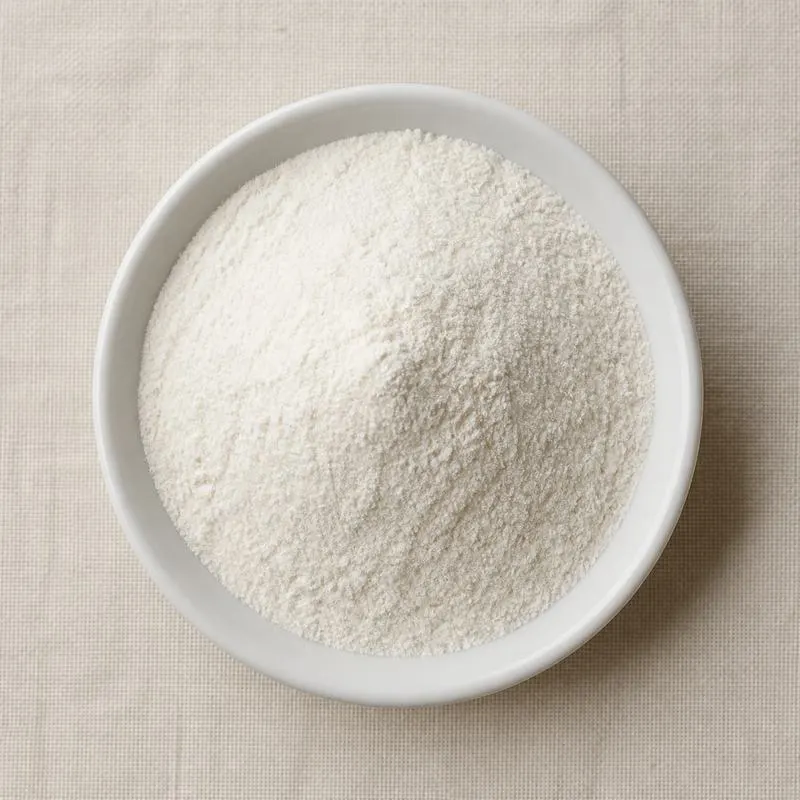
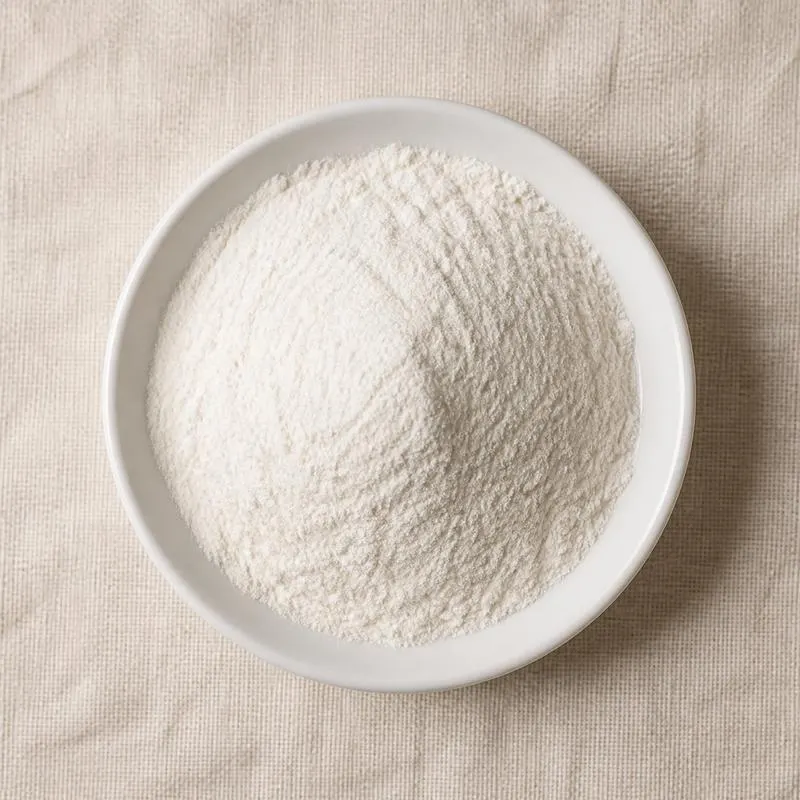
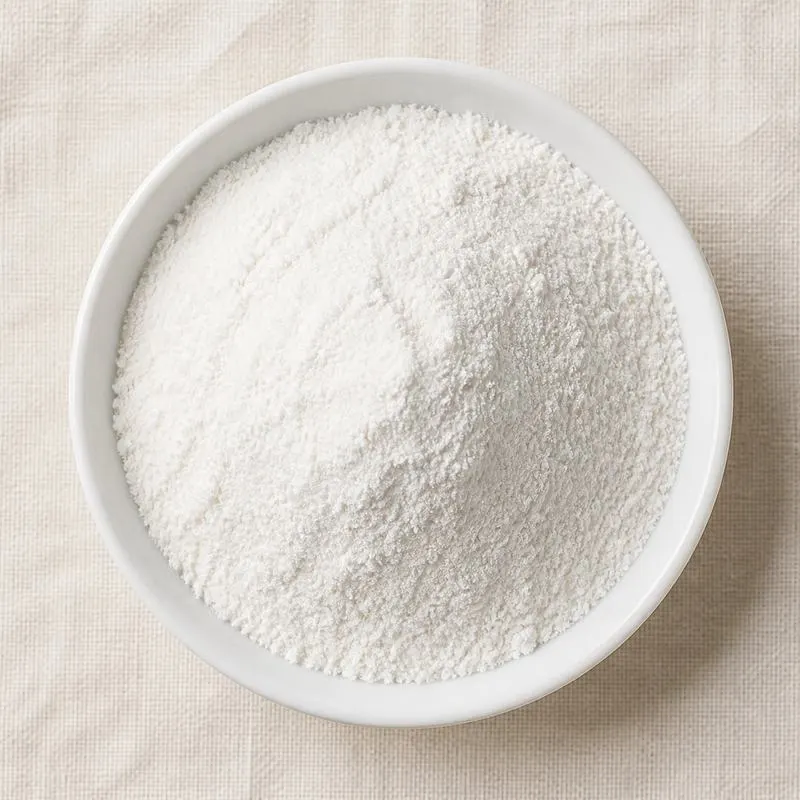
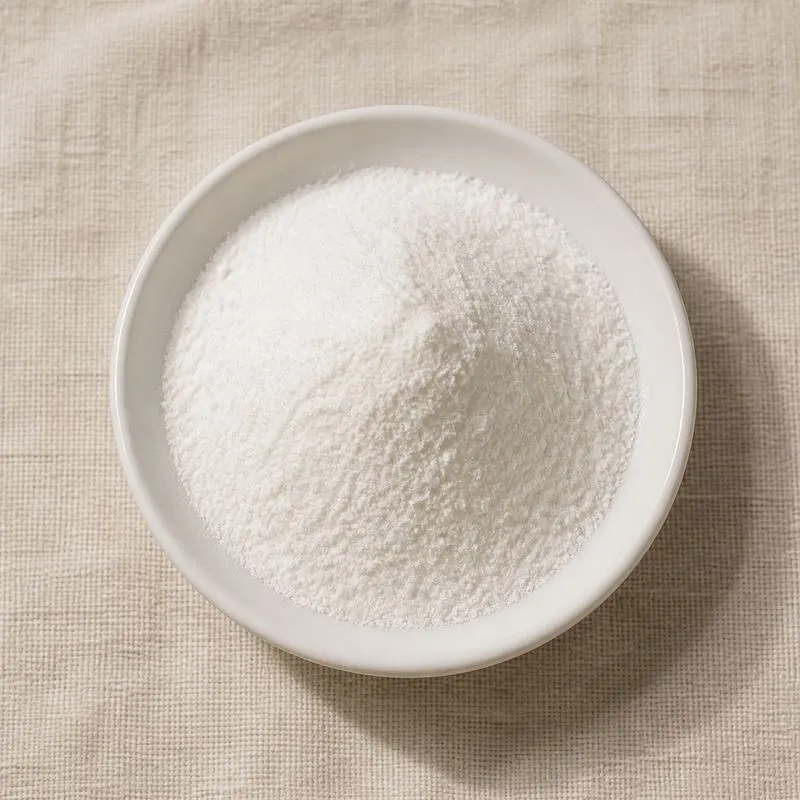
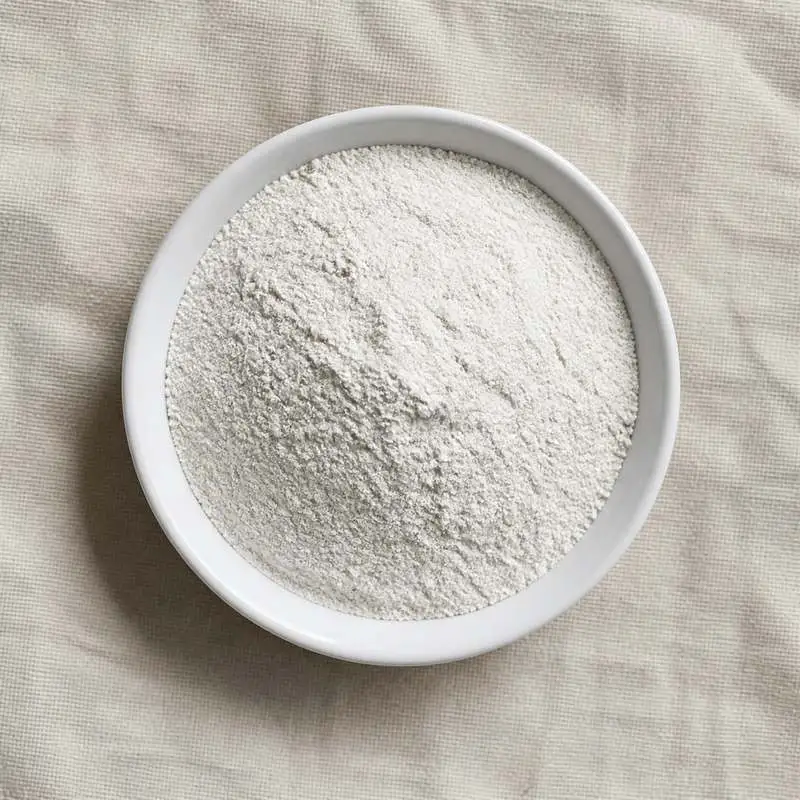
The material is a tan flake, coarse meal or fine flour, depending on the milling cut. It does not dissolve, but it hydrates and swells, holding three to five times its weight in water and releasing beta glucan into the surrounding phase where it raises viscosity. Colour darkens slightly on baking and the characteristic cereal flavour carries through into the finished product.
We source bulk Oat Bran from top China manufacturers for our partners. The manufacturer is in Hebei. A smaller requirement can ship in a combined container with other ingredients.
Please send the grade you need, the volume and your destination port, and we will come back with a solution and a price.
or call +86-21-6858 0751
- Function
- Dietary Fibres
Specifications
| Item | Specification |
|---|---|
| Appearance | Light tan to brown flake or meal, free flowing |
| Odour and taste | Clean toasted cereal, free from rancid notes |
| Beta glucan, dry basis | 5.5% minimum |
| Total dietary fibre | 16.0% minimum |
| Protein, dry basis | 15.0% minimum |
| Fat | 6.0% to 10.0% |
| Moisture | 11.0% maximum |
| Ash | 4.0% maximum |
| Particle size | 90% through 30 mesh |
| Lead | 0.2 mg/kg maximum |
| Arsenic | 0.2 mg/kg maximum |
| Total plate count | 50,000 cfu/g maximum |
| Yeast and mould | 500 cfu/g maximum |
| E. coli and Salmonella | Absent in 25 g |
Common Markets Grades
Grades are distinguished first by beta glucan content and then by particle size. Standard milled bran sits near 5 percent beta glucan, while enriched fractions produced by additional sieving or air classification reach 8 to 22 percent and are sold where a claim level must be met without a large addition. Above that range the material is normally traded as a beta glucan concentrate rather than as bran.
Particle size is offered as coarse flakes for visible inclusion in cereals and toppings, medium meal for muffins and bars, and fine flour for beverages and doughs where texture must stay smooth. Stabilised bran, steam or kiln treated to deactivate lipase, is the default for retail and long shelf life work; unstabilised bran is traded for immediate industrial use. Organic and gluten free certified lines, the latter milled on dedicated equipment and tested for gluten cross contact, are produced alongside conventional food grade and a lower specification feed grade.
Applications
- Hot cereals and instant porridge, as the base ingredient supplying both texture and beta glucan
- Extruded and flaked breakfast cereals, where bran is blended into the mix before cooking to raise fibre
- Bread and rolls, where it contributes water binding, a firmer crumb and a visible wholegrain speckle
- Muffins, cookies and other sweet bakery, where the coarse fraction gives a cereal texture and reduces perceived sweetness
- Cereal bars and granola, as an inclusion that binds syrup and adds body
- Meat patties and reformed products, as a binder that holds water and fat during cooking
- Yoghurt and dairy desserts, where fine bran adds fibre and a mild cereal note
- Oat based drinks, where bran is one of the substrates for enzymatic liquefaction
- Infant and toddler cereals, where fine milled stabilised bran carries fibre into a low intensity flavour system
- Companion animal and livestock feed, as a digestible fibre and energy source from off specification fractions
Brands Using Oat Bran
Widely-distributed consumer products that list Oat Bran on the ingredient label.
- Bob's Red MillOat Bran Cereal ↗A hot cereal made from oat bran, also sold for use in muffins and other baked goods.Label verified 2026-08-31
- QuakerQuaker Oat Bran Cereal Hot ↗A hot cereal built on oat bran, with the page citing 3 g of soluble fibre from oat bran per serving.Label verified 2026-08-31
Brand names, product names and logos are the property of their owners. They appear here as published evidence that the ingredient is used, taken from the brand's own label or website. Their appearance is not an endorsement, and it does not mean the brand buys from us or from any manufacturer listed on this site.
China Manufacturers of Oat Bran
Top Oat Bran manufacturers in China.
Company names and logos are the property of the manufacturers themselves. They are listed here because our own directory records them as producing this ingredient. A listing is not an endorsement by them, and we do not represent them or speak on their behalf.
Regulatory Status
Oat bran is a conventional food in the United States rather than a regulated additive. The Food and Drug Administration has defined its composition in the context of the soluble fibre health claim at 21 CFR 101.81, which sets minimum beta glucan and total dietary fibre levels for oat bran that qualifies as an eligible source. Its beta glucan fraction counts as dietary fibre for nutrition labelling. Bran sold as gluten free must satisfy the agency labelling rule for that term, which matters because oats are frequently handled alongside wheat.
In the European Union oat bran is a food ingredient governed by general food law, food hygiene and contaminants legislation rather than by the additives Regulation, and therefore has no E number. The authorised health claims for oat beta glucan and blood cholesterol, and for post prandial glycaemic response, may be used where the finished food delivers the specified quantity of beta glucan. Codex Alimentarius covers the raw grain through its standard for oats and recognises the beta glucan fraction within its general definition of dietary fibre.
Manufacturing Process
Incoming oats are cleaned over scalpers, aspirators and destoners, then graded and dehulled in impact hullers that throw the grain against a ring to crack the husk away from the groat. Hulls are aspirated off and diverted to the oat fibre or feed streams. The groats are kilned or steam treated at temperatures that inactivate lipase and peroxidase and develop the toasted flavour associated with oats; this step fixes the shelf life of everything made downstream.
Stabilised groats are steamed and flaked, or cut and roller milled, and the milled stock is sieved on a series of screens. The bran rich fraction held back on the screens is collected, while the finer endosperm rich fraction that passes through goes to oat flour. Further enrichment is achieved by regrinding and re-sieving, or by air classification, which separates on particle density and lifts beta glucan content. The selected fraction is ground to the ordered granulation, screened for foreign matter over magnets and sifters, and packed in multiwall paper sacks or bulk bags.