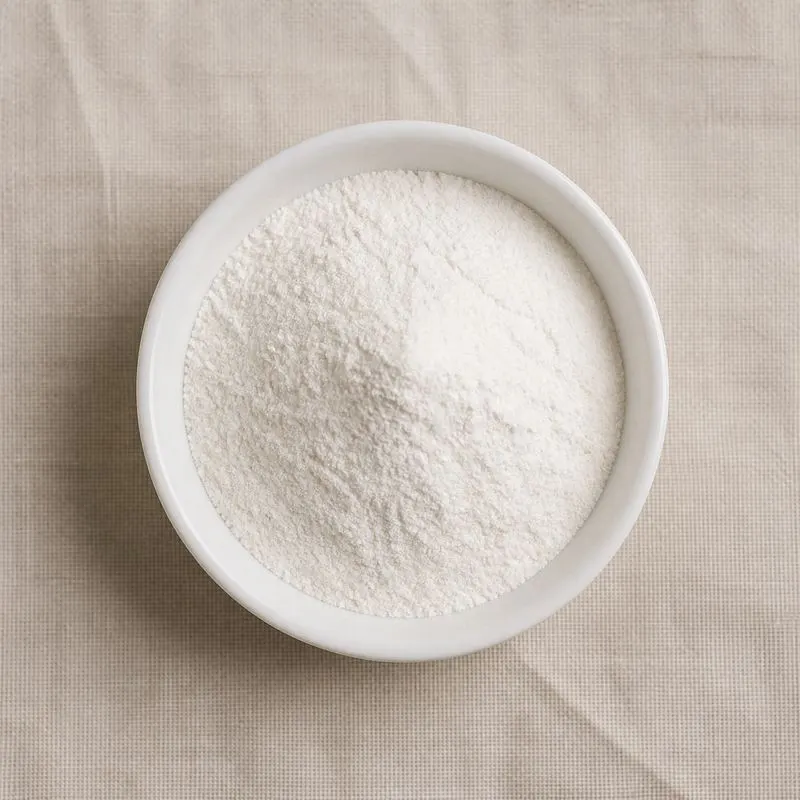
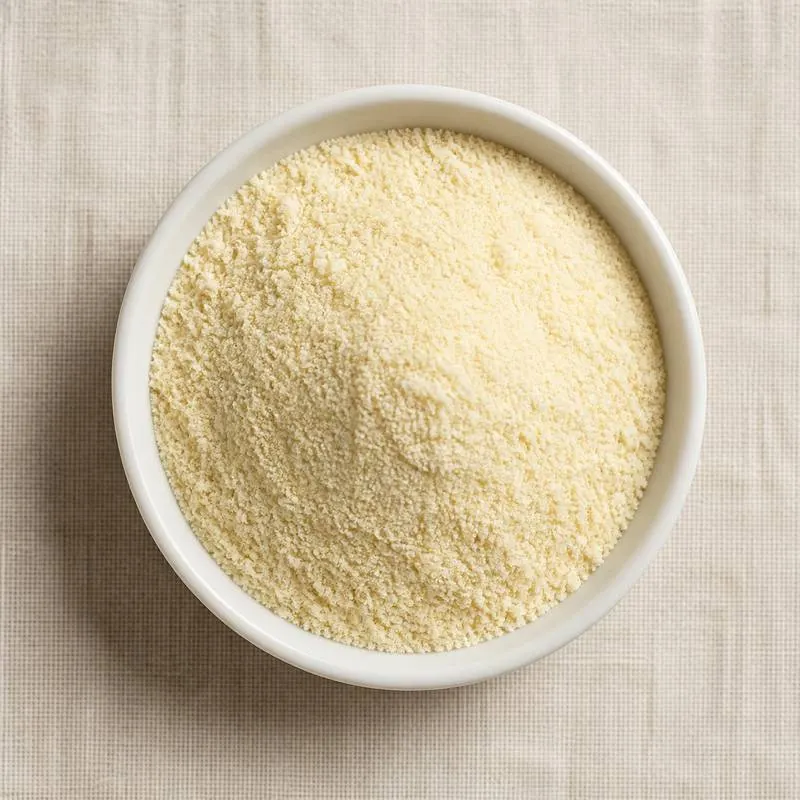
OPO
OPO is the trade name for 1,3-dioleoyl-2-palmitoyl-glycerol, a structured triglyceride in which palmitic acid is positioned at the central (sn-2) position of the glycerol backbone and oleic acid occupies the outer sn-1 and sn-3 positions.
The regiospecific structure mimics the dominant triglyceride species in human breast milk fat and is the premium structured lipid for second- and third-generation infant formula systems.
We source bulk OPO from top China manufacturers for our partners. The manufacturers are in Anhui and Sichuan. A smaller requirement can ship in a combined container with other ingredients.
Please send the grade you need, the volume and your destination port, and we will come back with a solution and a price.
or call +86-21-6858 0751
- Packaging
- 25 kg kraft paper bag with PE inner liner
- ISO 9001
- HACCP
- Halal
- Kosher
Specifications
| Item | Specification |
|---|---|
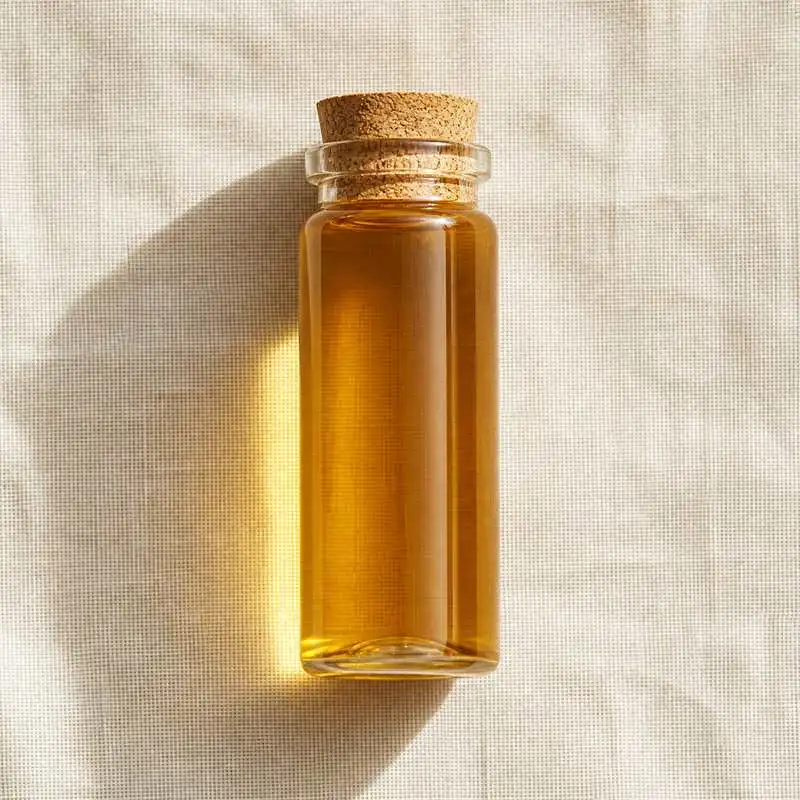
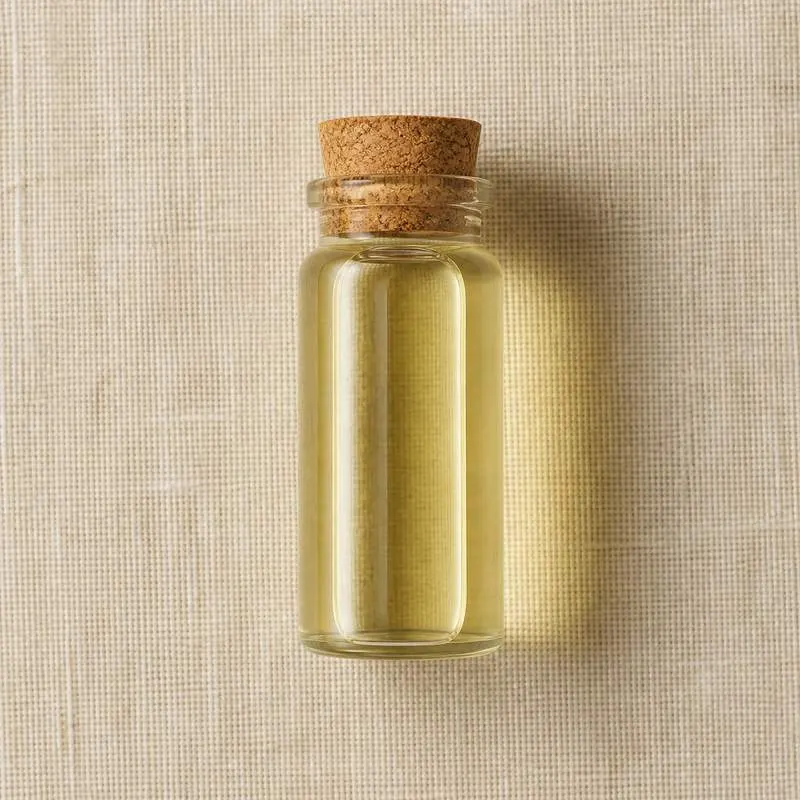
| Appearance | Clear pale yellow oily liquid, free from sediment |
| Odour and Taste | Bland and neutral, free from foreign odour |
| Total Fat | ≥ 99.0% |
| Palmitic Acid (C16:0) | 20.0-25.0% of total fatty acids |
| sn-2 Palmitic Acid | ≥ 40.0% of total palmitic acid (standard); 52.0-64.0% (premium) |
| OPO (1,3-dioleoyl-2-palmitoyl-glycerol) | ≥ 50.0% |
| Oleic Acid (C18:1) | ≥ 55.0% of total fatty acids |
| Free Fatty Acids (as oleic) | ≤ 0.25% |
| Acid Value | ≤ 0.5 mg KOH/g |
| Peroxide Value | ≤ 1.0 meq/kg |
| Moisture and Volatile Matter | ≤ 0.1% |
| Trans Fatty Acids | ≤ 1.0% of total fatty acids |
| Heavy Metals (as Pb) | ≤ 0.1 mg/kg |
| Total Plate Count | ≤ 1,000 cfu/g |
| Salmonella | Negative/25g |
Common Markets Grades
OPO is graded by the proportion of palmitic acid esterified at the sn-2 position rather than by total palmitic content.
Standard infant formula grade reports sn-2 palmitate content at 40 to 50 percent of total palmitic acid, representing a meaningful enrichment over the 10 to 15 percent seen in unmodified vegetable oil blends.
Premium grade reaches 52 to 64 percent sn-2 palmitate and is positioned for top-tier infant formula brands targeting the closest possible structural match to human milk fat.
The oil is typically sold as a clear pale-yellow liquid with a mild neutral odour and is available in conventional, organic-certified, and non-GMO variants depending on feedstock selection.
Documentation routinely includes positional fatty acid analysis by pancreatic lipase digestion or chiral HPLC to confirm the sn-2 palmitate specification.
Some producers offer companion analytical certificates covering melting profile, peroxide value, and trans-fat content for regulatory submission.
Applications
- Premium infant formula stage 1 and 2 for breast-milk-like fat structure
- Follow-on and growing-up milks targeting digestive comfort and mineral absorption
- Preterm and low-birth-weight specialty formula systems
- Hypoallergenic and partially hydrolysed protein infant formula bases
- Goat-milk and sheep-milk infant nutrition platforms
- Toddler nutrition powders and ready-to-drink formats
- Medical nutrition for paediatric digestive and absorption disorders
- Maternal and lactation supplements supporting breast milk fat composition
- Premium infant cereals and weaning foods
- Clinical research formulations comparing positional fatty acid bioavailability
Brands Using OPO
Widely-distributed consumer products that list OPO on the ingredient label.
- BiostimeHMO SN-2 PLUS Infant Formula (Stage 1) ↗Listed: 'Fluid skimmed milk, Lactose, 1,3-Dioleoyl 2-Palmitoyl Triglyceride, Whey protein concentrate...' (1,3-Dioleoyl-2-Palmitoyl Triglyceride = OPO).Label verified 2026-05-24
- Wyeth Nutrition (illuma)illuma LUXA HUMAN AFFINITY Formula ↗An infant formula containing OPO (oleic-palmitic-oleic) structured fat, or sn-2 palmitate, within its 'bioactive+ complex' modelled on human milk fat.Label verified 2026-05-24
- KabritaGoat Milk-Based Infant Formula ↗Listed: '...high 2-palmitic acid vegetable oil (palm oil)...', i.e., high sn-2 palmitate (OPO-style structured fat).Label verified 2026-05-24
Brand names, product names and logos are the property of their owners. They appear here as published evidence that the ingredient is used, taken from the brand's own label or website. Their appearance is not an endorsement, and it does not mean the brand buys from us or from any manufacturer listed on this site.
China Manufacturers of OPO
Top OPO manufacturers in China.
 ATK Biotech Co., Ltd.3 ingredients in the directory
 Skuny BioScience Co., Ltd.4 ingredients in the directory
Company names and logos are the property of the manufacturers themselves. They are listed here because our own directory records them as producing this ingredient. A listing is not an endorsement by them, and we do not represent them or speak on their behalf.
How We Help Source OPO
Direct Factory Sourcing
We run the whole process: selecting the manufacturer from the top Chinese food ingredient producers, negotiating the price, verifying quality, and coordinating the logistics. You deal with us instead of with several factories at once.
Original Packaging and Documents from the Manufacturer
The manufacturer sends your OPO out of its own factory in the original packing, through to your destination port. The COA, COO, MSDS, TDS and any certifications reach you from the manufacturer as well.
Free Samples and Lead Time
We send 100 to 500 g free for your own laboratory to test and you cover only the courier, usually within 2 to 3 working days. ETD is usually within 7 to 15 days once the order is confirmed, and we check that date against the factory's own manufacturing schedule before we give it to you.
Combined Shipment
We can load OPO together with other ingredients such as DHA, DHA Algal Oil and Mct into one 20' FCL. If your quantity is small, we can also ship LCL.
Regulatory Status
OPO is recognised as a permitted ingredient for infant formula in essentially all major jurisdictions.
In the European Union it falls under the infant formula compositional rules of Delegated Regulation (EU) 2016/127 and is covered by the general food enzyme and processing aid framework.
The U.S. Food and Drug Administration has accepted GRAS notifications for enzymatically interesterified structured triglycerides intended for infant formula use.
China's National Health Commission has authorised OPO-style structured lipids as a food nutritional fortifier for infant formula.
Codex Alimentarius standards for infant formula recognise structured fats as permitted ingredients subject to compositional and contaminant limits, and pharmacopoeial fat monographs may apply where the product is used in medical nutrition.
Manufacturing Process
OPO is produced by enzymatic interesterification using a sn-1,3 regiospecific lipase, most commonly an immobilized lipase from Rhizomucor miehei, Thermomyces lanuginosus, or Candida antarctica.
The starting materials are a palmitic-acid-rich source (typically tripalmitin from fully hydrogenated palm stearin, or a high-palmitic fraction of palm oil) and high-oleic sunflower or olive oil providing the oleic acid donor.
The reaction proceeds in a packed-bed enzyme reactor at 60 to 70 degrees Celsius under controlled water activity. The lipase selectively swaps the sn-1 and sn-3 fatty acids of the tripalmitin substrate with oleic acid from the donor, leaving the sn-2 palmitate intact.
The reaction mixture is then short-path distilled to remove liberated free fatty acids and unreacted substrates, and the crude OPO is purified by molecular distillation, bleached, and steam-deodorised.
Quality control includes pancreatic lipase positional analysis to confirm sn-2 palmitate enrichment, free fatty acid measurement, and trans-fat assessment.