Orange Vinegar
Orange vinegar is the vinegar obtained by the alcoholic and subsequent acetous fermentation of orange juice, and in some products by the acetification of a base vinegar in the presence of orange juice, peel or peel extract. Acetic acid remains the functional component at 4 to 6 percent in table strength material, but the reason for buying it is the citrus aroma, which no other vinegar supplies.
The character comes from two sources that behave differently. The juice contributes citric and malic acid, sugars and soluble solids that soften the sourness and give body, while the peel contributes limonene and other terpenes, aldehydes and esters that carry the recognisable orange top note. Those volatiles are fragile: they are lost during vigorous submerged acetification and again during pasteurisation, so producers who want a pronounced orange aroma either ferment gently or reintroduce a portion of aromatic juice or peel after acetification.
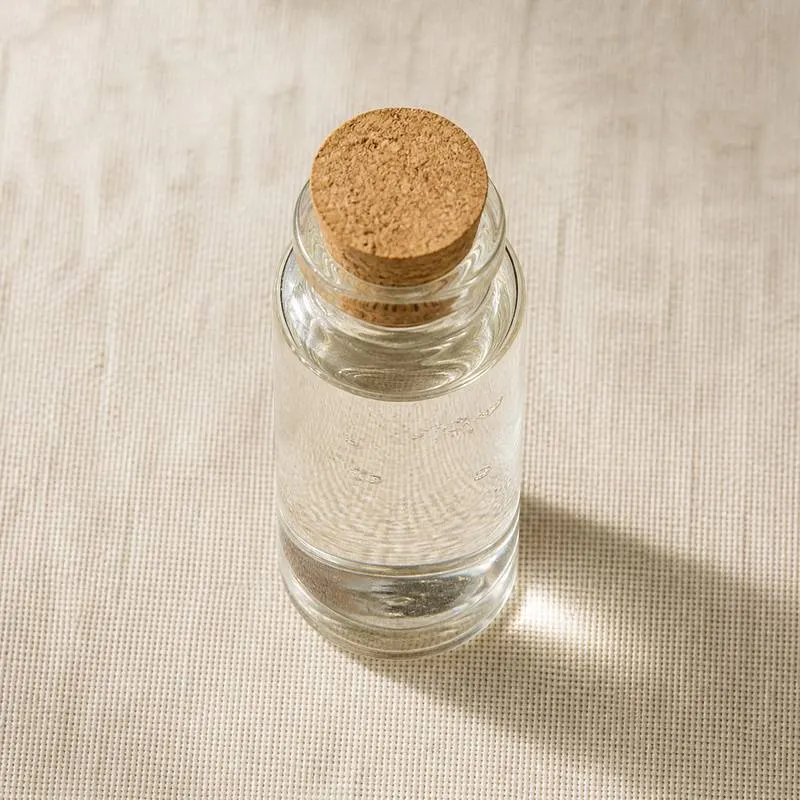
The liquid ranges from pale gold to light amber, is fully miscible with water, and has a pH generally between 2.8 and 3.6. A slight natural haze from residual pectin and citrus oil is normal in unfiltered grades. Because of the sugar and phenolic content it browns slowly over shelf life and darkens more quickly if held warm, so it is stored cool and away from light.
We source bulk Orange Vinegar from top China manufacturers for our partners. The manufacturer is in Guangdong. A smaller requirement can ship in a combined container with other ingredients.
Please send the grade you need, the volume and your destination port, and we will come back with a solution and a price.
or call +86-21-6858 0751

- Function
- Acidulant
Specifications
| Item | Specification |
|---|---|
| Appearance | Clear to lightly hazy liquid, free from foreign matter |
| Odour and Flavour | Characteristic orange and vinegar, free from off notes |
| Total Acidity as Acetic Acid | 5.0 percent minimum, table strength |
| pH | 2.8 to 3.6 |
| Residual Alcohol | Not more than 0.5 percent by volume |
| Total Soluble Solids | 2.0 to 7.0 degrees Brix |
| Specific Gravity, 20 degrees Celsius | 1.010 to 1.028 |
| Limonene | Present, characteristic of citrus origin |
| Sulphur Dioxide | Not more than 10 mg per kg |
| Lead | Not more than 0.5 mg per kg |
| Arsenic | Not more than 0.2 mg per kg |
| Total Plate Count | Not more than 100 cfu per mL, pasteurised grade |
| Yeast and Mould | Not more than 50 cfu per mL, pasteurised grade |
| Salmonella | Absent in 25 mL |
Common Markets Grades
Acidity is the first parameter, with table grades at 4 to 6 percent acetic acid and manufacturing material offered at 10 percent and above. Beyond that the market divides on whether the vinegar is fermented from orange juice throughout or is a base vinegar acetified or flavoured with orange, since the two command different prices and give quite different flavour. Honest naming of the two is the main compliance question in the category.
Residual sugar and total soluble solids are specified alongside acidity because they decide how the vinegar behaves in a dressing or a reduction. Colour and clarity are specified separately, with filtered and pasteurised material sold as bright and shelf stable and raw unfiltered material sold with the mother intact into the natural trade. Organic certification is common in this category. A spray dried powder on maltodextrin is produced for dry seasoning use, and blood orange and bitter orange variants are traded as distinct articles with their own colour and flavour specifications.
Applications
- Vinaigrettes and citrus dressings, where the orange aroma allows a lower oil ratio without the dressing tasting thin
- Marinades for pork, duck and poultry, combining tenderising acidity with a citrus note that survives roasting
- Ceviche and raw fish preparations, as an acid that cures the protein while contributing aroma
- Reduction glazes for roast meats and root vegetables, where residual sugar lets the vinegar reduce to a syrup
- Fruit and citrus preserves, marmalades and chutneys, as the acid that reinforces rather than competes with the fruit
- Drinking vinegars, shrubs and non-alcoholic aperitifs in the beverage trade
- Seafood and shellfish dressings, where a sharp acid with a citrus lift is wanted without adding fresh juice
- Industrial sauces and condiments, supplying acidity and citrus flavour in a single shelf stable addition
- Seasoning powders and snack coatings, using the spray dried grade for citrus and vinegar profiles
Brands Using Orange Vinegar
Widely-distributed consumer products that list Orange Vinegar on the ingredient label.
Brand names, product names and logos are the property of their owners. They appear here as published evidence that the ingredient is used, taken from the brand's own label or website. Their appearance is not an endorsement, and it does not mean the brand buys from us or from any manufacturer listed on this site.
China Manufacturers of Orange Vinegar
Top Orange Vinegar manufacturers in China.
Company names and logos are the property of the manufacturers themselves. They are listed here because our own directory records them as producing this ingredient. A listing is not an endorsement by them, and we do not represent them or speak on their behalf.
Regulatory Status
Orange vinegar is a food rather than a food additive, so it carries no E number and is declared on labels by name. In the United States the Food and Drug Administration has no standard of identity for vinegar but sets out its labelling expectations in a compliance policy guide, under which a product sold as vinegar must contain at least 4 grams of acetic acid per 100 millilitres and must be named for the substrate it was actually fermented from. A vinegar merely flavoured with orange has to be labelled to reflect that rather than presented as orange vinegar, and this is the point on which the category is most often challenged.
In the European Union vinegar falls under general food law and national compositional provisions rather than under an additive listing, and the same principle applies to the reservation of the fruit name. Codex Alimentarius covers vinegar in a regional standard that sets minimum acetic acid content, defines permitted raw materials and reserves descriptive names, with production subject to the general codes of hygienic practice. Any sulphur dioxide present above the usual threshold must be declared, and where the product contains added colour or flavouring those must be listed as additives.
Manufacturing Process
Production follows the two stage vinegar route with citrus specific handling at the front. Oranges are washed, graded and extracted, usually on an in-line juice extractor that separates juice from peel and seeds while limiting the amount of bitter peel oil pressed into the juice. The juice is screened or centrifuged to remove pulp, and may be treated with pectinase to break down pectin, which otherwise causes haze and makes later filtration slow. Where the plant is remote from the growing area the process begins instead from frozen concentrated orange juice diluted back with water.
The juice is adjusted for fermentable sugar if needed, inoculated with Saccharomyces cerevisiae and fermented anaerobically to roughly 5 to 8 percent ethanol. Fermentation temperature is held low to preserve the citrus volatiles, and the fermented liquid is racked off the yeast lees.
Acetous fermentation follows with Acetobacter species, either in a submerged acetator under controlled temperature and dissolved oxygen for speed, or by the slower surface and generator methods where aroma retention matters more than throughput. Some producers strip and recover the volatile aroma fraction before acetification and add it back afterwards. The raw vinegar is aged briefly, clarified by settling, fining or membrane filtration, standardised to the target acidity with water, and pasteurised gently before filling. Raw grades are only coarse filtered and are not pasteurised.