Organic Seabuckthorn Seed Oil
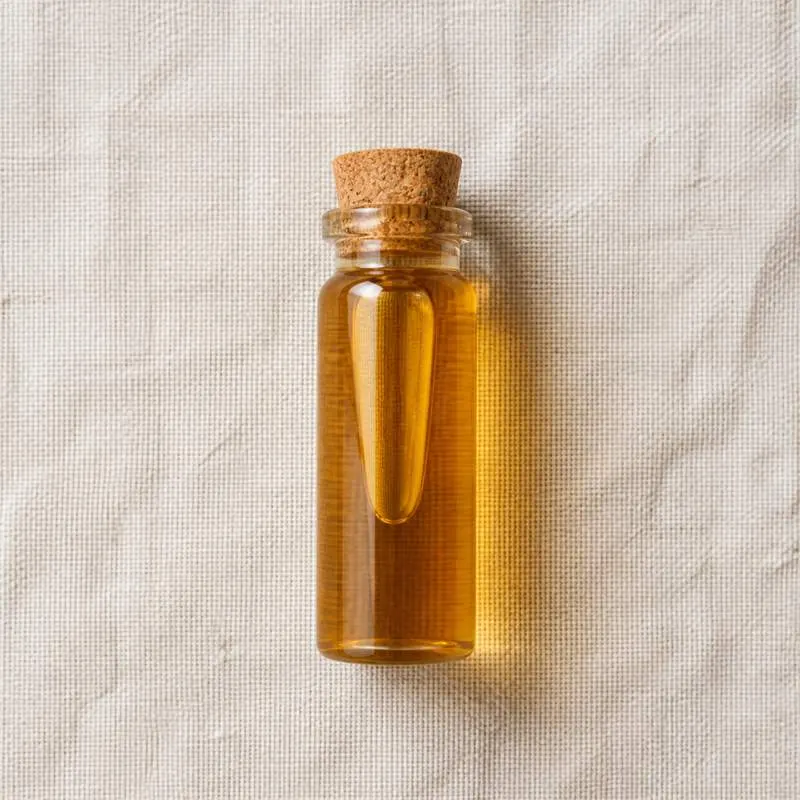
Organic Seabuckthorn Seed Oil is a yellow to greenish-yellow oil pressed from the small hard seeds of Hippophae rhamnoides berries.
Its fatty acid profile is dominated by polyunsaturates: alpha-linolenic acid (omega-3) and linoleic acid (omega-6) together typically account for 65 to 75 percent of total fatty acids. This places it in a different commercial chemistry than the omega-7 rich pulp oil from the same plant.
We source bulk Organic Seabuckthorn Seed Oil from top China manufacturers for our partners. The manufacturer is in Inner Mongolia. A smaller requirement can ship in a combined container with other ingredients.
Please send the grade you need, the volume and your destination port, and we will come back with a solution and a price.
or call +86-21-6858 0751
- Packaging
- 190 kg steel drum or 25 kg jerrican
- ISO 9001
- HACCP
- Halal
- Kosher
Specifications
Grades / Types Available: USDA Organic, EU Organic, JAS Organic, HACCP, ISO9001, ISO22000
| Item | Specification |
|---|---|
| Appearance | Yellow-orange clear oil |
| Alpha-Linolenic Acid (Omega-3) | 30-40% |
| Linoleic Acid (Omega-6) | 30-40% |
| Total Tocopherols | ≥ 100 mg/100g |
| Acid Value | ≤ 4.0 mg KOH/g |
| Peroxide Value | ≤ 10 meq/kg |
| Organic Certification | EU / USDA NOP |
| Purity | ≥99% (Food Grade) |
| Viscosity | <100 mPa.s |
| Moisture/Loss on Drying | <0.1% (Food Grade) |
| pH | 5.0-7.0 |
| Heavy Metals | <10 ppm |
| Lead | <0.1 ppm |
| Arsenic | <0.1 ppm |
| Total Plate Count | <100 cfu/g |
| Yeast & Mold | <10 cfu/g |
Common Markets Grades
Organic Seabuckthorn Seed Oil divides into cold-pressed and supercritical CO2 grades.
The cold-pressed grade is the volume product, with a light yellow-green colour and characteristic herbal-nutty aroma. Alpha-linolenic acid content is typically 30 to 36 percent.
The CO2-extracted grade carries a higher carotenoid trace from co-extracted pulp residues, slightly higher tocopherol levels, and a longer oxidative shelf life.
A refined low-colour grade is produced for cosmetic formulators who need a near-colourless oil with neutral aroma.
All grades are USDA NOP and EU 2018/848 certifiable. Nitrogen-flushed steel drums and amber-glass bottles are the standard packaging formats.
Applications
- Softgel and capsule fills positioned around omega-3 and skin health
- Cosmetic serums, facial oils, and night creams
- Eczema and dry-skin balms
- Hair-care leave-ins and scalp serums
- Lip-care formulations paired with pulp oil for colour and feel
- Sun-care and after-sun lotions
- Mucosal-comfort sprays and intimate-care oils
- Functional food drizzling oils and salad finishing
- Pet-care coat oils and skin supplements
- Cold-process soap and shampoo bars
Brands Using Organic Seabuckthorn Seed Oil
Widely-distributed consumer products that list Organic Seabuckthorn Seed Oil on the ingredient label.
- SeabuckWondersOrganic Himalayan Sea Buckthorn Seed Oil ↗USDA Organic Himalayan sea buckthorn seed oil; brand markets the seed oil as rich in omega-3 (alpha-linolenic) and omega-6 fatty acids plus vitamin E.Label verified 2026-05-24
- SibuSibu Sea Buckthorn Omega-7 Plus Softgels (with CO2 seed oil) ↗Softgels using Sibu's EVOMEGA7 blend of CO2-extracted sea buckthorn seed oil and cold-pressed fruit oil; seed oil component supplies omega-3 (ALA) and omega-6.Label verified 2026-05-24
- ErbologyOrganic Sea Buckthorn product range (incl. cold-pressed berry oil) ↗Erbology's organic Hippophae rhamnoides range; cold-pressed processing preserves the seed-derived omega-3 and omega-6 fatty acids alongside Omega-7 from the pulp.Label verified 2026-05-24
Brand names, product names and logos are the property of their owners. They appear here as published evidence that the ingredient is used, taken from the brand's own label or website. Their appearance is not an endorsement, and it does not mean the brand buys from us or from any manufacturer listed on this site.
China Manufacturers of Organic Seabuckthorn Seed Oil
Top Organic Seabuckthorn Seed Oil manufacturers in China.

Company names and logos are the property of the manufacturers themselves. They are listed here because our own directory records them as producing this ingredient. A listing is not an endorsement by them, and we do not represent them or speak on their behalf.
How We Help Source Organic Seabuckthorn Seed Oil
Direct Factory Sourcing
We run the whole process: selecting the manufacturer from the top Chinese food ingredient producers, negotiating the price, verifying quality, and coordinating the logistics. You deal with us instead of with several factories at once.
Original Packaging and Documents from the Manufacturer
The manufacturer sends your Organic Seabuckthorn Seed Oil out of its own factory in the original packing, through to your destination port. The COA, COO, MSDS, TDS and any certifications reach you from the manufacturer as well.
Free Samples and Lead Time
We send 100 to 500 g free for your own laboratory to test and you cover only the courier, usually within 2 to 3 working days. ETD is usually within 7 to 15 days once the order is confirmed, and we check that date against the factory's own manufacturing schedule before we give it to you.
Combined Shipment
We can load Organic Seabuckthorn Seed Oil together with other ingredients such as Astaxanthin, Dehydrated Garlic and Lutein into one 20' FCL. If your quantity is small, we can also ship LCL.
Regulatory Status
Sea buckthorn seed oil has documented dietary use across Eurasia and is not classified as a novel food in the European Union.
The U.S. Food and Drug Administration treats the oil as a conventional food and as a dietary supplement ingredient under DSHEA. Cosmetic INCI labelling is Hippophae Rhamnoides Seed Oil.
USDA NOP and EU 2018/848 organic certifications cover both cold-pressed and CO2-extracted grades. Halal and Kosher certifications are routinely available.
Unlike the pulp oil, the seed oil does not stain skin or fabric significantly because of its low carotenoid load. This is a key practical difference for formulators choosing between the two oils.
Manufacturing Process
Seeds are separated from berry pulp during juice and puree production, washed, and dried to a target moisture of 6 to 8 percent.
The dried seeds are cold-pressed in a screw press at controlled temperature below 50 degrees C. The crude oil is settled, filtered through cellulose pads, and bottled under nitrogen.
For the CO2 grade, the seeds are loaded into pressure vessels and extracted with supercritical carbon dioxide at moderate pressure. The solvent-free oil is collected and filtered.
Yield is around 8 to 12 percent of seed weight, considerably higher than pulp oil from the equivalent berry mass. Even so, the small physical size of the seeds and the manual harvesting of the berries keep volumes modest.