Sea Buckthorn Seed Oil
Sea buckthorn seed oil is pressed or extracted from the small hard seed of the Hippophae rhamnoides berry, recovered from the solids fraction left after juicing. It is a different ingredient from the berry or pulp oil taken from the flesh of the same fruit, and the two are frequently confused in the trade despite having opposite fatty acid profiles.
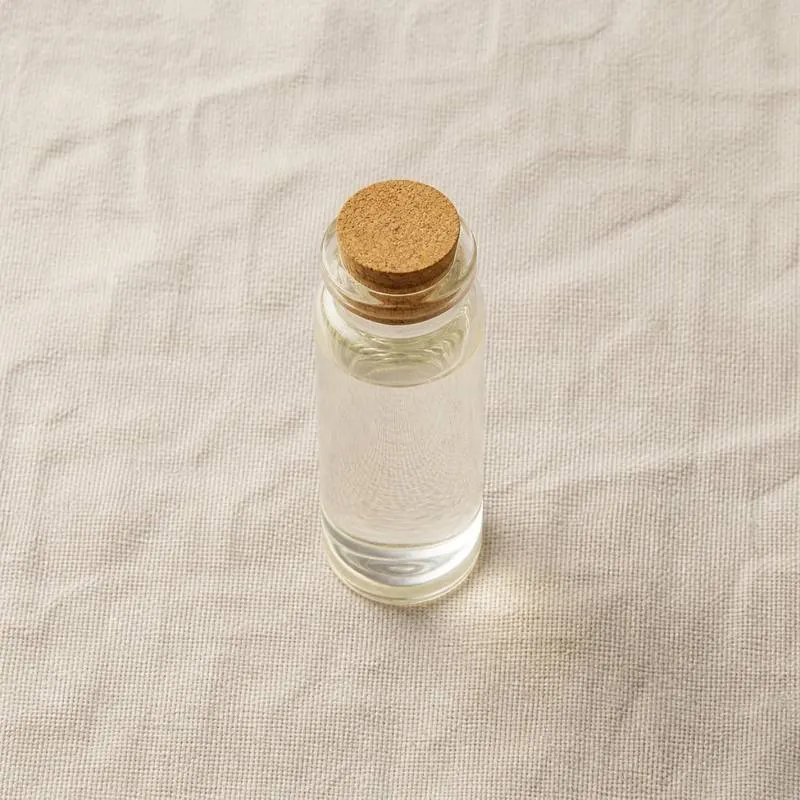
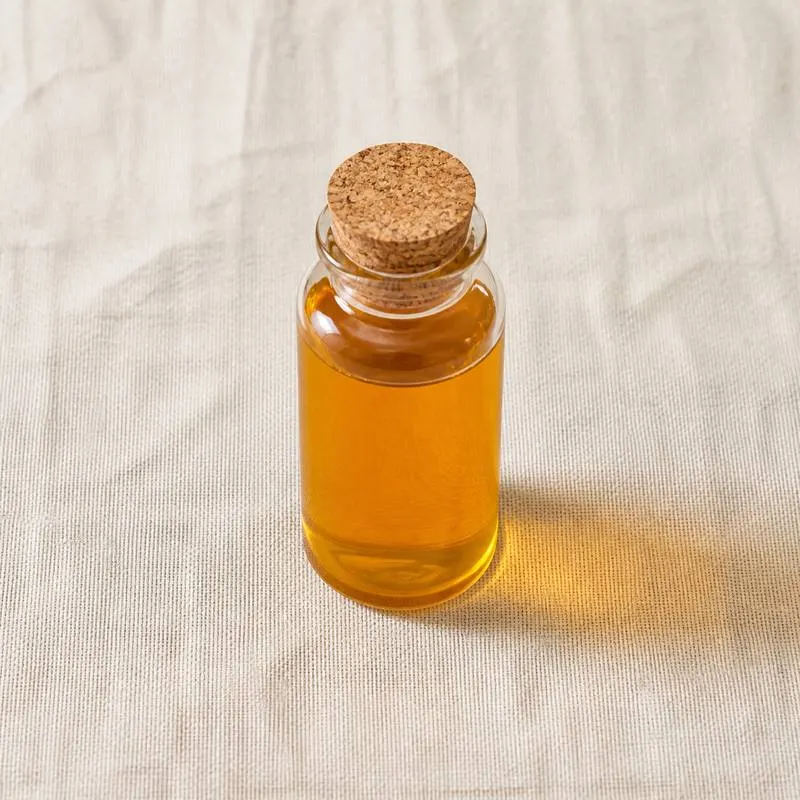
Where berry oil is dominated by palmitoleic and palmitic acid, seed oil is a polyunsaturated oil in the conventional pattern: linoleic acid at roughly 30 to 40 percent and alpha-linolenic acid at 25 to 35 percent, giving an omega-6 to omega-3 ratio close to one to one, with oleic acid around 15 to 20 percent and palmitoleic acid present only at trace level. Total carotenoids are far lower than in berry oil, so the colour is a light yellow to pale orange rather than deep orange-red, and tocopherols and phytosterols make up a substantial unsaponifiable fraction.
The oil is lipid soluble and insoluble in water. Its high polyunsaturation makes it oxidation sensitive and unsuited to cooking, so it is used cold, in softgels or in emulsions, and is processed at low temperature and filled under nitrogen.
We source bulk Sea Buckthorn Seed Oil from top China manufacturers for our partners. The manufacturers are in Beijing and Guangdong. A smaller requirement can ship in a combined container with other ingredients.
Please send the grade you need, the volume and your destination port, and we will come back with a solution and a price.
or call +86-21-6858 0751
- Function
- Plant extract
Specifications
| Item | Specification |
|---|---|
| Appearance | Clear light yellow to pale orange oil |
| Odour | Mild characteristic note, free from rancidity |
| Linoleic acid | 30.0 to 40.0 percent of total fatty acids |
| Alpha-linolenic acid | 25.0 to 35.0 percent of total fatty acids |
| Palmitoleic acid | 3.0 percent maximum, distinguishing seed from berry oil |
| Total tocopherols and tocotrienols | 600 mg/kg minimum |
| Free fatty acid | 1.5 percent maximum as oleic acid |
| Peroxide value | 10.0 meq/kg maximum |
| Moisture and volatile matter | 0.2 percent maximum |
| Unsaponifiable matter | 2.5 percent maximum |
| Iodine value | 150 to 180 g I2/100 g |
| Lead | 0.1 mg/kg maximum |
| Arsenic | 0.1 mg/kg maximum |
| Residual hexane | 1.0 mg/kg maximum where solvent extracted |
Common Markets Grades
Extraction method sets the primary grade. Supercritical carbon dioxide extract is the highest-priced article, free of solvent and processed without heat, followed by cold pressed oil and then by hexane extracted oil, which is normally refined afterwards and is paler and blander. Whether the seed was dehulled before pressing is a further distinction, since hull material lowers oil yield and raises the wax content.
Buyers specify on the fatty acid profile, particularly the alpha-linolenic acid figure that distinguishes seed oil from berry oil, and on tocopherol content, free fatty acid and peroxide value. A carotenoid figure is quoted but is much lower than for berry oil, and an unusually deep orange colour in a lot sold as seed oil is a sign that pulp oil has been blended in. Diluted retail grades at a stated percentage in a carrier oil are traded, as are encapsulated powder forms on maltodextrin or gum acacia. Organic certified lots are widely available.
Applications
- Softgel supplements sold on their balanced omega-3 and omega-6 profile
- Nutritional oil blends, contributing alpha-linolenic acid from a fruit source
- Nutricosmetic capsules and beauty-from-within formulations
- Facial oils and serums, preferred over berry oil where the deep orange stain is unwanted
- Skin care emulsions and creams as a light polyunsaturated emollient
- Hair and scalp treatments formulated around linoleic acid
- Lip and hand care balms combined with heavier butters
- Encapsulated oil powders for bars, sachets and dry beverage blends
- Infant and speciality food fat blends where a plant omega-3 source is required
Brands Using Sea Buckthorn Seed Oil
Widely-distributed consumer products that list Sea Buckthorn Seed Oil on the ingredient label.
- SeabuckWondersEnhydro Glow Oil Serum ↗Facial oil serum whose ingredient list runs coconut oil, seaberry sea buckthorn seed oil, sweet almond oil, avocado oil, camellia oil, rosehip oil and rose essential oil.Label verified 2026-08-31
- Wild Carrot HerbalsSaffron & Sea Buckthorn Serum ↗Face serum listing Hippophae rhamnoides sea buckthorn seed oil as its first ingredient, ahead of olive fruit oil and saffron flower extract.Label verified 2026-08-31
Brand names, product names and logos are the property of their owners. They appear here as published evidence that the ingredient is used, taken from the brand's own label or website. Their appearance is not an endorsement, and it does not mean the brand buys from us or from any manufacturer listed on this site.
China Manufacturers of Sea Buckthorn Seed Oil
Top Sea Buckthorn Seed Oil manufacturers in China.
 Beijing Powdery Health Industry Co.,Ltd.3 ingredients in the directory
 Guangzhou Honsea Sunshine Biotech Co., Ltd.20 ingredients in the directory
Company names and logos are the property of the manufacturers themselves. They are listed here because our own directory records them as producing this ingredient. A listing is not an endorsement by them, and we do not represent them or speak on their behalf.
Regulatory Status
Sea buckthorn seed oil is treated as a conventional food oil in the United States and is used in supplements as a dietary ingredient without a specific food additive clearance. It is an established cosmetic ingredient listed under an INCI name based on Hippophae rhamnoides seed oil, and cosmetic use falls under the general safety and labelling provisions rather than any pre-market approval. Where it is used in conventional foods, suppliers rely on its history of food use or on a GRAS conclusion for the defined use.
In the European Union sea buckthorn fruit and the oils derived from it are recognised as having a history of consumption before May 1997 and are used as foods without novel food authorisation, though a fraction produced by an unusual process may need assessment on its own facts. There is no E number. Health claims are limited to the authorised generic claim for alpha-linolenic acid where the conditions of use are met. Cosmetic use is governed by the cosmetic products regulation. Codex has no specific standard for this oil; the general standard for named and other vegetable oils and the general provisions on contaminants apply.
Manufacturing Process
Seed is recovered from the solids fraction that separates during berry pressing and juicing. It is washed free of adhering pulp and skin, which is important because residual pulp carries the orange carotenoid fraction and would contaminate the seed oil profile, then dried in warm air to a moisture of around 6 to 8 percent. Dried seed is cleaned, sometimes dehulled, and either flaked or left whole depending on the recovery route.
Oil is recovered by cold screw pressing at low temperature, giving crude oil and a protein-rich press cake, or by supercritical carbon dioxide extraction, in which liquefied carbon dioxide passes through the seed bed under pressure and the oil is released in a separator when the pressure drops. Hexane extraction of the press cake is used where full recovery matters and is followed by degumming, neutralisation, bleaching and light deodorisation. Crude oil from the cold routes is settled, filtered and winterised so it stays clear when chilled, then polish filtered and filled under nitrogen into drums or bottles held cold and away from light.