Ornithine Ketoglutarate
Ornithine ketoglutarate, usually written OKG, is the salt formed between two molecules of the non protein amino acid L-ornithine and one molecule of alpha-ketoglutaric acid, an intermediate of the citric acid cycle.
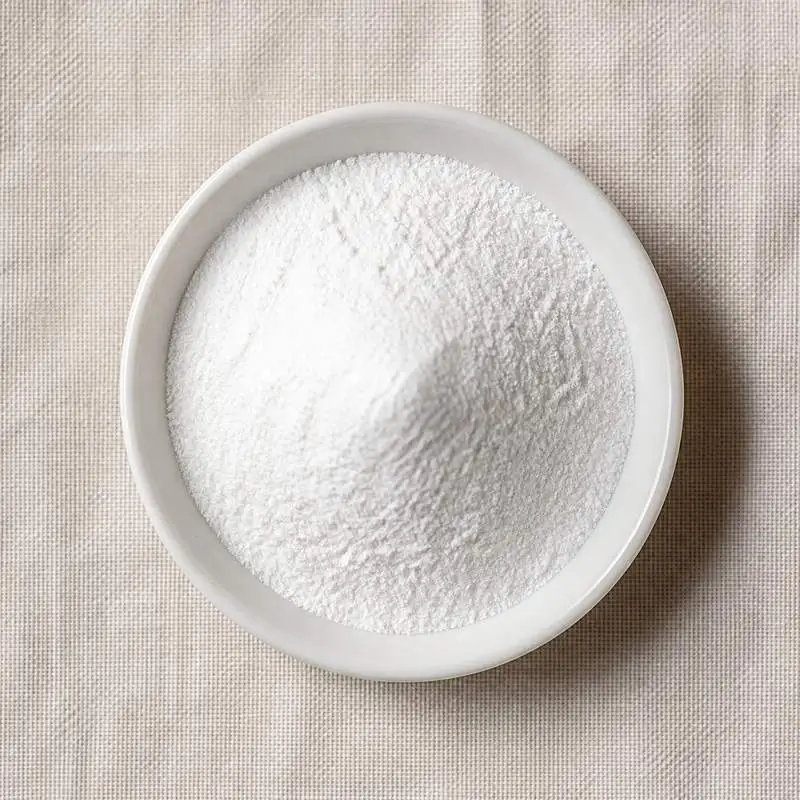
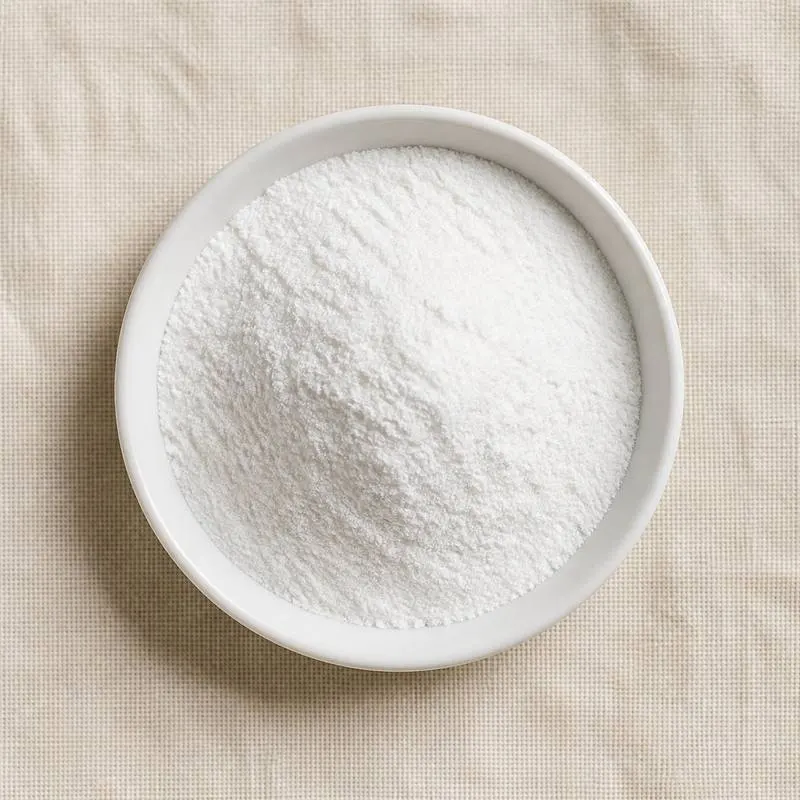
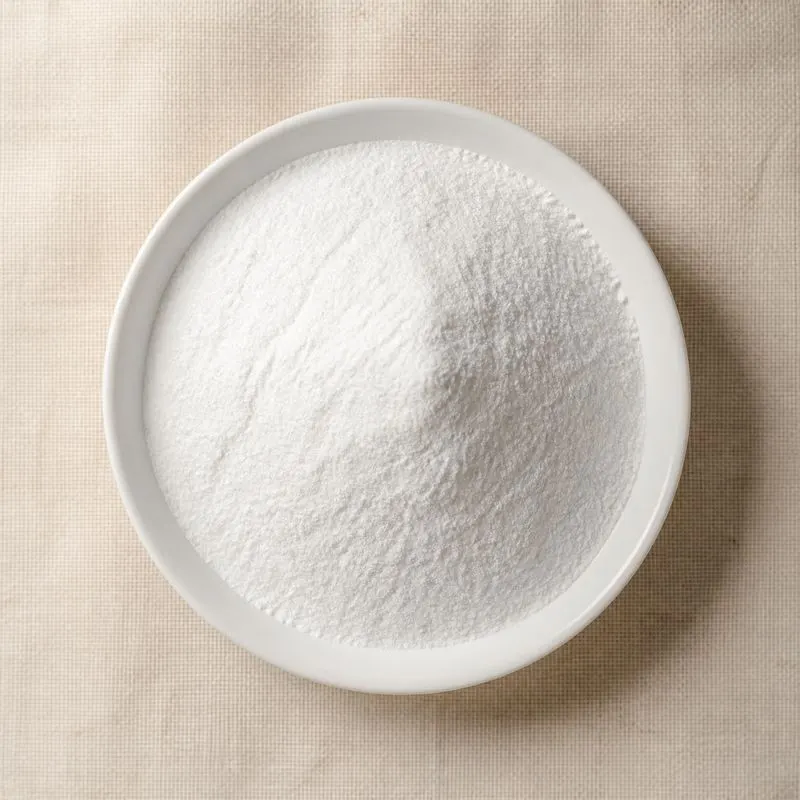
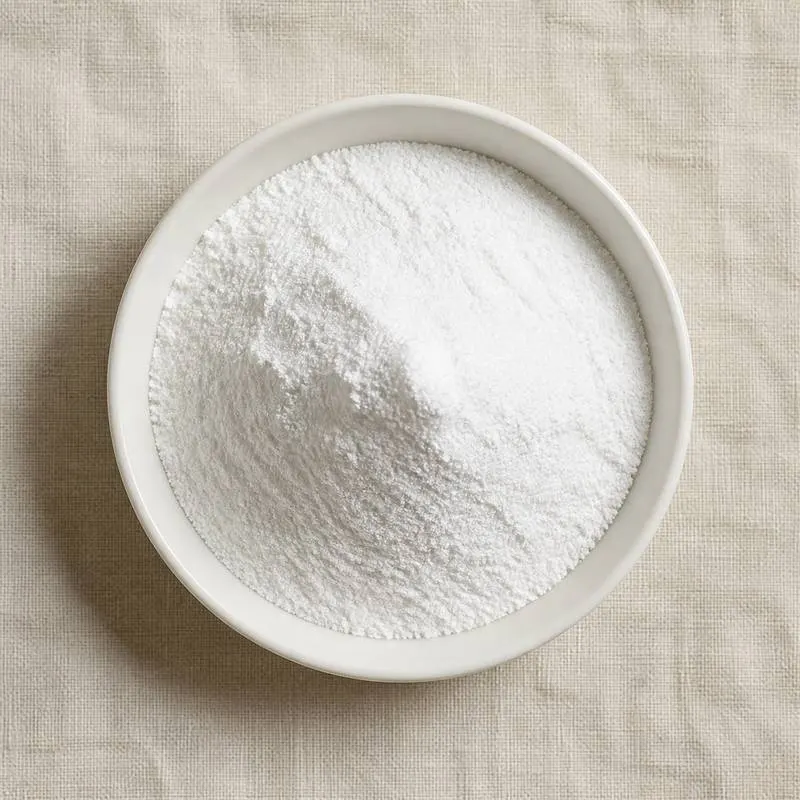
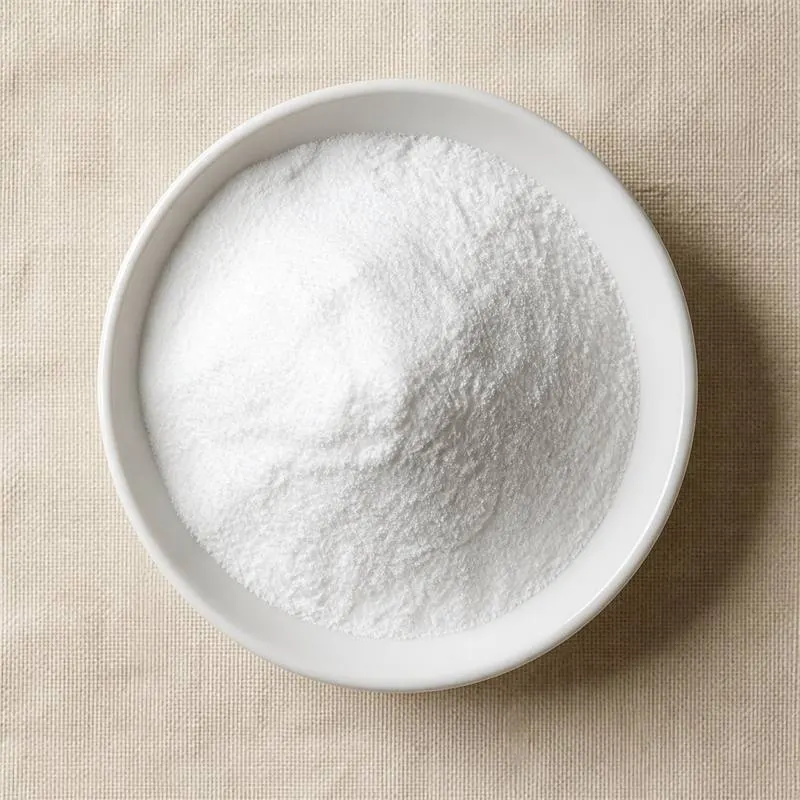
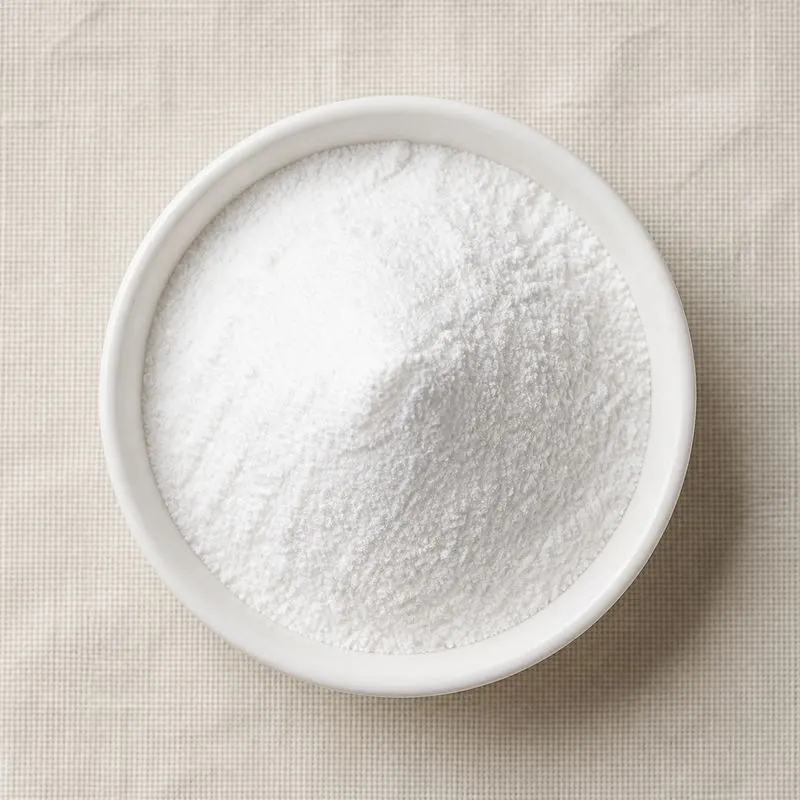
It is a white to almost white crystalline powder, freely soluble in water, giving a slightly acidic solution with a sharp, faintly sour taste. The salt is strongly hygroscopic, drawing moisture and caking quickly in open air, so it is dried to low residual moisture and packed in heat sealed foil or double lined drums with desiccant.
Functionally the salt is used as a nitrogen and carbon skeleton donor in clinical and sports nutrition rather than as a technical food ingredient. The two components act together, with ornithine feeding the urea cycle and alpha-ketoglutarate serving as a glutamine and proline precursor, which is why the pairing is sold as a defined salt rather than as a simple physical blend of the two materials.
We source bulk Ornithine Ketoglutarate from top China manufacturers for our partners. The manufacturer is in Hebei. A smaller requirement can ship in a combined container with other ingredients.
Please send the grade you need, the volume and your destination port, and we will come back with a solution and a price.
or call +86-21-6858 0751
- Function
- Amino acid
Specifications
| Item | Specification |
|---|---|
| Appearance | White to almost white crystalline powder |
| Identification | Conforms by infrared spectrum and HPLC |
| Assay (on dried basis) | Not less than 98.0% |
| L-Ornithine content | 62.0 to 66.0% |
| Alpha-ketoglutaric acid content | 34.0 to 38.0% |
| Specific rotation | Plus 14.0 to plus 18.0 degrees |
| Loss on drying | Not more than 1.0% |
| Residue on ignition | Not more than 0.3% |
| pH (5% aqueous solution) | 3.0 to 5.0 |
| Residual ethanol | Not more than 0.5% |
| Heavy metals (as Pb) | Not more than 10 mg/kg |
| Arsenic | Not more than 1.0 mg/kg |
| Total plate count | Not more than 1,000 cfu/g |
| Salmonella | Absent in 25 g |
Common Markets Grades
Ornithine ketoglutarate is traded in a single quality, a food and pharmaceutical grade assaying not less than 98 percent on the dried basis, with separate limits on ornithine and alpha-ketoglutarate content to confirm the two to one stoichiometry. Optical rotation is reported because only the L-ornithine form is wanted, and free ornithine and free ketoglutaric acid are limited to show that the salt formation ran to completion.
Physical variation is limited to particle size and moisture control. A standard crystalline powder is used for capsules and sachets, and a milled fine grade is chosen where rapid dissolution in a drink mix is needed. Given the hygroscopicity, no granulated or direct compression version is generally offered, and blending is normally carried out in dehumidified rooms.
Applications
- Clinical nutrition formulas for patients with burns, trauma or post surgical protein loss, where nitrogen balance is the target
- Oral nutritional supplements for the elderly and for malnourished patients at risk of muscle wasting
- Sports nutrition powders and capsules positioned around recovery and growth hormone response
- Pre workout and intra workout drinks combined with citrulline, arginine and branched chain amino acids
- Wound healing and recovery formulations alongside arginine, glutamine and zinc
- Liver support supplements that draw on the ornithine contribution to urea cycle ammonia handling
- Enteral tube feeds where a defined amino acid pattern is specified
- Veterinary and equine recovery supplements for animals under metabolic stress
Brands Using Ornithine Ketoglutarate
Widely-distributed consumer products that list Ornithine Ketoglutarate on the ingredient label.
- BulkSupplementsL-Ornithine a-Ketoglutarate (OKG) Powder ↗A single ingredient amino acid powder whose supplement facts panel lists L-ornithine alpha-ketoglutarate at 2 g per serving.Label verified 2026-08-31
- Myprotein100% L-Ornithine Alpha-Ketoglutarate ↗An unflavoured sports nutrition powder sold as 100 percent L-ornithine alpha-ketoglutarate, with OKG as the only listed ingredient.Label verified 2026-08-31
- Hammer NutritionAnti-Fatigue Caps ↗An endurance capsule whose ingredient listing includes OKG, ornithine alpha-ketoglutarate, alongside potassium magnesium aspartate and citrulline.Label verified 2026-08-31
Brand names, product names and logos are the property of their owners. They appear here as published evidence that the ingredient is used, taken from the brand's own label or website. Their appearance is not an endorsement, and it does not mean the brand buys from us or from any manufacturer listed on this site.
China Manufacturers of Ornithine Ketoglutarate
Top Ornithine Ketoglutarate manufacturers in China.

Company names and logos are the property of the manufacturers themselves. They are listed here because our own directory records them as producing this ingredient. A listing is not an endorsement by them, and we do not represent them or speak on their behalf.
Regulatory Status
In the United States ornithine ketoglutarate is sold as a dietary ingredient, with both L-ornithine and alpha-ketoglutarate marketed in supplements before the Dietary Supplement Health and Education Act cut off date, and finished products are made under 21 CFR Part 111. It is not an approved food additive for general food use, and it also appears in medical foods governed by the medical food provisions rather than the supplement rules.
In Europe the material has a longer history in clinical medicine than in supplements, and it has been registered as a prescription medicine for nutritional support in some member states, France in particular. It is not an authorised food additive in the European Union, has no E number, and does not appear on the harmonised lists of amino acids permitted in foods for particular nutritional uses, so supplement status varies from one member state to another under national rules. Codex and JECFA have not published a specification monograph for the salt.
Manufacturing Process
The two components are made separately and then combined. L-ornithine is produced by submerged fermentation of glucose or molasses with a mutant strain of Corynebacterium glutamicum blocked in the arginine pathway, and is recovered from the broth by cell removal, ion exchange on a strong acid resin, elution with ammonia and concentration. Alpha-ketoglutaric acid is made either by fermentation with a yeast such as Yarrowia lipolytica or by chemical synthesis, and is purified by crystallisation.
Salt formation is carried out in water or in aqueous alcohol by dissolving free base ornithine and alpha-ketoglutaric acid in a two to one molar ratio, holding the mixture until the pH stabilises. The solution is polish filtered and treated with activated carbon, then the salt is precipitated by adding ethanol as an antisolvent, or is recovered by vacuum concentration and cooling crystallisation. The wet cake is centrifuged, washed with cold ethanol, vacuum dried to low moisture and milled and packed under dry air.