Oxidized Hydroxypropyl Starch
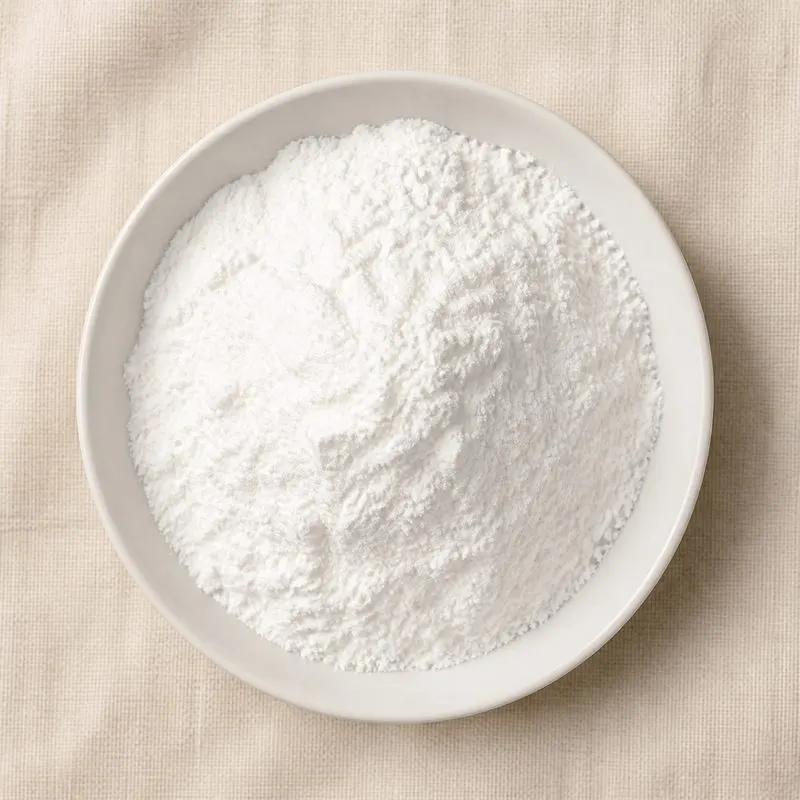
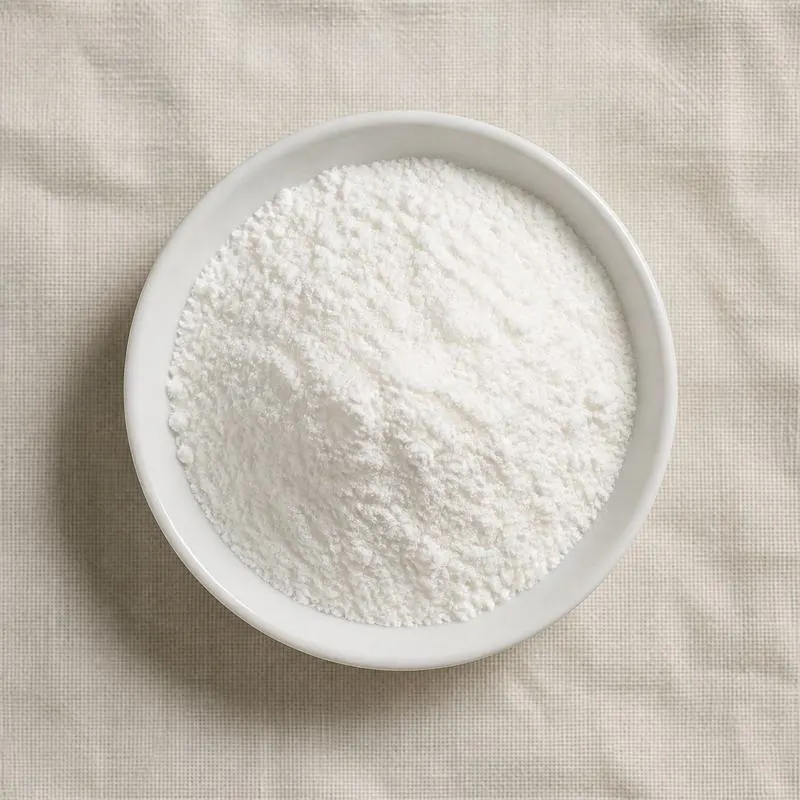
Oxidised hydroxypropyl starch is a dual-modified food starch in which a native starch, most often maize, tapioca or potato, is first treated with sodium hypochlorite to convert part of its hydroxyl groups into carbonyl and carboxyl groups, then etherified with propylene oxide to attach hydroxypropyl substituents to the glucose units.
The two modifications address different weaknesses of native starch. Oxidation cleaves a proportion of the glucosidic chains, which lowers paste viscosity, raises paste clarity and suppresses retrogradation, while the introduced carboxyl groups improve adhesion and film formation. Hydroxypropylation places bulky ether groups along the chains that block re-association of amylose, lowering the gelatinisation temperature and giving pastes that survive refrigeration and repeated freeze and thaw cycles without weeping. The combined product therefore behaves as a low viscosity, high solids, transparent and cold stable paste.
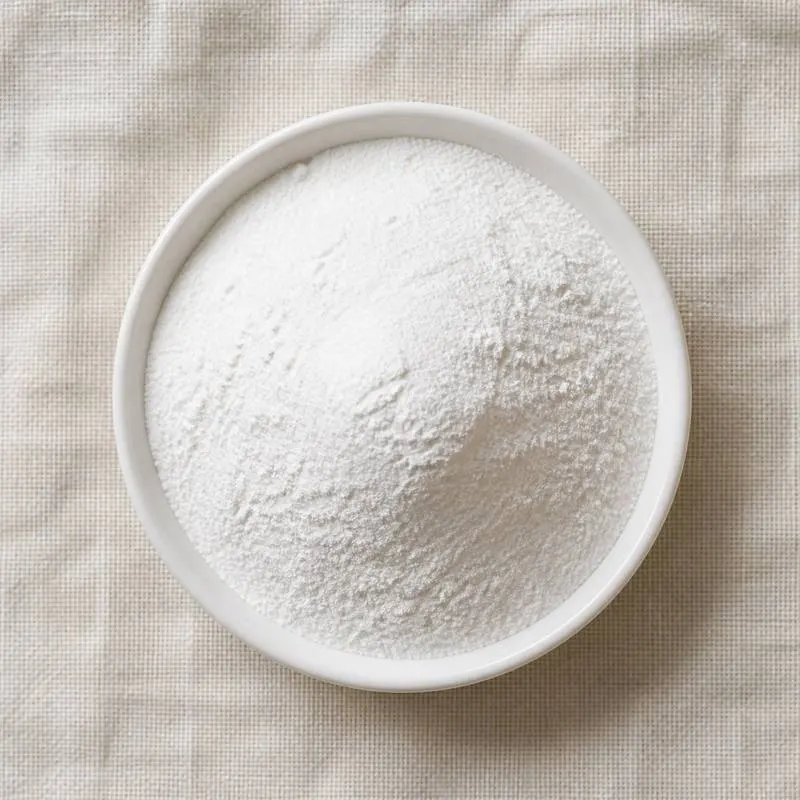
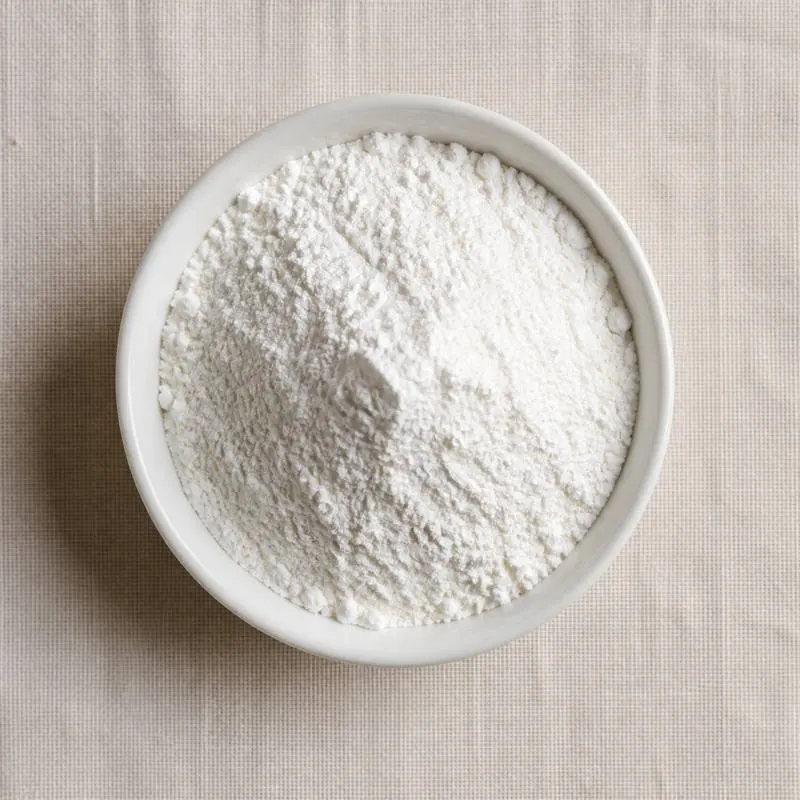
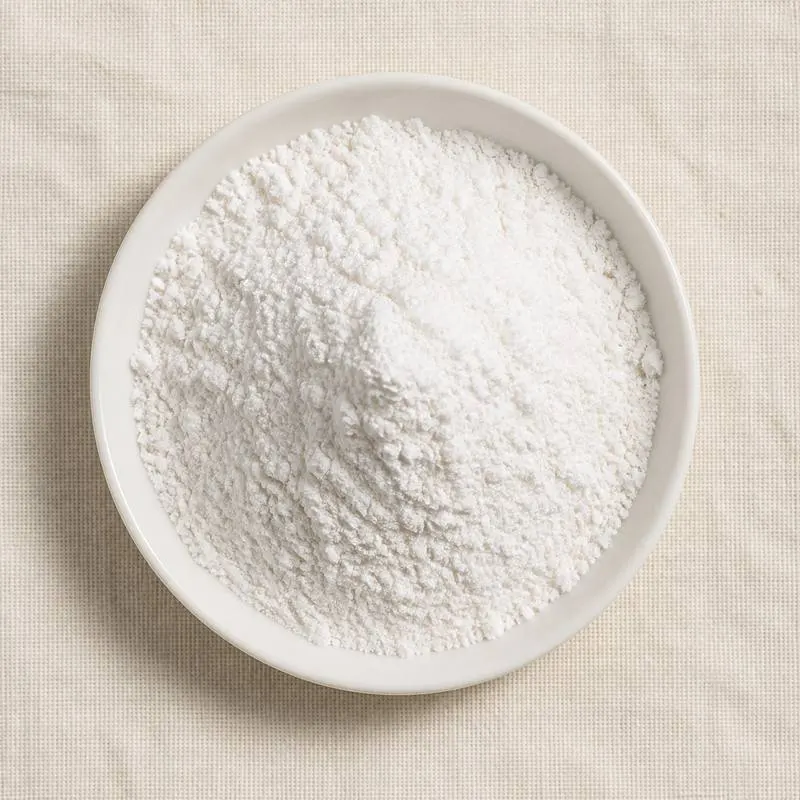
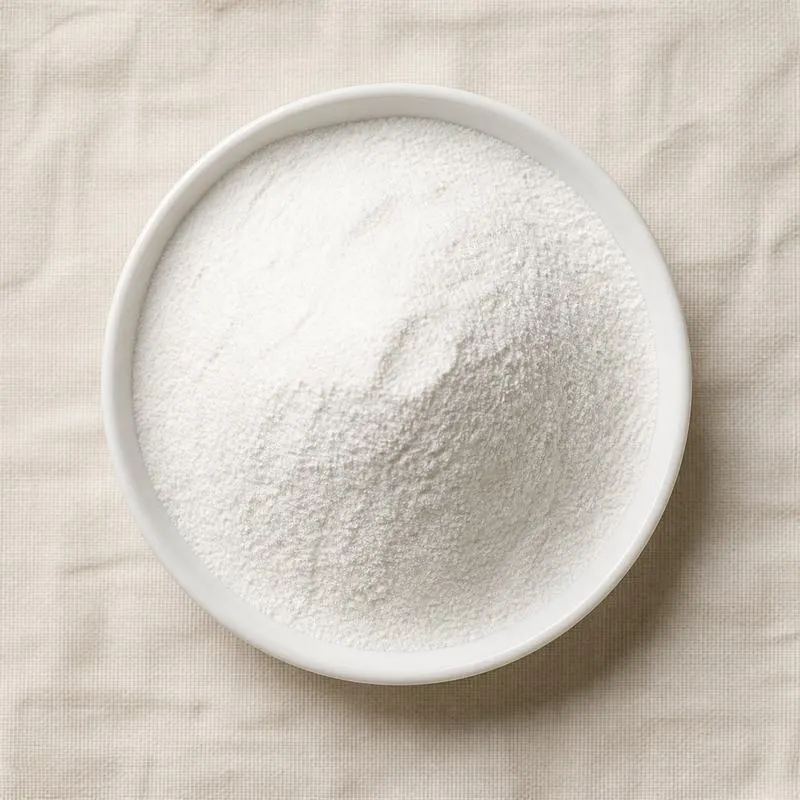
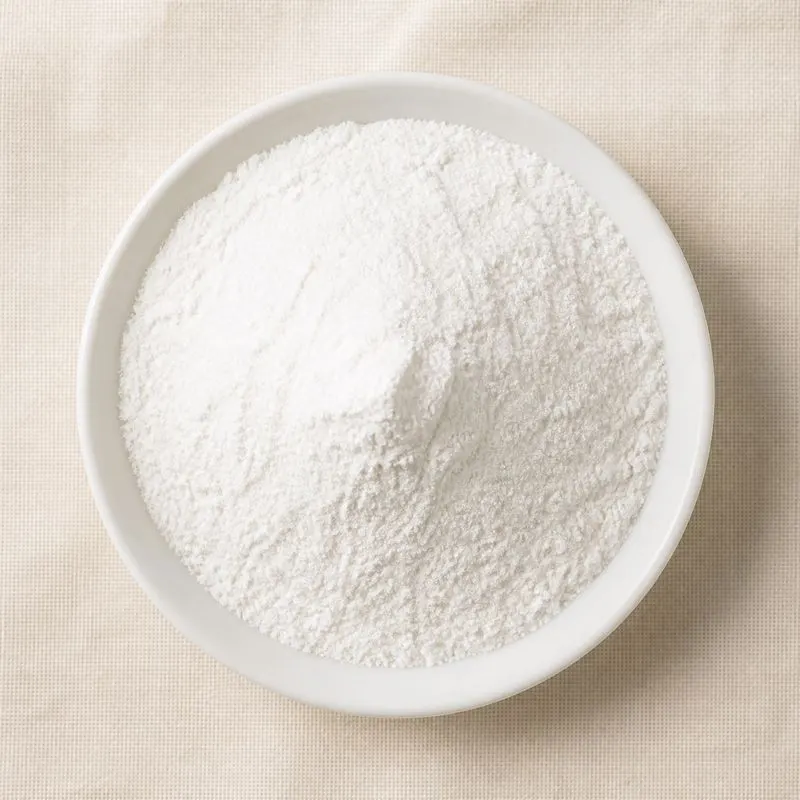
It is a white to off-white free-flowing powder, insoluble in cold water in its granular form and hydrating on heating above roughly 55 to 65 degrees Celsius. A drum-dried pregelatinised version disperses directly in cold water. Pastes remain stable through mildly acidic conditions and moderate shear, but strong acid combined with prolonged heat will degrade viscosity further.
We source bulk Oxidized Hydroxypropyl Starch from top China manufacturers for our partners. The manufacturer is in Jiangsu. A smaller requirement can ship in a combined container with other ingredients.
Please send the grade you need, the volume and your destination port, and we will come back with a solution and a price.
or call +86-21-6858 0751
- Function
- Texturisers
Specifications
| Item | Specification |
|---|---|
| Appearance | White to off-white free-flowing powder, free of foreign matter |
| Identification | Positive starch reaction with iodine solution |
| Hydroxypropyl Groups | Not more than 7.0% |
| Carboxyl Content | 0.10% to 1.10% |
| Moisture | Not more than 14.0% |
| pH, 10% slurry | 5.0 to 7.5 |
| Ash, sulphated | Not more than 0.5% |
| Whiteness | Not less than 90 |
| Particle Size | Not less than 99% through 100 mesh |
| Propylene Chlorohydrin | Not more than 1 mg/kg |
| Sulphur Dioxide | Not more than 30 mg/kg |
| Lead | Not more than 0.5 mg/kg |
| Arsenic | Not more than 0.5 mg/kg |
| Total Plate Count | Not more than 10,000 CFU/g |
| Yeast and Mould | Not more than 100 CFU/g |
| Salmonella | Absent in 25 g |
Common Markets Grades
Food grade and industrial grade are the two commercial streams. Food grade is made under limits on reagent use and residual propylene chlorohydrin, and is normally offered at hydroxypropyl substitution below 7 percent with a controlled active chlorine dose during oxidation. Industrial grade for paper surface sizing, corrugating adhesive and textile warp sizing carries no residue restriction of that kind and is traded on viscosity and carboxyl content rather than on purity.
Within food grade, material is specified by paste viscosity at a stated solids and temperature, by whiteness, and by mesh, with 100 mesh and 200 mesh being the usual options. Both a granular version, which needs cooking, and a pregelatinised cold-swelling version are traded. Tapioca-based and waxy maize-based lots give clearer, more cohesive pastes than lots made from common maize.
Applications
- Retorted and canned sauces, where the reduced viscosity allows higher starch solids to be pumped and filled without excessive thickening
- Chilled and frozen ready meals, in which hydroxypropylation prevents the syneresis that native starch shows after freeze and thaw cycling
- Confectionery gum and jelly depositing, where the low hot viscosity permits high solids moulding in starch trays
- Batter and breading systems for coated fried products, using the carboxyl groups for adhesion to the substrate and crisp film formation
- Fruit fillings and bakery creams that require a clear, non-cloudy gel after baking
- Yoghurt and fermented dairy, contributing body at low viscosity under acidic conditions
- Meat and poultry injection brines, holding water through cooking and chilling
- Paper surface sizing and coating binder, where oxidised starch films improve surface strength and printability
- Corrugated board adhesive, providing fast tack at high solids
- Textile warp sizing, forming a flexible protective film on yarn that is removed in desizing
China Manufacturers of Oxidized Hydroxypropyl Starch
Top Oxidized Hydroxypropyl Starch manufacturers in China.
Company names and logos are the property of the manufacturers themselves. They are listed here because our own directory records them as producing this ingredient. A listing is not an endorsement by them, and we do not represent them or speak on their behalf.
Regulatory Status
In the United States the food starch-modified regulation at 21 CFR 172.892 permits modified food starches, covers both treatment with sodium hypochlorite and etherification with propylene oxide, and sets limits on how much reagent may be used and on residual propylene chlorohydrin in the finished starch. A starch carrying both treatments must satisfy the conditions attached to each.
In the European Union the authorised modified starches are listed individually, with oxidised starch as E1404 and hydroxypropyl starch as E1440. There is no separate E number for the oxidised and hydroxypropylated combination, so material offered in the EU is normally sold and labelled as one of the listed modified starches rather than as a dual modification. Codex and JECFA likewise recognise the two modifications separately under INS 1404 and INS 1440, with specifications covering residual reagents, sulphur dioxide and heavy metals. Modified starches of this type are treated as food additives rather than as ingredients, so they are declared on the label as modified starch.
Manufacturing Process
A refined starch slurry at roughly 35 to 40 percent solids is adjusted to pH 8 to 9.5 with sodium hydroxide and held at 30 to 40 degrees Celsius, below the gelatinisation point so the granules stay intact. Sodium hypochlorite is metered in slowly to a fixed level of active chlorine on starch dry basis, with alkali added continuously to hold the pH, since oxidation releases acid. When the target carbonyl and carboxyl content is reached the residual hypochlorite is destroyed with sodium bisulphite or sodium metabisulphite.
The oxidised slurry is then raised to about pH 11 with sodium hydroxide, and sodium sulphate or sodium chloride is added to suppress granule swelling at that alkalinity. Propylene oxide is charged into a sealed reactor and the slurry is held at 40 to 50 degrees Celsius for 16 to 24 hours so that etherification proceeds. The batch is neutralised with dilute hydrochloric or sulphuric acid, then washed on hydrocyclones or a vacuum filter to strip salts, unreacted reagent and propylene chlorohydrin by-product. The washed cake is dewatered, flash dried or air dried to about 12 percent moisture, milled and sifted to the specified mesh.