Hydroxypropyl Starch
Hydroxypropyl starch is a modified food starch in which propylene oxide has been reacted with the glucose hydroxyl groups of a native starch to form hydroxypropyl ether substituents. It is listed as INS 1440 and as E1440 in the European additive list.
The ether groups are bulky and hydrophilic, and they work by getting in the way. Interposed along the chains, they block the hydrogen bonding through which amylose molecules re-associate after a starch has been cooked, so a hydroxypropylated paste does not set to an opaque gel, does not firm up in the refrigerator and does not push out water when frozen and thawed. The same steric interference loosens the granule's internal structure, which lowers the gelatinisation temperature by several degrees, raises peak viscosity and makes the starch cook out more readily. What hydroxypropylation does not provide is resistance to shear or acid, since the granule itself is weakened rather than reinforced, which is why most commercial stabilised starches pair it with cross-linking.
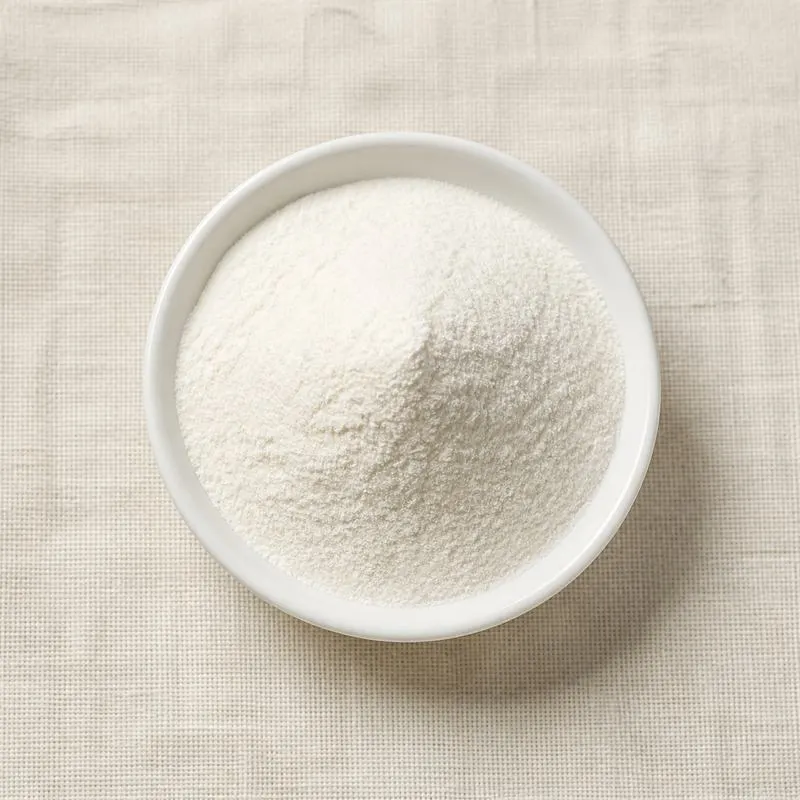
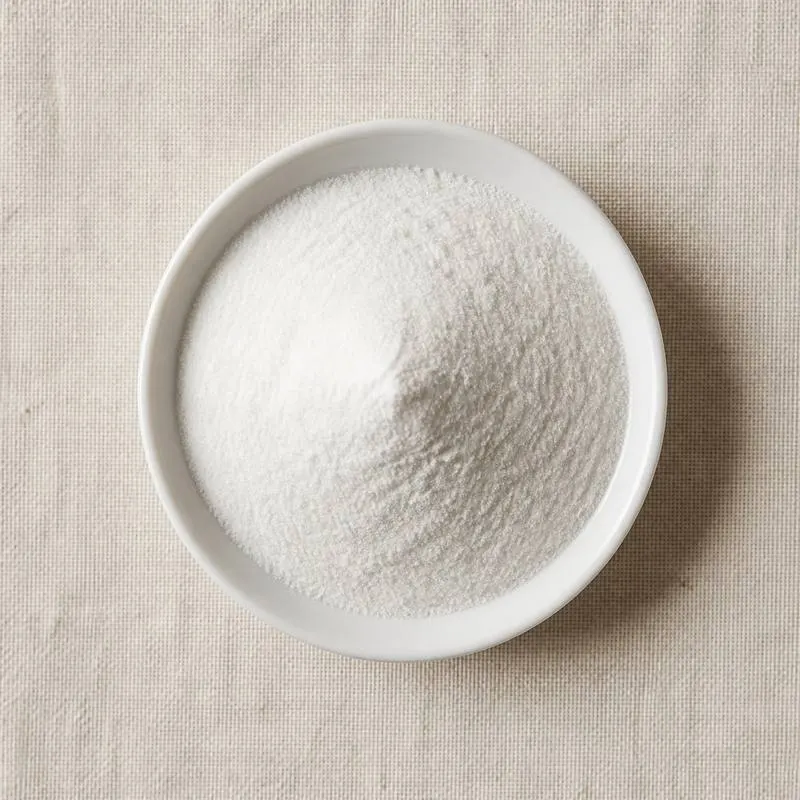
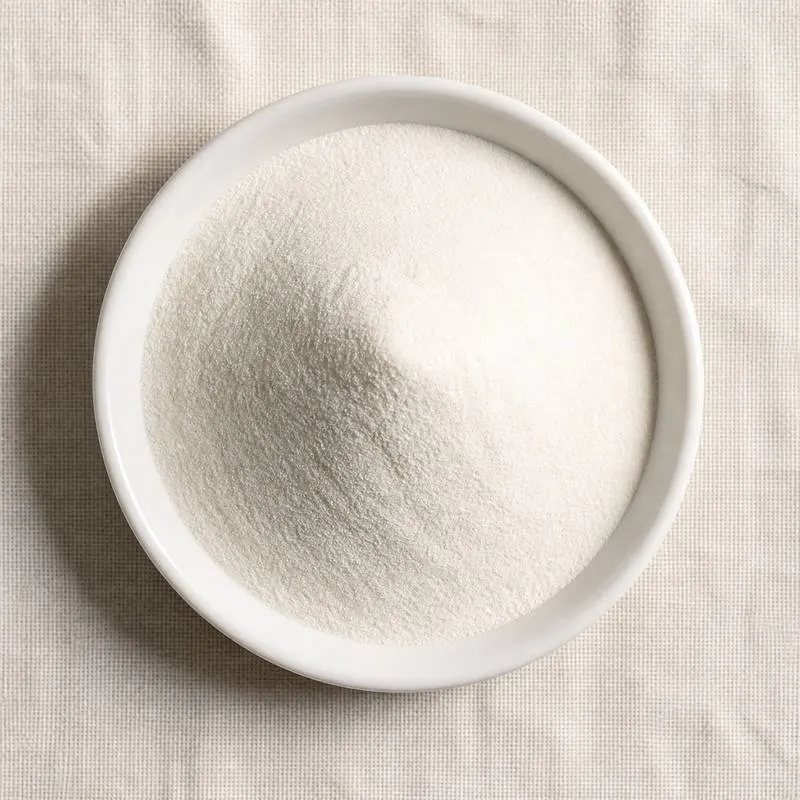
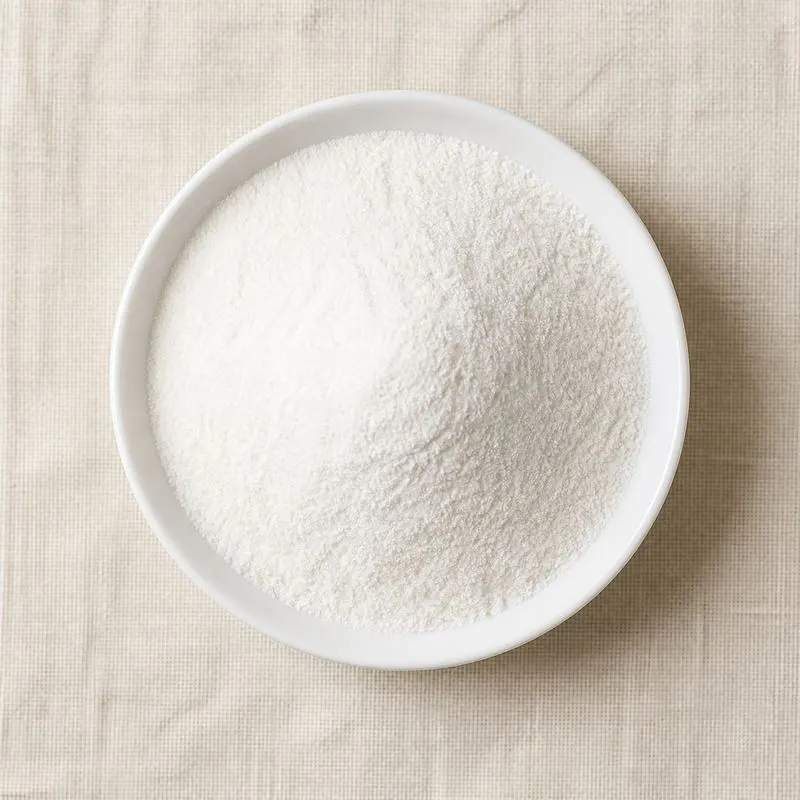
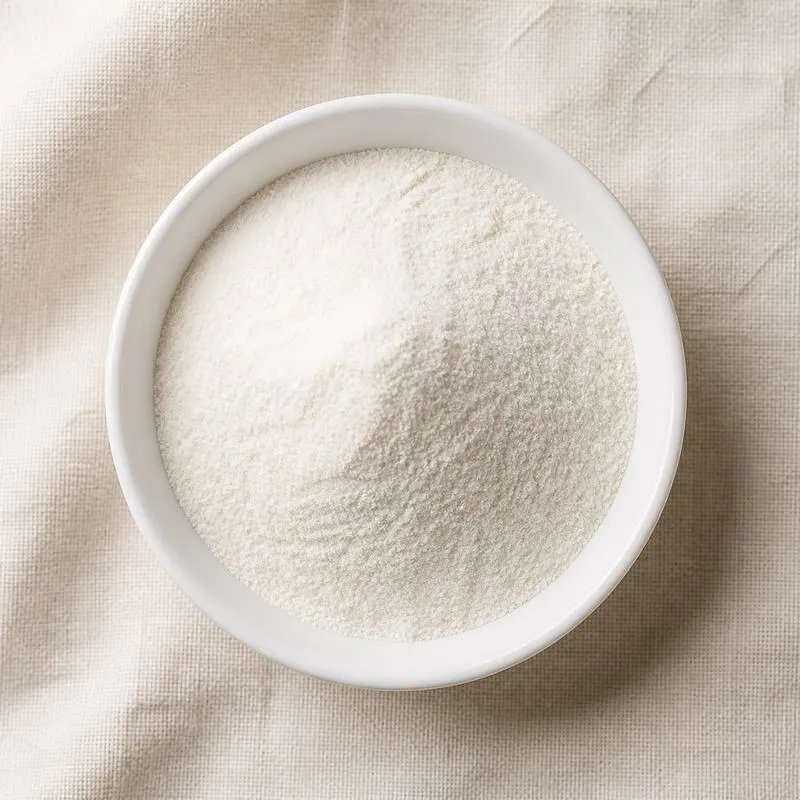
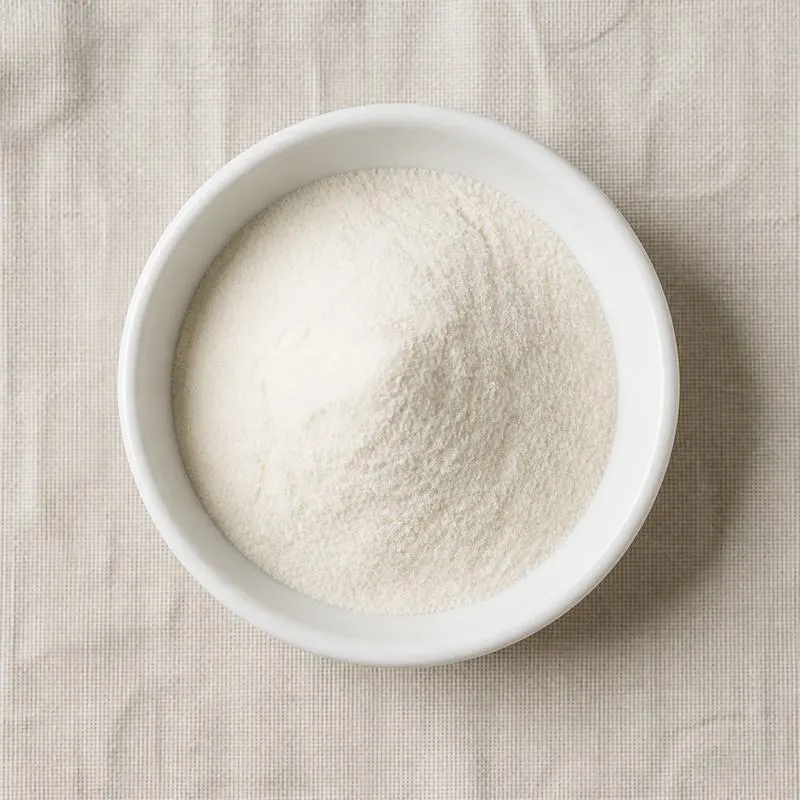
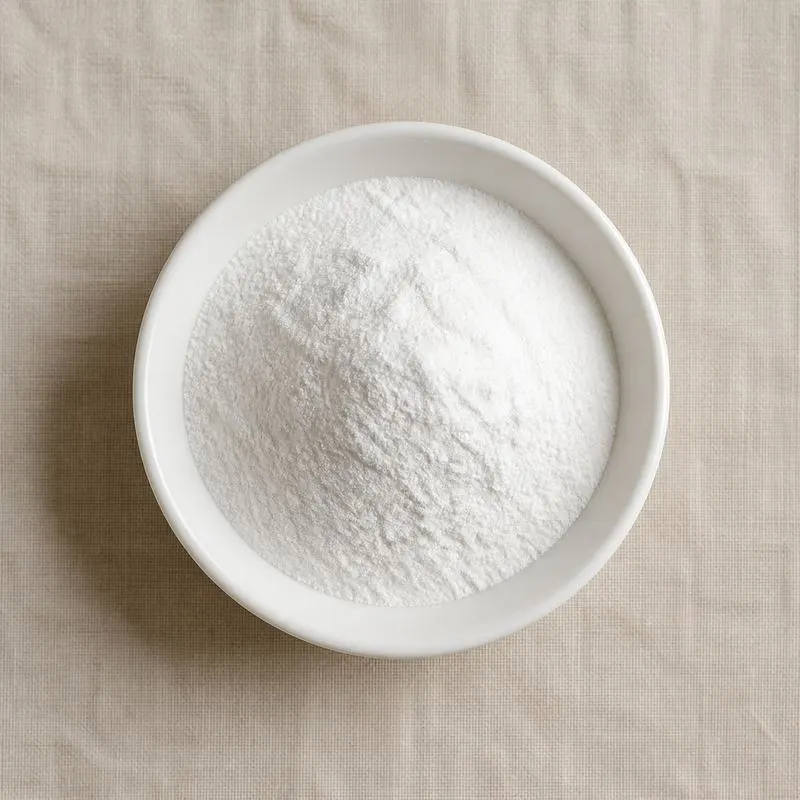
It is a white free-flowing powder, bland in flavour, insoluble in cold water in granular form and requiring heat to hydrate. Pastes are clear to translucent, long and cohesive, and stay smooth through chilled and frozen storage. Pregelatinised drum-dried grades disperse and thicken in cold water.
We source bulk Hydroxypropyl Starch from top China manufacturers for our partners, working with several of them. The manufacturers are in Jiangsu and Zhejiang. A smaller requirement can ship in a combined container with other ingredients.
Please send the grade you need, the volume and your destination port, and we will come back with a solution and a price.
or call +86-21-6858 0751
- Function
- Thickener / Hydrocolloid
Specifications
| Item | Specification |
|---|---|
| Appearance | White free-flowing powder, free of foreign matter |
| Odour and Taste | Bland, free of foreign odour |
| Identification | Positive starch reaction with iodine solution |
| Hydroxypropyl Groups | Not more than 7.0% |
| Propylene Chlorohydrin | Not more than 1 mg/kg |
| Moisture | Not more than 14.0% |
| pH, 10% slurry | 5.0 to 7.5 |
| Ash, sulphated | Not more than 0.5% |
| Protein | Not more than 0.5% |
| Whiteness | Not less than 90 |
| Particle Size | Not less than 99% through 100 mesh |
| Sulphur Dioxide | Not more than 30 mg/kg |
| Lead | Not more than 0.5 mg/kg |
| Arsenic | Not more than 0.5 mg/kg |
| Total Plate Count | Not more than 10,000 CFU/g |
| Yeast and Mould | Not more than 100 CFU/g |
| Salmonella | Absent in 25 g |
Common Markets Grades
Food grade is described by base starch and by hydroxypropyl content, which the regulation caps at 7 percent and which is normally set between 2 and 7 percent according to the degree of cold stability required. Waxy maize and tapioca bases give the clearest and most cohesive pastes, common maize gives a more opaque body, and potato gives high viscosity with a long texture. Powder at 100 or 200 mesh is standard, with pregelatinised cold-swelling grades widely traded for instant products.
An industrial grade at higher substitution is produced for paper and textile use and is not suitable for food. Pharmaceutical hydroxypropyl starch meets pharmacopoeial expectations and serves as a tablet binder and disintegrant. Buyers should note that most stabilised starch offered commercially is in fact dual modified and sold as hydroxypropyl distarch phosphate, so an enquiry for plain hydroxypropyl starch should say explicitly that no cross-linking is wanted.
Applications
- Frozen sauces, gravies and ready meals, where the ether groups prevent the syneresis that follows freeze and thaw cycling
- Chilled dairy desserts and puddings, holding a smooth body over refrigerated shelf life
- Fruit pie fillings and bakery creams that must stay clear and glossy rather than clouding on standing
- Instant soups and sauce powders in pregelatinised form, thickening on contact with hot or cold water
- Salad dressings and mild acid sauces where full cross-linking is not required
- Processed meat and poultry, binding water through cooking and chilled storage
- Confectionery jellies and gum candy, giving a cohesive rather than brittle set
- Batters and coatings, forming a flexible film that survives freezing and reheating
- Pharmaceutical tablets as a binder and disintegrant in the appropriate grade
- Paper surface sizing and textile warp sizing in industrial grades, giving a flexible film that is easily removed
Brands Using Hydroxypropyl Starch
Widely-distributed consumer products that list Hydroxypropyl Starch on the ingredient label.
- Authentic Beauty ConceptAmplify Mousse ↗Hydroxypropyl starch is the second ingredient in the INCI list of this styling mousse, after water.Label verified 2026-09-01
- Authentic Beauty ConceptFlawless Primer ↗The INCI list of this leave in styling primer names hydroxypropyl starch immediately after water.Label verified 2026-09-01
Brand names, product names and logos are the property of their owners. They appear here as published evidence that the ingredient is used, taken from the brand's own label or website. Their appearance is not an endorsement, and it does not mean the brand buys from us or from any manufacturer listed on this site.
China Manufacturers of Hydroxypropyl Starch
Top Hydroxypropyl Starch manufacturers in China.
- Hangzhou Starpro Starch Co., Ltd.6 ingredients in the directory
- Jiangsu Tianjiang Biotechnology Co., Ltd.6 ingredients in the directory
 NanTong GaoFeng Biotechnology Co., Ltd.10 ingredients in the directory
 Suzhou Gaofeng Biotechnology Co., Ltd.11 ingredients in the directory
Company names and logos are the property of the manufacturers themselves. They are listed here because our own directory records them as producing this ingredient. A listing is not an endorsement by them, and we do not represent them or speak on their behalf.
Regulatory Status
In the United States the food starch-modified regulation at 21 CFR 172.892 permits hydroxypropyl starch; it allows treatment of food starch with propylene oxide, limits the amount of reagent that may be used, and caps the residual propylene chlorohydrin in the finished starch. It is declared on the label as modified food starch.
In the European Union it is authorised as E1440 hydroxypropyl starch under the food additives regulation, with purity criteria limiting hydroxypropyl groups to 7 percent and setting limits on propylene chlorohydrin, sulphur dioxide and heavy metals. It is generally permitted at quantum satis in the food categories where modified starches are allowed and is declared in the ingredient list as modified starch. Use in foods for infants and young children is confined to defined categories and levels. Codex and JECFA recognise the substance as INS 1440, with the JECFA specifications for modified starches applying the same substitution ceiling and residue controls. Where the base starch is wheat, cereal allergen labelling follows the raw material unless processing has removed the protein to the level accepted for exemption.
Manufacturing Process
Refined starch is slurried in water at roughly 35 to 42 percent solids and adjusted to pH 11 to 12 with sodium hydroxide, with sodium sulphate or sodium chloride added at a few percent on starch to keep the granules from swelling and gelatinising under that alkalinity. The slurry is warmed to 40 to 50 degrees Celsius and transferred to a closed reactor, because propylene oxide is volatile and flammable and the reaction must run under a sealed inert atmosphere.
Propylene oxide is charged at a controlled dose on starch dry basis and the batch is held with agitation for sixteen to twenty four hours, during which etherification proceeds and unreacted oxide partly hydrolyses to propylene glycol. Reaction is stopped by neutralising to pH 5.5 to 6.5 with dilute hydrochloric or sulphuric acid, after which residual propylene oxide is stripped by venting and by holding the slurry warm. The granules are washed on hydrocyclones or a rotary vacuum filter, and the thoroughness of this wash determines the residual propylene chlorohydrin and propylene glycol in the finished starch, which are the specification points that matter. The washed cake is dewatered, flash dried to about 12 to 13 percent moisture, milled and sifted. Pregelatinised grades are cooked on a drum dryer or in an extruder and ground afterwards.