Panax Ginseng Peptide
Panax Ginseng Peptide is a mixture of low-molecular-weight oligopeptides produced by controlled enzymatic hydrolysis of the protein fraction of Panax ginseng root.
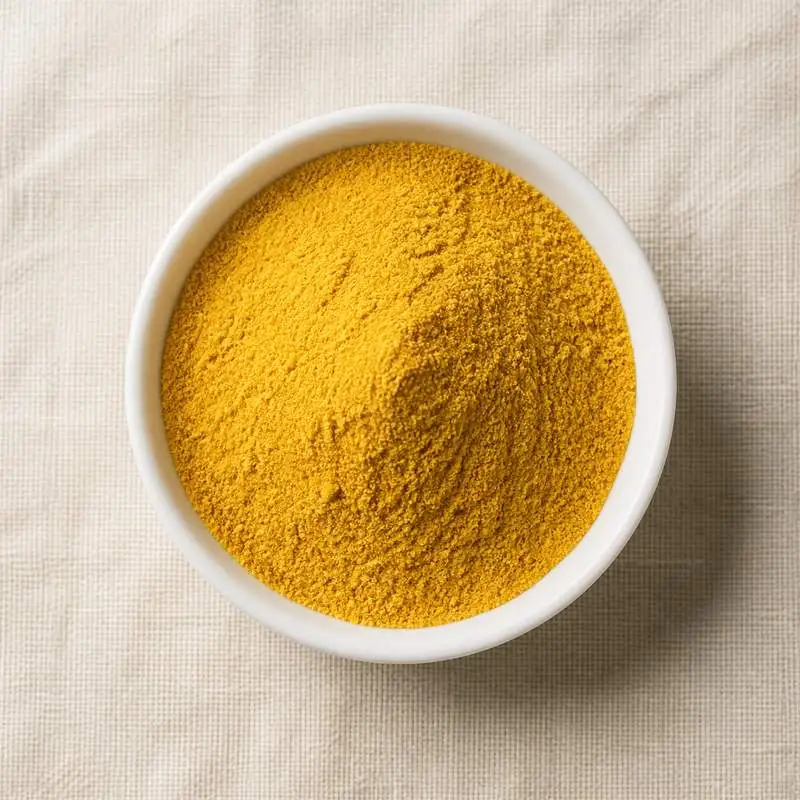
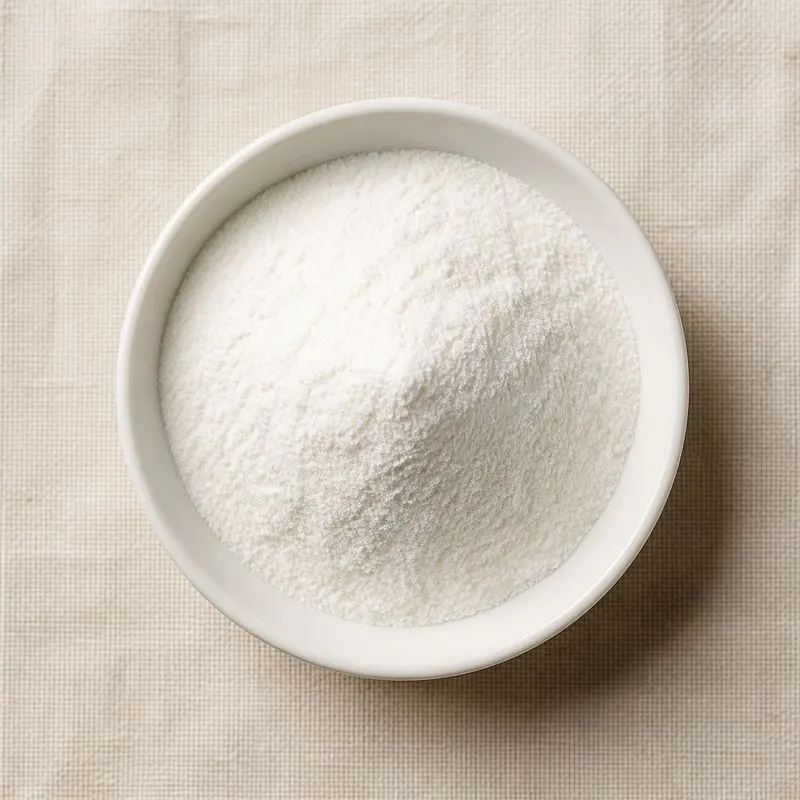
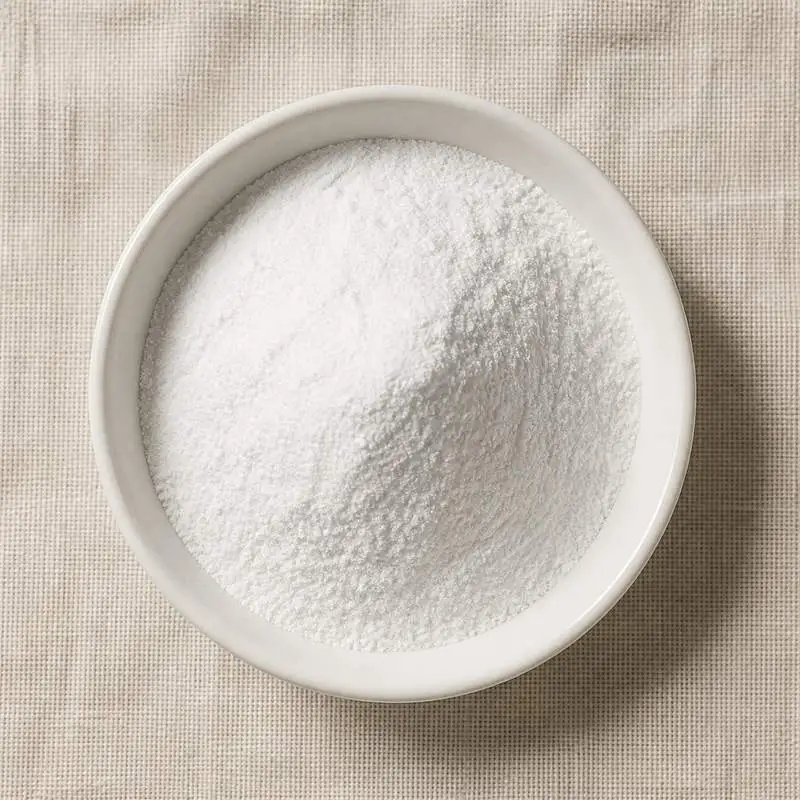
The material is a hygroscopic light-yellow to tan powder with a faintly characteristic ginseng aroma. It is readily soluble in water and is typically standardised by total protein (Kjeldahl or Dumas) and by molecular-weight distribution measured by size-exclusion chromatography.
We source bulk Panax Ginseng Peptide from top China manufacturers for our partners. The manufacturer is in Jilin. A smaller requirement can ship in a combined container with other ingredients.
Please send the grade you need, the volume and your destination port, and we will come back with a solution and a price.
or call +86-21-6858 0751
- Packaging
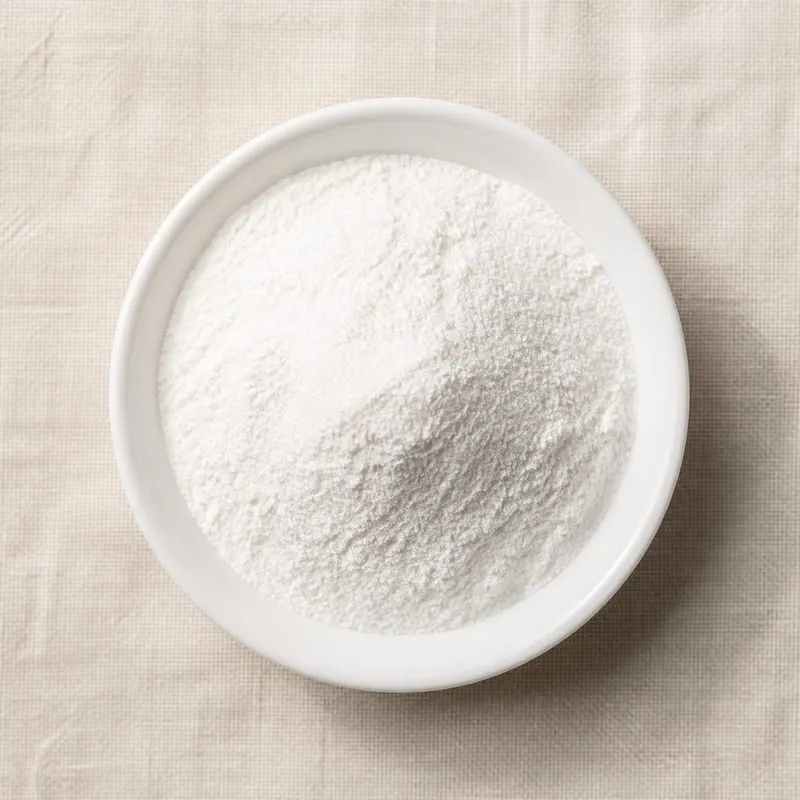
- 25 kg kraft paper bag with PE inner liner
- ISO 9001
- HACCP
- Halal
- Kosher
Specifications
| Item | Specification |
|---|---|
| Appearance | Light brown fine powder |
| Protein (N×6.25) | ≥60% |
| Peptide Content | ≥50% |
| MW <3000 Da | ≥80% |
| Ginsenosides | ≥1.0% |
| Moisture | ≤7.0% |
| Ash | ≤8.0% |
| Solubility | ≥95% |
| Heavy Metals (as Pb) | ≤2 mg/kg |
| Total Plate Count | ≤10,000 cfu/g |
| Salmonella | Absent in 25g |
Common Markets Grades
Ginseng peptide grades are defined by molecular-weight distribution and total peptide content.
The standard commercial offerings are 60 percent, 70 percent, and 80 percent total peptides (dry basis), with the bulk of the material at molecular weights below 1,000 daltons and a substantial fraction below 500 daltons.
Premium grades emphasise a tight low-molecular-weight distribution (greater than 80 percent below 1,000 Da) for improved gut absorption and rapid plasma appearance.
Some suppliers offer dual-standardised grades co-marketed with residual ginsenoside content (typically 1 to 5 percent total ginsenosides) for combined bioactive positioning.
The material is delivered as a free-flowing spray-dried powder or as a granulated form for direct compression tablets.
Applications
- Sports-nutrition recovery powders combined with whey or pea protein hydrolysates
- Energy and endurance shots leveraging rapid amino-acid delivery
- Healthy-aging and longevity blends paired with collagen peptides and NMN
- Cognitive support beverages and instant coffees targeting fatigue and focus
- Functional ready-to-drink tonics in the traditional Asian tonic-beverage category
- Meal-replacement shakes and protein-fortified soups
- Skin-care drinkable beauty shots positioned around inner beauty and vitality
- Capsules and tablets in adaptogen and stress-support stacks
- Senior-nutrition oral nutritional supplements (ONS) with combined amino-acid and adaptogen positioning
- Pet supplements for working and senior dogs in tonic and recovery formats
Brands Using Panax Ginseng Peptide
Widely-distributed consumer products that list Panax Ginseng Peptide on the ingredient label.
- SinpharSinphar Ginseng Oligopeptide Powder ↗A small-molecule peptide powder from Panax ginseng C.A. Meyer produced by bio-enzymatic digestion.Label verified 2026-05-24
- By-HealthBy-Health Ginseng Oligopeptide Solid Beverage ↗A solid beverage formulated with Panax ginseng oligopeptides obtained by enzymatic hydrolysis.Label verified 2026-05-24
- TongrentangTongrentang Ginseng Peptide Oral Liquid ↗Traditional Chinese supplement brand product featuring Panax ginseng-derived oligopeptides in an oral-liquid format for energy and immune support.Label verified 2026-05-24
- InfinitusInfinitus Ginseng Peptide Beverage ↗A Panax ginseng peptide beverage in Infinitus's herbal nutrition line.Label verified 2026-05-24
Brand names, product names and logos are the property of their owners. They appear here as published evidence that the ingredient is used, taken from the brand's own label or website. Their appearance is not an endorsement, and it does not mean the brand buys from us or from any manufacturer listed on this site.
China Manufacturers of Panax Ginseng Peptide
Top Panax Ginseng Peptide manufacturers in China.
Company names and logos are the property of the manufacturers themselves. They are listed here because our own directory records them as producing this ingredient. A listing is not an endorsement by them, and we do not represent them or speak on their behalf.
How We Help Source Panax Ginseng Peptide
Direct Factory Sourcing
We run the whole process: selecting the manufacturer from the top Chinese food ingredient producers, negotiating the price, verifying quality, and coordinating the logistics. You deal with us instead of with several factories at once.
Original Packaging and Documents from the Manufacturer
The manufacturer sends your Panax Ginseng Peptide out of its own factory in the original packing, through to your destination port. The COA, COO, MSDS, TDS and any certifications reach you from the manufacturer as well.
Free Samples and Lead Time
We send 100 to 500 g free for your own laboratory to test and you cover only the courier, usually within 2 to 3 working days. ETD is usually within 7 to 15 days once the order is confirmed, and we check that date against the factory's own manufacturing schedule before we give it to you.
Combined Shipment
We can load Panax Ginseng Peptide together with other ingredients such as Arachidonic Acid, Coenzyme Q10 and Chondroitin Sulphate Sodium into one 20' FCL. If your quantity is small, we can also ship LCL.
Regulatory Status
Ginseng-derived peptide ingredients sit at the intersection of conventional ginseng-root food use and protein-hydrolysate ingredients.
In China, ginseng root harvested under 5 years old is a permitted food ingredient under the homology-of-medicine-and-food framework, and peptide preparations made from it are widely marketed as health-food and general-food ingredients.
In the United States, ginseng-root protein hydrolysates are generally marketed as dietary ingredients under DSHEA, leveraging the long-standing food and supplement status of the parent root.
In the European Union, ginseng-root protein hydrolysates may require Novel Food assessment depending on the production process and characterisation.
Disease-treatment claims are not permitted on supplement labels in any major market.
Kosher and Halal certifications exist for material processed on dedicated plant-based lines with appropriate enzyme sourcing.
Manufacturing Process
Production begins with cultivated Panax ginseng root, generally sourced from Jilin in China or Geumsan in South Korea. Fresh or dried roots are washed, milled, and slurried in water.
The slurry is first defatted and partially de-saponified with mild ethanol washing to reduce ginsenoside content and remove starch and pectin where required by the target specification.
Enzymatic hydrolysis is carried out with food-grade proteases such as alcalase, flavourzyme, neutrase, or papain, often in sequential or combined treatment, at controlled pH and temperature for several hours.
The hydrolysate is centrifuged and filtered to remove undigested residue. Ultrafiltration (typically a 5 to 10 kDa membrane) followed by nanofiltration removes large peptides and excess salts.
The permeate is concentrated under vacuum and spray-dried to a free-flowing powder. Final product is standardised by total nitrogen, molecular-weight distribution, and microbial parameters.
Some manufacturers add a second polishing step using activated carbon to reduce colour and bitter notes for beverage applications.