Phosphatidy Dylcholine Lecithin
Phosphatidylcholine lecithin is a lecithin that has been fractionated to raise its content of phosphatidylcholine, the single phospholipid that carries most of the emulsifying and membrane forming activity in crude lecithin. Standard soybean or sunflower lecithin contains roughly 20 to 25 percent phosphatidylcholine alongside phosphatidylethanolamine, phosphatidylinositol and glycolipids; the fractionated product concentrates it to anywhere from 35 percent to well above 90 percent.
The molecule is amphiphilic, with a phosphocholine head group and two fatty acid chains, and it forms bilayers and liposomes in water rather than simple micelles. Concentrating it gives a more hydrophilic material than crude lecithin, with better oil in water emulsifying power, cleaner flavour and much lower colour, and it is the form used where the phospholipid is a functional ingredient in its own right rather than a processing aid.
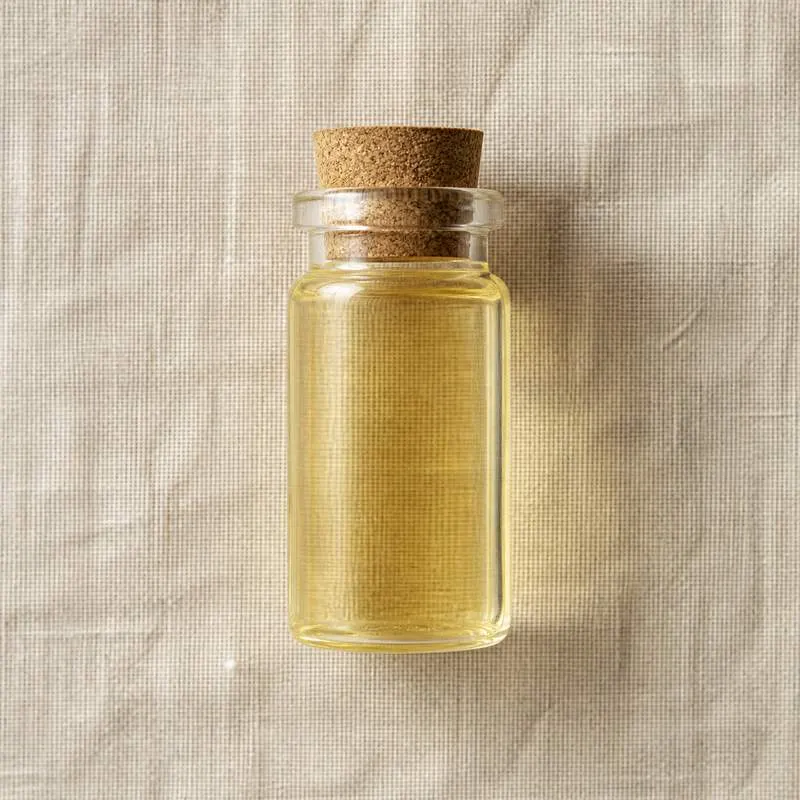
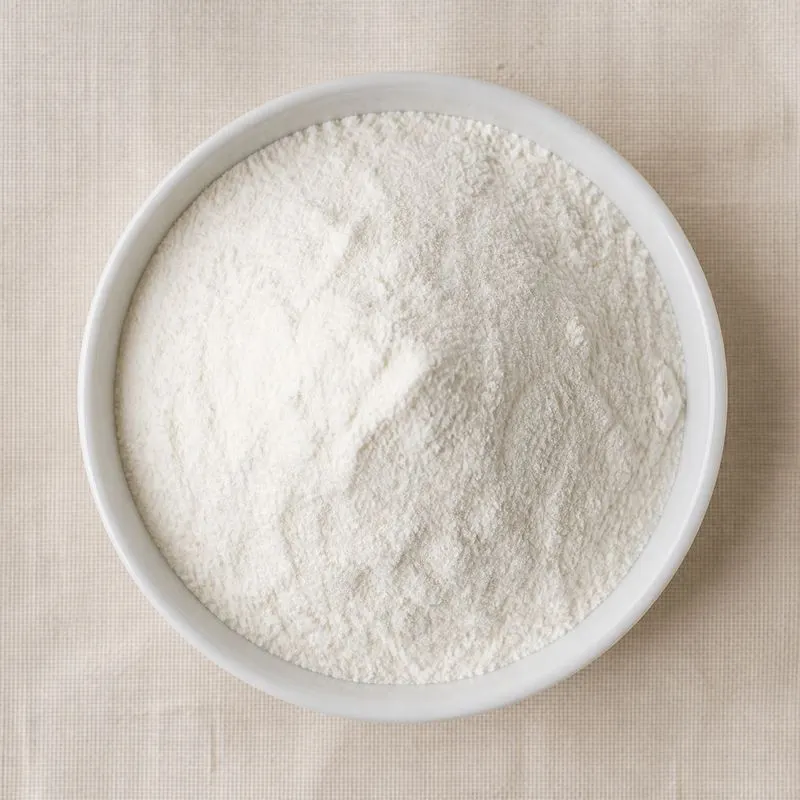
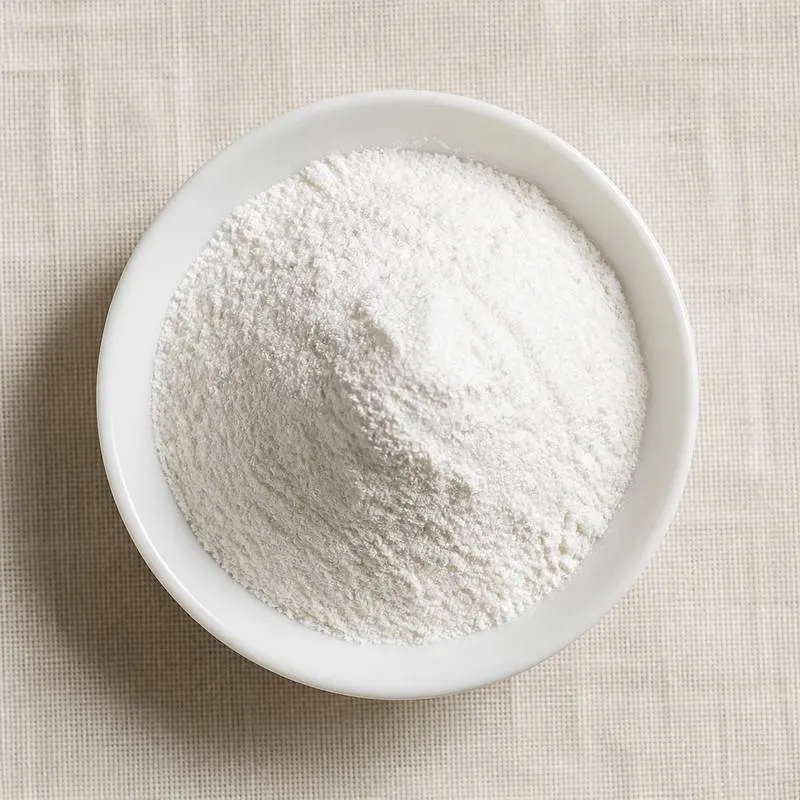
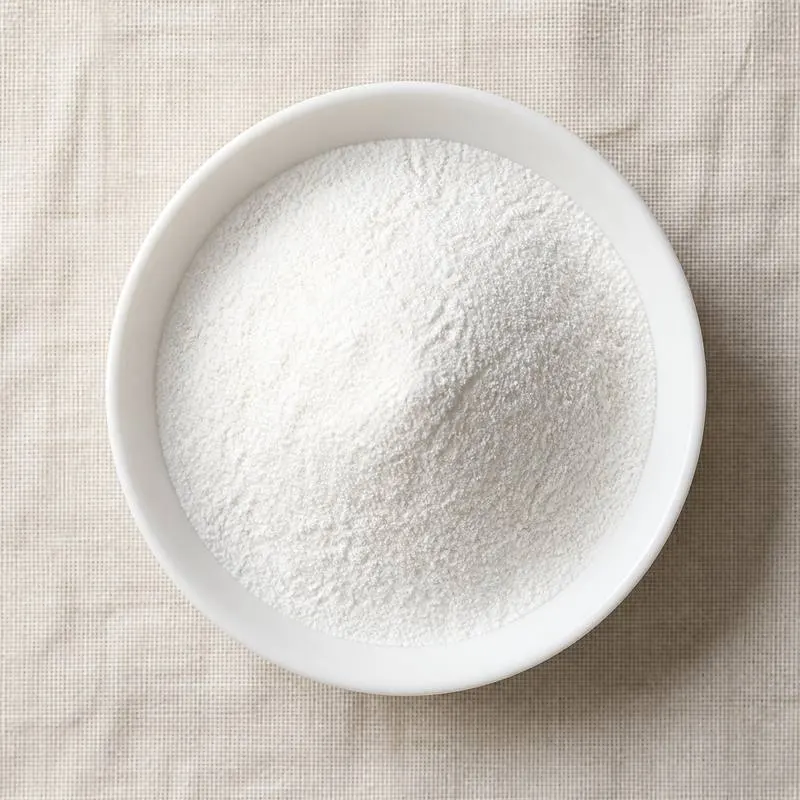
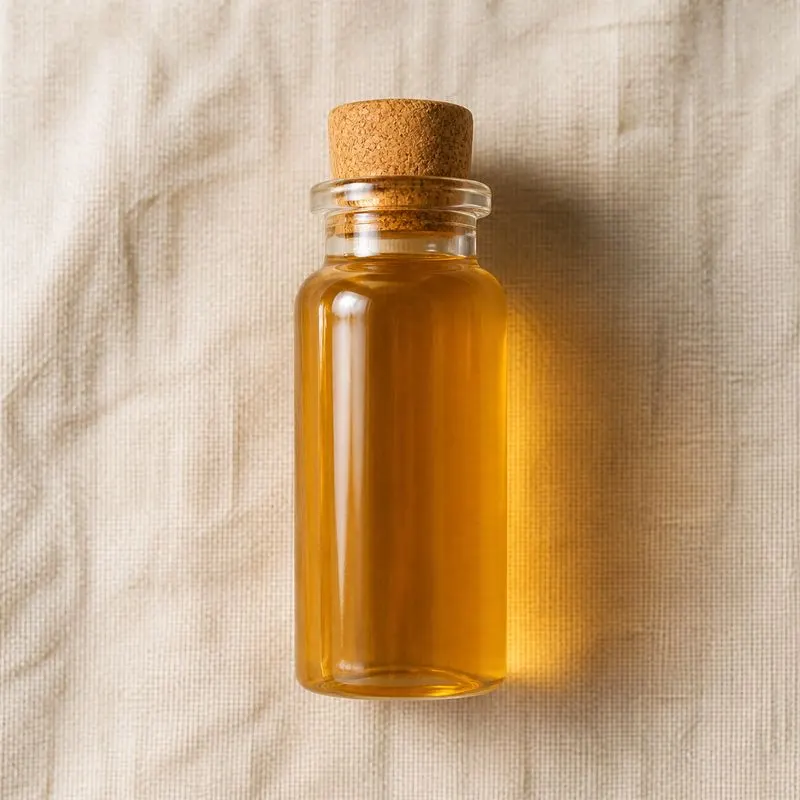
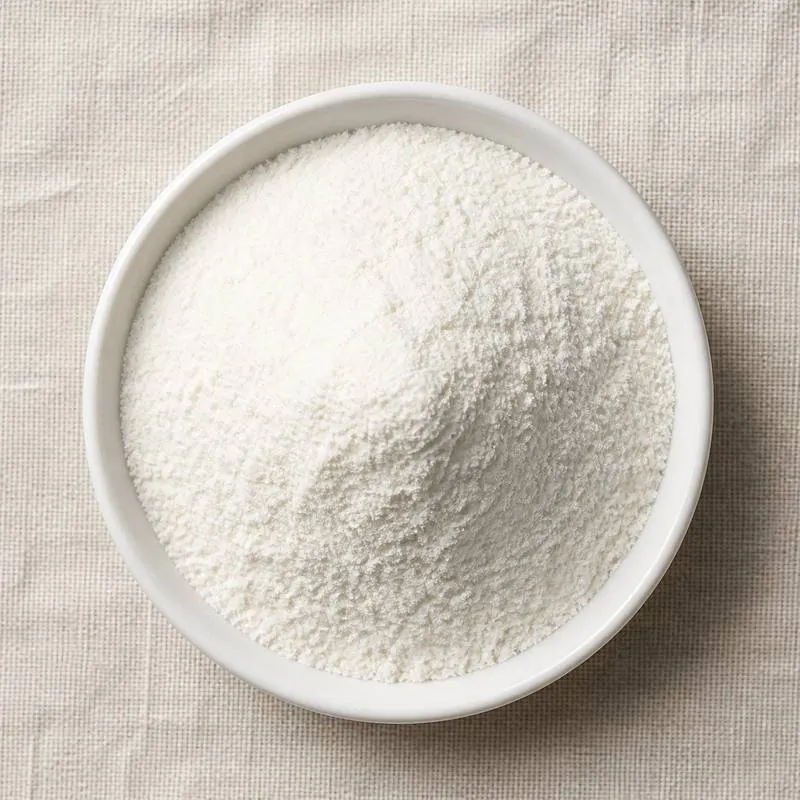
Depending on the concentration and the residual oil, the product is a viscous amber liquid, a soft paste or a free flowing pale powder. Higher purity grades disperse and hydrate in water to a translucent dispersion, are soluble in ethanol and chloroform, and are sensitive to oxidation and to moisture pick up, so they are packed under nitrogen and stored cool.
We source bulk Phosphatidy Dylcholine Lecithin from top China manufacturers for our partners. The manufacturer is in Anhui. A smaller requirement can ship in a combined container with other ingredients.
Please send the grade you need, the volume and your destination port, and we will come back with a solution and a price.
or call +86-21-6858 0751
- Function
- Emulsifier
Specifications
| Item | Specification |
|---|---|
| Appearance | Light yellow to amber powder or viscous liquid |
| Phosphatidylcholine | ≥ 70.0% (on dry basis) |
| Acetone insoluble matter | ≥ 95.0% |
| Identification | Phospholipid profile conforms by HPLC |
| Loss on drying | ≤ 2.0% |
| Acid value | ≤ 30 mg KOH/g |
| Peroxide value | ≤ 5 meq/kg |
| Residual ethanol | ≤ 0.5% |
| Residual acetone | ≤ 0.05% |
| Heavy metals (as Pb) | ≤ 5 mg/kg |
| Lead | ≤ 1 mg/kg |
| Arsenic | ≤ 1 mg/kg |
| Total plate count | ≤ 1,000 cfu/g |
| Yeast and mould | ≤ 100 cfu/g |
| Salmonella | Absent in 25 g |
Common Markets Grades
Grades are traded on phosphatidylcholine content. De-oiled lecithin powders at 20 to 25 percent phosphatidylcholine sit at the bottom of the range, alcohol fractionated grades run from 35 to 70 percent, and chromatographically purified grades reach 90 percent and above for pharmaceutical and liposome work. Acetone insoluble matter, which measures total phospholipid, is quoted alongside the phosphatidylcholine figure.
Beyond concentration the choices are botanical source, soybean, sunflower or rapeseed, with sunflower used where a non-genetically modified and allergen friendly declaration is wanted, and physical form, liquid, paste, granule or spray dried powder. Hydrolysed and hydroxylated versions are made for greater water dispersibility, and hydrogenated grades are produced where oxidative stability matters more than fluidity. Food, feed and pharmaceutical qualities differ mainly in the tightness of the peroxide value, residual solvent and microbiological limits.
Applications
- Instant powders such as milk, cocoa and protein drinks, where it wets the particle surface and prevents lumping
- Chocolate and compound coatings, where it lowers viscosity and yield value at low addition rates
- Infant and clinical nutrition, where it emulsifies the fat blend and contributes choline containing phospholipid
- Liposomal and encapsulated delivery systems, where the bilayer forming behaviour carries vitamins, carotenoids and actives
- Bakery, where it improves dough handling, gas retention and crumb softness
- Margarine and spreads, where it controls spattering during frying and stabilises the water droplets
- Dietary supplements, where concentrated phosphatidylcholine is sold for its choline content
- Clean label mayonnaise and dressings, where it replaces or supplements egg yolk phospholipid
- Beverage emulsions, where the more hydrophilic fractionated grades stabilise fine oil droplets in acid drinks
Brands Using Phosphatidy Dylcholine Lecithin
Widely-distributed consumer products that list Phosphatidy Dylcholine Lecithin on the ingredient label.
Brand names, product names and logos are the property of their owners. They appear here as published evidence that the ingredient is used, taken from the brand's own label or website. Their appearance is not an endorsement, and it does not mean the brand buys from us or from any manufacturer listed on this site.
China Manufacturers of Phosphatidy Dylcholine Lecithin
Top Phosphatidy Dylcholine Lecithin manufacturers in China.

Company names and logos are the property of the manufacturers themselves. They are listed here because our own directory records them as producing this ingredient. A listing is not an endorsement by them, and we do not represent them or speak on their behalf.
Regulatory Status
In the European Union Regulation (EC) No 1333/2008 authorises lecithins as E 322, and they may be used in a broad range of foods, generally at quantum satis. Fractionated and phosphatidylcholine enriched lecithins fall within that entry provided they meet the identity and purity criteria in the specifications regulation, which set limits on acetone insoluble matter, toluene insoluble matter, acid value, peroxide value and residual solvent. Soy derived material must be declared as an allergen where soy is the source.
In the United States lecithin is affirmed as generally recognised as safe under 21 CFR 184.1400 for use in food, and enzyme modified and hydroxylated variants have their own clearances. Highly purified phosphatidylcholine sold as a supplement is regulated as a dietary ingredient. JECFA has evaluated lecithins and published specifications for them, and lecithins appear in the Codex General Standard for Food Additives as emulsifiers and antioxidants.
Manufacturing Process
The starting material is crude lecithin gum, separated from soybean or sunflower oil during water degumming and dried under vacuum. To raise phosphatidylcholine content the dried lecithin is first de-oiled by extraction with cold acetone, which dissolves the triglyceride oil and leaves an acetone insoluble phospholipid powder. That powder is then fractionated with ethanol, in which phosphatidylcholine is far more soluble than phosphatidylethanolamine and phosphatidylinositol, so the alcohol soluble fraction is enriched in phosphatidylcholine while the insoluble residue is enriched in the other phospholipids.
The ethanol extract is concentrated under vacuum and the solvent recovered for reuse. Where a higher purity is needed the concentrate is passed over an alumina or silica column, which separates the remaining phospholipid classes and delivers a fraction above 90 percent phosphatidylcholine. The purified material is then either standardised back with oil to a liquid grade or spray dried, or freeze dried, to a powder, sieved, and packed under nitrogen. Residual solvent, peroxide value and phospholipid profile are checked on each lot.